Introduction
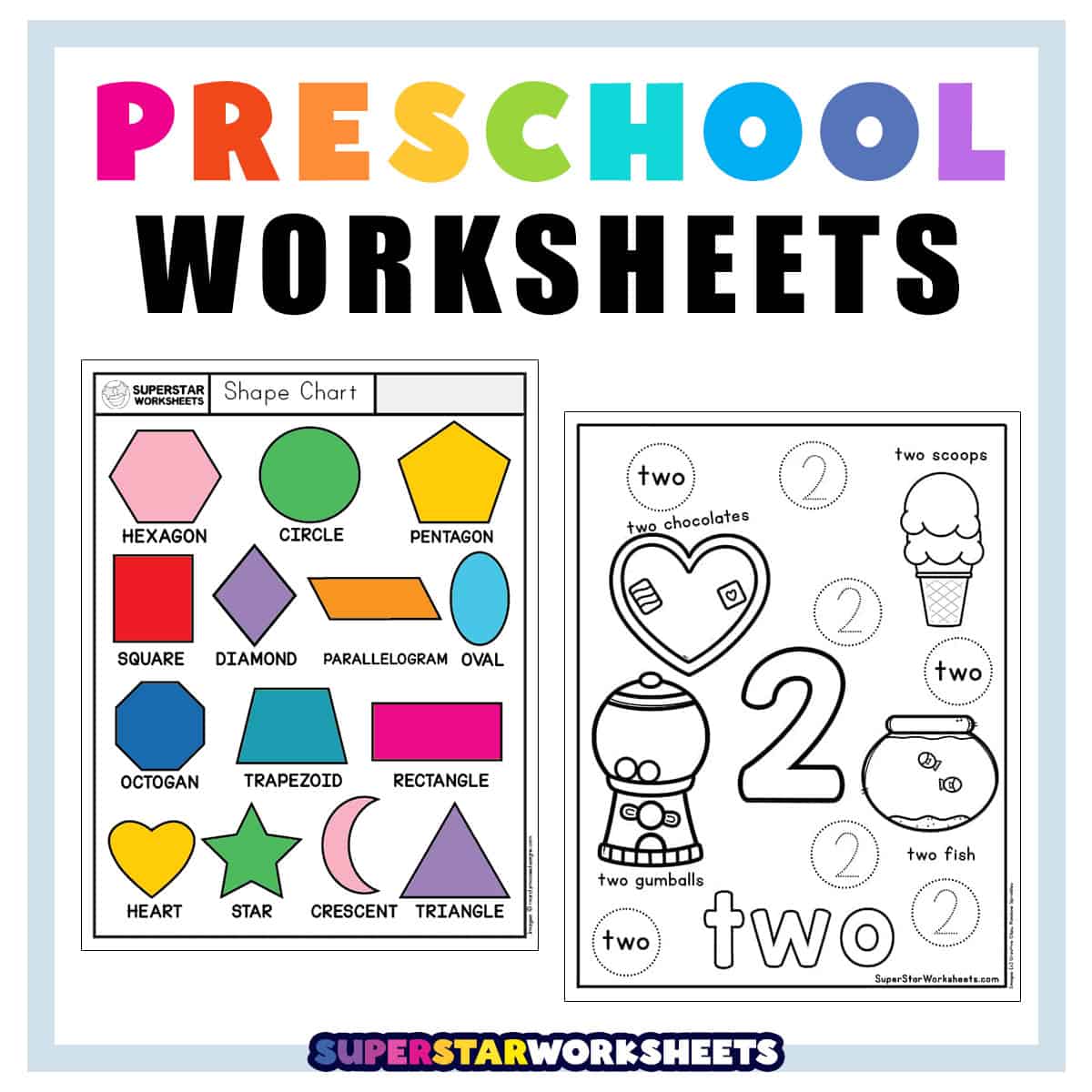
Preschool worksheets free of charge provide accessible, foundational practice materials designed to build early pencil control, fine-motor dexterity, and accurate stroke sequences for young learners. According to the National Association for the Education of Young Children (NAEYC), purposeful, developmentally appropriate fine-motor activities are critical for preparing young children for formal writing tasks. Early childhood educators, homeschoolers, and parents rely on structured printables to bridge the gap between gross motor movements and precise letter formation. Utilizing no-cost educational resources allows learning environments to scale practice frequency without financial barriers, ensuring every child develops foundational literacy skills effectively.
Handwriting Practice Snapshot:
- Core Focus: Preschool worksheets free offer zero-cost, structured motor-skill and letter formation exercises.
- Target Scope: Early learners aged three through five utilizing digital or printed practice sheets.
- Key Recommendation: Pair daily 5-minute tracing sessions with multi-sensory tools like salt trays or dough.
Core Principles and Detailed Overview
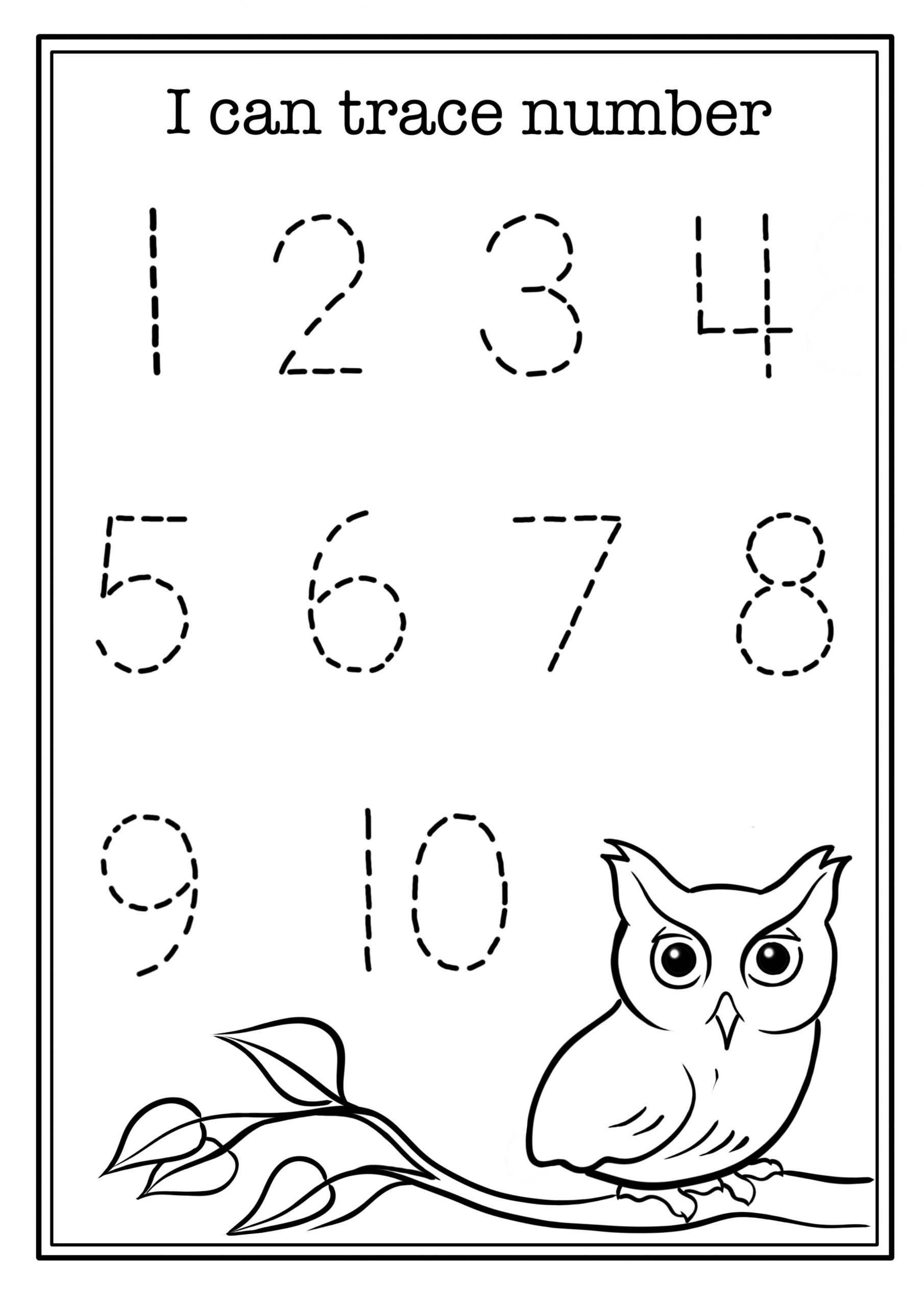
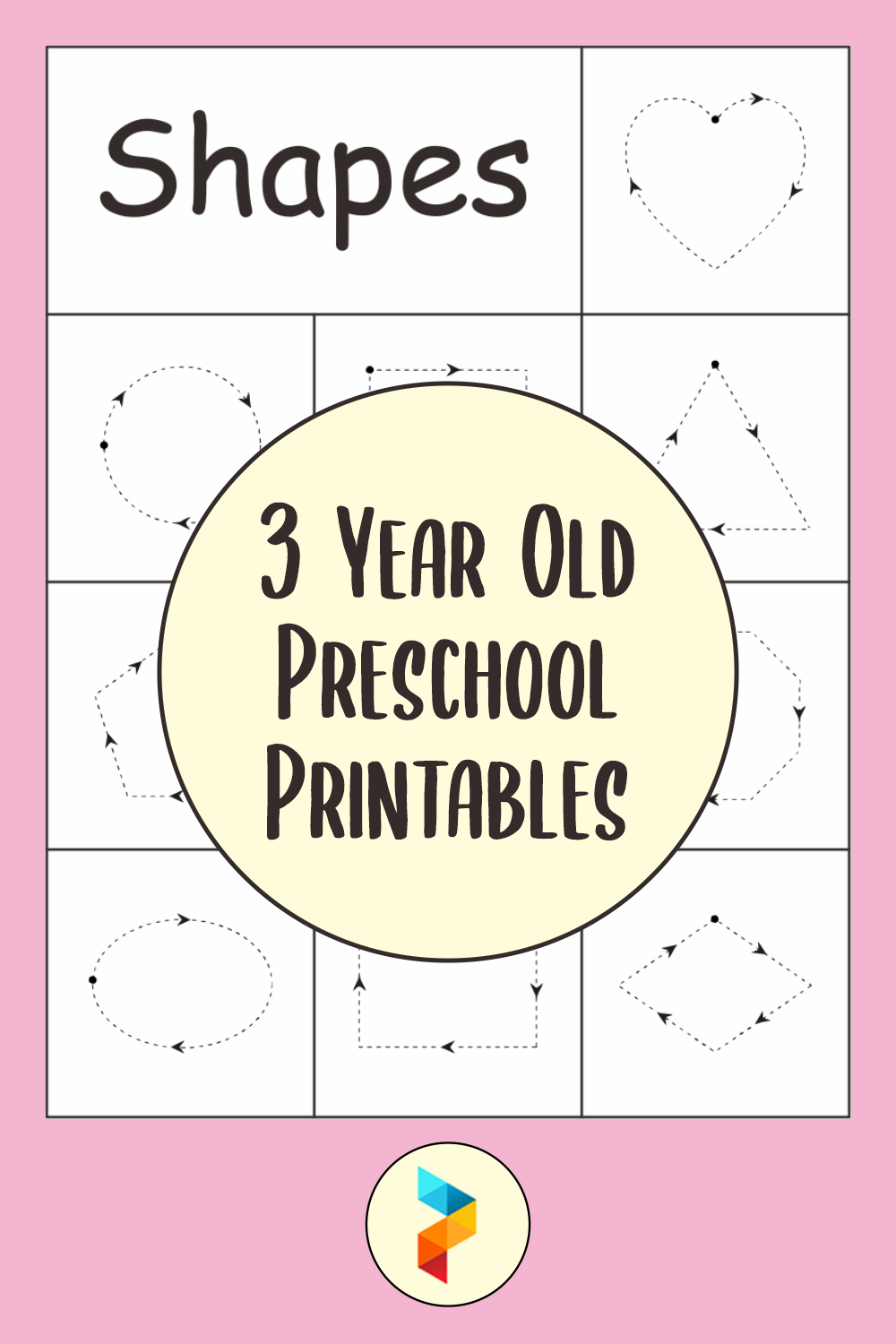
Handwriting mechanics for early learners rely on mastering fundamental strokes before attempting complex alphabetical characters. Preschool worksheets free of cost must systematically introduce vertical lines, horizontal lines, intersecting crosses, circles, and diagonal slants in a progressive sequence. Occupational therapy research demonstrates that children master vertical and horizontal strokes before diagonal lines and angles. Therefore, organizing practice materials to match this neurological and muscular development prevents hand fatigue, incorrect pencil grips, and frustration. Educators must prioritize printables that feature explicit directional arrows and starting dots to guide correct stroke execution from the very beginning.
Key Specifications and Breakdown
| Skill Level / Grade | Target Stroke / Mechanical Focus | Pedagogical / Coaching Cue |
|---|---|---|
| Early Preschool (Ages 3-4) | Vertical lines, horizontal lines, and large continuous circles. | “Start at the top sky line and pull straight down to the grass line.” |
| Mid Preschool (Ages 4-5) | Diagonal slants, intersecting lines, and basic shapes. | “Slant down like a mountain slide, then cross straight across the middle.” |
| Advanced Preschool (Ages 5+) | Clockwise and counter-clockwise curved letter strokes. | “Sweep around like a magic C before closing the loop at the top.” |
Proper postural stability and proximal shoulder control must precede distal finger dexterity for safe, sustained pencil manipulation. — American Occupational Therapy Association (AOTA)
Step-by-Step Practical Application and Guidelines
Implementing preschool worksheets free from digital resource hubs requires a deliberate pedagogical routine to maximize fine-motor skill retention. Begin every session by reviewing the correct tripod pencil grasp, ensuring fingers rest approximately one inch above the writing tip. Next, have children trace tactile lines or air-write the stroke pattern before touching a pencil to paper. Select targeted tracing worksheets to build muscle memory for individual line paths. Limit structured seatwork to short, five-to-ten-minute intervals to maintain engagement and prevent physical strain on developing hand muscles. Finally, rotate specific preschool worksheets weekly to reinforce letter shapes through varied visual and contextual themes.
Common Challenges and How to Avoid Them
Premature expectations regarding letter size and line constraint often lead to poor grip habits and a permanent aversion to writing tasks. Educators frequently observe children pressing too hard, writing from the bottom up, or holding pencils with a clenched fist. To resolve these challenges, substitute standard printer paper with thick cardstock or slip sheets into protective plastic sleeves for dry-erase marker practice, which reduces friction and physical resistance. Integrate coloring worksheets to build baseline hand strength without the cognitive load of letter formation. Furthermore, always utilize dedicated letter writing worksheets that feature enlarged primary handwriting lines to accommodate immature visual-spatial processing abilities.
💬 Frequently Asked Questions
Explore More Free Handwriting and Character Worksheets
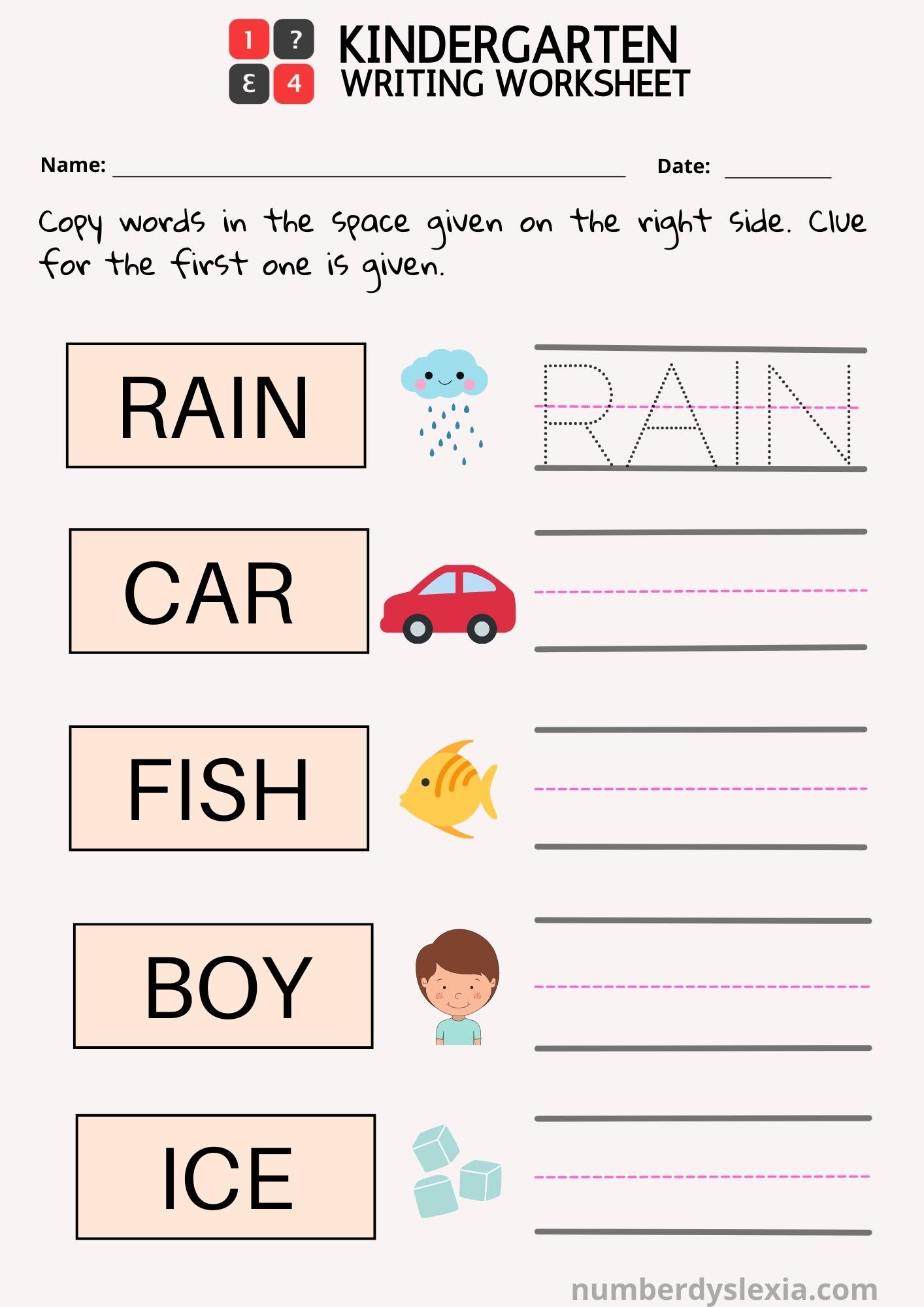
Accessing high-quality educational resources ensures that young learners build robust fine-motor foundations alongside early literacy skills. Educators and families can expand daily practice routines by incorporating customized name practice worksheets to foster personal identity and advanced letter recognition. Explore the comprehensive resource directory available at CharacterWritingWorksheets.com to discover an extensive collection of professional worksheets tailored for early childhood development.
Worksheet Previews & Reference Materials