Introduction
Mastering cursive writing remains an essential milestone in childhood development, bridging the gap between basic motor control and fluid written expression. Introducing connected loops and sweeping diagonals requires a high degree of bilateral coordination and visual-motor integration. Children often shift from manuscript printing to cursive scripts around the third grade, a transition that demands patience, structured guidance, and targeted practice resources. The free printable worksheet practice cursive writing cheets chloe offers a delightful, character-themed approach to this intricate motor challenge. Educators and occupational therapists frequently notice that children engage much more deeply with handwriting tasks when familiar names or characters anchor the page. It sounds simple, and that’s the point: blending engaging character themes with structured writing drills transforms a potentially frustrating handwriting lesson into an approachable, rewarding activity for developing hands.
💡 Educational Key Takeaways:
- Core Skill: Structured Practice Cursive Writing Cheets Chloe focused on developing pencil grip, stroke control, and early literacy/math confidence.
- Target Scope: Suited for homeschoolers, preschool, kindergarten, and elementary learners.
- Best Recommendation: Practice 10–15 minutes daily with ergonomic writing tools to reinforce muscle memory without hand fatigue.
What This Worksheet Covers
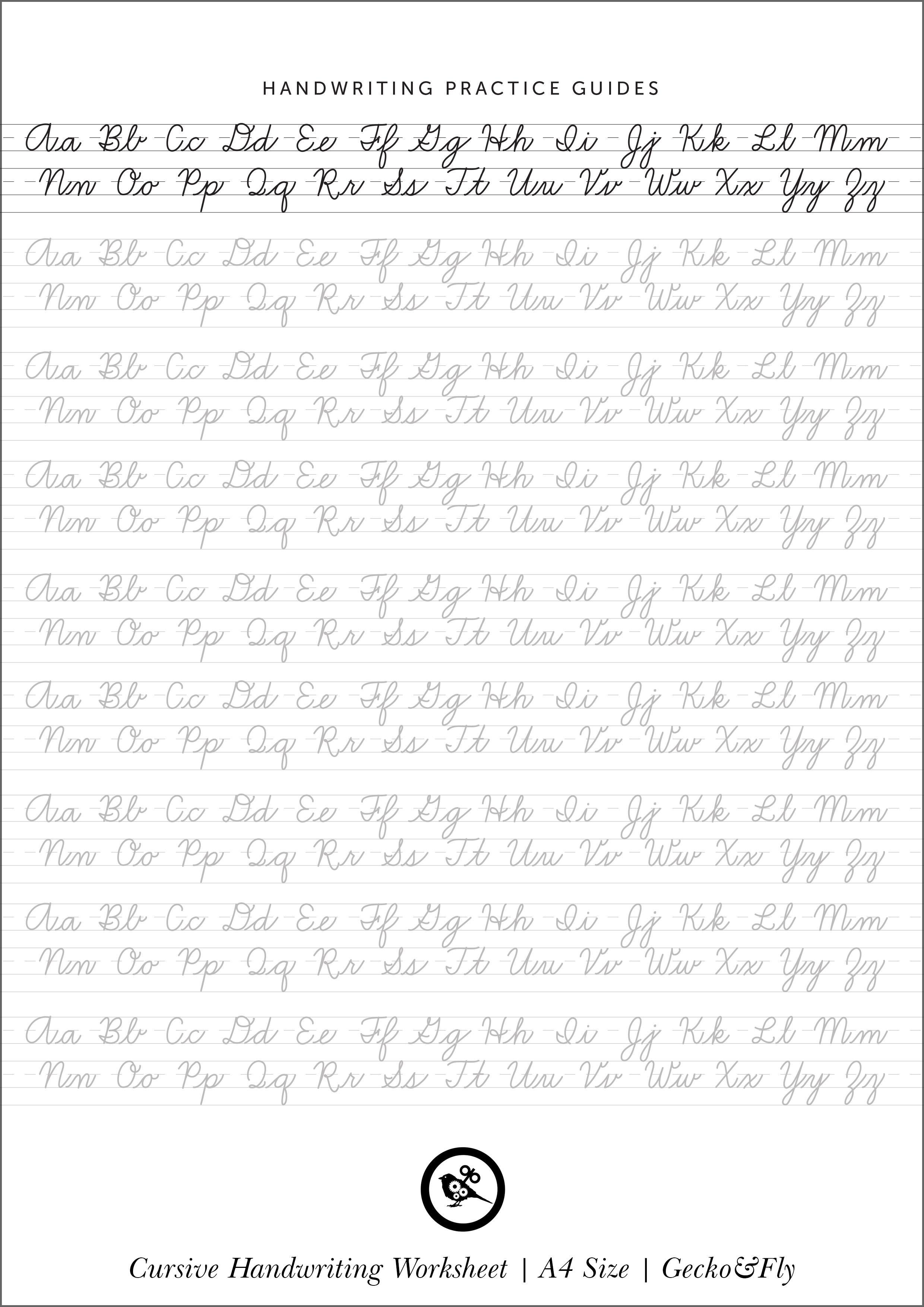
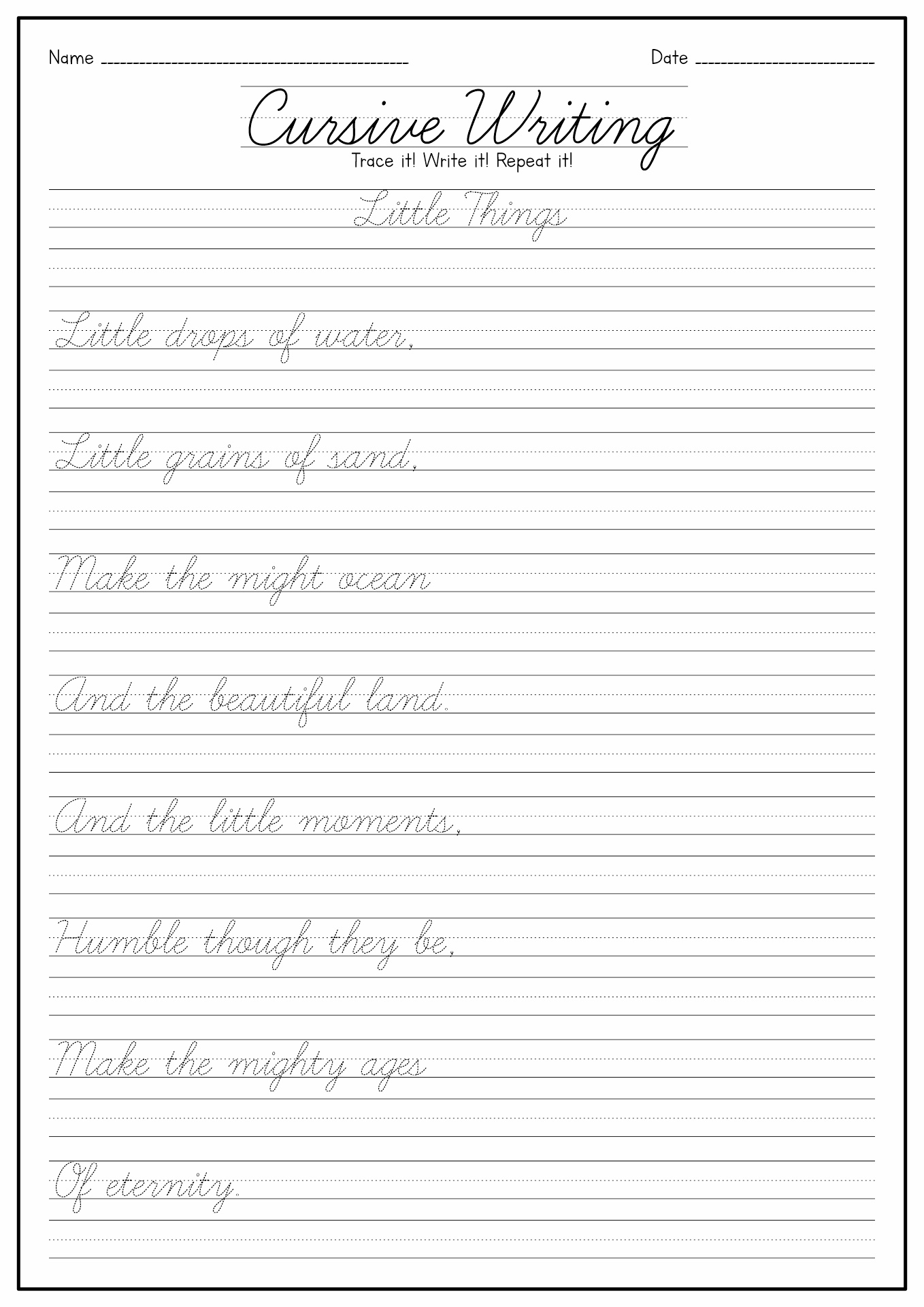
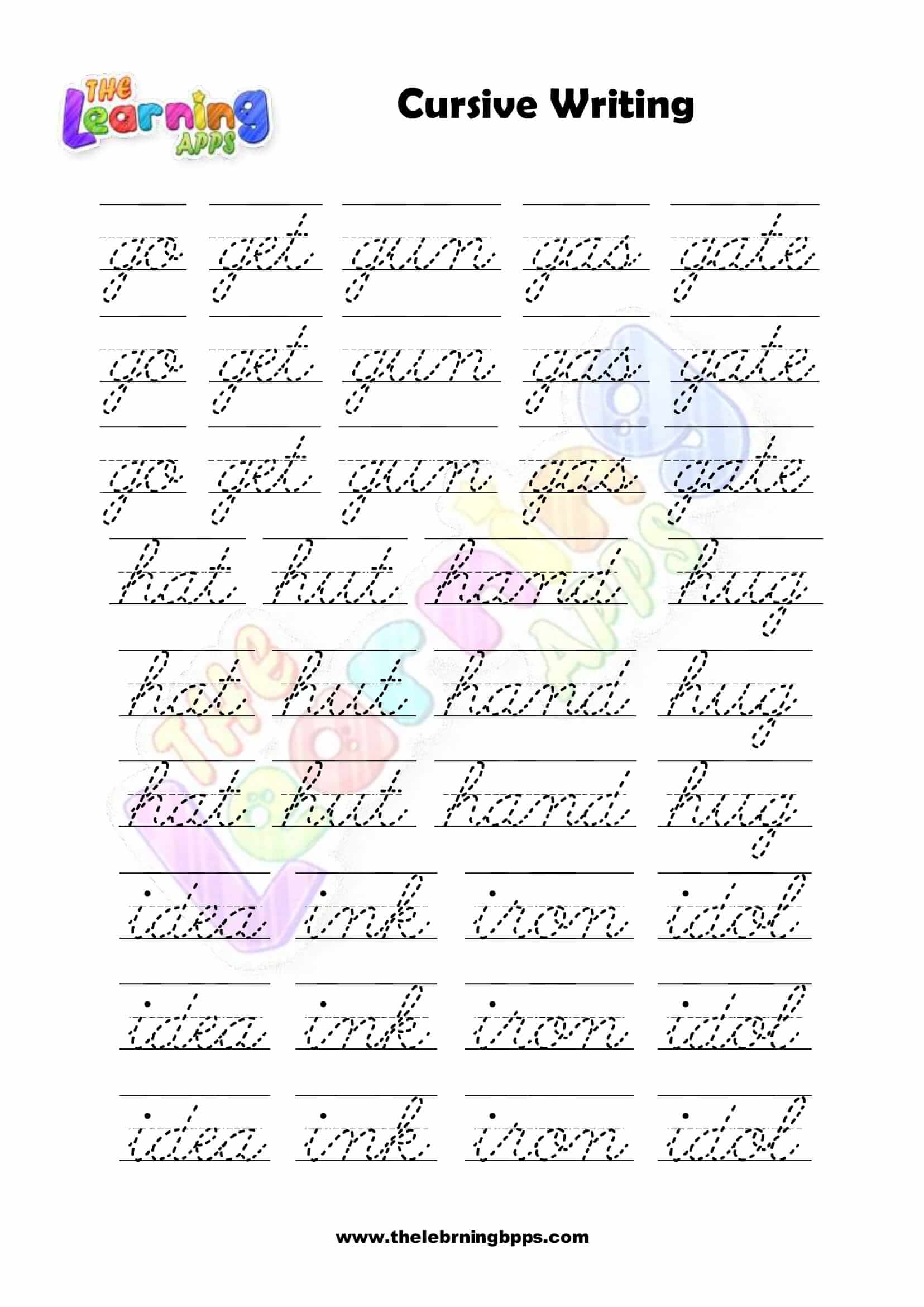
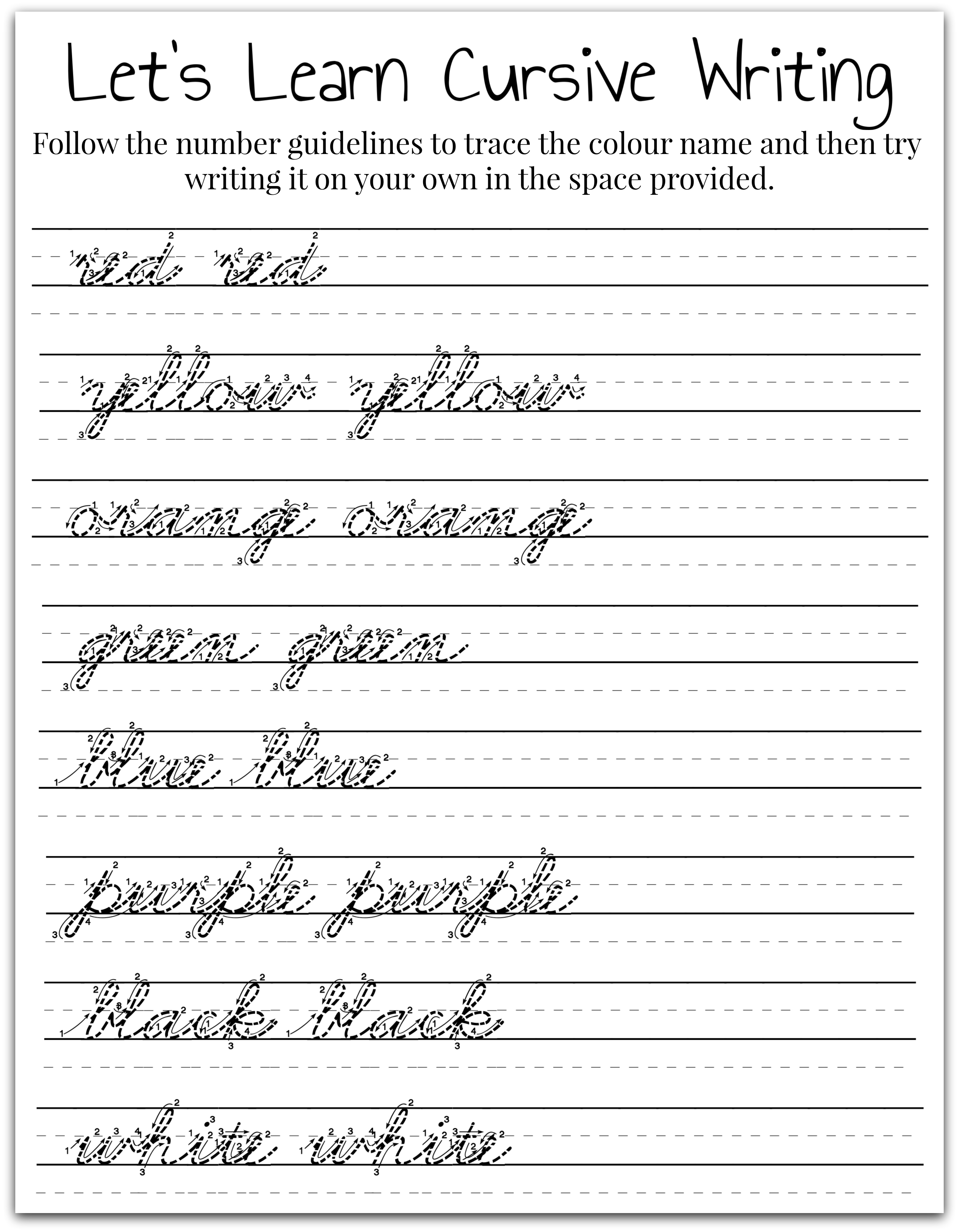
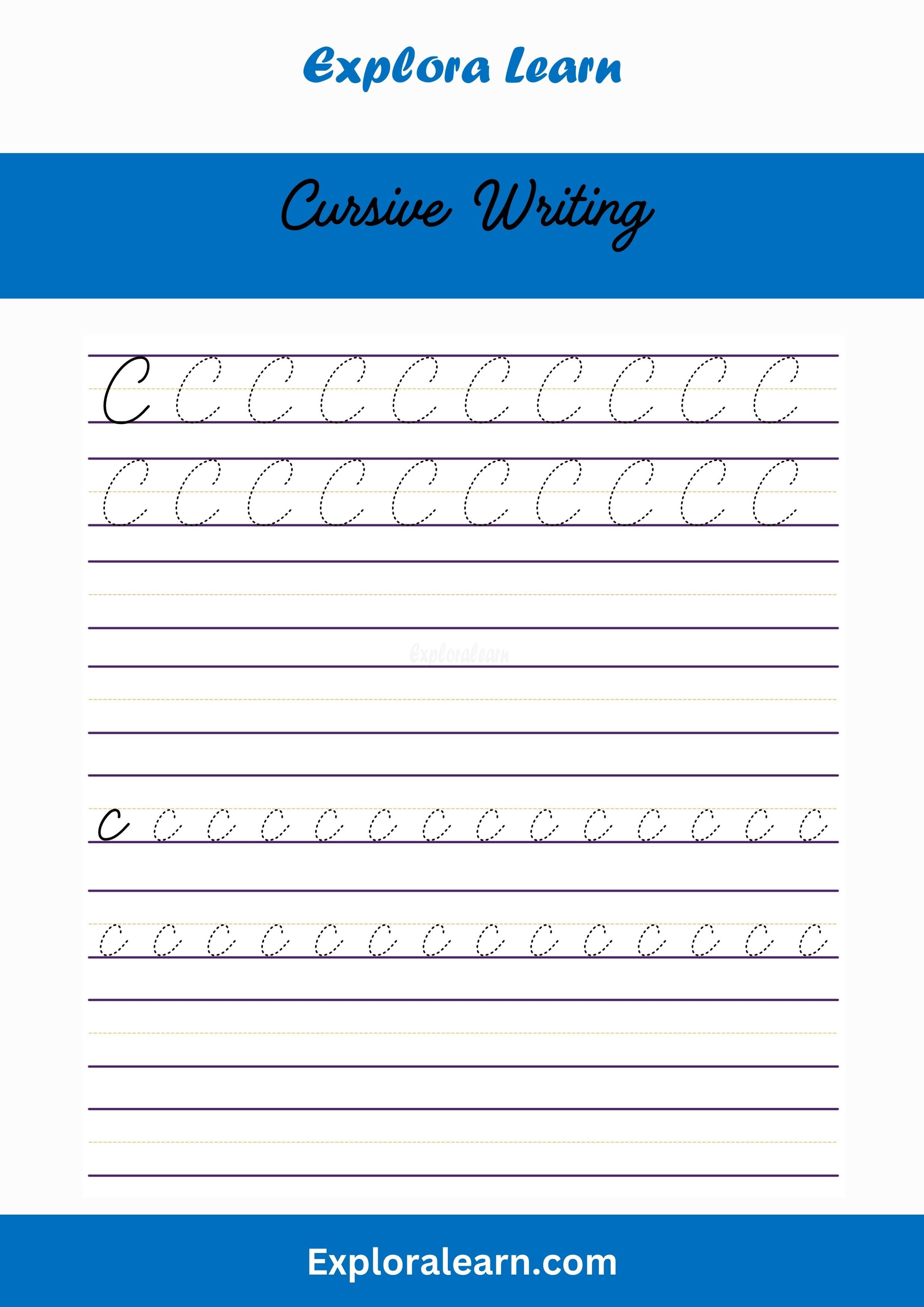
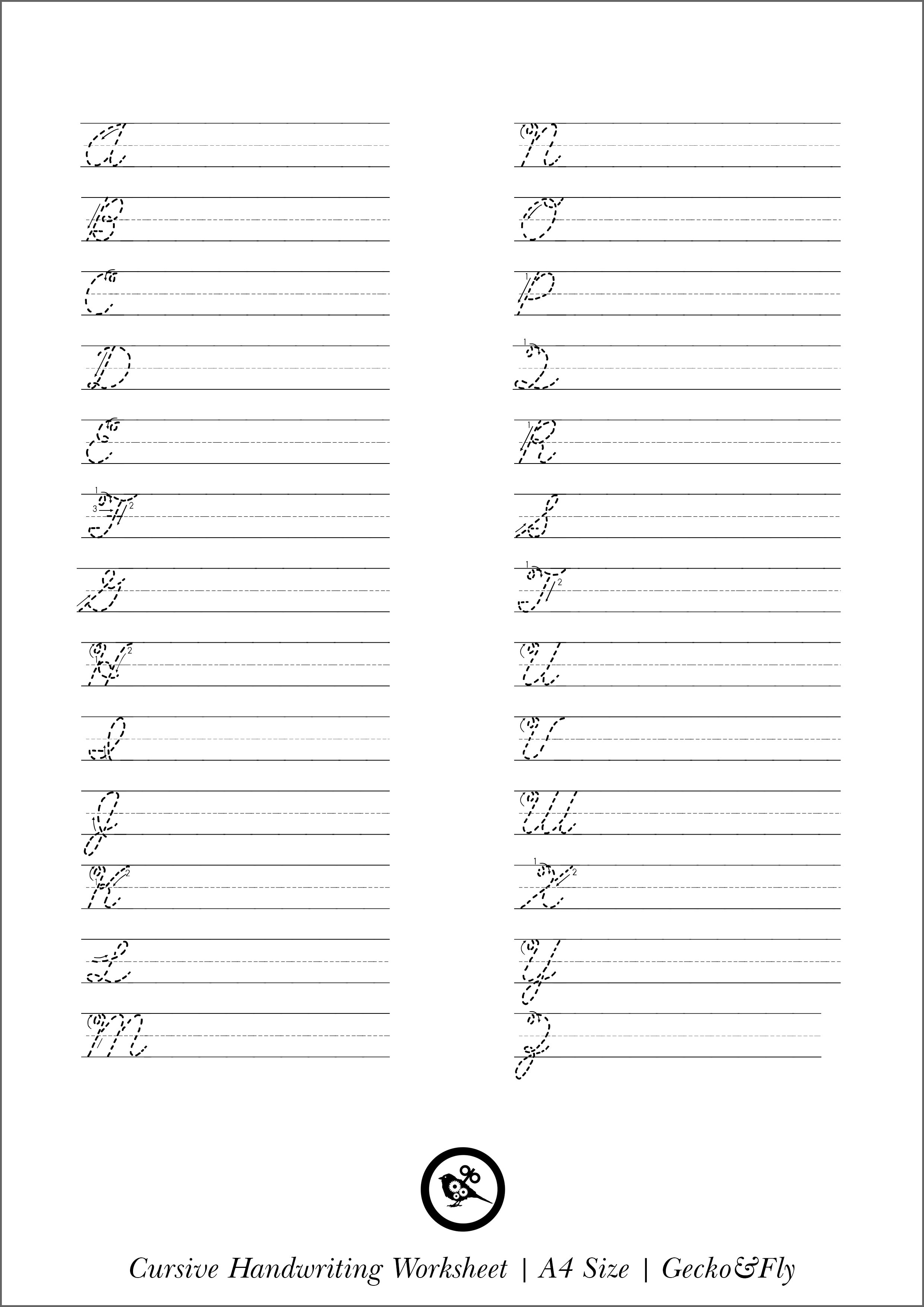
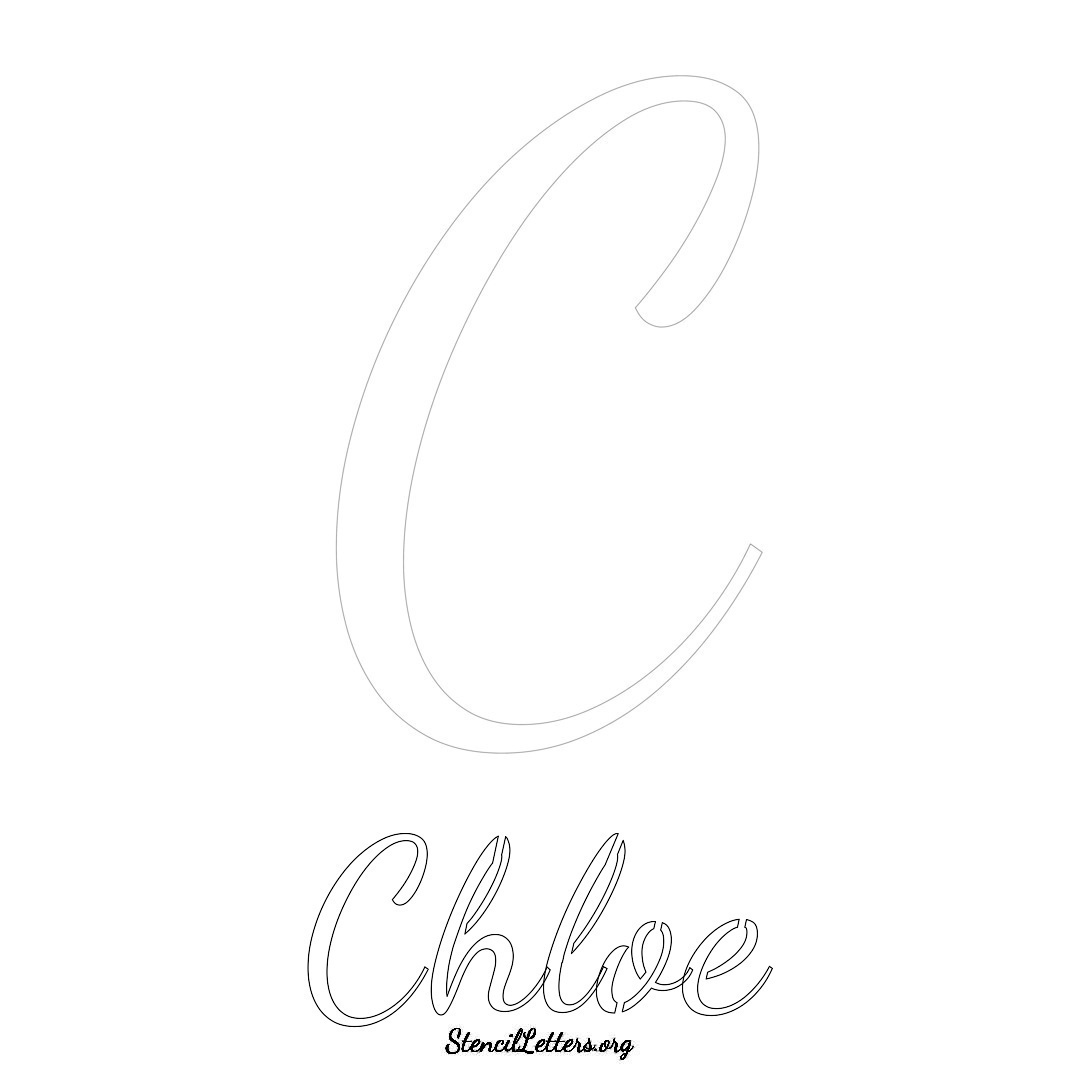
This specialized resource focuses on fluid letter formation, consistent slant, and proper joining strokes unique to cursive scripts. Unlike standard manuscript printing, cursive relies heavily on continuous motion, minimizing the need to lift the writing utensil between strokes. The specific layout guides young learners through tracing individual letter forms before transitioning to connected letter combinations within the target name. Children practice regulating hand pressure while executing the smooth, flowing arcs required for uppercase and lowercase letter integration. Exploring these movements supports foundational fine motor control, which pairs wonderfully with additional practice found throughout Letter Writing Worksheets. Hand placement, paper angle, and postural stability all play vital roles as learners navigate these connected pathways, ensuring that muscle memory develops correctly from the very first stroke.
Key Learning Outcomes
Targeted execution of this cursive practice sheet yields measurable improvements in fine motor precision and spatial awareness across the page. According to the American Occupational Therapy Association, foundational handwriting tasks directly enhance neural pathways responsible for visual-spatial organization and self-regulation. Learners build the exact finger dexterity and intrinsic muscle strength needed to maintain a functional pencil grasp over extended writing periods. Beyond muscle conditioning, successful completion of these connected letter sequences fosters a deep sense of accomplishment and visual confidence. Children learn to anticipate where each stroke leads, promoting superior hand-eye coordination that benefits academic tasks far beyond the writing table. For broader foundational skill-building before advancing to cursive, educators often incorporate resources from Preschool Worksheets to solidify early pencil control.
How to Use This Worksheet
Integrating this printable into a daily or weekly routine requires a thoughtful, pressure-free approach that prioritizes quality over sheer quantity. Adults should begin by demonstrating the correct pencil grip and showing how the non-dominant hand stabilizes the paper at a comfortable slant. Here’s what makes this worksheet different: it emphasizes the rhythm of the stroke rather than rigid perfection, encouraging children to trace slowly before attempting independent execution. Allowing young writers to use colorful markers or thick pencils can also increase sensory feedback, making the physical act of writing more memorable. Educators find that breaking sessions into short, five-minute intervals prevents hand fatigue and keeps frustration levels low. Once learners master these specific character-based cursive flows, branching out to broader resources like Worksheets helps reinforce overall literacy milestones.
Practical Tips for Parents and Teachers
Environmental setup significantly influences a child’s handwriting posture and endurance during structured writing practice. Ensuring the chair and desk match the child’s height allows both feet to rest flat on the floor, providing a stable base of support for core muscles. Slanting the paper to match the natural angle of the child’s writing hand reduces awkward wrist deviations and promotes a smoother cursive flow. Observation reveals that when children lean too heavily over their paper, their grip tightens excessively, obstructing their view of the letter progression. Encouraging frequent hand-shaking breaks and gentle finger stretches keeps the hand muscles relaxed and receptive to new motor learning.
Age-Appropriate Recommendations
Introducing cursive writing typically aligns with third-grade developmental milestones, roughly around eight years of age, when fine motor stamina is sufficiently mature. According to the National Association for the Education of Young Children, developmentally appropriate practice emphasizes readiness skills such as consistent stroke pressure and established hand dominance before advancing to complex cursive connections. Expecting children to master connected writing too early can lead to poor motor habits and hand cramping. Educators should assess whether the learner has achieved reliable manuscript legibility before introducing the specialized loops and slants of cursive scripts.
Proficiency in connected cursive writing correlates with enhanced spelling retention and composition fluency in upper elementary grades. — National Center for Learning Disabilities
Frequently Asked Questions
How can this worksheet be accessed and printed for home or classroom use? Parents and educators can easily download the digital file as a standard PDF and print it on regular letter-sized paper using any home or school printer. Does this resource actively support fine motor development? Yes, tracing and executing connected cursive strokes strengthens the intrinsic muscles of the hand and refines visual-motor integration. What organizational standards guide the implementation of cursive instruction? According to the Common Core State Standards Initiative under standard L.3.2, children benefit greatly from instruction in writing legible cursive text to support overall communication skills.
Explore More Free Printable Worksheets
Expanding a child’s writing repertoire opens up exciting avenues for creative expression and academic success. Integrating varied exercises ensures that fine motor development remains a dynamic and engaging process throughout early childhood. Discover additional targeted writing practice by visiting Name Practice Worksheets to personalize learning experiences for every child.
Developmental Milestone & Activity Table
| Development Stage | Recommended Daily Duration | Primary Learning Objective |
|---|---|---|
| Preschool & Pre-K | 10 – 15 Minutes | Pencil grip development & basic pre-stroke lines |
| Kindergarten | 15 – 20 Minutes | Letter/number formation & spatial line awareness |
| Early Elementary (Grade 1–2) | 20 – 30 Minutes | Fluency, sentence construction & neatness |
Images References