Introduction
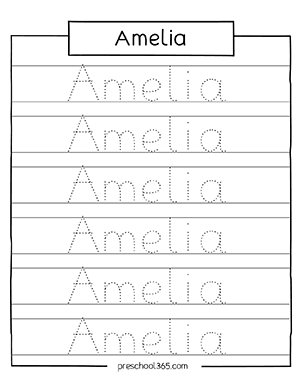
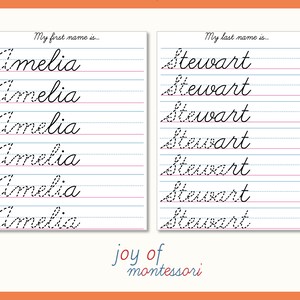
Learning to write one’s own name is a profound milestone in early childhood. Transitioning that name into graceful, flowing loops adds an extra layer of pride and accomplishment. The free printable worksheet for how to write amelia in cursive introduces young learners to the fluid art of connected letterforms. Mastery of cursive handwriting requires distinct physical and cognitive skills that differ significantly from print. Children often lean over the page with fierce concentration, gripping pencils tightly as they navigate tricky diagonal connectors. Providing structured guides helps alleviate frustration during this intricate learning phase. Building familiarity with personalized cursive fosters confidence across broader writing tasks. Exploring resources like Name Practice Worksheets gives developing hands targeted opportunities to refine these essential movements daily.
💡 Educational Key Takeaways:
- Core Skill: Structured How To Write Amelia In Cursive focused on developing pencil grip, stroke control, and early literacy/math confidence.
- Target Scope: Suited for homeschoolers, preschool, kindergarten, and elementary learners.
- Best Recommendation: Practice 10–15 minutes daily with ergonomic writing tools to reinforce muscle memory without hand fatigue.
What This Worksheet Covers
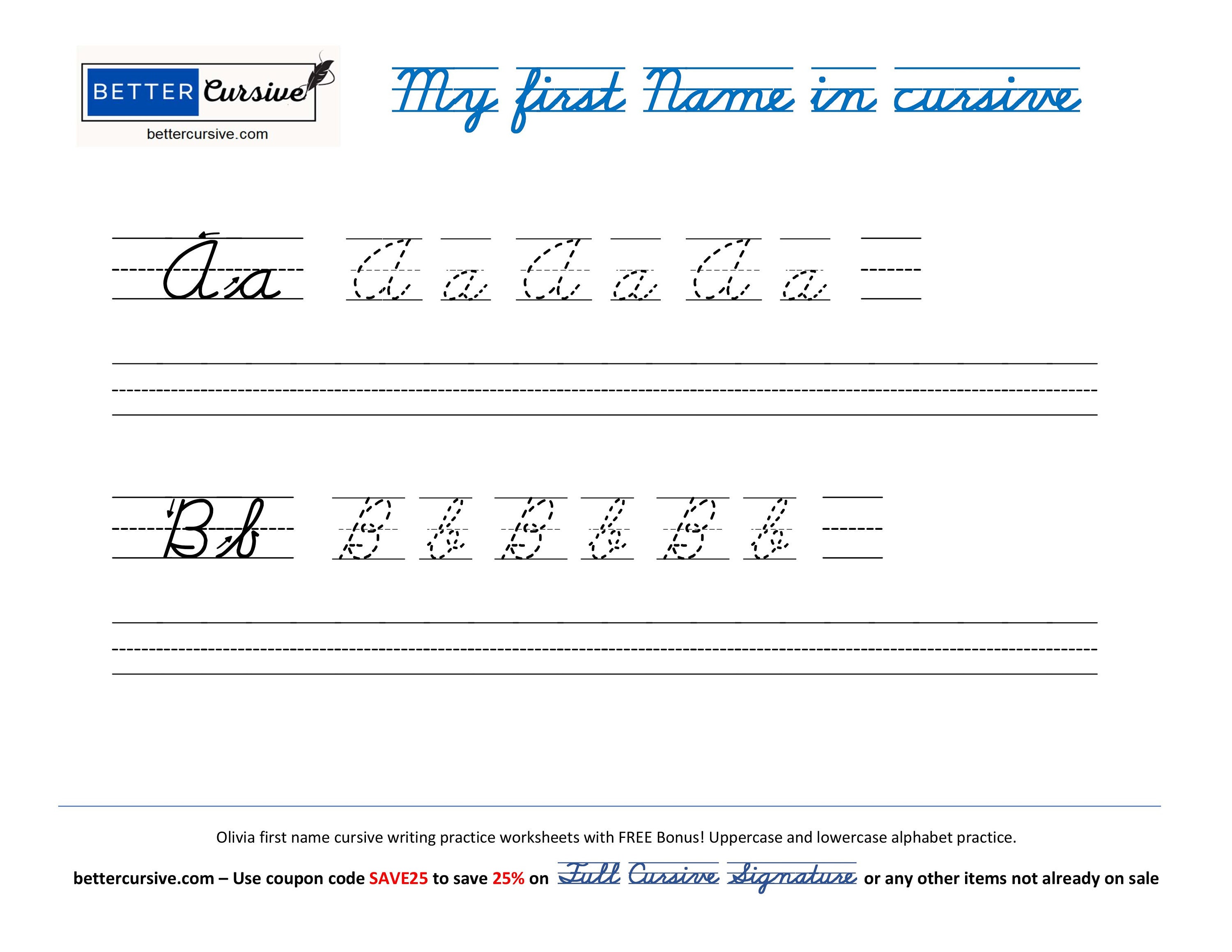
The layout focuses intently on letter sequencing, structural formation, and maintaining consistent spacing within a personalized moniker. Moving from the capital ‘A’ down through the lower-case ‘m’, ‘e’, ‘l’, ‘i’, and ‘a’ demands precise control over pencil pressure and directional changes. It sounds simple, and that’s the point: repetition builds muscle memory. Occupational therapists frequently observe children struggling not with creativity, but with the physical endurance required to complete multi-letter words smoothly. This dedicated layout breaks down the sequence so the hand understands the rhythm before building speed. Connecting letters means managing continuous flow rather than lifting the writing utensil repeatedly. According to the American Occupational Therapy Association, foundational fine motor competence directly supports academic participation and self-regulation in early learners.
Key Learning Outcomes
Targeted execution of this specific name sheet strengthens several interconnected domains simultaneously. Children develop enhanced hand-eye coordination by visually tracking the dotted directional paths across the page. Letter sequencing improves as learners connect individual graphemes into a cohesive, recognizable identity. Furthermore, spatial awareness blossoms naturally as students learn where to anchor ascenders and descenders on standard primary lines. Daily engagement with structured Letter Writing Worksheets reinforces these structural habits beyond a single name template. Children begin noticing letter proportions everywhere, translating fine motor control into improved overall legibility.
How to Use This Worksheet
Begin by reviewing the correct pencil grasp before any marks touch the paper. An efficient tripod grasp ensures fingers have the necessary mobility to execute cursive loops without triggering hand fatigue. Invite the child to trace the faded model with a finger first, feeling the physical topography of the cursive strokes. Next, pick up a writing tool and complete the top row slowly, prioritizing accuracy over speed. Adults should encourage a relaxed posture with feet flat on the floor to promote core stability during writing tasks. Integrating varied materials, such as colored pencils or scented markers, keeps engagement high during practice sessions. Broader educational toolkits, including Preschool Worksheets, offer complementary foundational activities for younger siblings or mixed-age settings.
Practical Tips for Parents and Teachers
Classroom observations reveal that children frequently press too hard when attempting unfamiliar loops, causing the paper to wrinkle and hands to cramp. Remind learners to glide softly across the page like an ice skater on fresh ice. Breaking practice down into short, five-minute intervals yields better results than marathon writing sessions. Celebrating small victories, such as a beautifully executed connector between the ‘m’ and the ‘e’, fuels intrinsic motivation. If a child shows signs of physical tension or frustration, pause the activity and incorporate simple hand stretches or wall push-ups to reset muscle tone. Providing positive, specific feedback builds emotional resilience alongside physical dexterity.
Age-Appropriate Recommendations
Introducing cursive typically aligns with second grade under standard educational frameworks, though advanced kindergarteners or first graders with strong fine motor skills may explore modified versions. According to the National Association for the Education of Young Children guidelines on developmentally appropriate practice, learning experiences should match the physical and cognitive readiness of the child. Pushing cursive too early can cause unnecessary frustration if intrinsic hand arches are still developing. Conversely, waiting until older elementary years allows students to leverage established print literacy while mastering the fluid mechanics of connected script. Utilizing resources found within broader Worksheets categories ensures educators can scale difficulty levels appropriately.
Foundational fine motor control and spatial organization are recognized by pediatric developmental specialists as critical precursors to fluent, legible cursive handwriting in early elementary classrooms. — American Occupational Therapy Association
Frequently Asked Questions
Explore More Free Printable Worksheets
Expanding a child’s handwriting journey requires access to a diverse library of scaffolded practice materials. Beyond individual name mastery, young writers benefit from exploring introductory stroke patterns and directional controls found on specialized Tracing Worksheets. Pairing script practice with creative coloring activities available through Coloring Worksheets builds essential intrinsic hand strength in an engaging, low-pressure format. Consistent, varied practice sets the stage for a lifetime of confident, legible written expression.
Developmental Milestone & Activity Table
| Development Stage | Recommended Daily Duration | Primary Learning Objective |
|---|---|---|
| Preschool & Pre-K | 10 – 15 Minutes | Pencil grip development & basic pre-stroke lines |
| Kindergarten | 15 – 20 Minutes | Letter/number formation & spatial line awareness |
| Early Elementary (Grade 1–2) | 20 – 30 Minutes | Fluency, sentence construction & neatness |
Images References