Introduction
Guiding young children through the journey of early literacy often begins with the most meaningful word they know: their own name. Introducing decorative scripts like calligraphy bridges the gap between rigid block letters and fluid artistic expression, capturing a child’s natural curiosity. The free printable worksheet exploring how do you write isabel in calligraphy transforms ordinary letter practice into an engaging artistic adventure. Children frequently hunch over standard lined paper with frustration, yet introducing a graceful script invites them to slow down, observe stroke variations, and approach pencil control with renewed enthusiasm in early childhood settings.
💡 Educational Key Takeaways:
- Core Skill: Structured How Do You Write Isabel In Calligraphy focused on developing pencil grip, stroke control, and early literacy/math confidence.
- Target Scope: Suited for homeschoolers, preschool, kindergarten, and elementary learners.
- Best Recommendation: Practice 10–15 minutes daily with ergonomic writing tools to reinforce muscle memory without hand fatigue.
What This Worksheet Covers
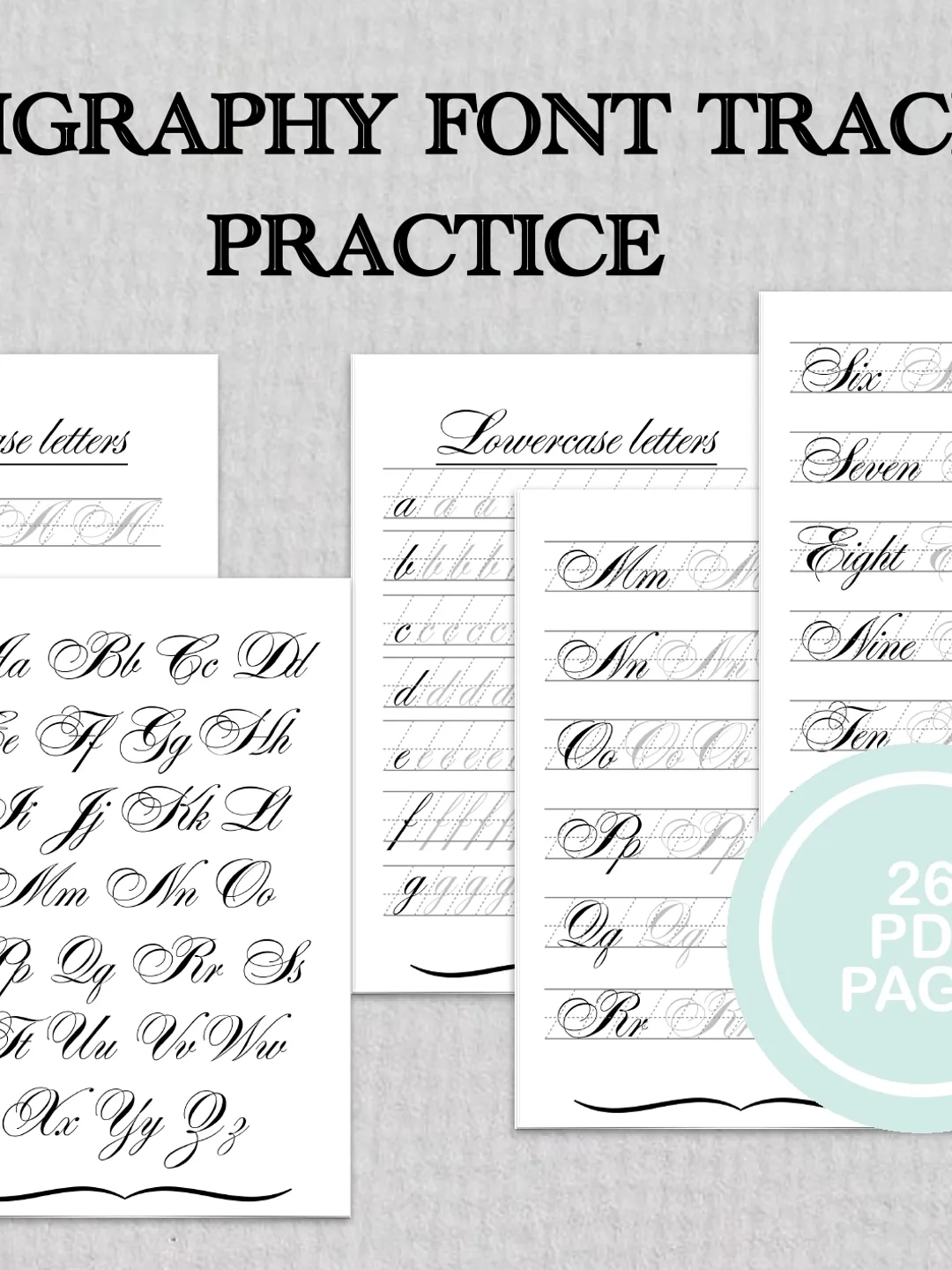
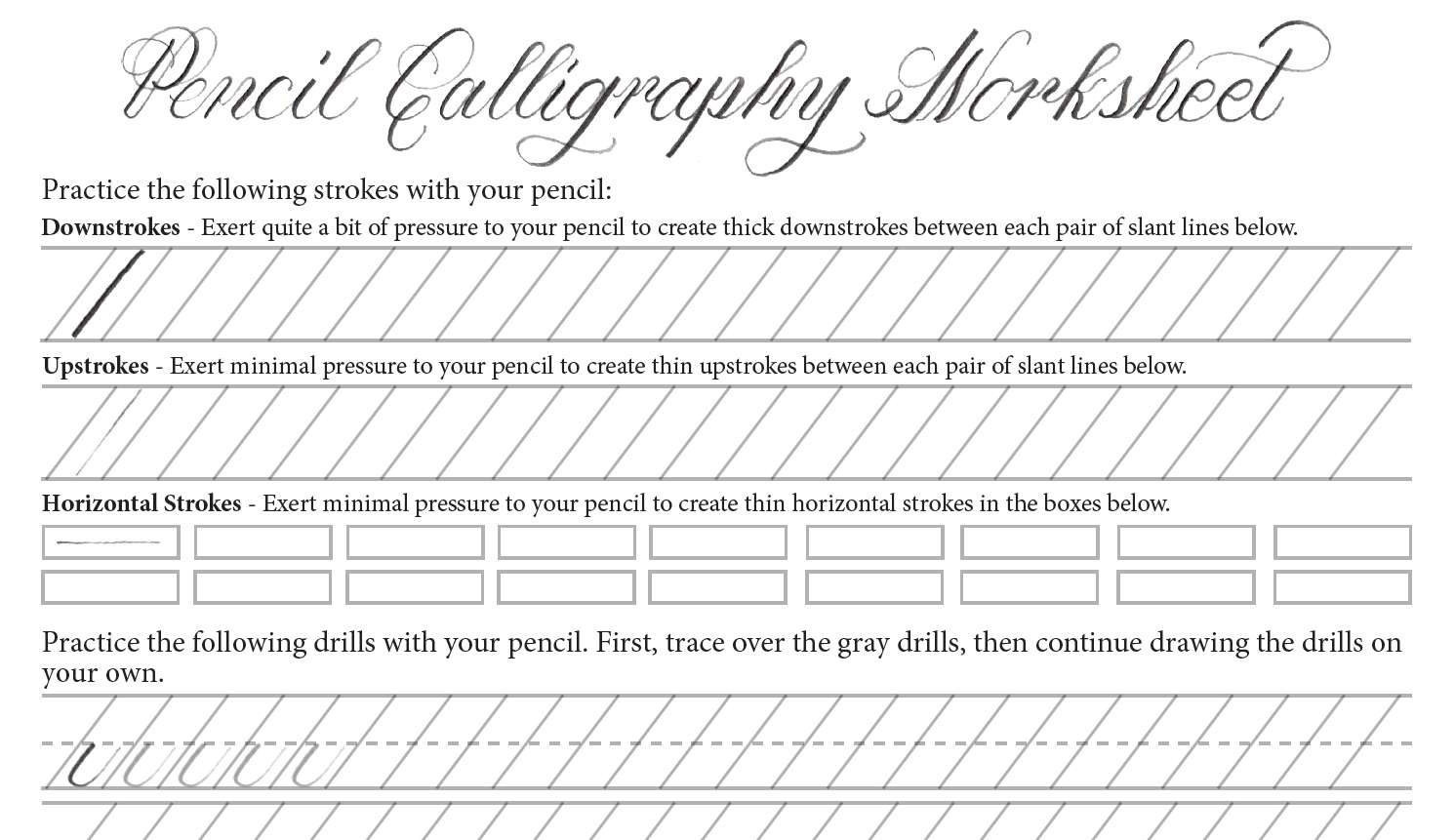
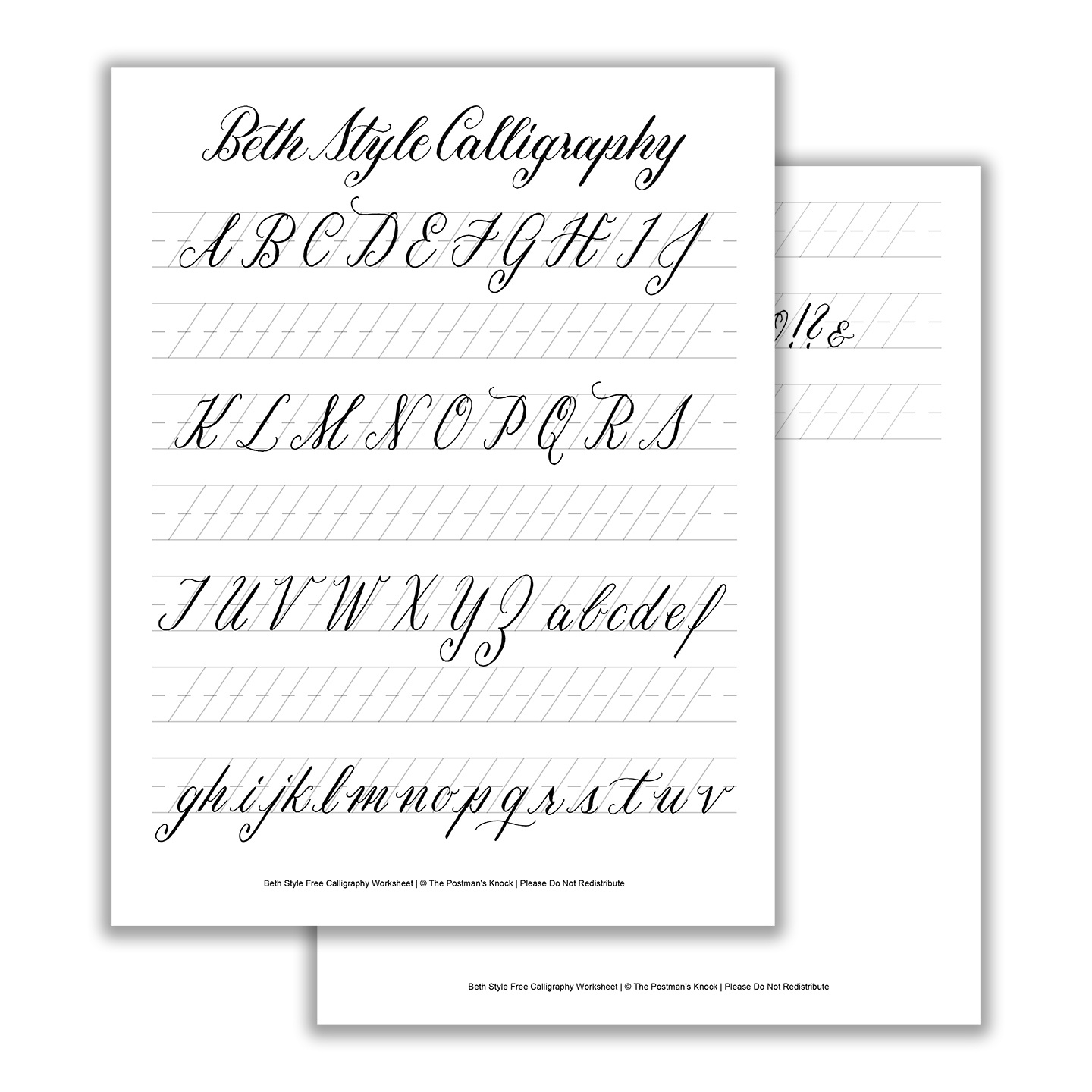
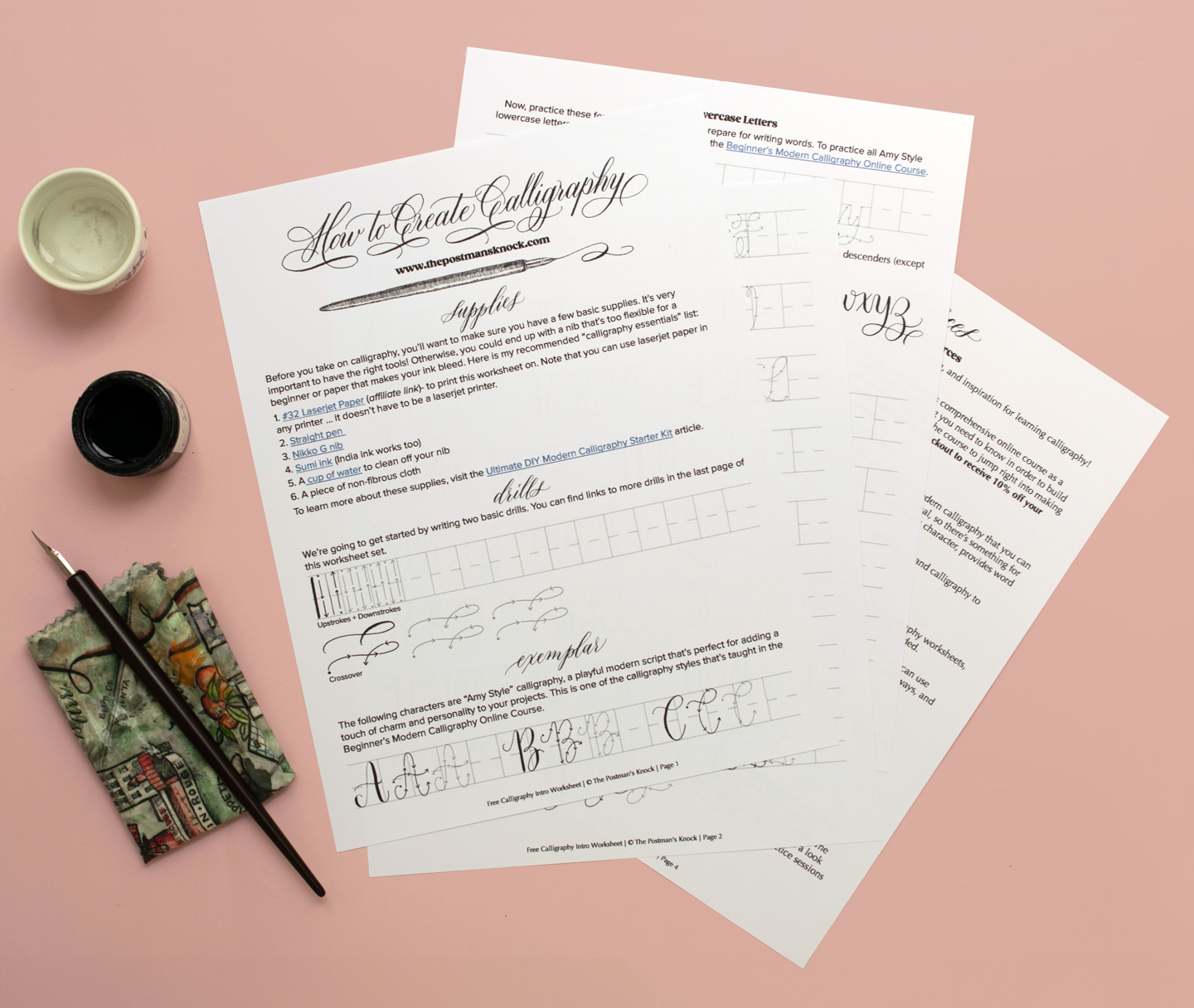
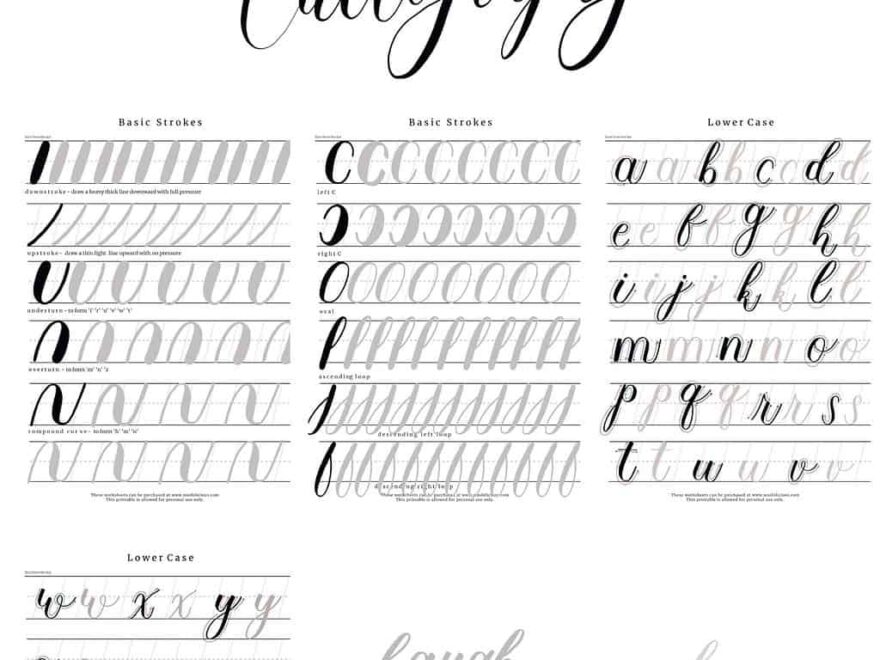
Mastering a customized name template requires deliberate control over upstrokes and downstrokes, laying the physical groundwork for fluid handwriting mechanics. This specific resource breaks down the graceful loops of a capital ‘I’ and the rhythmic humps of lowercase letters into manageable visual segments. Developing this level of dexterity relates closely to broader objectives found within Name Practice Worksheets, where children anchor their developing identity to paper. Instead of rushing through mindless repetition, learners examine how pressure variation creates thick and thin lines, fostering an intrinsic understanding of spatial awareness and sequential letter formation.
Key Learning Outcomes
Targeted execution of decorative letterforms builds intrinsic confidence alongside essential fine motor precision. According to the American Occupational Therapy Association, mature pencil grasps rely upon the dynamic stability of the thumb, index, and middle fingers working in concert with a stable wrist. Working through specialized Tracing Worksheets directly reinforces this intrinsic muscle coordination. Learners strengthen their visual-motor integration as they steer pencils along continuous, flowing paths rather than stopping and lifting tools after every single stroke.
How to Use This Worksheet
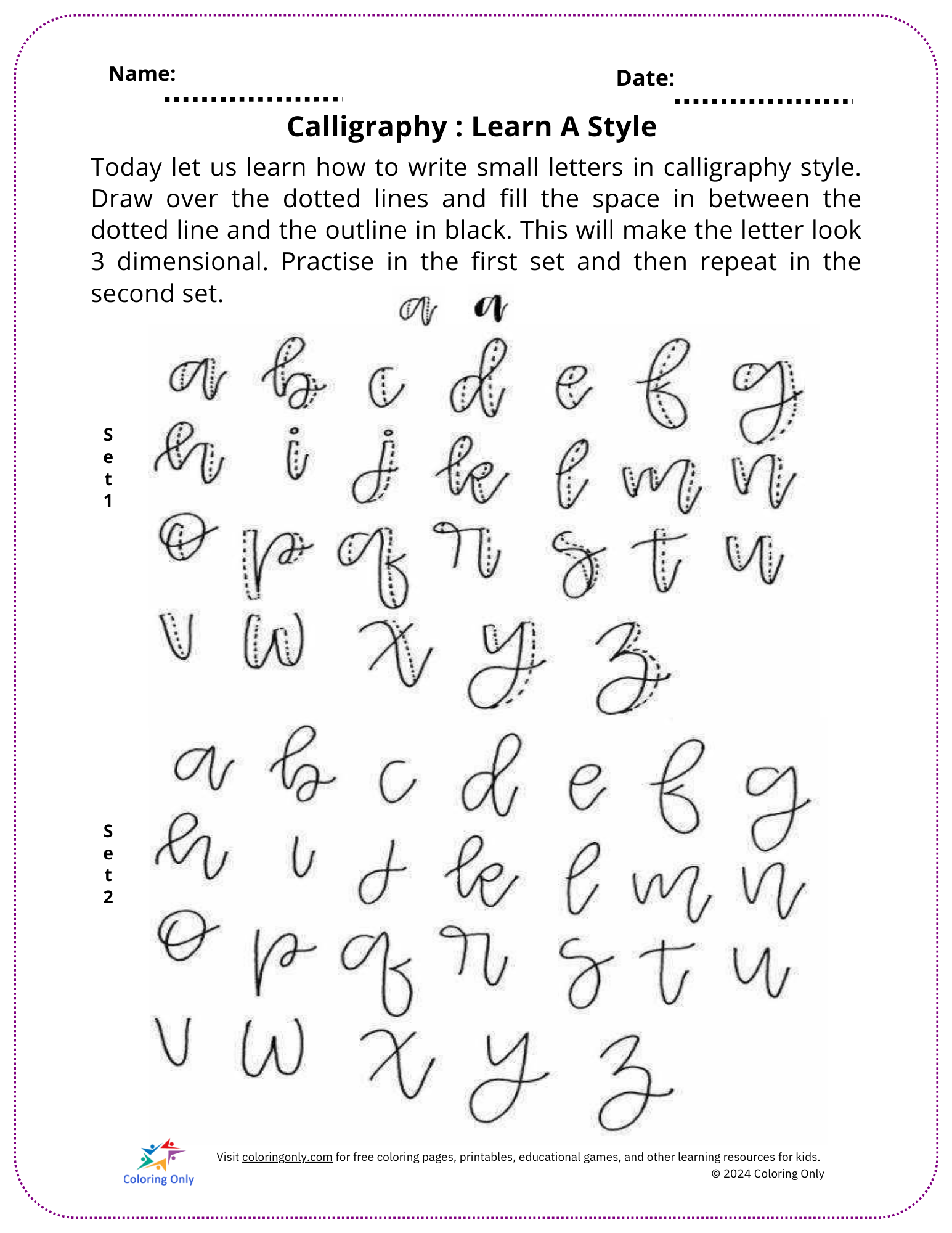
Successful implementation requires starting with thick primary pencils or non-toxic gel pens that respond well to variable child-led pressure. Educators should encourage learners to trace the faded model lines multiple times using different colors, transforming repetitive drills into a sensory art project. It sounds simple, and that is the exact point of early decorative letter immersion. When children treat letter construction as a creative drawing task, performance anxiety decreases and physical endurance naturally improves across longer writing sessions.
Practical Tips for Parents and Teachers
Observing children at writing tables reveals that vertical surfaces often correct awkward wrist wraps far better than flat desks. Taping the sheet to an upright easel forces natural wrist extension, which protects developing hand joints and promotes proper finger positioning. Adults should model the slow, deliberate rhythm of calligraphy rather than rushing the process. Integrating these pages alongside broader educational tools found across general Worksheets ensures children experience a balanced routine combining standard print and creative lettering.
Age-Appropriate Recommendations
Navigating ornamental scripts demands distinct developmental milestones aligned with standard educational frameworks. According to the National Association for the Education of Young Children guidelines on developmentally appropriate practice, kindergarteners thrive when tactile exploration matches their emerging perceptual-motor abilities. Introducing cursive and calligraphy elements too early causes physical fatigue, making this specific activity best suited for older kindergartners and early elementary students aged six through eight who already possess foundational pencil control.
According to the American Occupational Therapy Association, purposeful fine motor activities embedded in meaningful daily contexts yield significantly higher engagement and skill retention among young children. — AOTA Practice Guidelines
Frequently Asked Questions
Common inquiries regarding decorative handwriting templates often focus on printing specifications, developmental readiness, and mechanical support strategies for struggling learners.
Explore More Free Printable Worksheets
Expanding a child’s handwriting toolkit requires continuous access to diverse materials that target different grip strengths and visual-motor challenges. Exploring comprehensive collections such as Letter Writing Worksheets provides infinite opportunities for mastering standard alphabetic sequences. Pairing those resources with playful Preschool Worksheets ensures younger siblings or classroom peers build foundational hand strength safely and creatively.
Developmental Milestone & Activity Table
| Development Stage | Recommended Daily Duration | Primary Learning Objective |
|---|---|---|
| Preschool & Pre-K | 10 – 15 Minutes | Pencil grip development & basic pre-stroke lines |
| Kindergarten | 15 – 20 Minutes | Letter/number formation & spatial line awareness |
| Early Elementary (Grade 1–2) | 20 – 30 Minutes | Fluency, sentence construction & neatness |
Images References