Introduction
Developing legible handwriting requires a complex integration of visual-motor coordination, postural stability, and precise hand control that evolves over several years. Long before young children form recognizable letters, foundational movements lay the groundwork for lifelong literacy and communication skills. Many adults remember endless rows of repetitive dotted lines, but modern early childhood instruction approaches penmanship through purposeful, developmentally appropriate stages. Careful observation reveals that children often squeeze pencils with white knuckles when asked to write prematurely, signaling a mismatch between task demands and physical readiness. Free penmanship worksheets bridge this gap by offering structured practice that respects the natural arc of motor skill development. Educators and parents seek reliable tools that transform abstract strokes into meaningful writing experiences without inducing frustration or hand fatigue. Grounded instruction prioritizes quality of movement over sheer quantity of completed pages, fostering confidence along with coordination.
💡 Educational Key Takeaways:
- Core Skill: Structured Penmanship Worksheets focused on developing pencil grip, stroke control, and early literacy/math confidence.
- Target Scope: Suited for homeschoolers, preschool, kindergarten, and elementary learners.
- Best Recommendation: Practice 10–15 minutes daily with ergonomic writing tools to reinforce muscle memory without hand fatigue.
What This Worksheet Covers
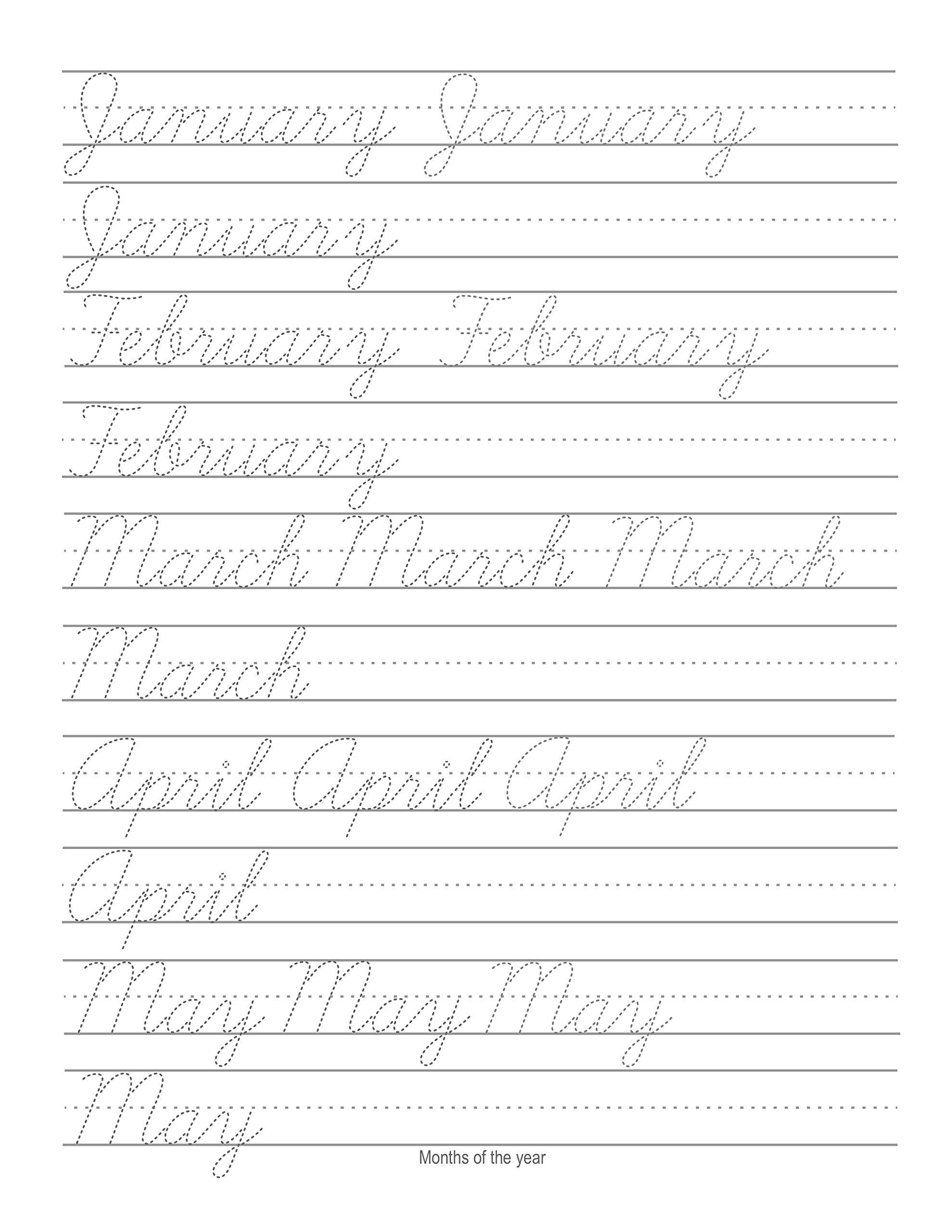
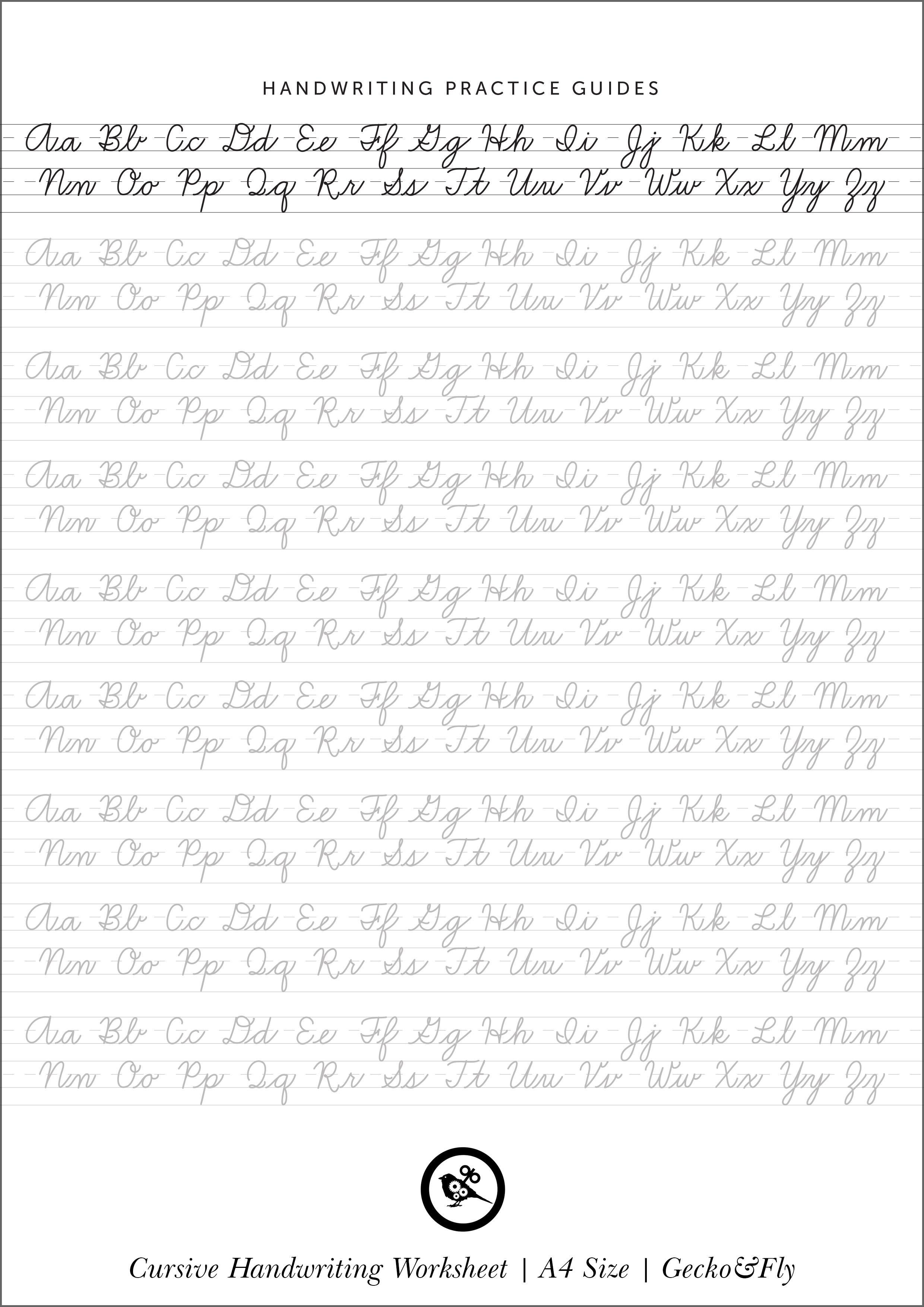
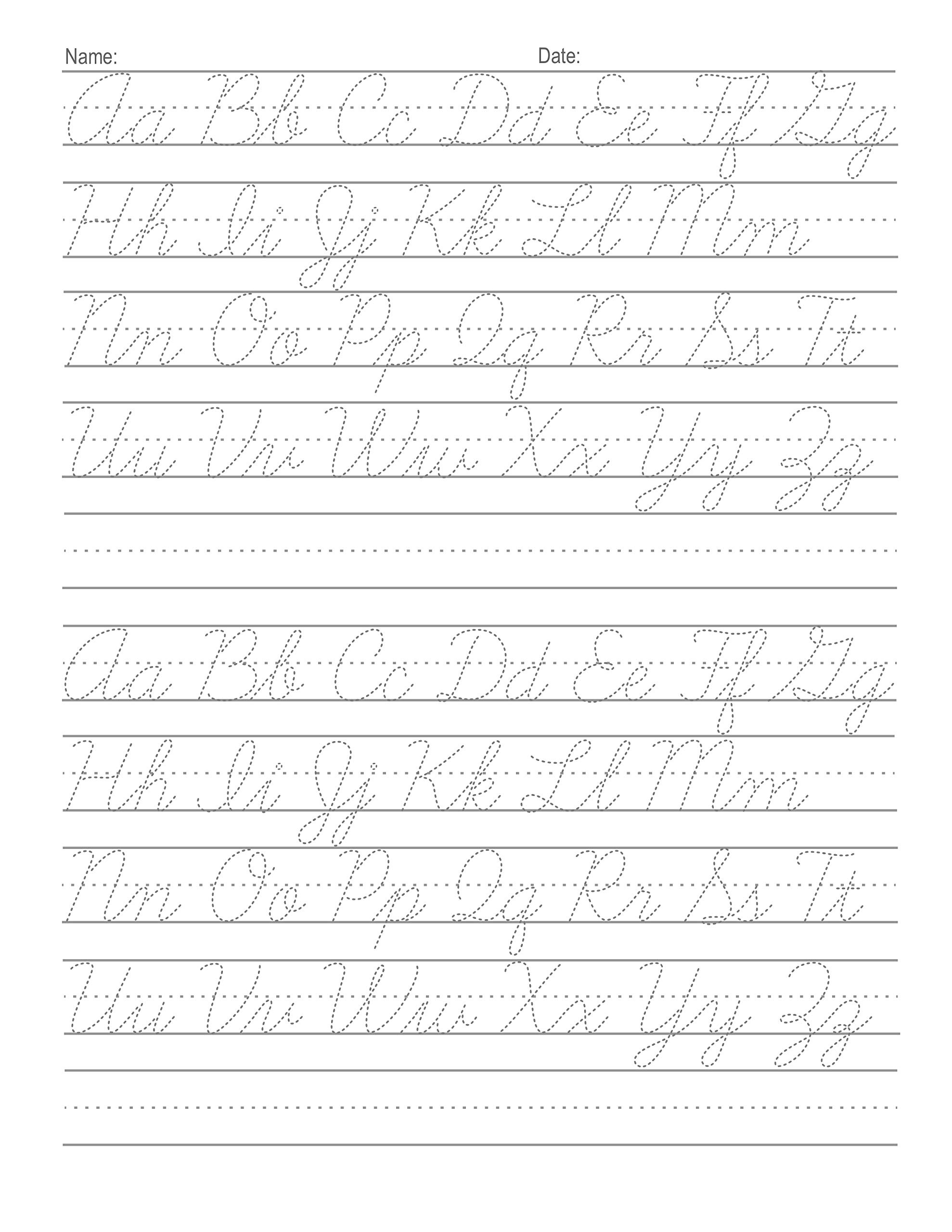
Targeting letter formation, stroke order, and spatial orientation, this specific penmanship resource guides learners through the mechanics of clean, legible writing. It sounds simple, and that’s the point: mastering vertical, horizontal, and diagonal lines before attempting complex loops prevents the formation of poor habits. According to Reading Rockets, children benefit immensely from explicit, systematic instruction in letter formation coupled with phonics exploration. Letter writing resources must therefore balance mechanical repetition with cognitive engagement so learners understand the purpose behind every stroke. Here’s what makes this worksheet different: it breaks down alphabet mastery into manageable visual segments, reducing cognitive overload for early writers.
Key Learning Outcomes
Consistent interaction with these structured pages yields measurable improvements in pencil grip, line accuracy, and spatial awareness across the writing surface. Children learn to anchor their paper with a supporting hand while the dominant hand executes controlled, fluid movements from top to bottom and left to right. This progression directly supports broader academic goals found within Letter Writing Worksheets, where letter forms transition into functional words and sentences. Educators frequently observe that children who master these foundational strokes demonstrate significantly greater stamina during extended writing tasks in later elementary grades.
How to Use This Worksheet
Implementation requires more than simply handing a printed page to a child alongside a dull crayon or oversized marker. Adults should first model correct posture, ensuring feet rest flat on the floor and elbows rest comfortably on the working surface. Observing a child’s grasp during the initial lines allows for gentle intervention before incorrect finger placements become deeply ingrained motor patterns. Integrating these pages alongside broader educational themes helps maintain high engagement levels throughout the practice session. Exploring supplementary tools such as Tracing Worksheets further reinforces the pre-writing strokes necessary for precise pen control.
Practical Tips for Parents and Teachers
Short, frequent practice sessions consistently outperform long, exhausting blocks of desk work for young, developing minds and bodies. Limiting sessions to five or ten minutes keeps enthusiasm high and prevents the physical discomfort associated with immature hand muscles. Utilizing alternative writing utensils, such as short golf pencils or broken crayon pieces, naturally encourages a functional tripod grasp by restricting improper finger crowding. Environmental adjustments, such as slanting the writing surface on a three-ring binder, leverage gravity to ease hand fatigue during extended tracing and writing activities.
Age-Appropriate Recommendations
Aligning expectations with physical milestones prevents undue stress for children aged two through eight navigating early literacy milestones. According to the National Association for the Education of Young Children (NAEYC) guidelines on Developmentally Appropriate Practice, early writing instruction must honor individual variations in fine motor readiness rather than enforcing rigid age-based timelines. Two-year-olds typically experiment with whole-arm scribbles, whereas five-year-olds refine finger movements to form recognizable letters and baseline alignments. For comprehensive practice spanning multiple developmental domains, educators often pair these penmanship activities with Preschool Worksheets to ensure holistic skill acquisition.
Explicit instruction in handwriting and letter formation significantly improves both the speed and legibility of student writing across elementary grade levels. — Reading Rockets
Frequently Asked Questions
Caregivers often wonder about the best ways to integrate printable resources into daily routines without overwhelming young learners. Clear answers to common logistical and pedagogical questions ensure these materials are utilized effectively both inside and outside the formal classroom environment.
Explore More Free Printable Worksheets
Expanding a child’s collection of learning materials opens doors to sustained academic growth and enthusiastic independent practice. Educators and parents can discover a diverse array of supplementary resources by visiting the central repository of Worksheets designed specifically to support foundational literacy and motor control.
Developmental Milestone & Activity Table
| Development Stage | Recommended Daily Duration | Primary Learning Objective |
|---|---|---|
| Preschool & Pre-K | 10 – 15 Minutes | Pencil grip development & basic pre-stroke lines |
| Kindergarten | 15 – 20 Minutes | Letter/number formation & spatial line awareness |
| Early Elementary (Grade 1–2) | 20 – 30 Minutes | Fluency, sentence construction & neatness |
Images References