Introduction
Mastering ethan in cursice hand writen requires precise fine-motor sequencing, fluid stroke continuity, and systematic cognitive mapping of lowercase and uppercase connections. According to the American Occupational Therapy Association (AOTA), fluid handwriting execution relies heavily on integrated sensory-motor processing and consistent postural stability during early literacy instruction. Educational specialists utilize targeted name practice worksheets to accelerate cursive muscle memory for personalized proper nouns. Integrating dedicated cursive name models fosters immediate letter-to-letter connectivity while refining spatial awareness on traditional ruled paper. Early educators and homeschool instructors leverage these structured letter formations to bridge the transition from disjointed manuscript printing to efficient, connected script styles.
Handwriting Practice Snapshot:
- Core Focus: Cursive stroke sequencing and continuous fluid connection for the proper noun Ethan.
- Target Scope: Early elementary students, remediation learners, and homeschool penmanship development.
- Key Recommendation: Enforce uniform slant angles and continuous pencil contact during the transition from the capital ‘E’ to lowercase ‘t’.
Core Principles and Detailed Overview
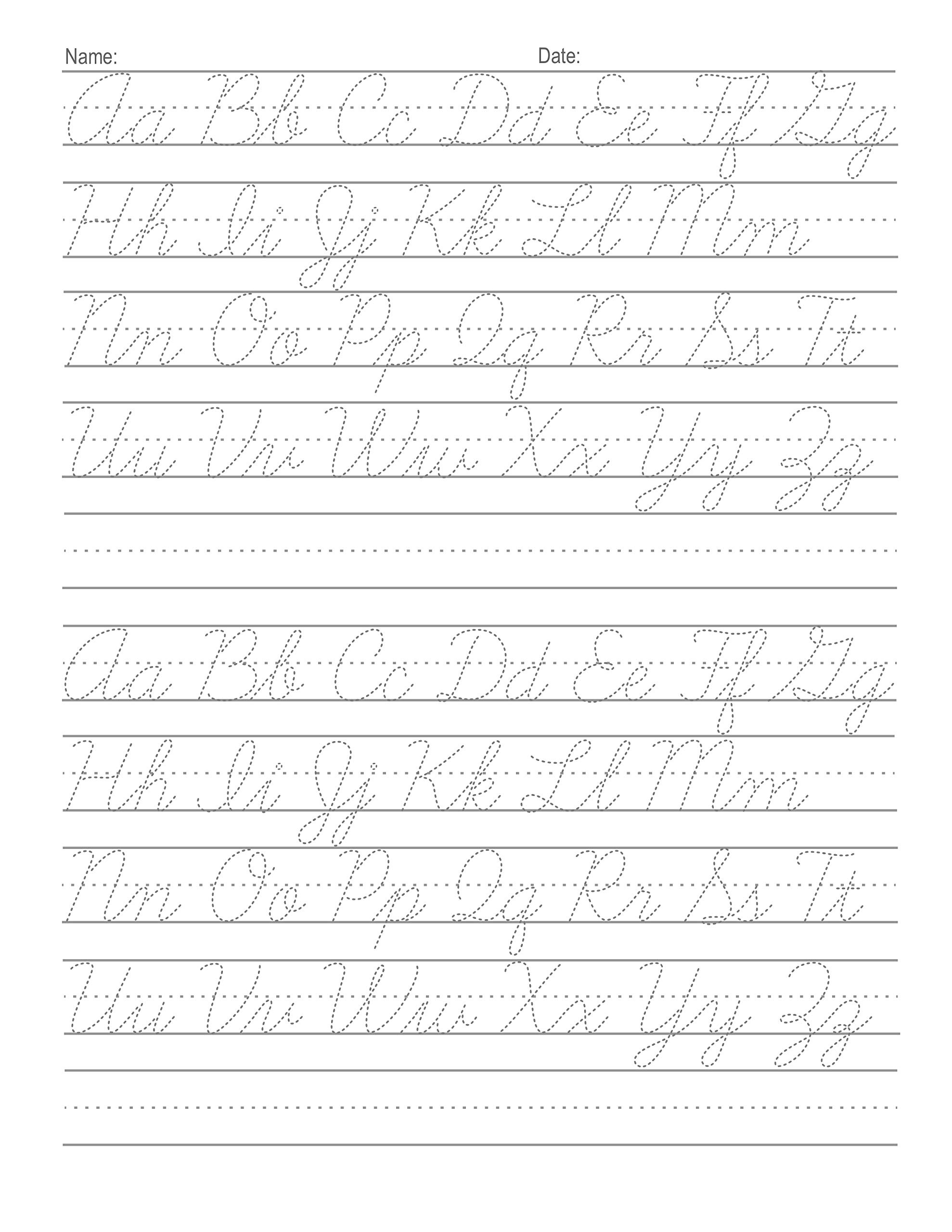
Executing ethan in cursice hand writen depends upon maintaining consistent baseline alignment, proper loop sizing, and correct exit strokes for every single letter component. The capital letter ‘E’ begins with a curved top loop that descends into a lower loop resting squarely on the baseline, flowing seamlessly into the entry stroke of the lowercase ‘t’. Following the intermediate letters ‘h’ and ‘a’, the final cursive ‘n’ requires identical entrance and exit humps to prevent crowding or structural collapse. Educators often pair foundational script drills with specialized letter writing worksheets to isolate individual glyph difficulties before assembling the complete name string. Proper pencil grip and paper tilt remain foundational to achieving the standard thirty-degree forward slant characteristic of legible cursive writing.
Key Specifications and Breakdown
| Skill Level / Grade | Target Stroke / Mechanical Focus | Pedagogical / Coaching Cue |
|---|---|---|
| Kindergarten / 1st Grade | Pencil grip, baseline stability, and basic pre-cursive curved strokes. | “Keep the pencil moving without lifting between loops.” |
| 2nd Grade / 3rd Grade | Connecting capital ‘E’ to lowercase ‘t’ with consistent slant angles. | “Glide smoothly from the capital bow right into the tall stem.” |
| Remediation / Special Ed | Spacing correction, letter height uniformity, and exit stroke control. | “Check your baseline and ensure the final ‘n’ humps match.” |
Fine-motor control and visual-motor integration are foundational predictors of long-term academic writing fluency and legibility — American Occupational Therapy Association (AOTA)
Step-by-Step Practical Application and Guidelines
Executing ethan in cursice hand writen successfully demands a methodical, step-by-step approach to stroke execution and letter spacing. Begin by anchoring the paper at a comfortable thirty-degree angle and placing the writing utensil at the top curve of the capital ‘E’. Trace the upper loop downward, crossing the baseline to form the lower loop, and sweep upward to initiate the entry connector for the lowercase ‘t’. Ensure the vertical stem of the ‘t’ reaches mid-height before lifting the pencil only to cross the horizontal bar. Flow directly into the climbing stem of the ‘h’, descend to the baseline, and sweep up into the rounded body of the ‘a’. Conclude the sequence with the double-humped lowercase ‘n’, finishing with a clean upward exit flick that aids future letter linking. For learners requiring broader visual support before tackling formal script, supplemental tracing worksheets provide invaluable guided reinforcement.
Common Challenges and How to Avoid Them
Overcoming frequent errors in ethan in cursice hand writen prevents the development of poor muscle memory and illegible handwriting habits. A primary error involves disproportionate letter scaling, where the tall stems of ‘t’ and ‘h’ collapse to match the short height of ‘a’ and ‘n’. Instructors must emphasize distinct zone boundaries, ensuring tall letters reach the mid-to-top guidelines while short letters remain strictly bounded within the baseline and midline. Another common pitfall is lifting the writing instrument between consecutive letters, which destroys the rhythmic fluidity that defines true cursive penmanship. Educators can successfully correct these mechanical issues by incorporating targeted preschool worksheets for baseline control, alongside relaxing coloring worksheets designed to build intrinsic hand muscle endurance.
💬 Frequently Asked Questions
Explore More Free Handwriting and Character Worksheets
Educators, parents, and homeschool instructors seeking additional penmanship materials can access a comprehensive collection of resources directly through CharacterWritingWorksheets.com. Building lifelong handwriting fluency requires consistent daily practice with structured tracing guides, alphabet builders, and customized name templates designed for every developmental stage.
Visual Reference Gallery