Introduction
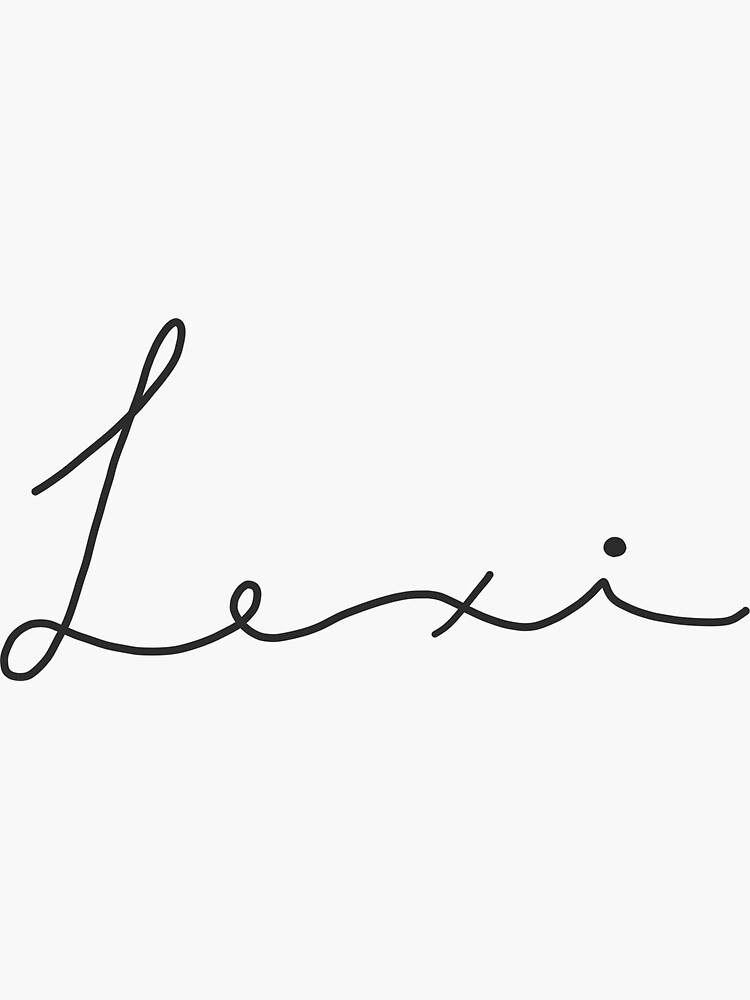
Implementing creative ways to write lexi in cursive bridges fine-motor foundational mechanics with personalized orthographic engagement, transforming rote letter-joining exercises into an artistic and neurological milestone. According to the National Association for the Education of Young Children (NAEYC), multisensory approaches to early literacy and letter formation significantly enhance memory retention and spatial awareness in young learners. Integrating bespoke name practice into cursive instruction leverages the emotional connection children possess toward their own identities, making repetitive stroke sequences deeply meaningful. Educators and parents utilizing structured name practice worksheets find that personalizing letter strings accelerates fluency. Furthermore, advancing beyond basic strokes into fluid cursive connections requires targeted guidance that respects developmental readiness. Integrating these techniques supports proper pencil grip, fluid rhythm, and exact proportional height control across the entire lowercase and uppercase spectrum.
Handwriting Practice Snapshot:
- Core Focus: Applying creative cursive execution techniques specifically to the name ‘Lexi’.
- Target Scope: Early elementary students and homeschoolers mastering fluid letter transitions.
- Key Recommendation: Utilize gradient color-tracing and tactile sensory trays before transitioning to standard paper.
Core Principles and Detailed Overview
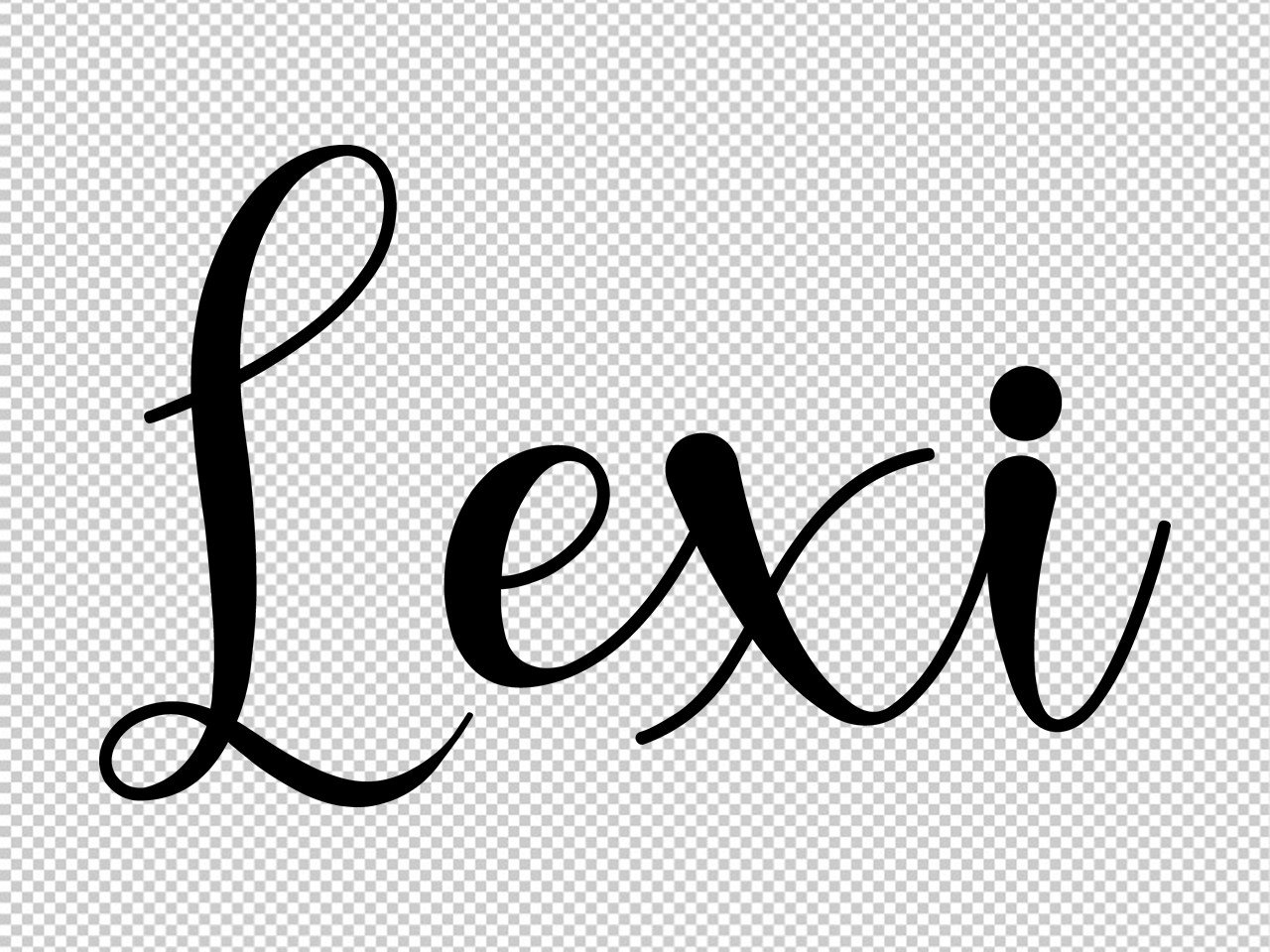
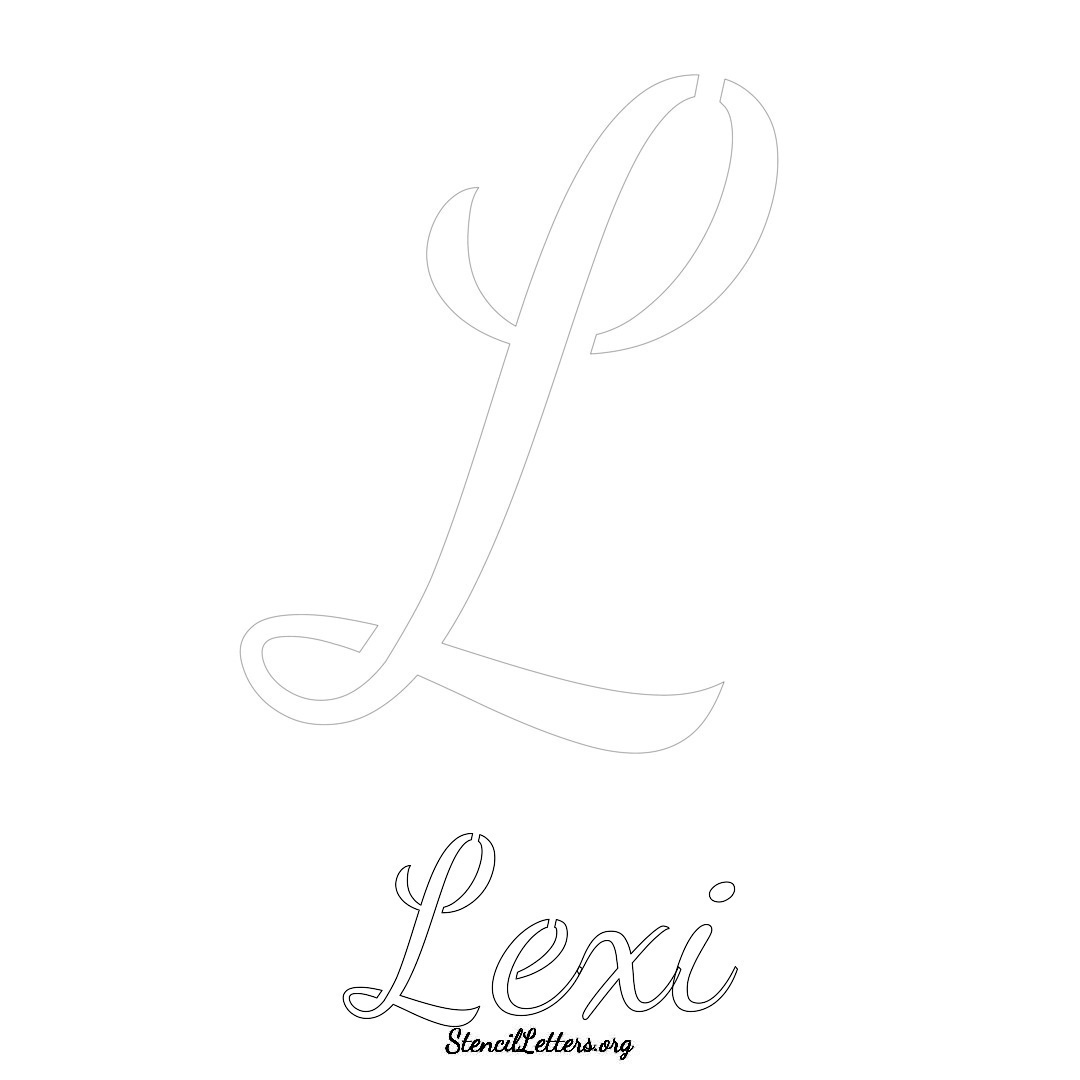
Mastering fluid cursive execution for the name ‘Lexi’ relies on understanding continuous fluid motion, correct exit strokes, and the unique challenges posed by the transition from the uppercase ‘L’ to the lowercase ‘e’, ‘x’, and ‘i’ sequence. Direct answer: The primary mechanical objective involves maintaining an uninterrupted baseline flow while transitioning the compound loop of the uppercase ‘L’ directly into the entry stroke of the lowercase ‘e’. To achieve this, instructors utilize specialized letter writing worksheets that isolate challenging joins. The letter ‘x’ requires precise diagonal cross-strokes without breaking the writing instrument from the paper surface, establishing rigorous fine-motor control. Additionally, dotting the ‘i’ and crossing the ‘x’ must happen only after the continuous baseline word string is completed, reinforcing spatial planning and temporal rhythm. Consistent practice using structured tracing worksheets ensures that muscle memory solidifies the exact slant angle and uniform spacing required for legible cursive penmanship.
Key Specifications and Breakdown
| Skill Level / Grade | Target Stroke / Mechanical Focus | Pedagogical / Coaching Cue |
|---|---|---|
| Early Beginner (Grade 2) | Uppercase ‘L’ loop and exit tail connection | “Touch the top line, swoop wide, and glide smoothly into the lowercase entry.” |
| Intermediate (Grade 3) | Complex diagonal crossing of the letter ‘x’ | “Keep the pencil moving diagonally down, cross cleanly, and transition right into the next baseline.” |
| Advanced (Grade 4+) | Proportional spacing, slant consistency, and dot placement | “Maintain a consistent 55-degree slant; lift the hand only to cross the x and dot the i.” |
Fine-motor control and sequential stroke execution form the neurological foundation of legible cursive writing. — American Occupational Therapy Association (AOTA)
Step-by-Step Practical Application and Guidelines
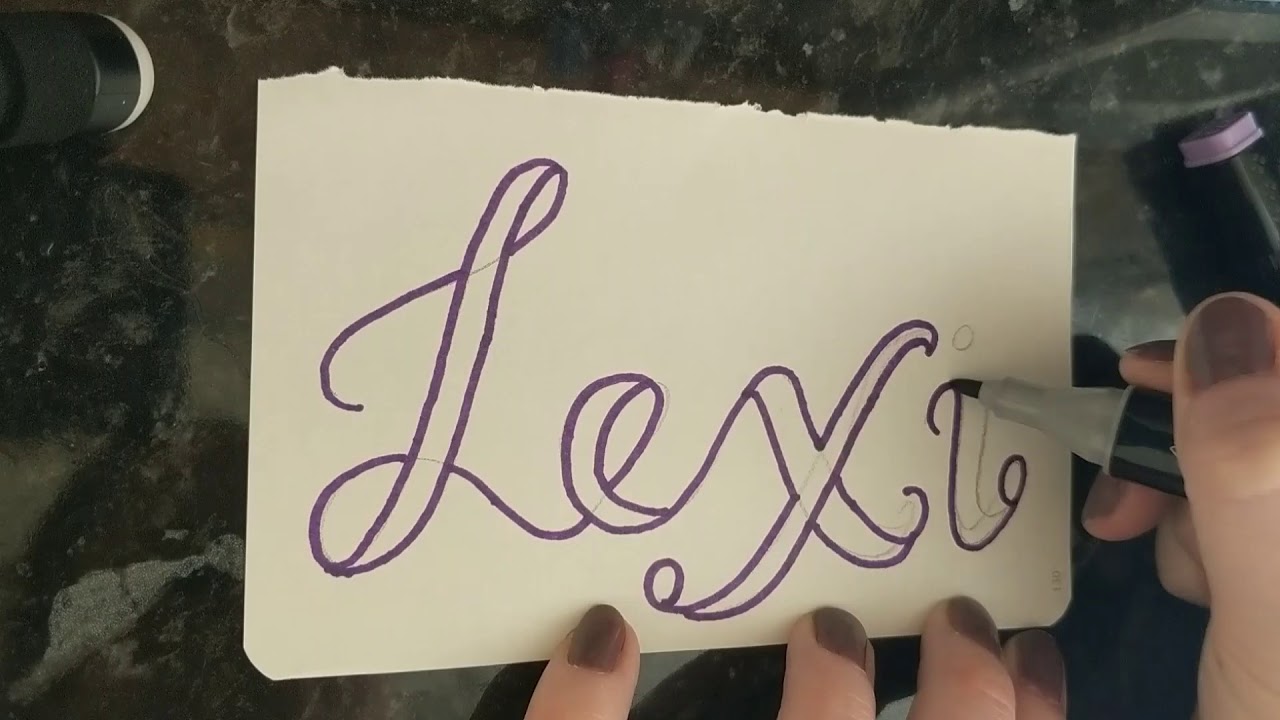
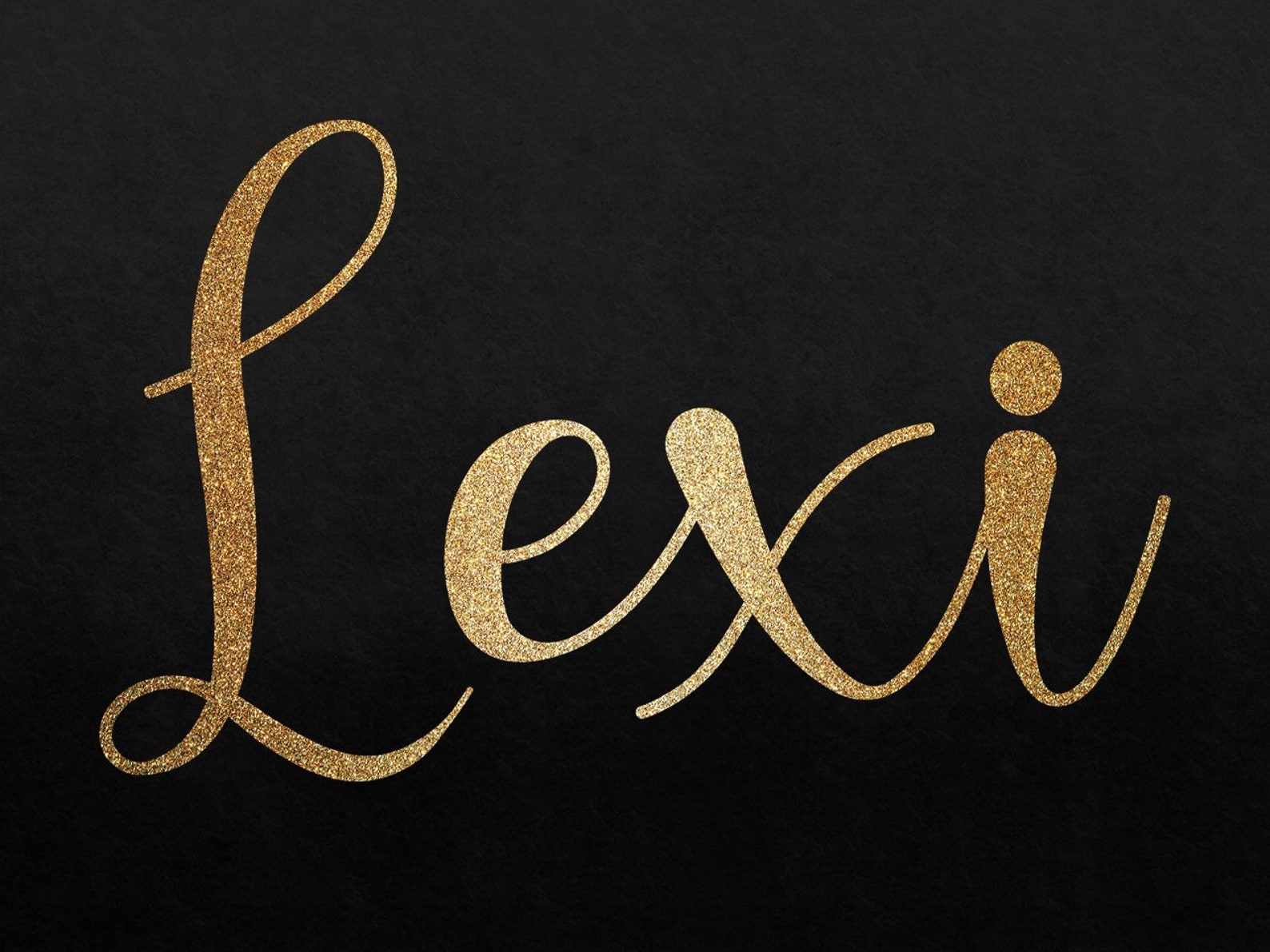
Executing creative variations of the name ‘Lexi’ begins with establishing baseline stability and gradually introducing stylistic flourishes that do not compromise legibility. Direct answer: Begin the sequence by anchoring the pen at the top headline to form the signature loop of the capital ‘L’, flowing directly into a small, rounded lowercase ‘e’ positioned squarely on the midline. Next, guide the learner through the angular peaks and valleys of the cursive ‘x’, ensuring the diagonal stroke finishes low enough to seamlessly catch the entry hook of the final ‘i’. Educators can diversify these sessions by pairing cursive drills with creative coloring worksheets that frame the completed name within artistic borders. For children needing tactile reinforcement, writing the name in colored sand or shaving cream before putting pen to paper builds essential kinesthetic memory. Parents and teachers should monitor hand tension, ensuring the grip remains relaxed to allow the natural wrist pivot necessary for smooth cursive links.
Common Challenges and How to Avoid Them
Preventing common structural errors in cursive letter formation requires identifying mechanical breakdowns early before incorrect muscle memory solidifies permanently. Direct answer: The most frequent obstacle when writing ‘Lexi’ in cursive is accidentally lifting the pen between the ‘e’ and the ‘x’, which breaks the fluid continuum required for true cursive writing. To correct this, emphasize the continuous horizontal connector that bridges the middle loop of the ‘e’ straight into the upper entry of the ‘x’. Another typical error involves distorting the height of the terminal ‘i’, making it disproportionately tall compared to the preceding lowercase letters. Utilizing targeted preschool worksheets and foundational drill sheets can help younger learners struggling with spatial boundaries calibrate their letter sizing. Ensuring that the paper remains tilted at a comfortable 30 to 45-degree angle naturally supports the required rightward slant, eliminating awkward hand cramps and uneven letter spacing.
💬 Frequently Asked Questions
Explore More Free Handwriting and Character Worksheets
Accessing comprehensive educational resources ensures that learners maintain steady progress across all stages of fine-motor and literacy development. Educators and parents are encouraged to explore the extensive collection of printable resources available at CharacterWritingWorksheets.com, featuring specialized worksheets designed to cultivate lifelong penmanship excellence.
Visual Reference Gallery