Introduction
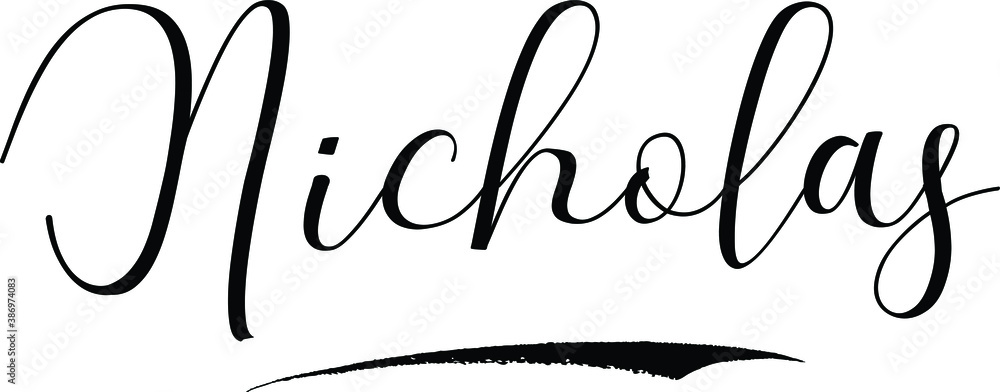
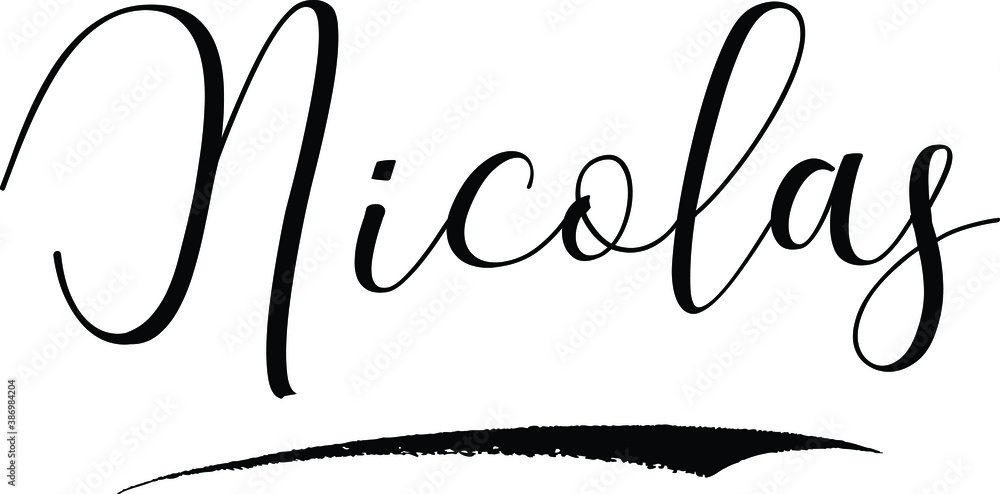
Guiding young children through the transition from printed letters to flowing script requires patience, precision, and the right tools. The free printable worksheet nicholas cursive bridges this gap by offering targeted practice for a specific, highly personal identifier. Children light up when they see their own moniker rendered in elegant, connected strokes, turning a routine writing drill into a rewarding personal achievement. In therapy clinics and kindergarten classrooms alike, watching a child struggle to form isolated letters suddenly give way to the rhythmic, continuous sweep of cursive is a transformative moment. According to Reading Rockets, early handwriting instruction directly reinforces letter recognition and reading fluency, making personalized script practice an essential element of early literacy development.
💡 Educational Key Takeaways:
- Core Skill: Structured Nicholas Cursive focused on developing pencil grip, stroke control, and early literacy/math confidence.
- Target Scope: Suited for homeschoolers, preschool, kindergarten, and elementary learners.
- Best Recommendation: Practice 10–15 minutes daily with ergonomic writing tools to reinforce muscle memory without hand fatigue.
What This Worksheet Covers
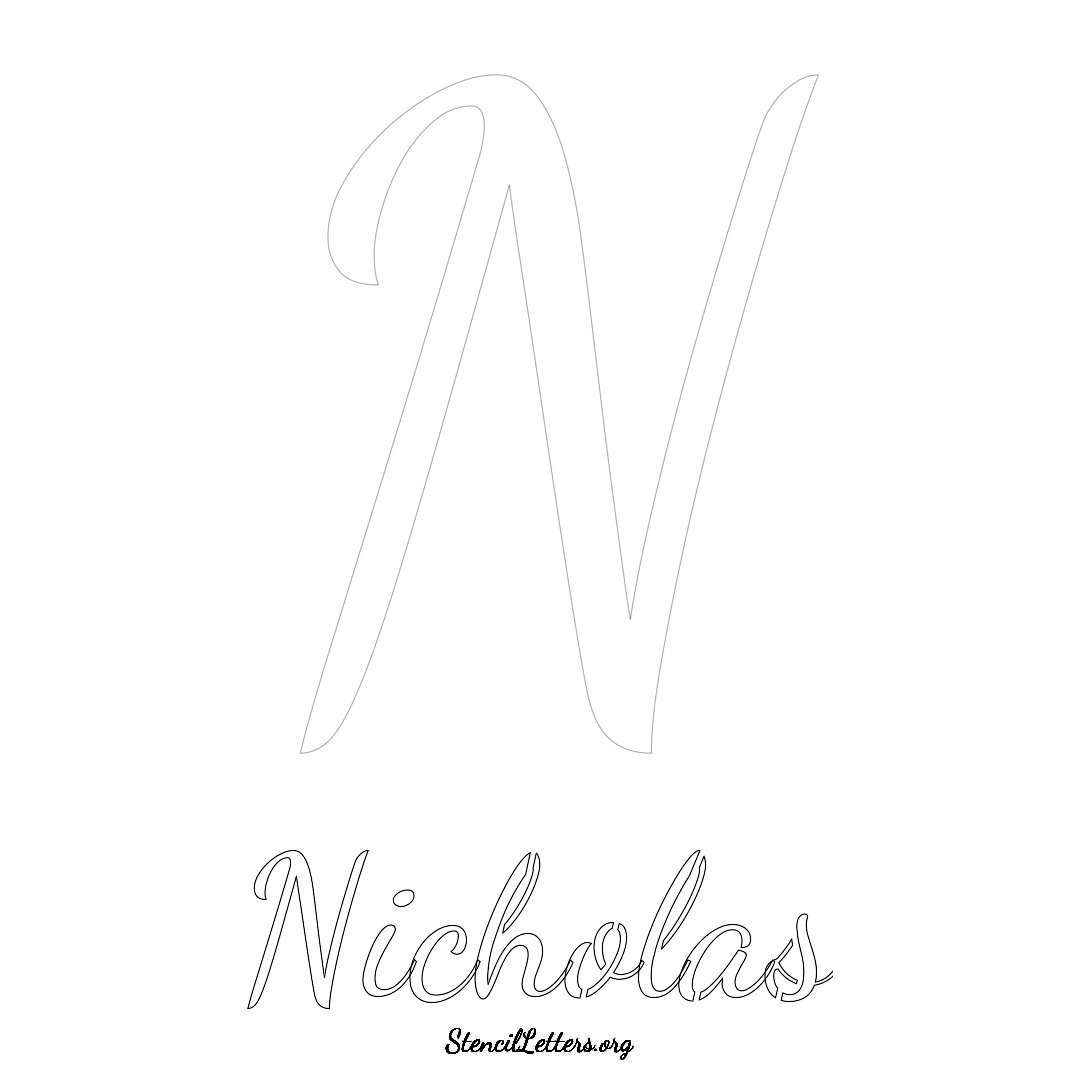
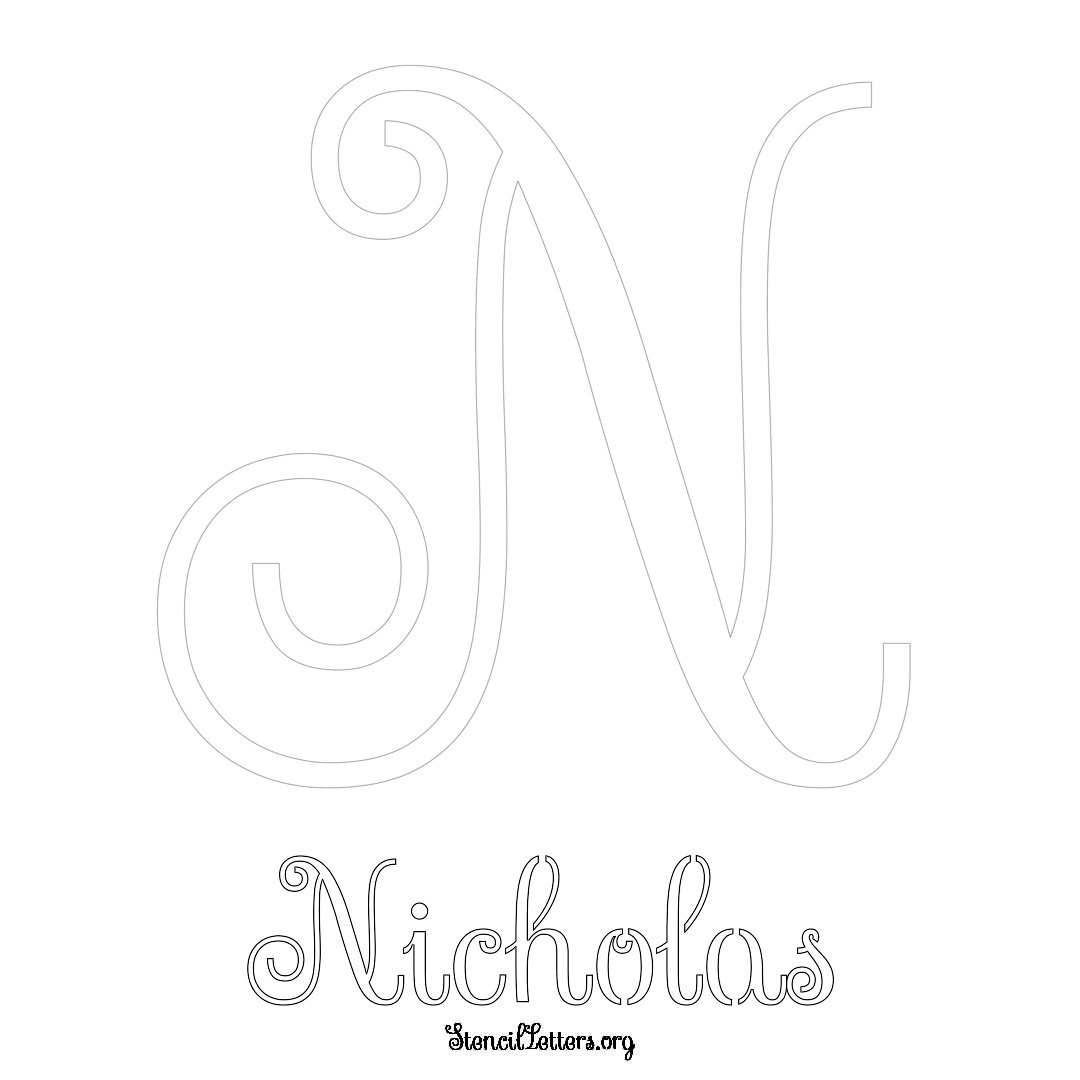
Mastering connected script demands a high level of motor planning, spatial awareness, and consistent pencil pressure. The nicholas cursive printable focuses explicitly on letter sequencing, proper baseline orientation, and the fluid transitions required between tricky lowercase connections. It sounds simple, and that’s the point, but beneath the surface lies a complex neurological sequence requiring the brain to translate visual symbols into synchronized hand movements. Educators often observe children pressing crayons or pencils down so hard the paper rips, or conversely, floating the utensil so lightly that the marks vanish. This resource provides the structured scaffolding needed to regulate that exact pressure while teaching the foundational loops and swings of cursive handwriting, which can also be paired with broader Name Practice Worksheets for continuous reinforcement.
Key Learning Outcomes
Targeted execution of this printable yields measurable improvements in fine motor control and bilateral coordination. Learners build muscle memory for standard directional strokes, reducing the likelihood of common reversals and messy spacing errors. Beyond motor mechanics, seeing a familiar name spelled out in connected form fosters authentic pride, encouraging reluctant writers to stick with challenging literacy tasks. Similar foundational coordination can be explored further using specialized Tracing Worksheets to prepare small hands for complex strokes.
How to Use This Worksheet
Success with cursive depends heavily on posture, hand positioning, and environmental setup before the pencil ever touches the page. Adults should ensure the learner sits with feet flat on the floor, hips and knees at ninety-degree angles, and the paper tilted slightly to match the natural slant of the writing hand. Here’s what makes this worksheet different: it emphasizes the continuous flow from the capital letter right into the subsequent lowercase sequencing, rather than treating each character as an isolated island. Practitioners can integrate these pages into morning tubs, literacy centers, or independent writing stations alongside other helpful Letter Writing Worksheets.
Practical Tips for Parents and Teachers
Short, frequent practice sessions yield far better results than marathon writing drills that exhaust developing hand muscles. Try sliding the printed sheet inside a heavy-duty plastic dry-erase sleeve, letting children trace the glowing script lines with a fine-tip marker before attempting pencil and paper. This low-stakes trial phase removes the fear of making permanent mistakes. If hand fatigue sets in early, switch to a shorter writing instrument like a half-length golf pencil, which naturally forces an optimal tripod grasp and discourages clumsy fist grips.
Age-Appropriate Recommendations
Introducing cursive typically aligns with late second grade or early third grade, once manuscript printing feels automatic and reliable. According to the National Association for the Education of Young Children (NAEYC) Developmentally Appropriate Practice guidelines, learning activities must match both the chronological age and the unique developmental readiness of the child. Pushing cursive too early can cause immense frustration if the intrinsic hand arches and finger dexterity have not yet fully matured. Educators should evaluate individual pencil control, finger dissociation, and visual-spatial organization before introducing connected script routines.
Early writing instruction reinforces letter recognition, orthographic mapping, and overall reading fluency — Reading Rockets
Frequently Asked Questions
Finding the right approach to cursive instruction often brings up common queries among educators and families guiding young learners. The answers below address the most frequent concerns regarding formatting, accessibility, and developmental timing for early handwriting practice.
Explore More Free Printable Worksheets
Expanding a child’s writing repertoire requires access to a diverse library of scaffolded activities that grow alongside their developing capabilities. Beyond specialized script practice, learners benefit greatly from exploring foundational Preschool Worksheets and creative Worksheets designed to strengthen hand muscles, enhance visual attention, and cultivate a lifelong love of writing.
Developmental Milestone & Activity Table
| Development Stage | Recommended Daily Duration | Primary Learning Objective |
|---|---|---|
| Preschool & Pre-K | 10 – 15 Minutes | Pencil grip development & basic pre-stroke lines |
| Kindergarten | 15 – 20 Minutes | Letter/number formation & spatial line awareness |
| Early Elementary (Grade 1–2) | 20 – 30 Minutes | Fluency, sentence construction & neatness |
Images References