Introduction
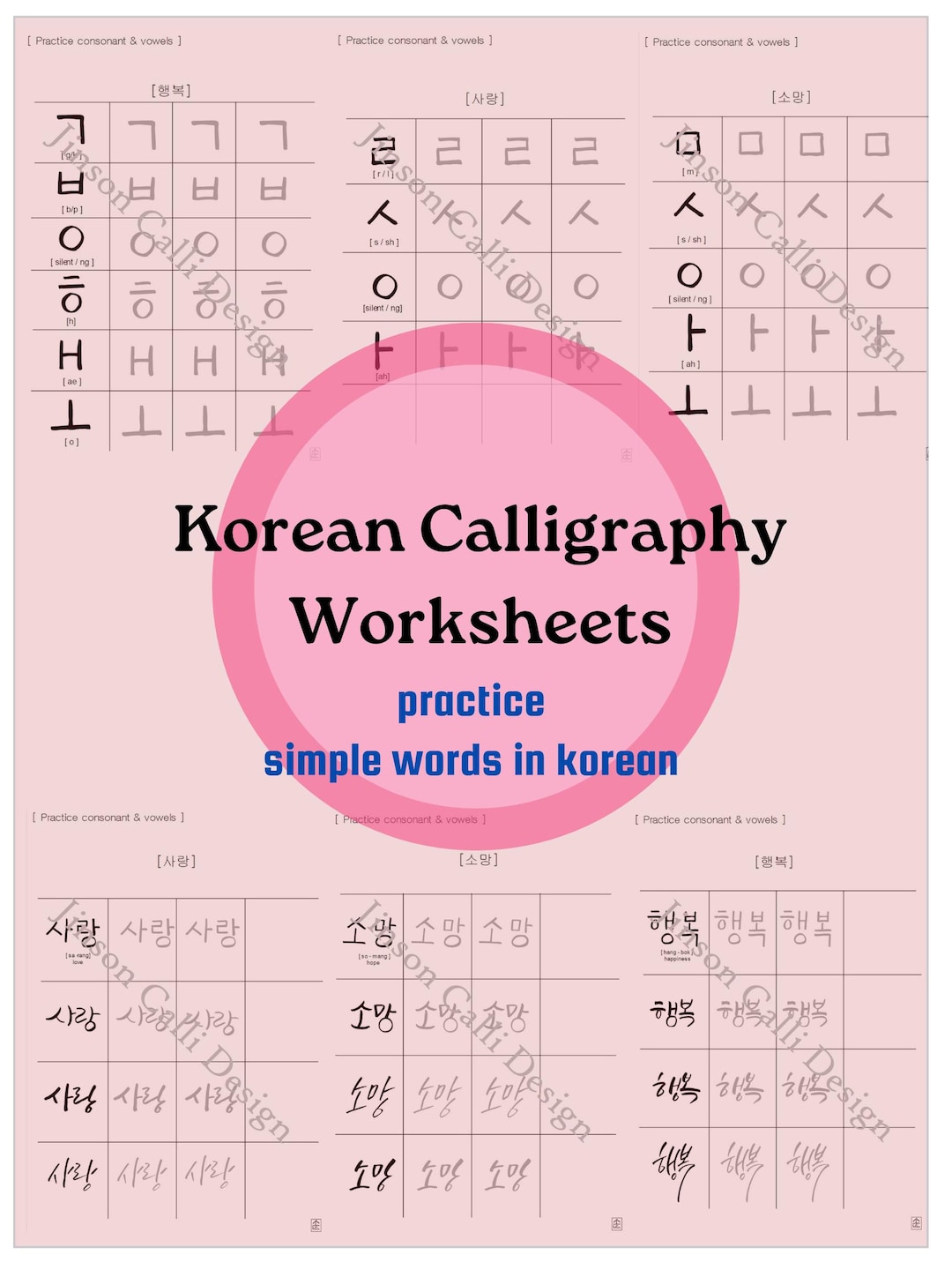
Mastering a new script requires patience, precision, and an understanding of spatial organization. When children or adult learners begin exploring unique writing systems, traditional block printing often gives way to fluid, connected forms. The free printable worksheet modern cursive korean writing bridges the gap between rigid typographic characters and the elegant, flowing block-letters characteristic of modern Hangeul calligraphy. It sounds simple, and that’s the point. By focusing on consistent stroke order and rhythmic fluid movement, learners build the muscle memory required for legible, aesthetically pleasing script. Occupational therapy clinics frequently observe that introducing sequential flow early on prevents the heavy, fatiguing hand grips common in novice writers. Educators seeking structured resources will find that specialized Letter Writing Worksheets offer an excellent companion to these cursive-inspired Korean writing exercises, reinforcing proper proportions and baseline placement.
💡 Educational Key Takeaways:
- Core Skill: Structured Modern Cursive Korean Writing focused on developing pencil grip, stroke control, and early literacy/math confidence.
- Target Scope: Suited for homeschoolers, preschool, kindergarten, and elementary learners.
- Best Recommendation: Practice 10–15 minutes daily with ergonomic writing tools to reinforce muscle memory without hand fatigue.
What This Worksheet Covers
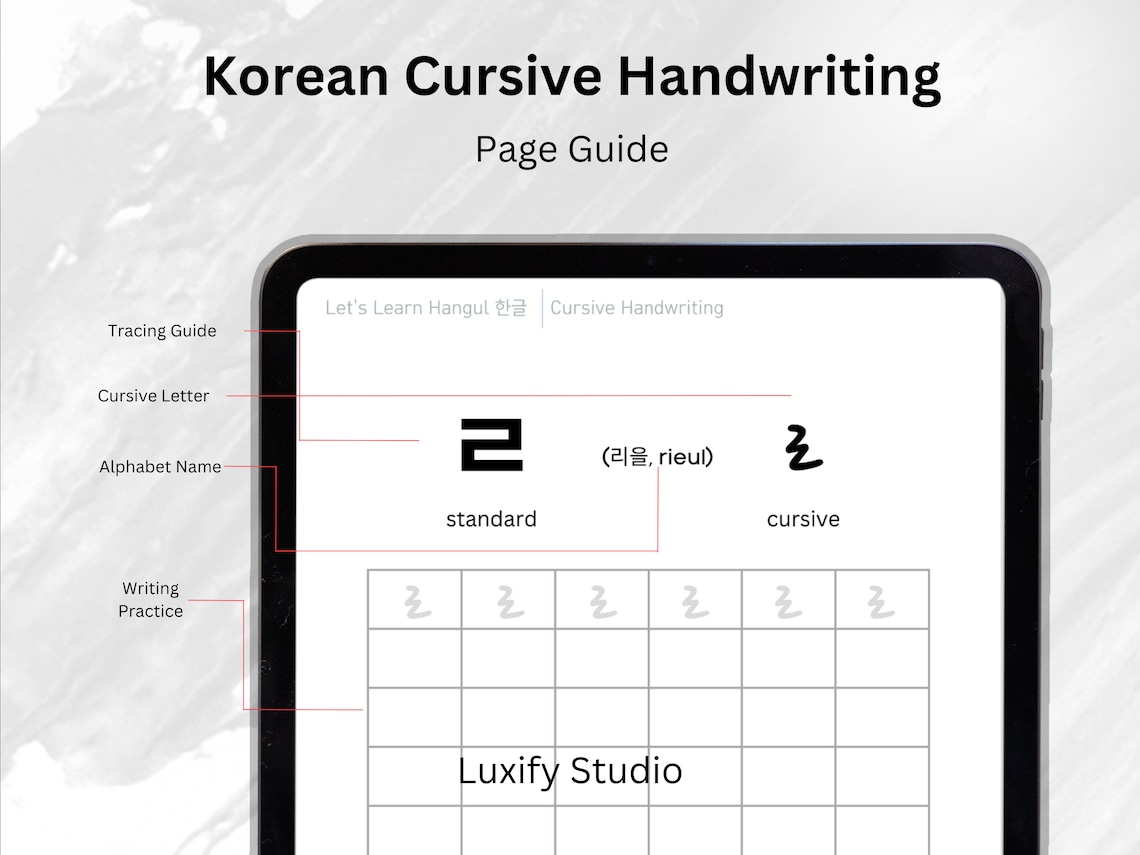
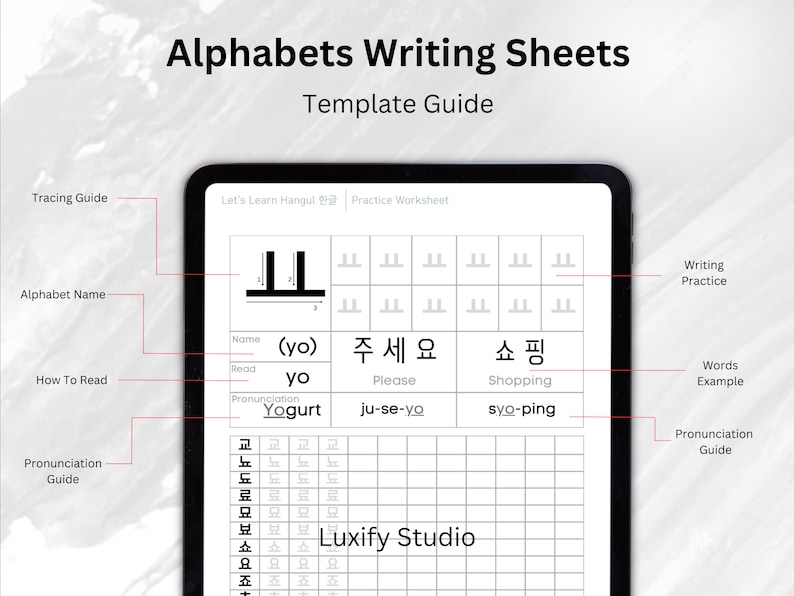
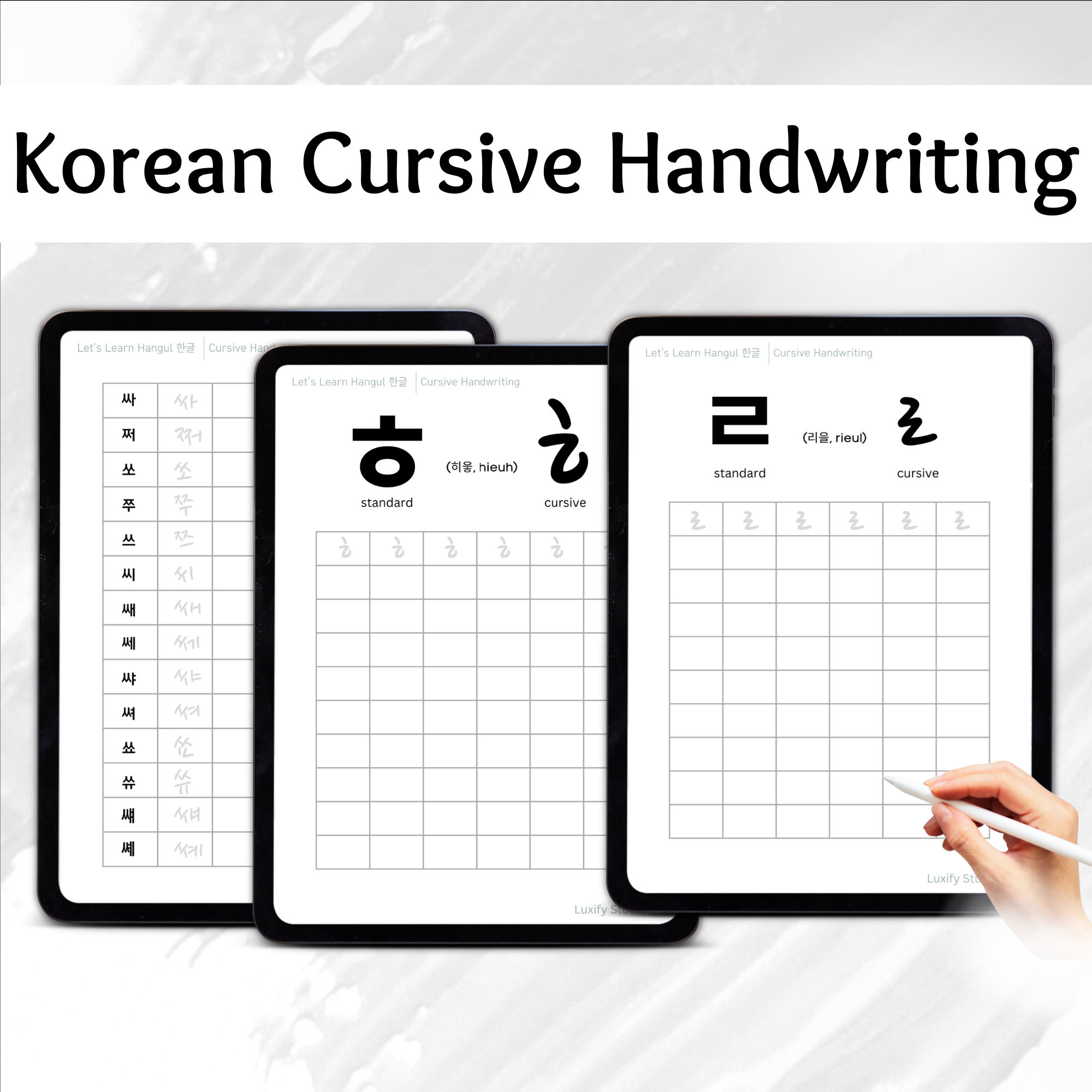
This specific printable targets the intricate visual-motor integration needed to form the complex syllable blocks of the Korean alphabet in a continuous, modern style. Learners transition from isolated jamo components to unified, interconnected letterforms that mimic contemporary brush and pen design. Here’s what makes this worksheet different: it emphasizes the directional flow of each stroke, teaching the hand how consonants and vowels naturally link within a single conceptual block. According to the American Occupational Therapy Association, foundational writing instruction must incorporate multisensory approaches to reinforce directional concepts and spatial awareness. Children frequently press far too hard when attempting unfamiliar scripts, leading to early hand cramping. Integrating tools from Tracing Worksheets helps mitigate this by providing gentle, guided pathways that encourage lighter pencil pressure and smoother wrist extension.
Key Learning Outcomes
Working through these pages refines bilateral coordination, visual tracking, and fine motor precision. Learners develop enhanced proprioceptive feedback, gaining an intuitive sense of how much pressure to apply when transitioning from a heavy downward stem to a light, sweeping horizontal stroke. According to Reading Rockets, explicit instruction in letter formation and orthographic mapping significantly boosts overall literacy retention and reading fluency. As learners map the visual symbols onto their physical movements, cognitive load decreases, freeing up mental space for vocabulary acquisition and sentence comprehension. For younger participants laying the groundwork for complex script acquisition, utilizing foundational Preschool Worksheets beforehand establishes the core hand strength and pencil control required for advanced character execution.
How to Use This Worksheet
Implementation requires a balance of independent exploration and structured adult guidance. Begin by demonstrating the primary stroke on a whiteboard or large paper, exaggerating the wrist movement and explaining the directional arrows. Instruct the learner to dry-trace the shapes with an index finger before touching a writing utensil to the page. This kinesthetic priming activates the motor cortex and reduces errors during active execution. Classrooms often benefit from placing these sheets inside heavy-duty plastic sleeves, allowing children to practice with dry-erase markers until the fluid motion feels completely natural. Transitioning from dry-erase to standard graphite or fine-tip markers then solidifies permanent muscle memory.
Practical Tips for Parents and Teachers
Creating an optimal ergonomic environment dramatically improves outcomes during writing sessions. Ensure the seating arrangement allows both feet to rest flat on the floor, with hips and knees bent at comfortable ninety-degree angles. Slant boards can also be incredibly beneficial, as they naturally encourage an upright posture and optimal wrist extension, reducing visual fatigue. Educators should watch for excessive finger wiggling or tightly clenched fists, gently correcting the grasp to a functional tripod position before bad habits cement. Short, consistent daily practice sessions yield far better retention than sporadic, exhausting marathon blocks.
Age-Appropriate Recommendations
Introducing complex scripts requires careful alignment with developmental stages. According to NAEYC Developmentally Appropriate Practice guidelines, instructional materials must respect individual variations in physical maturation and cognitive readiness, ensuring tasks neither frustrate nor bore the participant. While older children and teenagers eagerly tackle modern cursive Korean script for artistic or linguistic enrichment, younger children must first master basic pre-writing strokes through foundational Worksheets. Expecting intricate, flowing calligraphy from a kindergartener or early first-grader overlooks the physical reality of hand bone ossification and intrinsic muscle development. Meet the learner at their current motor ability level, gradually increasing structural complexity as control improves.
Foundational writing instruction must incorporate multisensory approaches to reinforce directional concepts and spatial awareness. — American Occupational Therapy Association (AOTA)
Frequently Asked Questions
How do users download and print this resource? Accessing the material is entirely free and simple. Visitors just click the download link, save the PDF file to a computer or mobile device, and print directly onto standard letter-sized paper using any home or office printer.
How does this modern cursive Korean worksheet support fine motor development? The structured tracing elements and directional flow encourage precise pencil control, bilateral hand coordination, and optimal pressure regulation, strengthening the intrinsic hand muscles necessary for legible writing.
According to the American Occupational Therapy Association, why is multisensory writing instruction important? AOTA notes that multisensory approaches help integrate visual, auditory, and kinesthetic feedback, which significantly enhances a child’s ability to retain complex letter formations and spatial patterns.
Explore More Free Printable Worksheets
Expanding a learning curriculum becomes effortless when utilizing diverse, targeted printables designed for every developmental milestone. Educators and parents can discover additional resources by browsing specialized collections such as Name Practice Worksheets for personalization and confidence building, or exploring creative Coloring Worksheets to build foundational hand strength and grip endurance before advancing to complex script writing.
Developmental Milestone & Activity Table
| Development Stage | Recommended Daily Duration | Primary Learning Objective |
|---|---|---|
| Preschool & Pre-K | 10 – 15 Minutes | Pencil grip development & basic pre-stroke lines |
| Kindergarten | 15 – 20 Minutes | Letter/number formation & spatial line awareness |
| Early Elementary (Grade 1–2) | 20 – 30 Minutes | Fluency, sentence construction & neatness |
Images References