Introduction
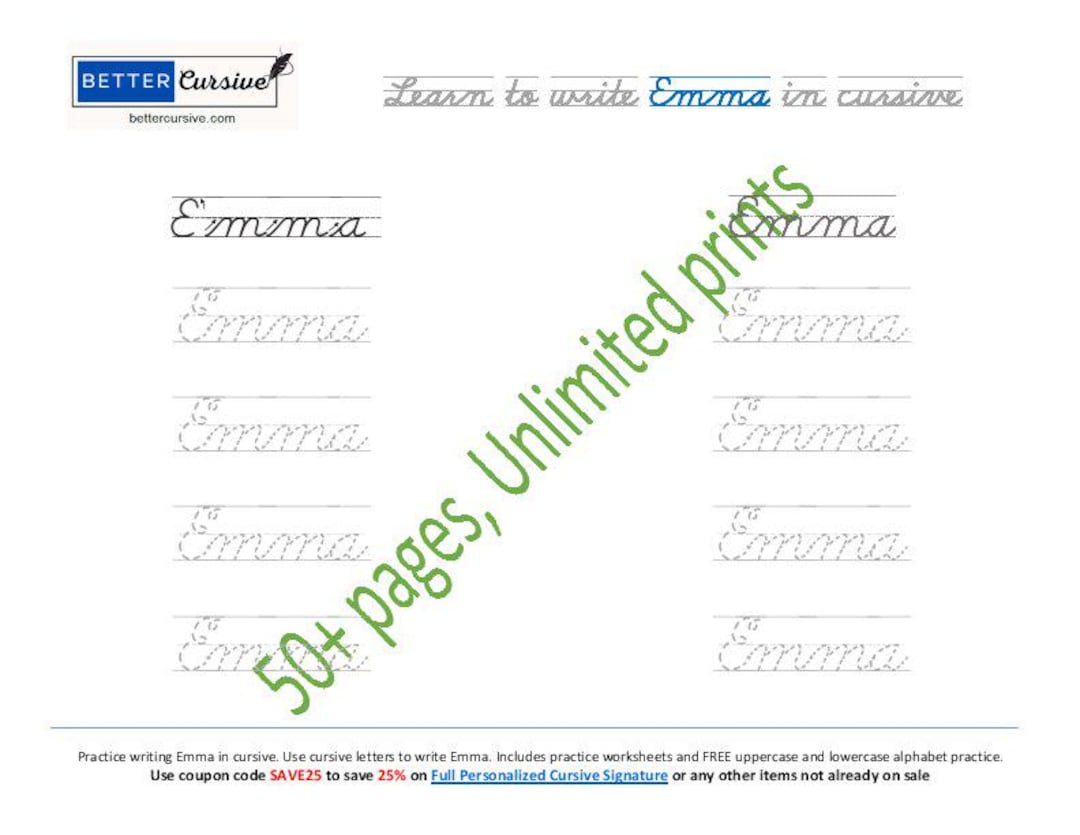
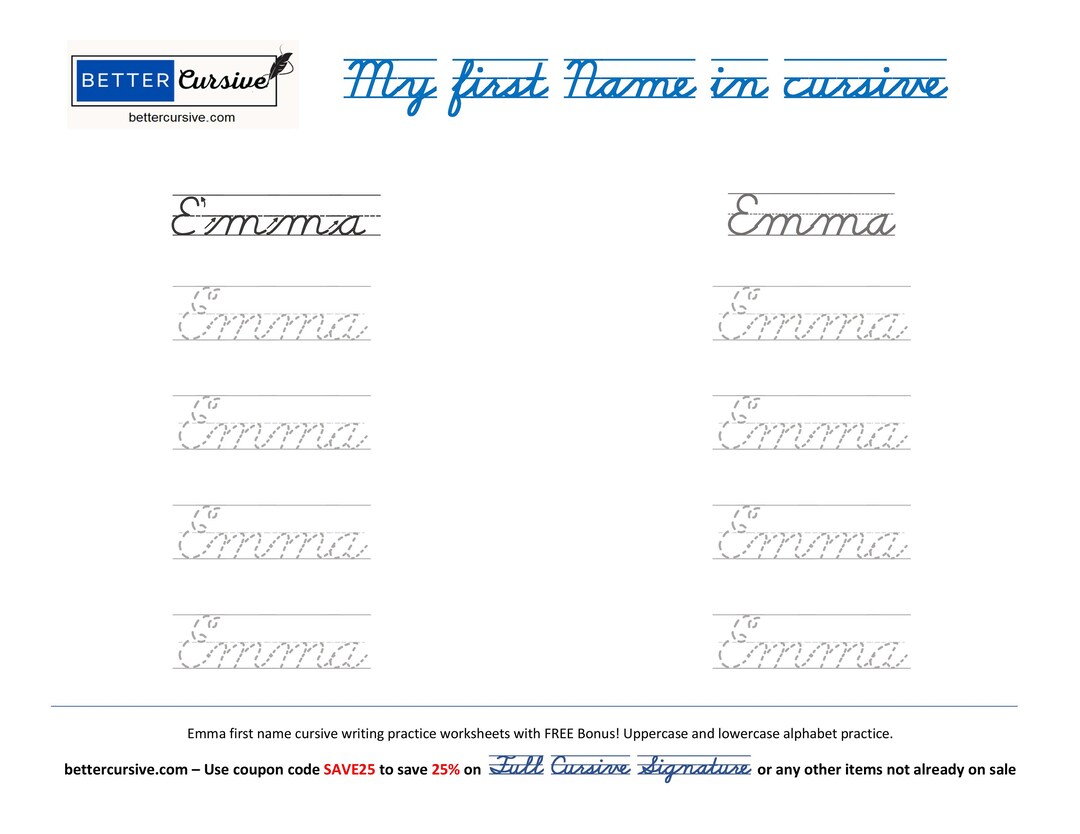
Mastering cursive handwriting remains a milestone filled with both excitement and coordination challenges for developing hands. Introducing a personalized asset like the free printable worksheet how to write emma kelley in cursive transforms abstract loops and connectors into a deeply personal achievement. Children light up when seeing their own name rendered in elegant connected strokes, sparking natural engagement that standard drills rarely achieve. Behind this enthusiasm lies a complex orchestration of visual-motor integration, proprioceptive feedback, and bilateral coordination. Educators and therapists constantly seek tools that bridge the gap between mechanical pencil movement and meaningful literacy. This resource meets that exact need by anchoring abstract fine motor practice in identity and personal relevance.
💡 Educational Key Takeaways:
- Core Skill: Structured How To Write Emma Kelley In Cursive focused on developing pencil grip, stroke control, and early literacy/math confidence.
- Target Scope: Suited for homeschoolers, preschool, kindergarten, and elementary learners.
- Best Recommendation: Practice 10–15 minutes daily with ergonomic writing tools to reinforce muscle memory without hand fatigue.
What This Worksheet Covers
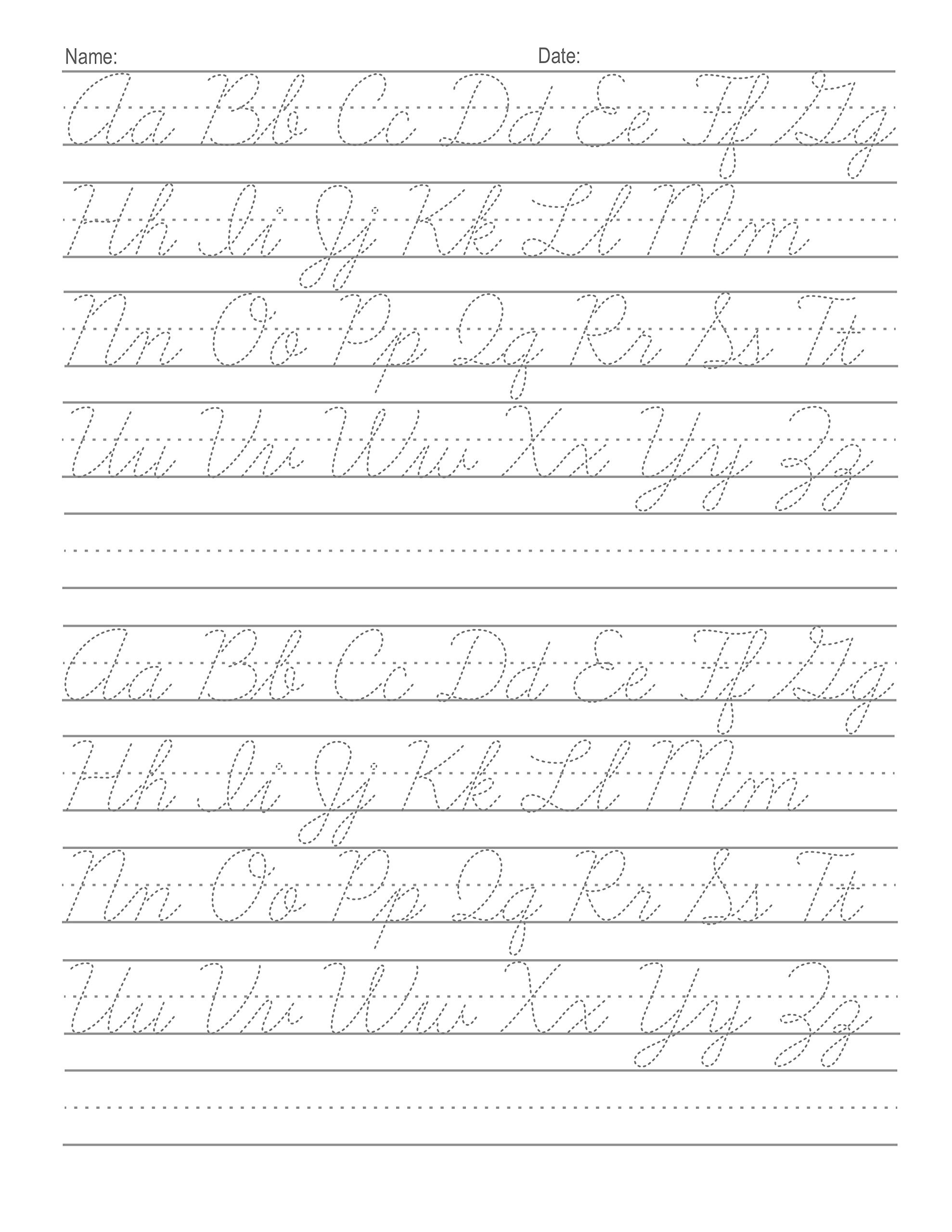
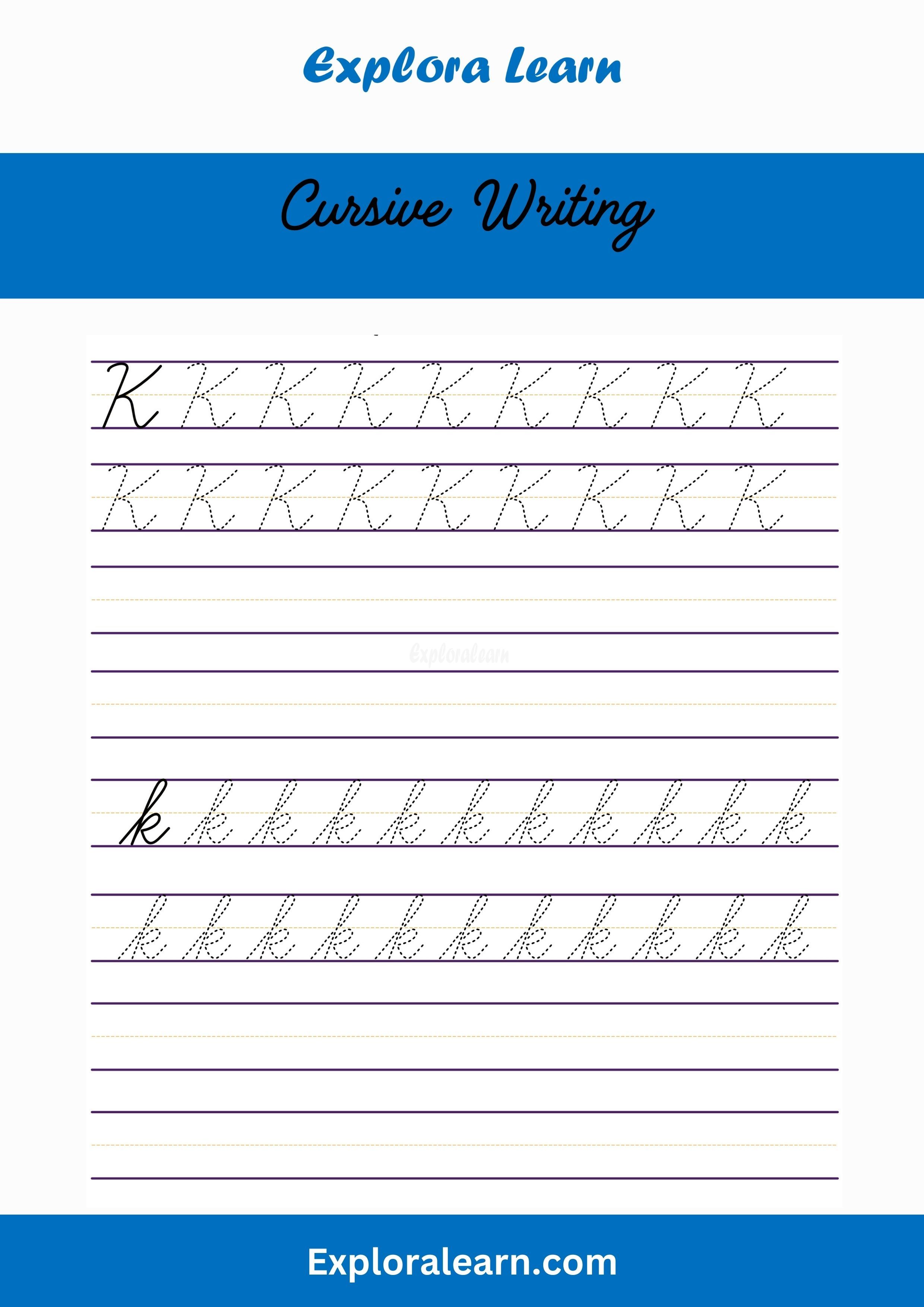
The layout focuses heavily on letter sequencing, spatial orientation, and fluid stroke production specifically tailored to the unique configuration of the target name. Moving from uppercase capital connectors to lowercase transitions requires precise modulation of muscle tension in the intrinsic hand muscles. It sounds simple, and that’s the point: repetition builds muscle memory, but purposeful repetition builds functional mastery. Children navigate baseline adherence, ascender height consistency, and the tricky diagonal exits characteristic of traditional cursive scripts. Exploring broader Name Practice Worksheets reveals how identity-based writing accelerates foundational letter retention. Every line on the page guides the hand to flow smoothly without lifting the writing utensil, reinforcing the continuous motion intrinsic to cursive literacy.
Key Learning Outcomes
Completing this targeted exercise yields measurable improvements in directional fluency and spatial awareness across the writing surface. Young learners grasp the directional flow from left to right while maintaining proper slant and proportional letter sizing. According to Reading Rockets, developing strong handwriting fluency directly frees up cognitive bandwidth for higher-level composition and creative expression. Furthermore, practicing specific cursive linkages reduces the frequency of letter reversals and awkward pauses that often frustrate early writers. Confidence grows naturally as erratic strokes transform into legible, connected words that children proudly display to family and classmates.
How to Use This Worksheet
Adults play a crucial role in scaffolding the experience before the pencil ever touches the physical paper. Begin by observing the child’s dynamic tripod grasp to ensure fingers maintain adequate mobility without excessive fatigue or cramping. Tracing over dotted guidelines with a finger first helps activate the kinesthetic pathways needed for fluid movement. Transitioning to writing utensils requires patience, encouraging light pressure rather than a death grip that exhausts small hand muscles. For additional foundational support, pairing this exercise with Tracing Worksheets strengthens pre-writing stroke accuracy. Regular, short practice sessions yield far better neural retention than long, exhausting drilling marathons.
Practical Tips for Parents and Teachers
Classroom observations consistently show that children slump over desks when seating ergonomics are ignored, directly impairing wrist extension and fine motor control. Ensure feet rest flat on the floor and the writing surface sits slightly below elbow height to promote optimal biomechanics. Here’s what makes this worksheet different: it utilizes the child’s own moniker as the primary vehicle for skill acquisition, driving intrinsic motivation. Turning the practice into a sensory activity by tracing raised-line versions or writing in colored sand bridges the gap between tactile input and visual output. Celebrating small victories, such as a perfectly formed connecting loop, reinforces positive neural pathways and emotional resilience.
Age-Appropriate Recommendations
Introducing cursive typically aligns with late second grade or third grade, corresponding with the Common Core ELA standard L.2.1.a concerning proper letter formation and writing mechanics. According to the American Occupational Therapy Association (AOTA), children at this developmental stage possess the refined distal finger control required for sustained cursive loops. For younger children exploring foundational marks, utilizing Preschool Worksheets establishes the baseline hand strength needed for later cursive success. Educators should assess individual readiness through pencil grip stability rather than chronological age alone, ensuring frustration-free progression.
Developing handwriting fluency directly frees up cognitive bandwidth for higher-level composition and creative expression. — Reading Rockets
Frequently Asked Questions
Navigating specialized handwriting resources often brings up practical questions regarding printing access, skill pacing, and developmental alignment. Clear answers help caregivers maximize the instructional value of each printable resource.
Occupational therapy standards emphasize that children need refined distal finger control before mastering continuous cursive strokes. — American Occupational Therapy Association (AOTA)
Explore More Free Printable Worksheets
Expanding a child’s fine motor toolkit requires access to diverse, engaging, and structured printable materials designed for every developmental milestone. Complement these cursive exercises by exploring Letter Writing Worksheets to reinforce individual alphabet mechanics. For downtime that still builds critical hand strength and focus, browse the collection of Coloring Worksheets. Comprehensive collections of Worksheets offer endless opportunities to support early childhood education goals seamlessly at home or in the classroom.
Developmental Milestone & Activity Table
| Development Stage | Recommended Daily Duration | Primary Learning Objective |
|---|---|---|
| Preschool & Pre-K | 10 – 15 Minutes | Pencil grip development & basic pre-stroke lines |
| Kindergarten | 15 – 20 Minutes | Letter/number formation & spatial line awareness |
| Early Elementary (Grade 1–2) | 20 – 30 Minutes | Fluency, sentence construction & neatness |
Images References