Introduction
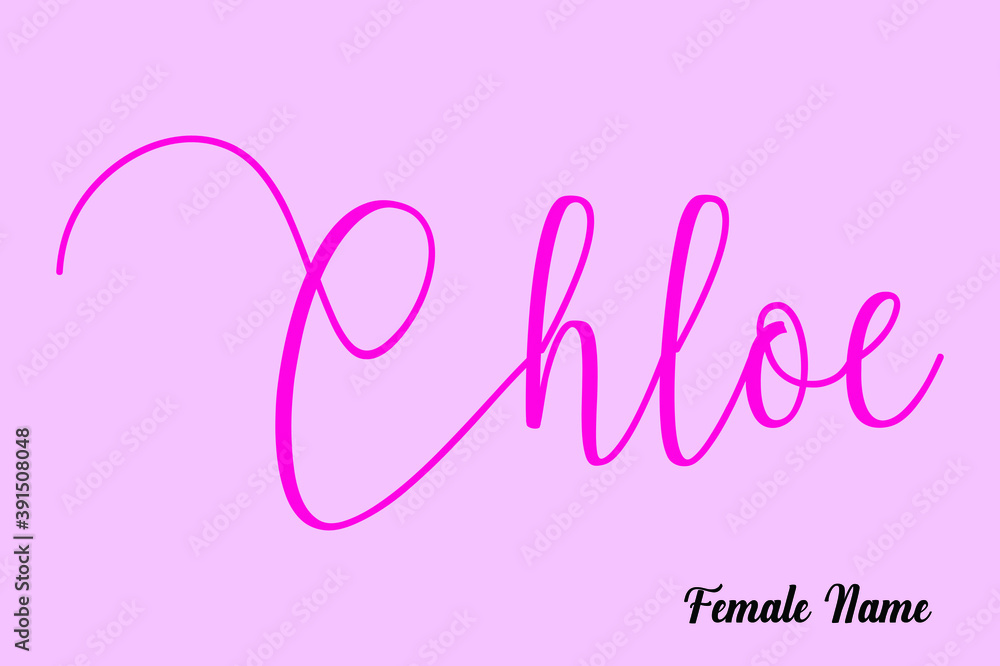
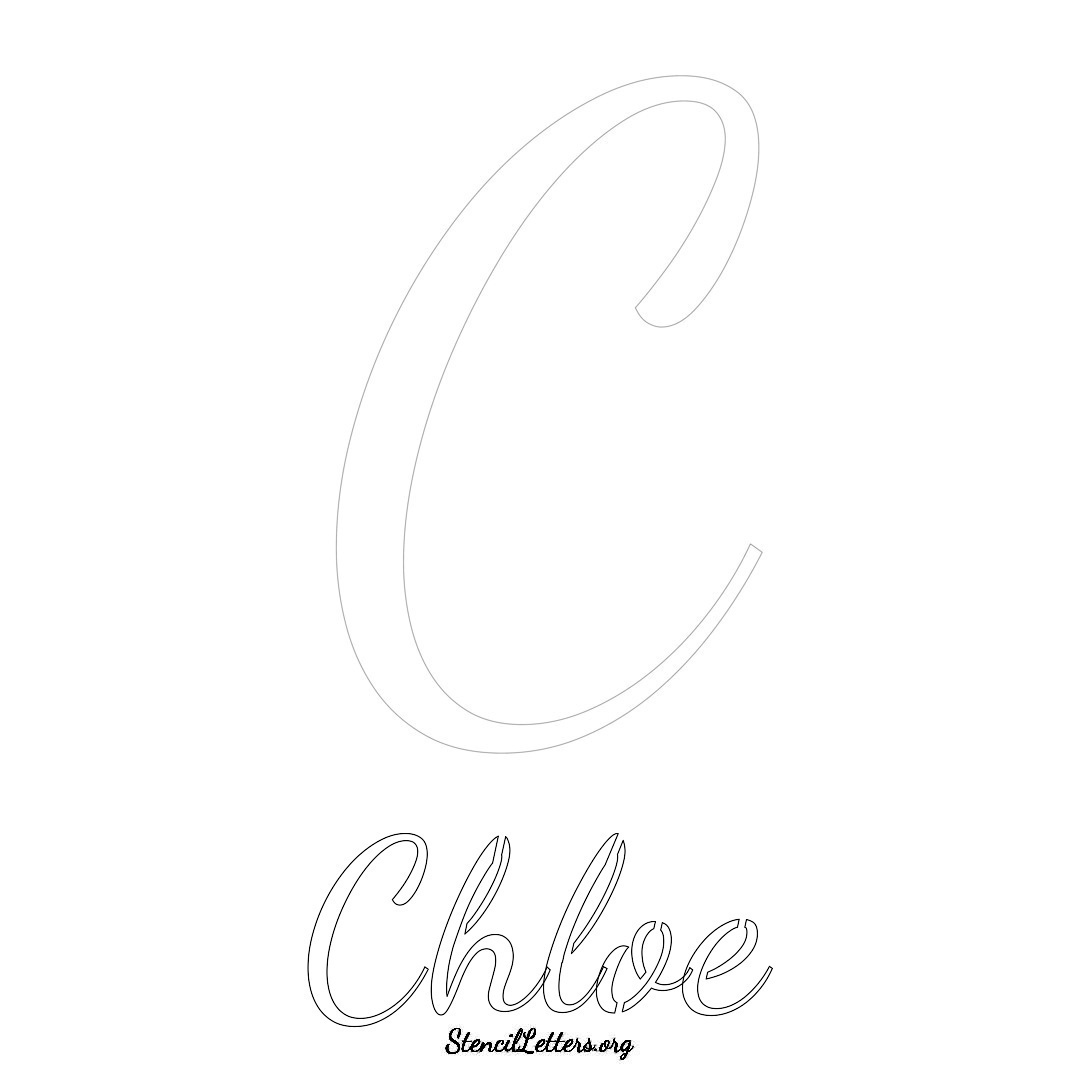
Learning to write one’s own name is a monumental milestone in early childhood development. When children encounter specialized style sheets, such as the free printable worksheet focusing on how to write chloe in calligraphy, a bridge forms between standard print and artistic expression. Elegant lettering introduces young learners to varying line thicknesses, graceful curves, and intentional pacing. It sounds simple, and that’s the point. Behind the decorative flourish of ornate script lies rigorous practice in fine motor control, visual-spatial awareness, and sustained attention. Children often lean in closely, tongues slightly out of place, watching the pencil transition from a thick downstroke to a delicate hair-line. Observing this level of intense concentration in a five-year-old reveals a deep intrinsic motivation to master personal identity through penmanship.
💡 Educational Key Takeaways:
- Core Skill: Structured How To Write Chloe In Calligraphy focused on developing pencil grip, stroke control, and early literacy/math confidence.
- Target Scope: Suited for homeschoolers, preschool, kindergarten, and elementary learners.
- Best Recommendation: Practice 10–15 minutes daily with ergonomic writing tools to reinforce muscle memory without hand fatigue.
What This Worksheet Covers
The instructional layout targets letter sequencing, stroke order, and proportional spacing specifically tailored to the five-letter name Chloe. Capital ‘C’ demands a sweeping, continuous arc that requires proximal shoulder stability and distal finger dexterity working in harmony. Transitioning into the lowercase ‘h’, ‘o’, and ‘e’ elements challenges the writer to maintain consistent slant and rhythm. According to the American Occupational Therapy Association, foundational handwriting tasks require the integration of visual perception, bilateral coordination, and motor planning to produce legible symbols on a page. This resource moves beyond basic rote memorization by inviting children to analyze the aesthetic contours of each individual character.
Key Learning Outcomes
Engaging with decorative script exercises refines pencil pressure regulation, which directly supports the broader progression found within Name Practice Worksheets. Learners discover how changing downward pressure alters line weight—a core mechanical concept in calligraphy. Furthermore, analyzing the specific sequence of letters strengthens orthographic mapping, reinforcing how print translates into personal ownership. Children shift from erratic scribbling to controlled, deliberate strokes that respect boundaries and guideline limits. Educators frequently note that introducing stylized letterforms sparks renewed enthusiasm in children who might otherwise grow fatigued by repetitive, standard block-letter drills.
How to Use This Worksheet
Preparation dictates success when working with fine motor resources. Begin by sliding the printable page into a heavy-duty clear plastic sleeve and providing a dry-erase marker. This low-stakes modification allows children to experiment freely, wipe away mistakes instantly, and try again without the pressure of ruining the paper. Once confidence builds with erasable tools, transition to traditional graphite pencils or fine-tip felt markers to experience the actual resistance of paper fibers. Integrating varied media bridges the gap toward advanced resources like Letter Writing Worksheets, where stroke precision remains paramount.
Practical Tips for Parents and Teachers
Posture dictates pencil control, so ensure feet rest flat on the floor and the table sits near the child’s mid-chest height. Encourage a functional tripod grasp, but avoid rigid policing that causes hand cramping; relaxed fingers yield smoother curves. Here’s what makes this worksheet different: it encourages tracing over faded guides before expecting independent execution. Point out the contrasting thick and thin strokes explicitly, asking the child to mimic the rhythm verbally (“down heavy, up light”). Pausing for short stretch breaks prevents muscle fatigue in the tiny intrinsic muscles of the hand, keeping the activity enjoyable rather than frustrating.
Age-Appropriate Recommendations
While formal calligraphy is typically introduced to older elementary students, simplified tracing adaptations suit children ages six to eight who possess established pencil grasps and refined visual-motor integration. According to the National Association for the Education of Young Children and its Developmentally Appropriate Practice framework, learning experiences must align with a child’s current social, cognitive, and physical capabilities. For younger preschoolers exploring foundational concepts, pairing this specific script page with broader tools from Preschool Worksheets ensures a well-rounded skill set that prioritizes basic line awareness and gross motor warm-ups over immediate perfection.
Foundational handwriting tasks require the integration of visual perception, bilateral coordination, and motor planning — American Occupational Therapy Association
Frequently Asked Questions
Addressing common inquiries helps adults maximize the learning potential of every printed page.
Learning experiences must align with a child’s current social, cognitive, and physical capabilities — National Association for the Education of Young Children
Explore More Free Printable Worksheets
Expanding a child’s creative toolkit involves varying daily writing challenges. Complement cursive exploration by browsing comprehensive collections of Tracing Worksheets to build preliminary line accuracy. For children needing a break from intensive penmanship, artistic options within Coloring Worksheets provide fantastic grip strength conditioning. Ultimately, maintaining a diverse portfolio of Worksheets ensures lifelong literacy confidence and steady fine motor growth.
Developmental Milestone & Activity Table
| Development Stage | Recommended Daily Duration | Primary Learning Objective |
|---|---|---|
| Preschool & Pre-K | 10 – 15 Minutes | Pencil grip development & basic pre-stroke lines |
| Kindergarten | 15 – 20 Minutes | Letter/number formation & spatial line awareness |
| Early Elementary (Grade 1–2) | 20 – 30 Minutes | Fluency, sentence construction & neatness |
Images References