Introduction
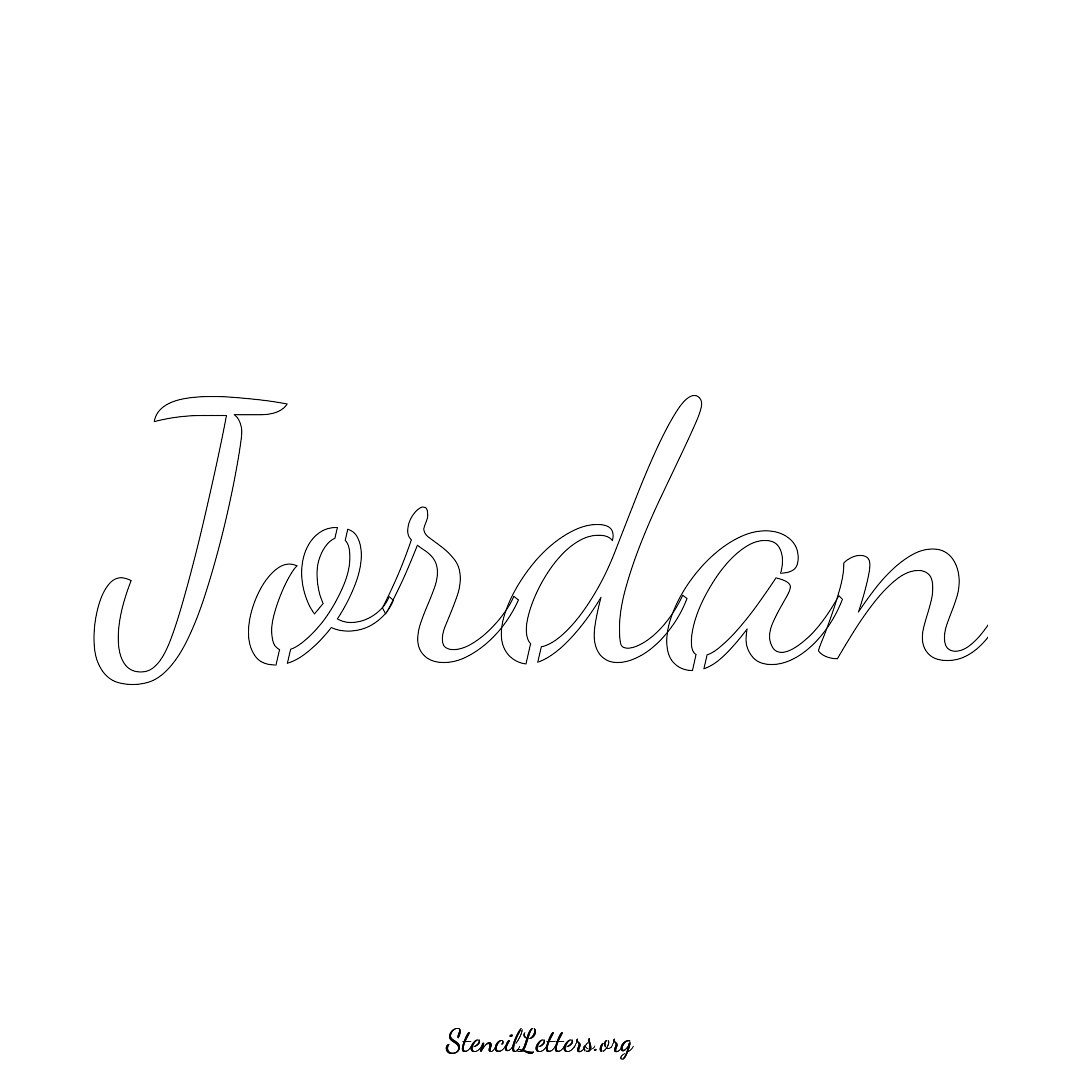
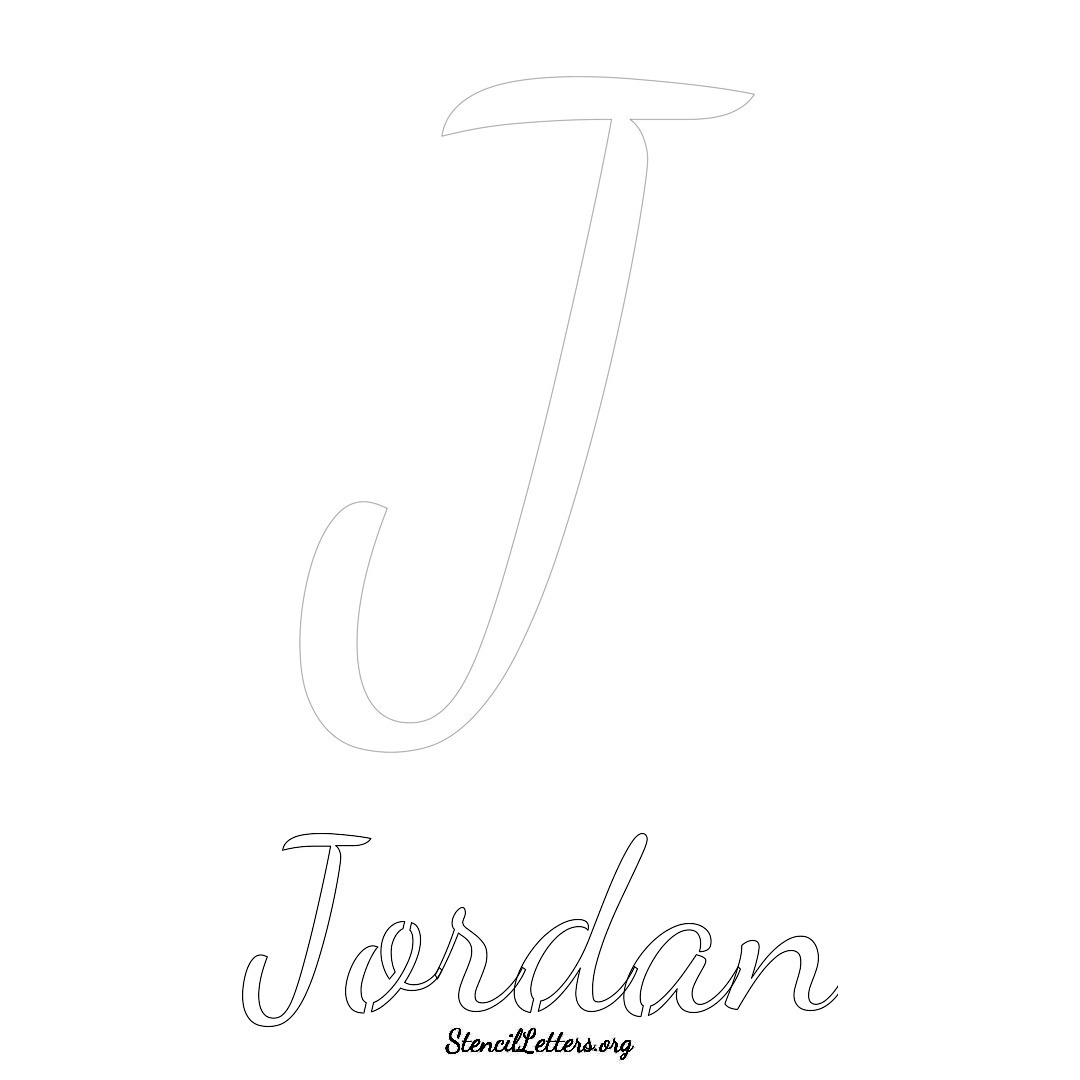
Mastering the intricacies of personal identification and early orthography requires targeted resources that bridge the gap between simple tracing and autonomous handwriting. The free printable worksheet “jordan is cursive” serves as a specialized tool designed to introduce learners to fluid, connected script using a meaningful, highly motivating identifier. Children frequently experience a surge of intrinsic motivation when working with familiar words, especially their own names or names of peers. Integrating cursive instruction early on helps solidify spatial awareness, letter sequencing, and continuous motor planning.
💡 Educational Key Takeaways:
- Core Skill: Structured Jordan Is Cursive focused on developing pencil grip, stroke control, and early literacy/math confidence.
- Target Scope: Suited for homeschoolers, preschool, kindergarten, and elementary learners.
- Best Recommendation: Practice 10–15 minutes daily with ergonomic writing tools to reinforce muscle memory without hand fatigue.
What This Worksheet Covers
Orthographic skill acquisition depends heavily on sequential learning patterns that build manual dexterity over time. This particular printable targets letter sequencing, proper stroke order, and continuous line fluency specific to cursive script. Recognizing a name in print is vastly different from producing those same letters through fluid, slanted hand movements. Educators often observe young children pressing excessively hard into the paper when attempting unfamiliar connected letter forms, signaling an underlying need for targeted control exercises found across structured Name Practice Worksheets.
Key Learning Outcomes
Targeted execution of this resource yields measurable improvements in bilateral hand coordination, visual-motor integration, and pencil stabilization. Learners progress from disjointed pencil strokes to smooth transitions between individual letter forms. According to the American Occupational Therapy Association, foundational fine motor competencies directly influence academic participation and self-esteem during early elementary school years. Children who successfully navigate connected scripts develop enhanced proximal shoulder stability, which ultimately reduces hand fatigue during extended writing tasks found on standard Worksheets.
How to Use This Worksheet
Implementation requires a thoughtful approach that prioritizes proper posture, stable seating, and an optimal writing angle. Adults should ensure the learner maintains a functional tripod grasp before putting pencil to paper, preventing compensatory habits that are difficult to correct later. It sounds simple, and that’s the point: consistency trumps volume when building neural pathways for handwriting. Rather than rushing through multiple pages in a single sitting, educators recommend completing short, five-minute sessions focusing strictly on stroke fluidity rather than rigid perfection.
Practical Tips for Parents and Teachers
Physical preparation lays the groundwork for successful pencil control long before the writing utensil touches the page. Occupational therapists frequently utilize tactile warm-ups, such as resistive putty manipulation or vertical surface coloring, to awaken the intrinsic muscles of the hand before cursive instruction. Furthermore, placing a slanted board beneath the paper naturally encourages the wrist extension necessary for comfortable cursive slants. For broader foundational concepts involving pre-writing paths, adults can incorporate varied activities from designated Tracing Worksheets to build necessary spatial awareness.
Age-Appropriate Recommendations
Introducing cursive elements typically aligns with late kindergarten or early second grade, depending on individual motor maturity and manuscript proficiency. According to the National Association for the Education of Young Children Developmentally Appropriate Practice framework, educational tasks must match the physical and cognitive readiness of the child to foster genuine comprehension. Pushing complex connected scripts onto children who lack basic hand arch strength often leads to frustration and avoidance behaviors. Educators seeking alternative foundational activities for younger children can explore introductory materials available through standard Preschool Worksheets.
Foundational fine motor proficiency and proper proximal stability directly correlate with sustained academic engagement and reduced writing fatigue in young learners. — American Occupational Therapy Association (AOTA)
Frequently Asked Questions
How is the printable downloaded and prepared for daily use? Users simply click the download link, save the PDF file to a local device, and print it on standard letter-size paper using any home or school printer. Why is cursive practice beneficial for early motor development? According to the American Occupational Therapy Association, cursive writing enhances bilateral coordination, visual-motor integration, and spatial memory through continuous fluid hand movements. At what age should children begin practicing name writing in cursive? Children typically explore connected scripts around ages seven to eight once they have established consistent manuscript letter formation and adequate fine motor control.
Explore More Free Printable Worksheets
Expanding a child’s writing repertoire requires access to a diverse array of targeted practice materials tailored to specific developmental milestones. Transitioning between structured script exercises and creative hand tasks maintains high engagement levels in both classroom and home settings. Educators and caregivers can supplement daily handwriting routines by exploring additional categories such as specialized Letter Writing Worksheets or engaging artistic tasks found within diverse Coloring Worksheets.
Developmental Milestone & Activity Table
| Development Stage | Recommended Daily Duration | Primary Learning Objective |
|---|---|---|
| Preschool & Pre-K | 10 – 15 Minutes | Pencil grip development & basic pre-stroke lines |
| Kindergarten | 15 – 20 Minutes | Letter/number formation & spatial line awareness |
| Early Elementary (Grade 1–2) | 20 – 30 Minutes | Fluency, sentence construction & neatness |
Images References