Introduction
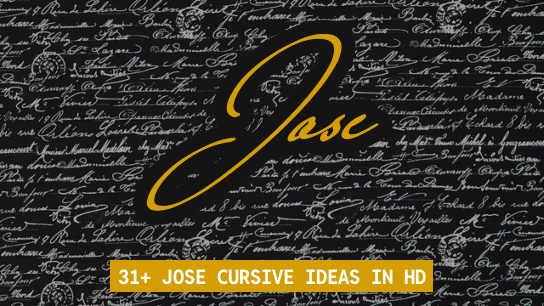
Mastering the art of connected penmanship remains a significant milestone in early childhood education. Children often gaze at cursive writing with a mixture of curiosity and intimidation, viewing those looping ascenders and descenders as an entirely foreign alphabet. Educators frequently notice young learners gripping their writing utensils with white knuckles when transitioning away from print. Providing targeted, engaging resources like the cursive jose printable transforms this apprehension into genuine excitement. Working through personalized name prompts anchors literacy efforts in something deeply familiar to the child. According to Reading Rockets, developing strong foundational writing skills builds the necessary cognitive automaticity that allows students to focus on higher-level composition rather than mere letter mechanics.
💡 Educational Key Takeaways:
- Core Skill: Structured Cursive Jose focused on developing pencil grip, stroke control, and early literacy/math confidence.
- Target Scope: Suited for homeschoolers, preschool, kindergarten, and elementary learners.
- Best Recommendation: Practice 10–15 minutes daily with ergonomic writing tools to reinforce muscle memory without hand fatigue.
What This Worksheet Covers
Targeted name practice bridges the gap between individual letter recognition and fluid, continuous hand movements. The specific layout of this resource guides the hand through the precise sequence of cursive strokes required to spell out a given personal identifier. It sounds simple, and that’s the point. Repetition without frustration helps build muscle memory in the small intrinsic muscles of the hand. Pediatric occupational therapists often observe that children struggle not from a lack of intelligence, but from an undeveloped intrinsic hand arch that makes sustained writing fatiguing. This worksheet specifically addresses stroke order, baseline adherence, and proper letter sequencing. Educators building a comprehensive writing curriculum often integrate these targeted pages alongside broader Name Practice Worksheets to reinforce identity recognition.
Key Learning Outcomes
Repeated tracing establishes vital neurological pathways connecting visual intent to physical execution. Young writers learn to maintain a consistent pencil slant while managing the directional shifts necessary for flowing loops. Hand-eye coordination improves naturally as pencils track along the dotted pathways without straying into wide margins. Furthermore, consistent practice instills an understanding of proportional spacing between interconnected glyphs. Confidence blooms rapidly when a child realizes they can successfully reproduce their own name in elegant, connected script. This early mastery serves as a stepping stone toward exploring more diverse Letter Writing Worksheets that expand vocabulary beyond personal identifiers.
How to Use This Worksheet
Preparation dictates success when introducing new writing concepts to young children. Begin by printing the resource on heavier cardstock rather than standard copy paper, preventing pencils from tearing through damp or overly pressured strokes. Invite the child to first trace the letters using a bare index finger to feel the kinetic flow before introducing a writing utensil. Observing the child during this tactile phase reveals much about their current pencil grasp and postural stability. Providing short, highly focused practice intervals yields far better results than forcing extended, frustrating writing sessions. Pairing these sheets with foundational Tracing Worksheets ensures young hands develop the prerequisite line accuracy before tackling complex cursive connections.
Practical Tips for Parents and Teachers
Here’s what makes this worksheet different: it treats personal identity as the ultimate motivator for fine motor precision. Adults should sit beside the child, observing stroke direction rather than obsessing over immediate perfection. Should a child begin tracing upward instead of downward, gently guide their hand to correct the motor plan before bad habits form. Utilizing broken crayons or short pencils naturally encourages a functional tripod grasp by discouraging tight fist grips. Turning the practice into a low-stakes game reduces anxiety and keeps dopamine levels supportive of sustained attention. Consistency matters far more than volume, meaning five minutes daily beats a grueling thirty-minute weekend session every single time.
Age-Appropriate Recommendations
Introducing cursive elements typically aligns with late kindergarten or early second grade, depending on the individual child’s fine motor maturity. According to the American Occupational Therapy Association, children require adequate bilateral coordination, visual-perceptual skills, and intrinsic hand muscle strength before mastering complex writing tasks. Educators adhering to the Common Core ELA standards (such as CCSS.ELA-LITERACY.L.1.1.A) recognize that printed letter formation must precede fluid cursive integration, ensuring learners do not become overwhelmed by conflicting directional rules. Adults must evaluate readiness by observing whether the child can comfortably copy basic shapes, manage scissors safely, and maintain an efficient tripod grasp for extended periods. When readiness indicators align, introducing personalized cursive resources provides a rewarding challenge that respects developmental timelines.
Adequate bilateral coordination and intrinsic hand strength are foundational prerequisites for mastering complex cursive writing tasks. — American Occupational Therapy Association (AOTA)
Frequently Asked Questions
Parents and educators frequently ask about the ideal printing setup, developmental timing, and strategies for overcoming pencil grip fatigue when introducing connected script to young learners.
Explore More Free Printable Worksheets
Expanding a child’s writing repertoire requires a diverse toolkit of engaging, skill-specific practice pages. Educators looking to build comprehensive curriculums will find endless inspiration across our broader library of Worksheets designed for every developmental stage. Early childhood classrooms also benefit immensely from integrating foundational Preschool Worksheets to prepare tiny hands for future writing milestones.
Developmental Milestone & Activity Table
| Development Stage | Recommended Daily Duration | Primary Learning Objective |
|---|---|---|
| Preschool & Pre-K | 10 – 15 Minutes | Pencil grip development & basic pre-stroke lines |
| Kindergarten | 15 – 20 Minutes | Letter/number formation & spatial line awareness |
| Early Elementary (Grade 1–2) | 20 – 30 Minutes | Fluency, sentence construction & neatness |
Images References