Introduction
Learning to write one’s own name is a monumental milestone in early childhood development. When that name transitions into connected cursive script, children unlock a new level of fine motor coordination, spatial awareness, and personal identity. The free printable worksheet focused on how to write riley in cursive bridges the gap between basic print and flowing handwriting. It sounds simple, and that’s the point. Behind every curved line and looping connector lies a complex neurological process that prepares young learners for academic independence. Adults often underestimate the intricate physical demands placed on small hands when introducing cursive for the first time.
💡 Educational Key Takeaways:
- Core Skill: Structured How To Write Riley In Cursive focused on developing pencil grip, stroke control, and early literacy/math confidence.
- Target Scope: Suited for homeschoolers, preschool, kindergarten, and elementary learners.
- Best Recommendation: Practice 10–15 minutes daily with ergonomic writing tools to reinforce muscle memory without hand fatigue.
What This Worksheet Covers
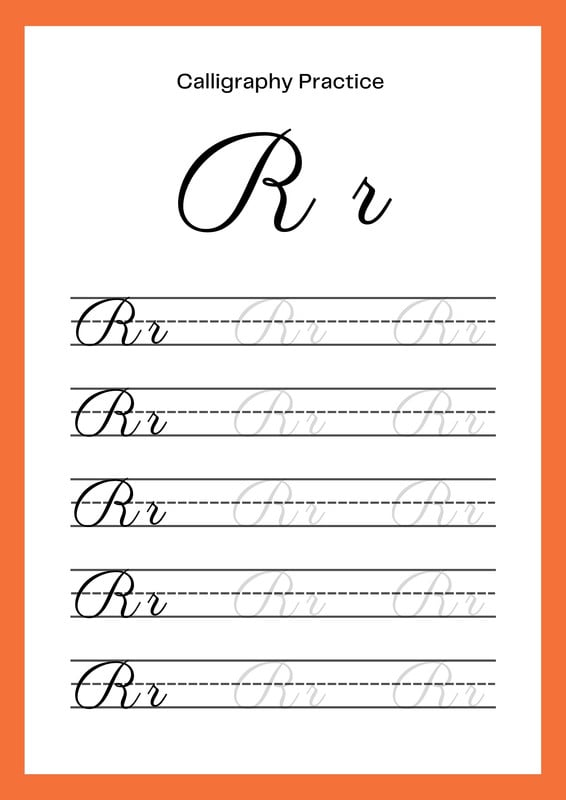
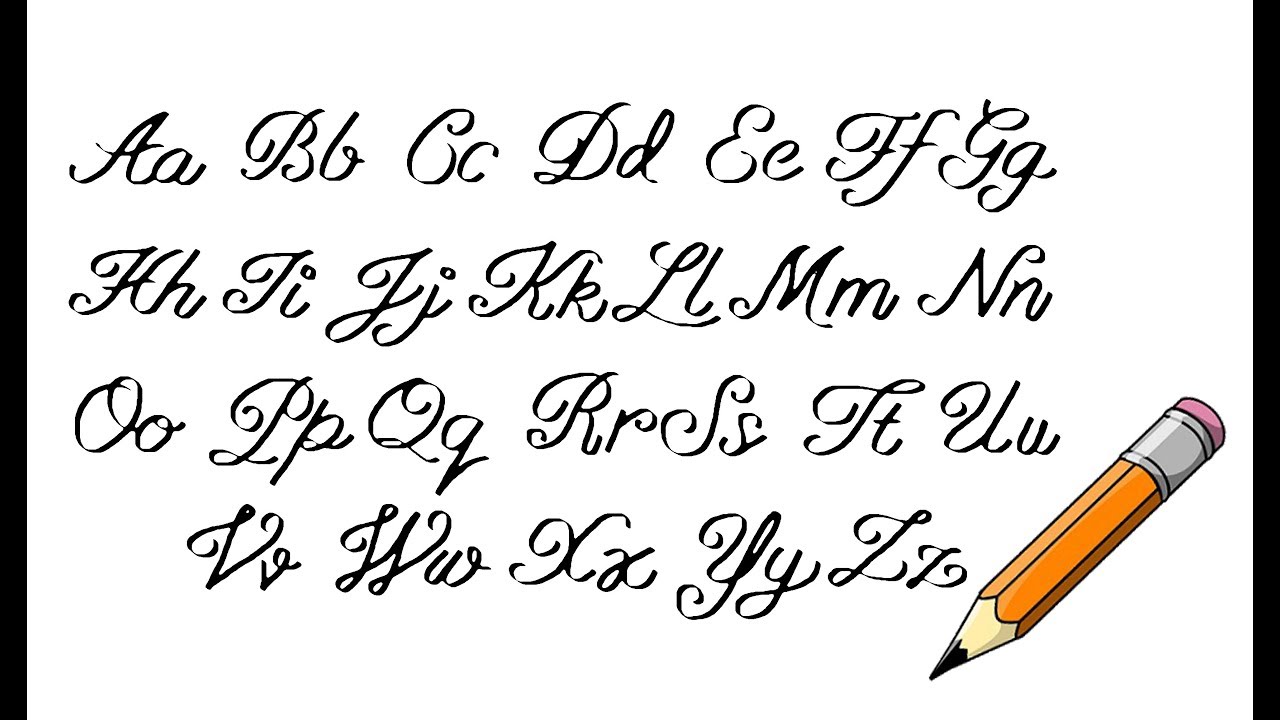
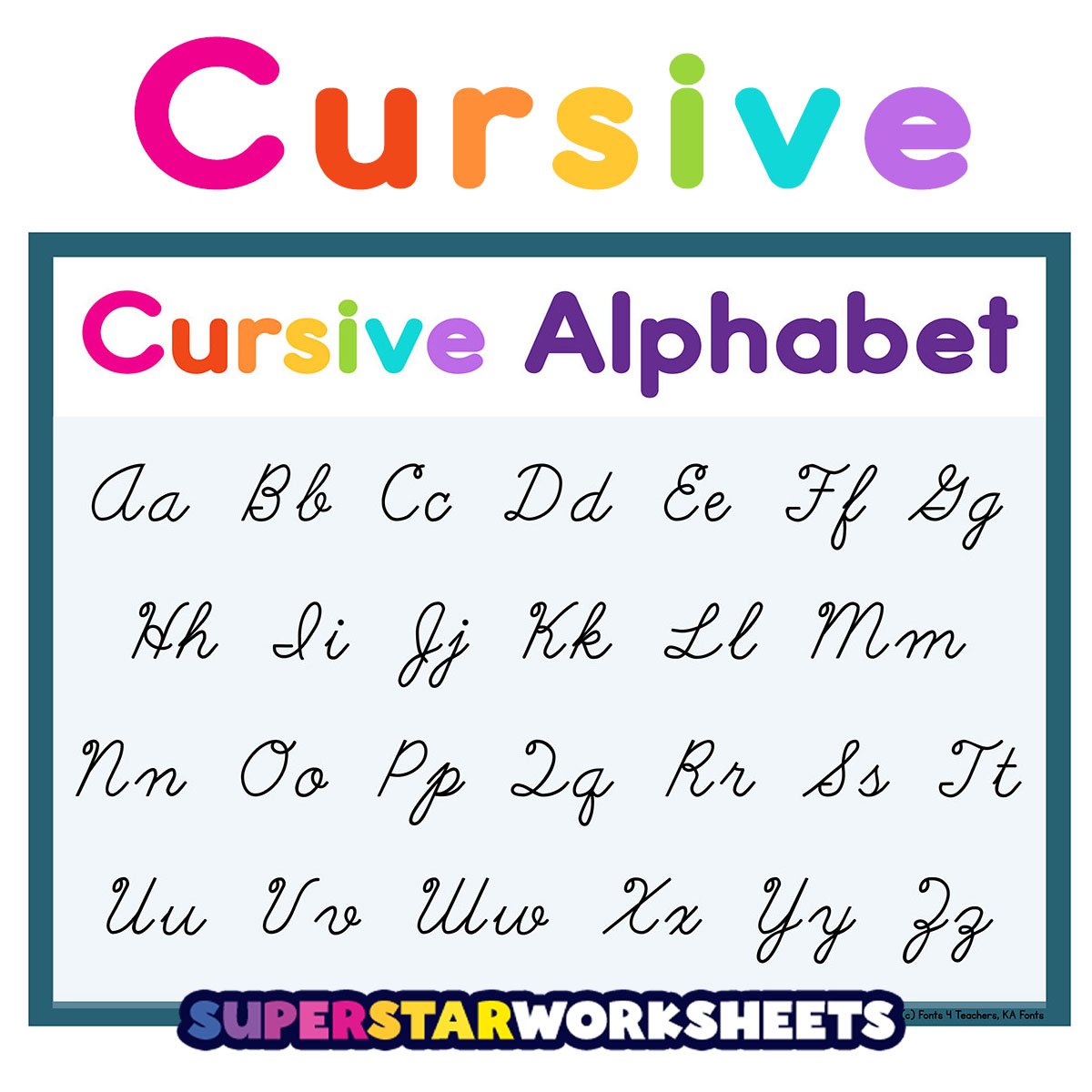
Mastering the specific sequence for the name Riley requires targeted practice with fluid strokes rather than disconnected block letters. Starting with the capital letter ‘R’ demands a steady hand to form the initial loop and descending stem, which then flows seamlessly into the lowercase ‘i’, ‘l’, ‘e’, and ‘y’. Children frequently grip their writing utensils too tightly during these early attempts, resulting in hand fatigue. Occupational therapists observe that proper warm-ups before utilizing Name Practice Worksheets help loosen tight finger muscles. Fluid transitions between letters teach children spatial awareness on the page, ensuring that letters do not crowd together or stretch too far apart.
Key Learning Outcomes
Targeted execution of cursive letterforms reinforces letter sequencing, muscle memory, and bilateral hand coordination. According to the American Occupational Therapy Association, foundational fine motor skills developed through cursive handwriting directly support sustained attention and academic participation in classroom settings. As children trace and independently write the curves of the name Riley, they refine their visual-motor integration. This means the eyes and hands learn to work in unison to replicate specific visual patterns. Beyond physical mechanics, seeing one’s name rendered in elegant cursive fosters deep personal pride, driving intrinsic motivation to keep practicing and improving penmanship across all Worksheets.
How to Use This Worksheet
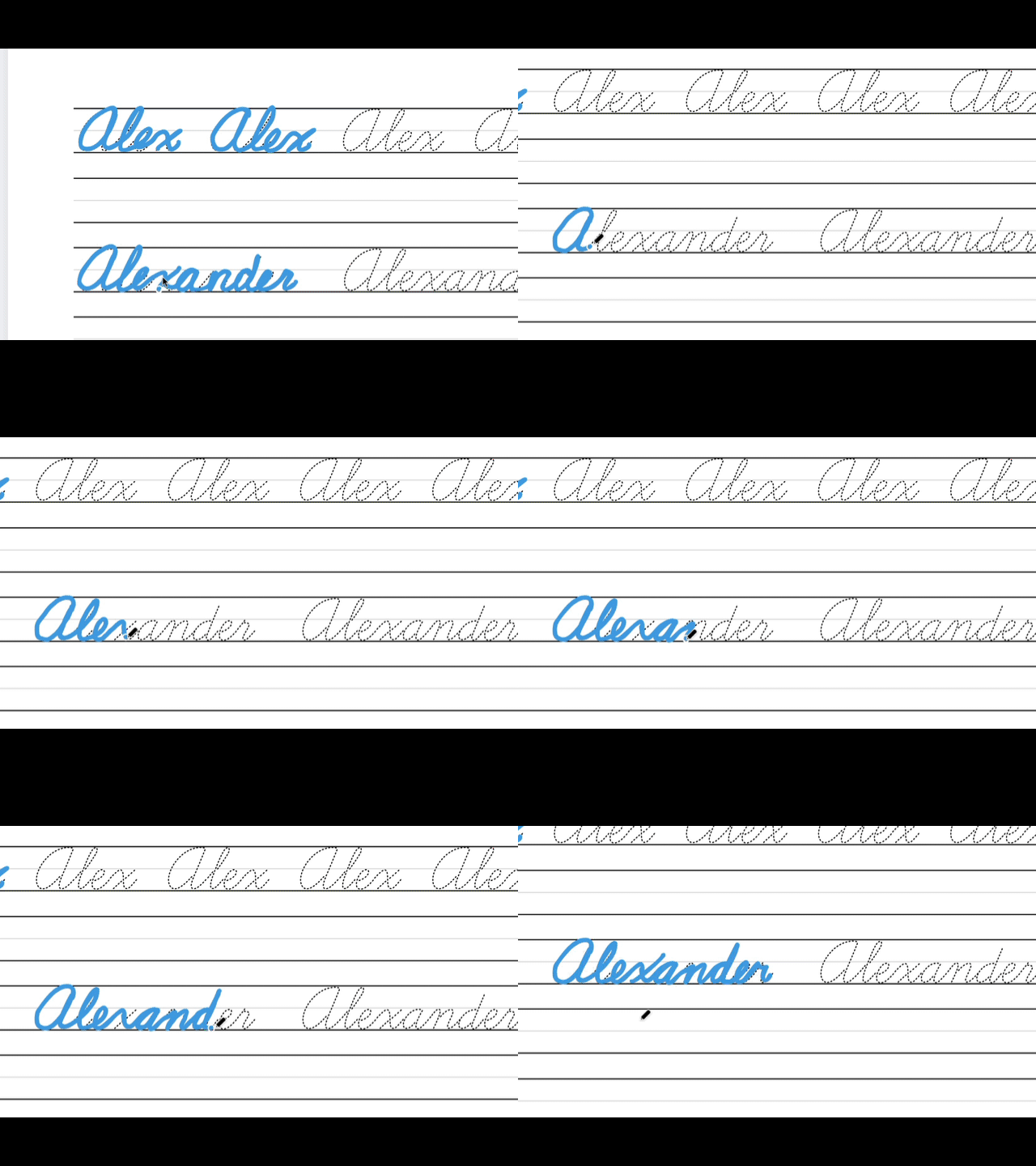
Success with cursive instruction relies heavily on scaffolding and repetition without frustration. Begin by having the child trace the faded gray letterforms of the name Riley using a finger, establishing the correct directional flow before introducing a pencil. Once the physical memory of the strokes takes root, transition to a sharp pencil or a fine-tip washable marker to encourage proper tripod grasp. Here’s what makes this worksheet different: it incorporates graduated sizing, moving from large-format traceable models down to standard primary lines. Educators utilizing Letter Writing Worksheets find that this methodical reduction in scale prevents children from feeling overwhelmed by tiny spatial boundaries.
Practical Tips for Parents and Teachers
Environment and posture play massive roles in successful handwriting outcomes. Ensure the child’s feet rest flat on the floor and the table sits at elbow height to promote core stability. If pencil slippage occurs, short segments of broken crayons or specialized ergonomic grips can help correct finger positioning instantly. Keep practice sessions brief—five to ten minutes of focused tracing yield far better results than an hour of exhausted scribbling. Celebrating small victories, such as a perfectly looped ‘e’ or a smooth connection between the ‘i’ and the ‘l’, builds the emotional resilience needed to tackle more complex writing tasks found within broader Preschool Worksheets.
Age-Appropriate Recommendations
Cursive instruction typically aligns with the developmental milestones outlined in the National Association for the Education of Young Children guidelines for second and third grade, though advanced kindergarteners occasionally show readiness. According to NAEYC developmental standards, children thrive when learning is matched to their physical stamina and cognitive processing capacity rather than strict chronological age. Introducing cursive too early can cause undue frustration if intrinsic hand arches are still developing. For younger children who are still mastering pre-writing strokes, exploring foundational Tracing Worksheets serves as an essential prerequisite before tackling interconnected cursive names like Riley.
Foundational fine motor skills developed through handwriting directly support sustained attention and academic participation in classroom settings. — American Occupational Therapy Association (AOTA)
Frequently Asked Questions
Parents and educators frequently ask about the ideal starting age, printing methods, and developmental benefits of cursive practice. Clear answers help guide effective at-home and classroom instruction for optimal fine motor growth.
Young children benefit significantly from multi-sensory approaches that combine visual tracking, tactile tracing, and rhythmic stroke verbalization during early writing practice. — National Association for the Education of Young Children (NAEYC)
Explore More Free Printable Worksheets
Expanding a child’s writing repertoire opens doors to endless creative and academic possibilities. Beyond individual name mastery, young learners benefit from exploring diverse tracing exercises, alphabet builders, and structural writing challenges. Consistent daily practice across varied formats transforms hesitant marks into confident, fluid handwriting. Dive into additional learning resources today to support every phase of early childhood development.
Developmental Milestone & Activity Table
| Development Stage | Recommended Daily Duration | Primary Learning Objective |
|---|---|---|
| Preschool & Pre-K | 10 – 15 Minutes | Pencil grip development & basic pre-stroke lines |
| Kindergarten | 15 – 20 Minutes | Letter/number formation & spatial line awareness |
| Early Elementary (Grade 1–2) | 20 – 30 Minutes | Fluency, sentence construction & neatness |
Images References