Introduction
Mastering cursive script requires a delicate balance of fluid motion, spatial awareness, and consistent motor control. Learning how to write michelle in cursive offers young learners a meaningful entry point into connected letter forms, transforming abstract loops and lines into a familiar personal identifier. Children frequently experience a burst of pride when transitioning from isolated print letters to flowing cursive signatures. This milestone engages complex cognitive and physical pathways, bridging early literacy with advanced fine motor execution. Exploring dedicated Name Practice Worksheets provides children with the targeted repetition necessary to build muscle memory without overwhelming the developing hand.
💡 Educational Key Takeaways:
- Core Skill: Structured How To Write Michelle In Cursive focused on developing pencil grip, stroke control, and early literacy/math confidence.
- Target Scope: Suited for homeschoolers, preschool, kindergarten, and elementary learners.
- Best Recommendation: Practice 10–15 minutes daily with ergonomic writing tools to reinforce muscle memory without hand fatigue.
What This Worksheet Covers
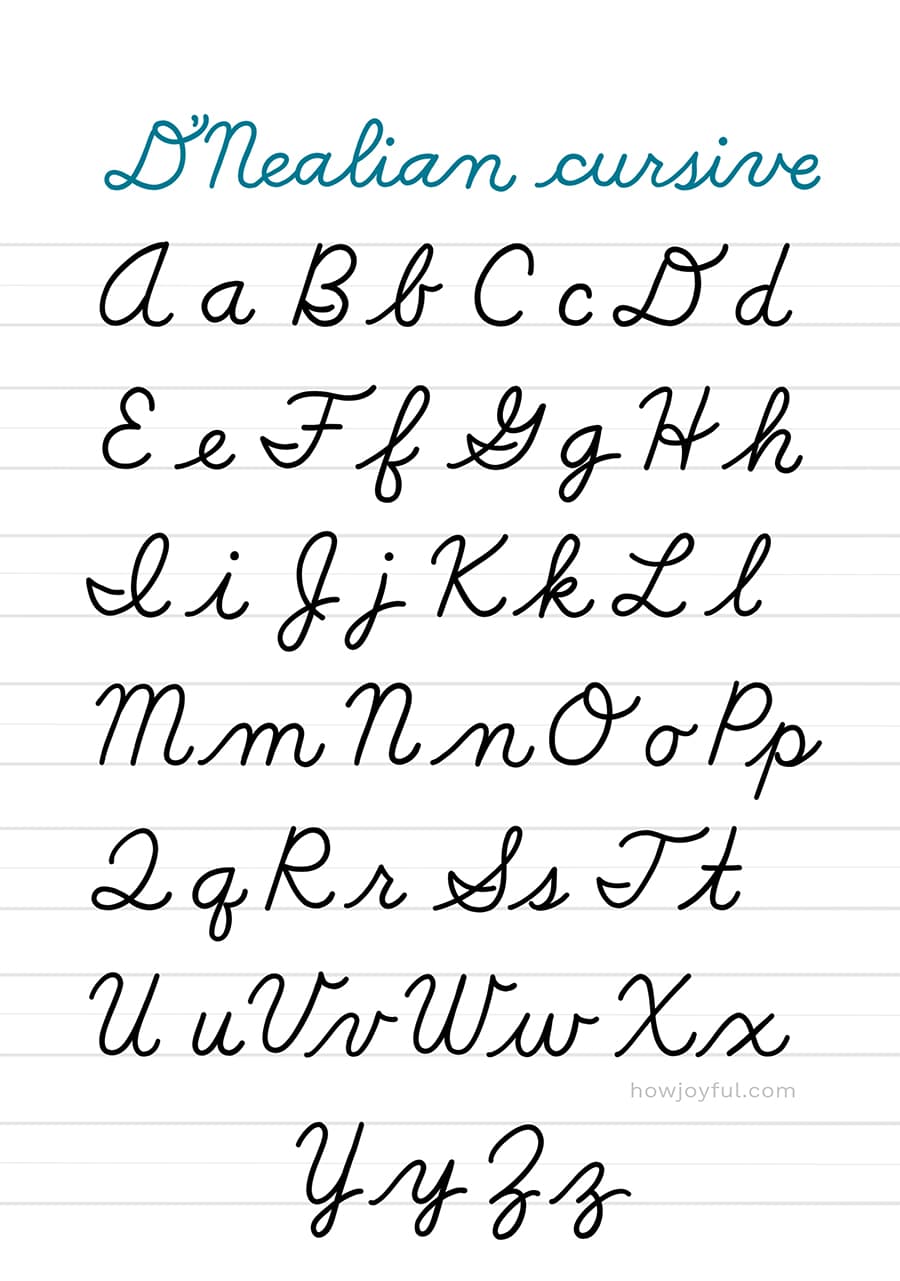
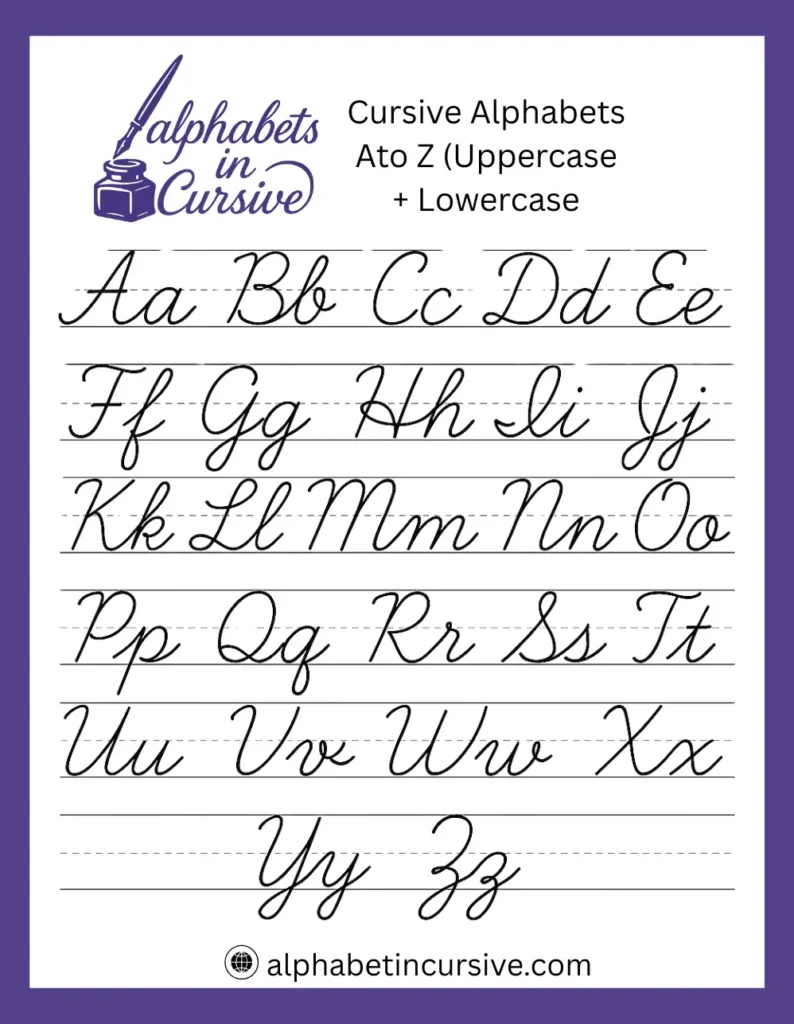
The focused layout guides the hand through the specific transitions required to connect the capital M into the fluid lowercase letters that follow. Every stroke is mapped to encourage proper pencil flow, reducing the heavy lifting and stopping that often frustrates beginners. Educators observe that children often press too hard when attempting complex diagonal connectors, leading to hand fatigue within minutes. Guided models help mitigate this by demonstrating gentle, rhythmic pacing across the baseline. Building competence in these foundational movements often connects closely to broader exercises found within Letter Writing Worksheets, ensuring that isolated character mastery translates directly into fluid word-level composition.
Key Learning Outcomes
Targeted practice sessions foster letter sequencing, spatial orientation, and reliable pencil pressure control. According to Reading Rockets, explicit instruction in handwriting mechanics significantly enhances overall written expression and reading fluency in early elementary students. Children learn to maintain uniform slant and spacing while navigating the challenging peaks and valleys characteristic of the name Michelle. This progression supports the development of automaticity, freeing up working memory so young writers can focus on the content and meaning of their written words rather than the mechanics of grip and stroke.
How to Use This Worksheet
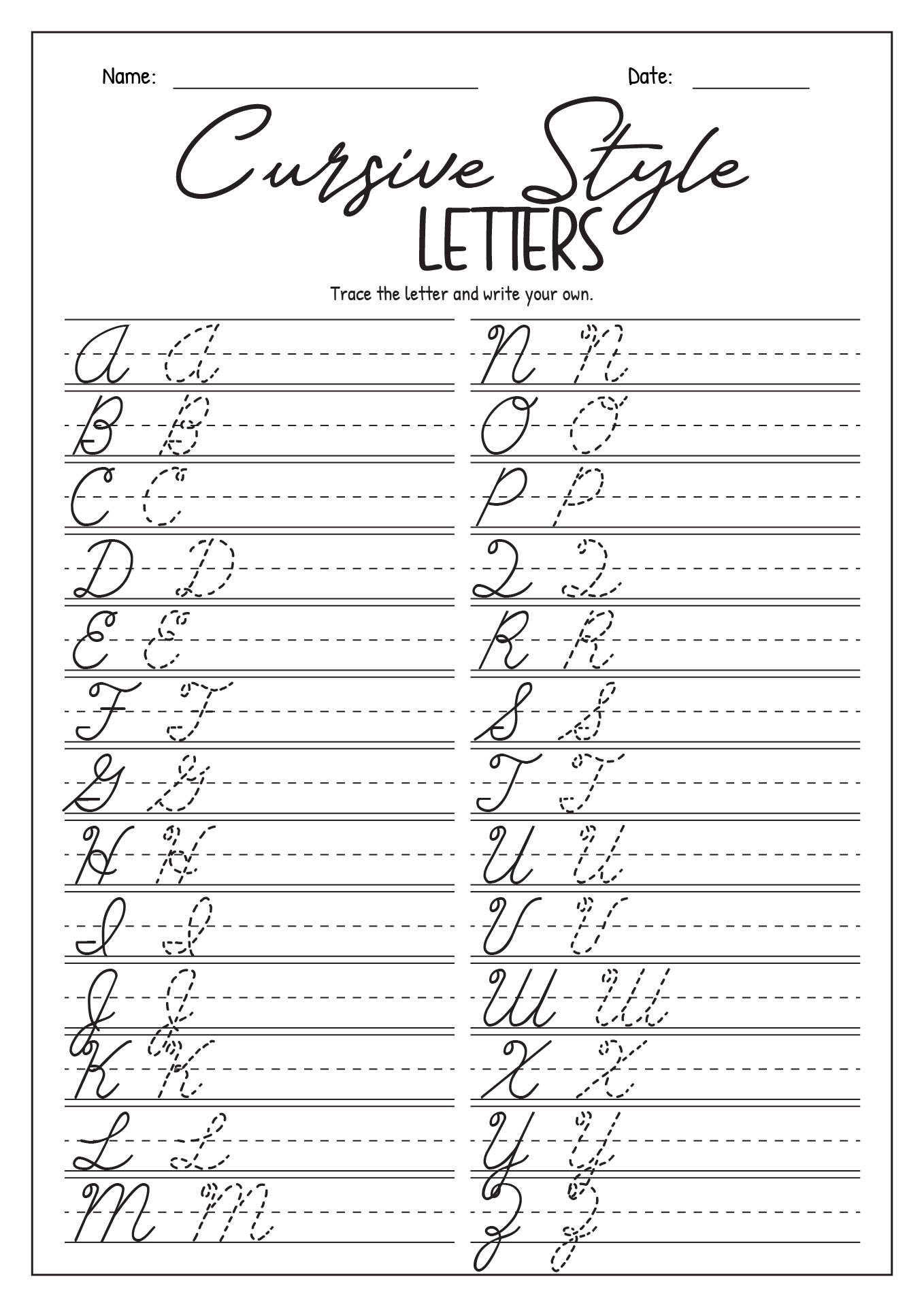
Beginners should trace the faded models using a thick pencil or crayon to maximize tactile feedback and encourage an efficient tripod grasp. Adults can demonstrate the continuous motion in the air first, allowing the child to mirror the sweeping gesture before touching the page. It sounds simple, and that’s the point. Repetitive air-writing activates proprioceptive awareness in the shoulder and elbow joints, which stabilizes the entire arm before fine finger adjustments take over. Once the child feels confident with the kinesthetic pathway, transition them to the paper version for pencil-to-paper practice.
Practical Tips for Parents and Teachers
Keep practice intervals short, ideally lasting no longer than five to ten minutes per session to prevent cramping and loss of focus. Positioning the paper at a slight angle matching the forearm slant of the dominant hand naturally aligns the wrist for cursive writing. When children exhibit frustration, step back and encourage tracing with an index finger instead of an immediate return to the pencil. For younger learners building baseline dexterity, incorporating activities from Tracing Worksheets beforehand can strengthen the pre-writing strokes required for smooth cursive connectors.
Age-Appropriate Recommendations
Introducing cursive name writing is most effective during second grade, aligning with the Handwriting Without Tears developmental continuum where children have already established consistent print letter size and baseline adherence. According to the American Occupational Therapy Association (AOTA), functional handwriting proficiency relies on integrated visual-motor skills, tactile processing, and postural stability, which typically reach sufficient maturity for cursive instruction around age seven or eight. Pushing these complex spatial demands too early can result in awkward compensatory grips that prove difficult to modify later on.
Explicit instruction in handwriting mechanics significantly enhances overall written expression and reading fluency in early elementary students. — Reading Rockets
Frequently Asked Questions
Explore More Free Printable Worksheets
Expanding a child’s writing repertoire benefits from variety and continuous exposure to structured handwriting templates. Caregivers can access a broader selection of educational materials by exploring comprehensive collections of Worksheets designed to support every stage of childhood development. From early pencil control drills to advanced literacy practice, providing the right tools at the right developmental window sets the stage for lifelong academic confidence and smooth, legible handwriting.
Developmental Milestone & Activity Table
| Development Stage | Recommended Daily Duration | Primary Learning Objective |
|---|---|---|
| Preschool & Pre-K | 10 – 15 Minutes | Pencil grip development & basic pre-stroke lines |
| Kindergarten | 15 – 20 Minutes | Letter/number formation & spatial line awareness |
| Early Elementary (Grade 1–2) | 20 – 30 Minutes | Fluency, sentence construction & neatness |
Images References