Introduction
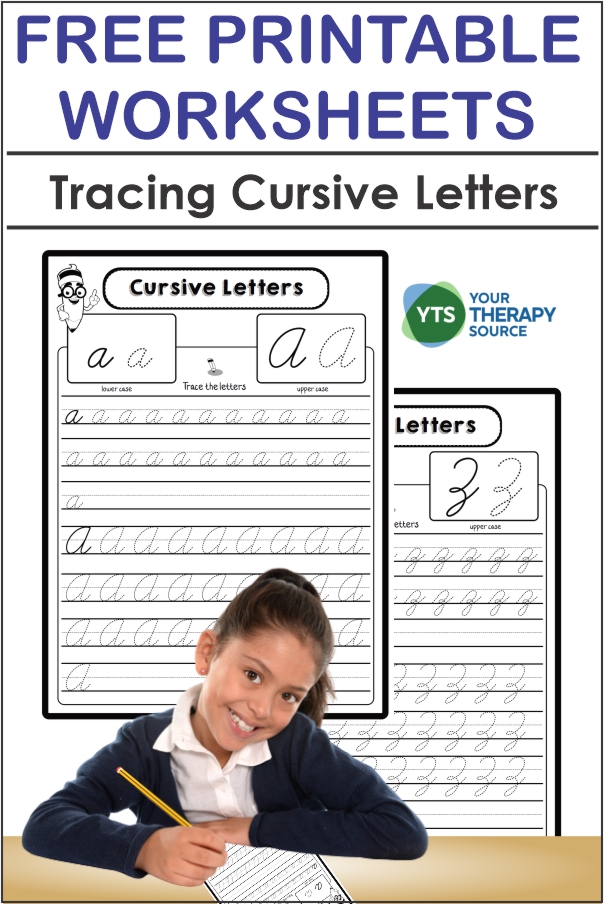
Guiding young learners through the transition into connected script requires patience, precision, and the right instructional tools. Introducing the free printable worksheet “cursive wrting evalyn” on {site_name} bridges the gap between basic print and fluid handwriting. Children often stare at a blank page with hesitation, unsure where to initiate the sweeping loops and slanted connections that define cursive writing. Observing a child struggle with pencil pressure while attempting connected letters reveals why targeted practice sheets remain indispensable. According to the American Occupational Therapy Association (AOTA), proficient fine motor manipulation directly influences academic success and self-esteem during early elementary school years. Educators and caregivers frequently notice that traditional print offers a rigid foundation, whereas cursive engages continuous fluid motion. This particular name-based practice asset transforms abstract stroke patterns into a deeply personal, meaningful spelling experience.
💡 Educational Key Takeaways:
- Core Skill: Structured Cursive Wrting Evalyn focused on developing pencil grip, stroke control, and early literacy/math confidence.
- Target Scope: Suited for homeschoolers, preschool, kindergarten, and elementary learners.
- Best Recommendation: Practice 10–15 minutes daily with ergonomic writing tools to reinforce muscle memory without hand fatigue.
What This Worksheet Covers
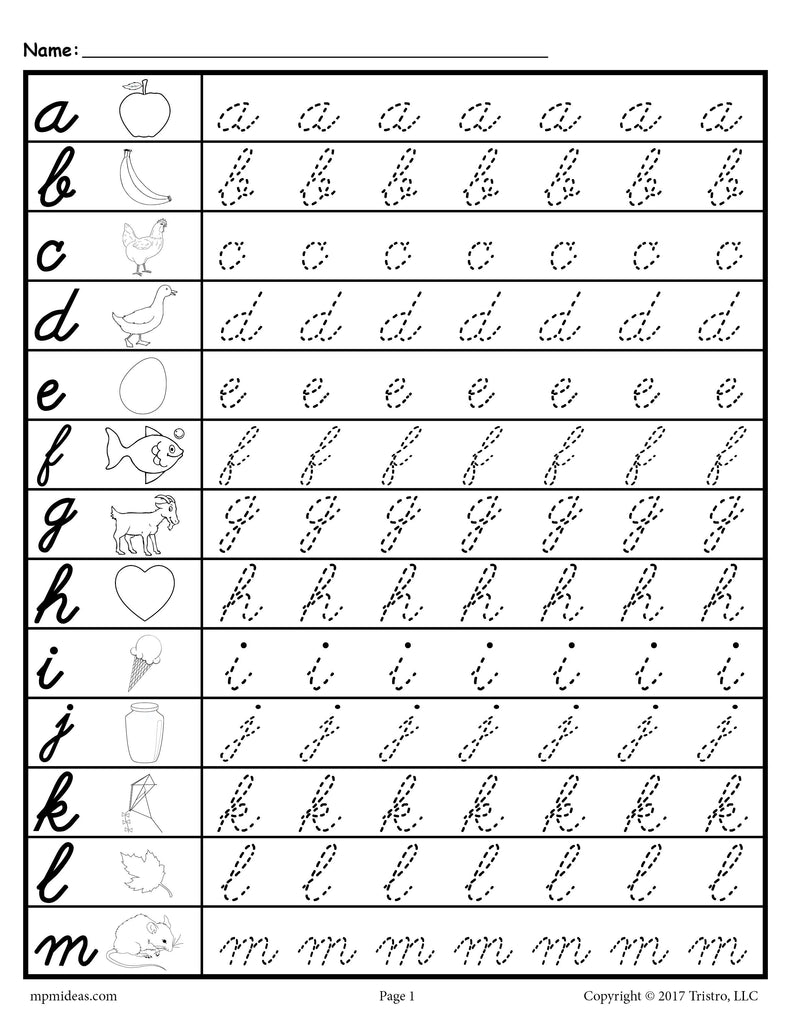
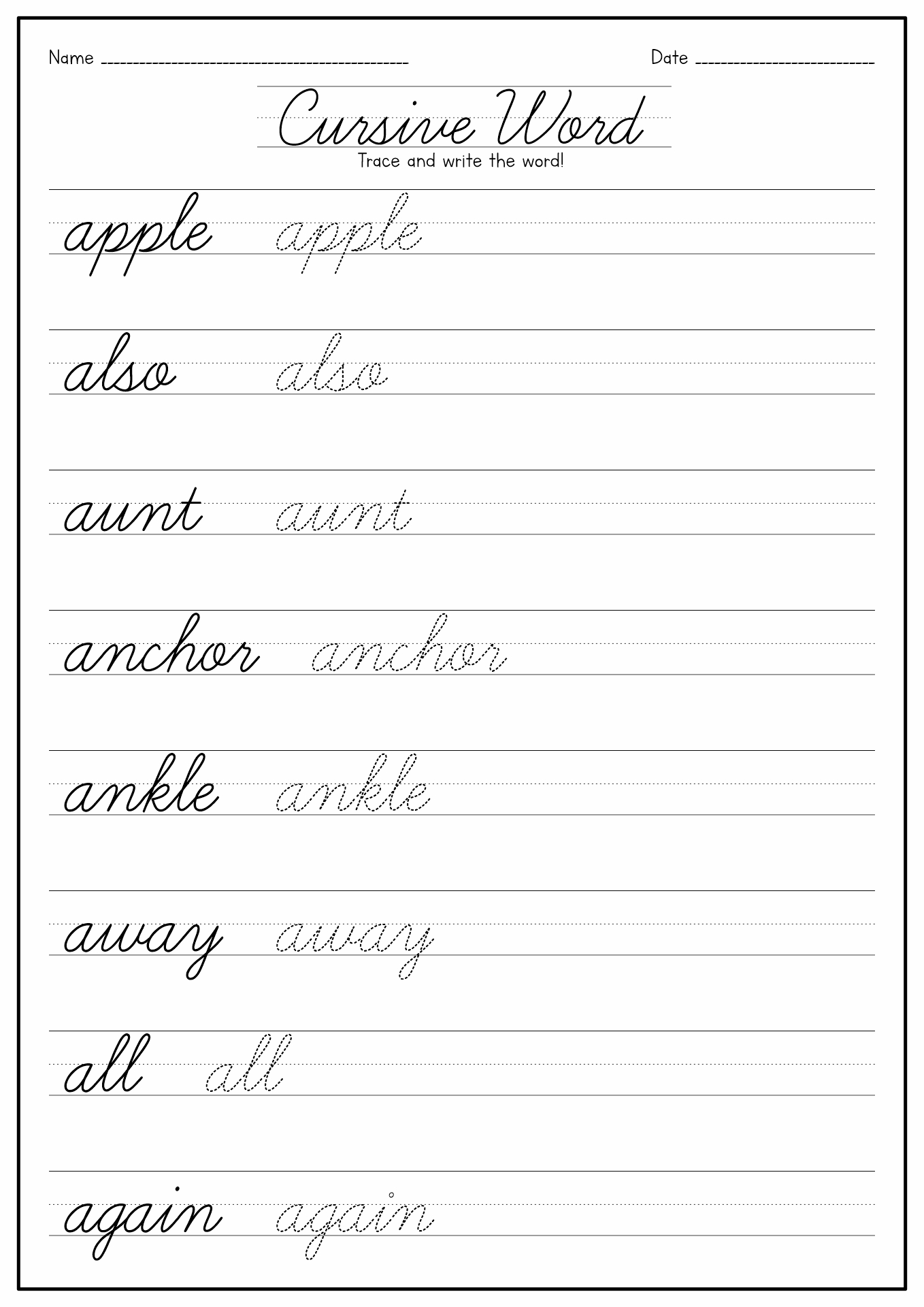
Mastering connected script demands an understanding of letter formation, stroke order, and proportional spacing between individual characters. This resource addresses the specific kinetic movements required to link letters smoothly without lifting the writing utensil unnecessarily. Children build essential muscle memory as they trace and replicate the specialized curves native to cursive alphabets. Beyond mere letter mimicry, the sheet reinforces name recognition and spatial awareness across the page. It sounds simple, and that’s the point: purposeful repetition breeds automaticity. When young writers practice their own names or target vocabulary within structured guidelines, cognitive load decreases significantly. Exploring additional resources via Name Practice Worksheets provides complementary opportunities to reinforce these foundational sequencing skills.
Key Learning Outcomes
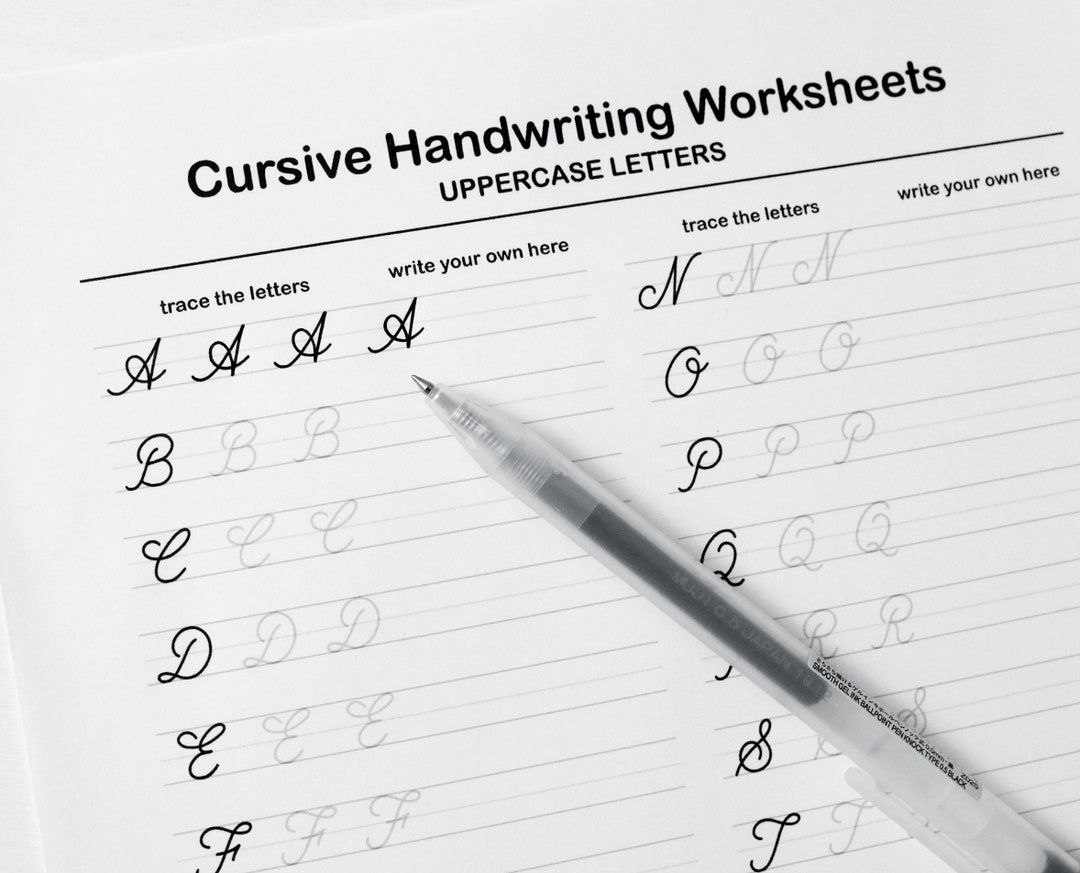
Targeted execution of this printable builds critical pencil control and hand-eye coordination. Regular engagement helps stabilize the small intrinsic muscles of the hand, reducing fatigue during longer writing tasks. According to Reading Rockets, systematic handwriting instruction strengthens orthographic mapping, which is the mental process used to store words for instant retrieval. Learners advance from tentative strokes to confident, rhythmic motions that span the baseline and midline. Additional support can be found by integrating exercises from Letter Writing Worksheets to solidify proper uppercase and lowercase proportions.
How to Use This Worksheet
Implementation requires more than simply handing a child a pencil and leaving them to work independently. Adults should first demonstrate the correct starting point for each sweeping stroke, verbalizing the direction of the pencil movement aloud. Observing a child’s grip during these sessions often uncovers unnecessary tension in the thumb and index finger. Providing a short physical warm-up, such as finger stretches or wall pushes, prepares the hand joints for the sustained control needed for cursive loops. Positioning the paper at a comfortable angle matching the child’s natural slant drastically improves postural alignment and line accuracy.
Practical Tips for Parents and Teachers
Creating a low-stress environment fosters the persistence required for mastering intricate cursive connections. Instructors can utilize tactile elements, such as tracing textured versions of the letters before moving to standard paper. Limiting practice sessions to short, ten-minute intervals prevents mental burnout and physical hand cramping. Celebrating incremental progress, such as a single perfectly formed loop or consistent slant, builds intrinsic motivation. For broader pre-writing readiness across younger age brackets, exploring Preschool Worksheets offers supportive developmental stepping stones.
Age-Appropriate Recommendations
Introducing cursive typically aligns with second or third-grade developmental milestones, matching standards outlined in the Common Core ELA framework (CCSS.ELA-LITERACY.L.2.1.A). Younger children in kindergarten or first grade may lack the intrinsic hand strength and visual-motor integration required for continuous looping strokes. For early elementary students, keeping writing utensils short, like broken crayons or golf pencils, naturally encourages a functional tripod grasp. Rushing this developmental sequence often leads to frustration and awkward pencil mechanics that prove difficult to correct later.
Proficient handwriting instruction directly supports orthographic mapping and cognitive fluency — Reading Rockets
Frequently Asked Questions
Answers to common inquiries regarding implementation and printing ensure seamless integration into daily learning routines at home or inside the classroom.
Explore More Free Printable Worksheets
Expanding a child’s fine motor toolkit requires access to a diverse array of instructional materials tailored to specific developmental milestones. Utilizing a variety of core assets ensures that children remain engaged while building essential writing stamina. Educators can seamlessly incorporate options found under Tracing Worksheets to refine early line accuracy, or browse the complete collection of Worksheets available on {site_name} to support comprehensive literacy development.
Developmental Milestone & Activity Table
| Development Stage | Recommended Daily Duration | Primary Learning Objective |
|---|---|---|
| Preschool & Pre-K | 10 – 15 Minutes | Pencil grip development & basic pre-stroke lines |
| Kindergarten | 15 – 20 Minutes | Letter/number formation & spatial line awareness |
| Early Elementary (Grade 1–2) | 20 – 30 Minutes | Fluency, sentence construction & neatness |
Images References