Introduction
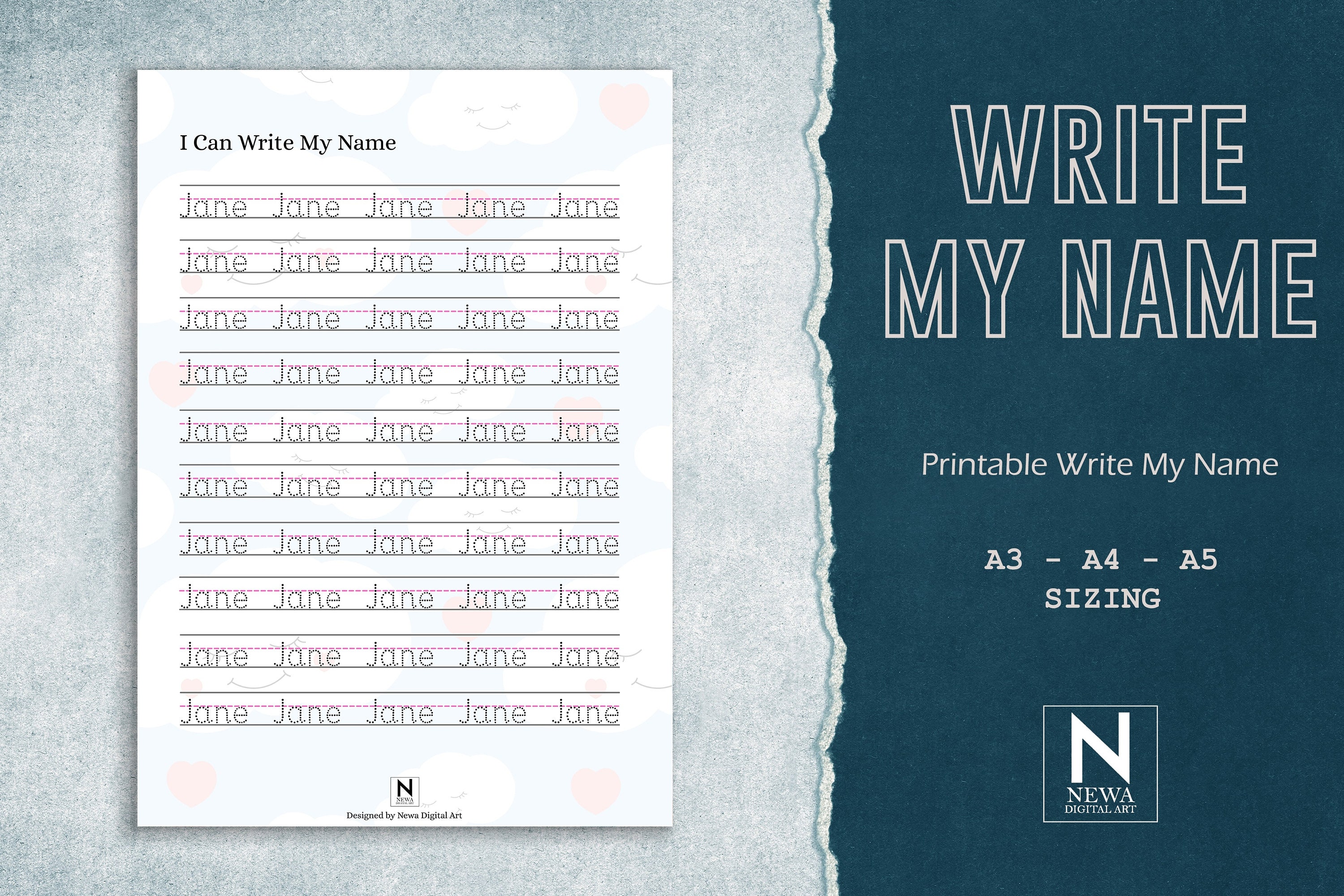
Mastering personal identifier writing stands as a monumental milestone during early childhood development. When young learners begin exploring the free printable worksheet “how to write lucy in handwriting,” they engage in much more than simple pencil tracing. Name recognition serves as the foundational stepping stone for all future literacy skills, sparking a child’s sense of personal identity and ownership over their learning journey. Experience shows that children light up with immense pride the exact moment they successfully construct the letters of their own name without assistance. Supporting this foundational phase requires resources that bridge cognitive recognition with precise physical execution.
💡 Educational Key Takeaways:
- Core Skill: Structured How To Write Lucy In Handwriting focused on developing pencil grip, stroke control, and early literacy/math confidence.
- Target Scope: Suited for homeschoolers, preschool, kindergarten, and elementary learners.
- Best Recommendation: Practice 10–15 minutes daily with ergonomic writing tools to reinforce muscle memory without hand fatigue.
What This Worksheet Covers
This targeted exercise focuses heavily on letter sequencing, spatial awareness, and proper stroke order specifically tailored for the name Lucy. Every single letter—from the sweeping diagonal strokes of the capital L to the curved loops of the lowercase u, c, and y—demands distinct fine motor precision. Children transition from generalized scribbling to deliberate line control as they navigate the guided paths. Beyond handwriting mechanics, exploring additional Name Practice Worksheets allows developing writers to reinforce these exact letter-formation habits across various contexts.
Key Learning Outcomes
Repetitive tracing and independent writing trials cultivate essential muscle memory within the small muscles of the hand and fingers. According to the American Occupational Therapy Association, foundational fine motor competencies directly influence a student’s long-term academic success and classroom engagement. Young learners develop improved bilateral coordination, visual-motor integration, and directional awareness through structured letter practice. Success here builds immediate confidence, transforming what might feel like a frustrating chore into an empowering daily routine.
How to Use This Worksheet
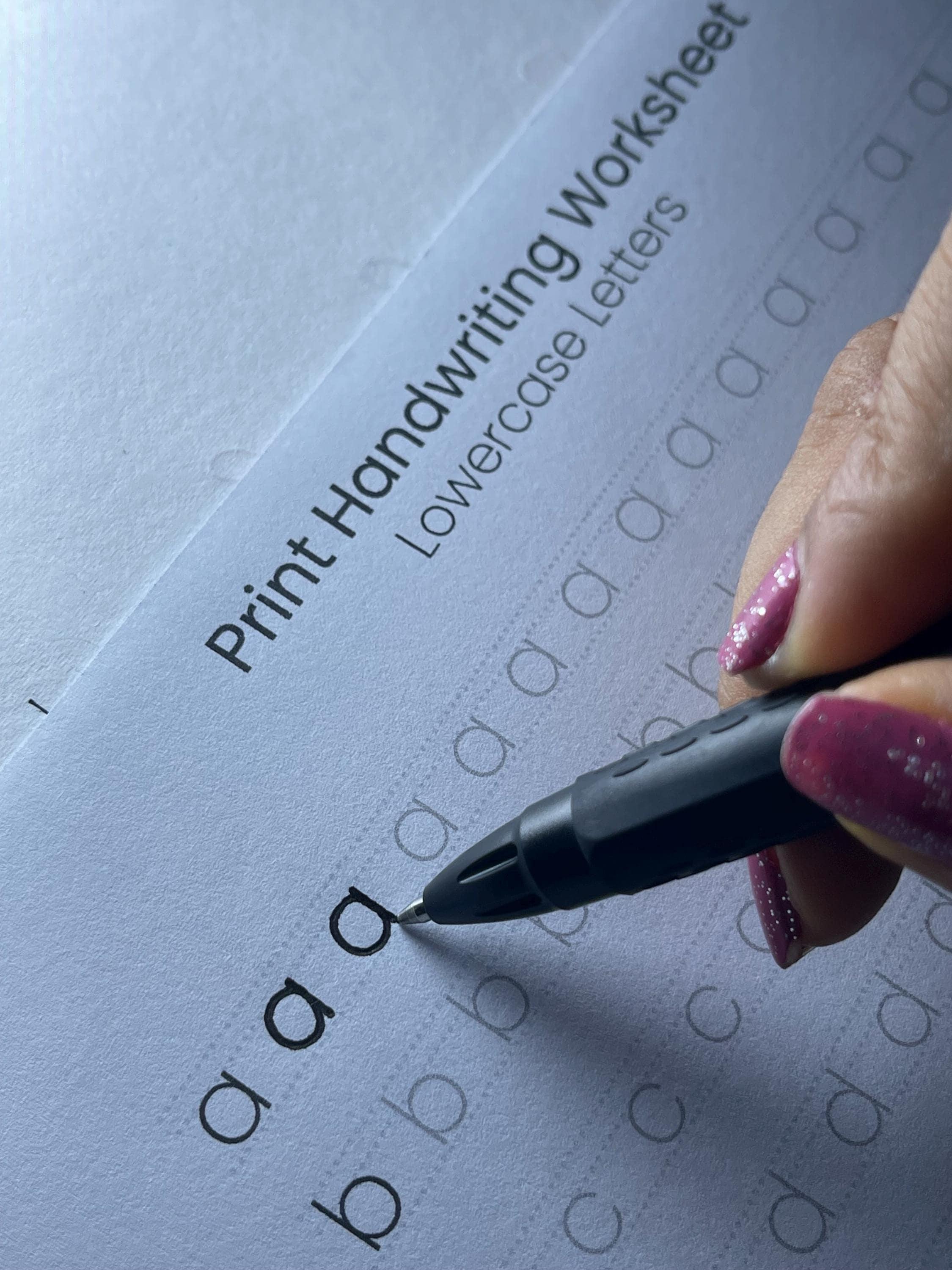
Implementation requires a supportive environment paired with appropriate writing tools, such as short primary pencils or chunky crayons that naturally encourage a mature tripod grasp. Adults should first demonstrate the correct starting points for each letter, emphasizing that writing traditionally moves from top to bottom and left to right. Learners trace the faded exemplars slowly before attempting freehand generation on the blank primary lines provided below. Integrating broader Tracing Worksheets beforehand helps warm up the hand muscles required for accurate letter formation.
Practical Tips for Parents and Teachers
It sounds simple, and that is the point: keep practice sessions short, positive, and frequent rather than long and exhausting. Educators often notice young children gripping pencils with excessive force when frustrated, so incorporating brief hand-stretching exercises beforehand works wonders. Celebrate small victories, such as a well-formed capital L or a properly closed circle on the letter c, rather than demanding absolute perfection on the first try. Providing physical hand-over-hand guidance gently corrects stroke direction without inducing stress.
Age-Appropriate Recommendations
According to the National Association for the Education of Young Children Developmentally Appropriate Practice framework, children typically master writing their first names between ages four and six. Younger toddlers around age three benefit immensely from sensory-based pre-writing tasks, whereas older kindergarteners thrive on independent line adherence and sizing consistency. Selecting appropriate Preschool Worksheets ensures that developmental tasks match the exact physical and cognitive readiness level of the child.
Fine motor competence and pencil control significantly predict early academic achievement and literacy readiness — American Occupational Therapy Association
Frequently Asked Questions
Explore More Free Printable Worksheets
Expanding a child’s educational toolkit involves integrating diverse practice materials designed for holistic skill growth. Discovering supplemental Letter Writing Worksheets ensures learners continue building alphabet fluency well beyond name mastery. Exploring comprehensive educational Worksheets provides endless opportunities for joyful, scaffolded skill development at home or inside the modern classroom.
Developmental Milestone & Activity Table
| Development Stage | Recommended Daily Duration | Primary Learning Objective |
|---|---|---|
| Preschool & Pre-K | 10 – 15 Minutes | Pencil grip development & basic pre-stroke lines |
| Kindergarten | 15 – 20 Minutes | Letter/number formation & spatial line awareness |
| Early Elementary (Grade 1–2) | 20 – 30 Minutes | Fluency, sentence construction & neatness |
Images References