Introduction
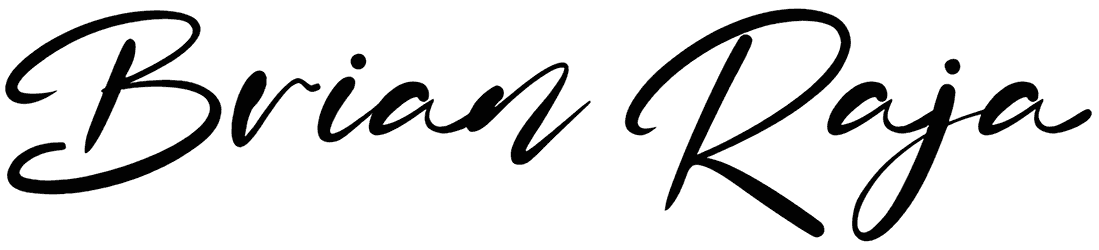
Developing early literacy and foundational fine motor skills requires more than just handing a child a writing utensil and a blank page. The free printable worksheet crusve writing of brian bridges the gap between playful engagement and structured pencil control for young learners. Years of observing children at small wooden tables reveal a common struggle: the hand tires quickly, fingers cramp, and frustration mounts when fine motor demands outpace physical readiness. This resource addresses those hurdles directly by targeting pre-writing strokes and line accuracy through a personalized context that children find immediately engaging. Building confidence in early writing begins with supportive, low-stakes practice that honors the natural developmental trajectory of the hand, making this tool a valuable addition to any early learning environment.
💡 Educational Key Takeaways:
- Core Skill: Structured Crusve Writing Of Brian focused on developing pencil grip, stroke control, and early literacy/math confidence.
- Target Scope: Suited for homeschoolers, preschool, kindergarten, and elementary learners.
- Best Recommendation: Practice 10–15 minutes daily with ergonomic writing tools to reinforce muscle memory without hand fatigue.
What This Worksheet Covers
Targeting essential pre-writing strokes and pencil control, the layout guides children through fluid motions that mimic the building blocks of both uppercase and lowercase letter formation. It sounds simple, and that’s the point. Fine motor control relies on the dissociation of finger movements from gross arm movements, a neurological milestone that develops gradually during early childhood. Children must learn to navigate curves, directional changes, and spatial boundaries without straying off course. When exploring resources within broader collections like Tracing Worksheets, educators often notice that structured guidance helps minimize hand fatigue by encouraging proper dynamic tripod grasps instead of tight, fisted grips. The specific path layouts on this page help children coordinate visual input with precise motor output, laying the groundwork for legible handwriting down the road.
Key Learning Outcomes
Mastering the curves and lines on this page yields tangible improvements in hand-eye coordination and visual-motor integration. Learners build intrinsic hand muscle strength, particularly in the lumbricals and interossei, which are responsible for stabilizing the arches of the palm. According to the American Occupational Therapy Association, foundational fine motor tasks directly support a child’s ability to participate successfully in daily school routines, from managing fasteners to manipulating writing tools. Beyond physical endurance, working through these targeted lines fosters sustained attention and spatial awareness. Children learn to anticipate directional shifts, control pencil pressure, and maintain a steady rhythm across the page, translating visual blueprints into physical actions with increasing autonomy.
How to Use This Worksheet
Implementation requires careful observation of posture, lighting, and workspace ergonomics before the first mark is made. Feet should rest flat on the floor, hips and knees bent at ninety-degree angles, with the paper slanted slightly to match the natural arc of the child’s forearm. Adults can introduce the page as an interactive journey rather than a rigid drill, encouraging learners to trace the paths with a finger before introducing crayons, markers, or short pencils. Short pencils naturally encourage an appropriate three-finger grasp by preventing the hand from wrapping around the shaft. Integrating these exercises alongside tools from Preschool Worksheets ensures a balanced approach that pairs cognitive readiness with physical skill-building across various developmental domains.
Practical Tips for Parents and Teachers
Guidance should remain positive, focusing on effort and fluid movement rather than strict perfection inside the lines. Educators frequently observe that children press down with excessive force when anxious, which quickly exhausts the hand muscles and tears the paper. Introduce alternative sensory mediums, such as placing the printed sheet inside a plastic sleeve and tracing the paths with dry-erase markers, or laying textured materials underneath for tactile feedback. Breaking the session into brief, five-minute intervals maintains engagement and prevents physical strain. Pairing these tracing activities with fun name-building routines found in Name Practice Worksheets creates a cohesive literacy experience that keeps learners motivated from start to finish.
Age-Appropriate Recommendations
Aligning with the National Association for the Education of Young Children Developmentally Appropriate Practice framework, this resource fits best within early childhood classrooms serving children ages three through six. Younger toddlers benefit from using thick, broken crayons that promote a palmar or digital pronate grasp, while older preschoolers and kindergarteners can refine their pincer grasp using standard writing implements. According to the National Center for Learning Disabilities, explicit instruction in pre-writing stroke sequences during these formative years significantly reduces later handwriting difficulties and supports overall academic self-efficacy. Adults should continuously assess individual readiness, offering larger-scale tracing formats for children still developing shoulder stability, while reserving precise, smaller-scale worksheets for learners who demonstrate established fine motor control.
Foundational fine motor tasks directly support a child’s ability to participate successfully in daily school routines — American Occupational Therapy Association
Frequently Asked Questions
Getting started is straightforward with the right tools and clear instructions.
Pre-writing stroke instruction during early childhood significantly reduces later handwriting difficulties — National Center for Learning Disabilities
Explore More Free Printable Worksheets
Expanding an early childhood curriculum involves utilizing diverse resources that target every facet of development, from creative expression to foundational literacy. Educators and caregivers can easily browse through comprehensive categories like Letter Writing Worksheets to build alphabet knowledge alongside motor control. For artistic expression that doubles as hand-strengthening practice, explore the selection of Coloring Worksheets. Every collection of printable Worksheets is crafted to support young learners on their unique developmental journeys toward lifelong academic success.
Developmental Milestone & Activity Table
| Development Stage | Recommended Daily Duration | Primary Learning Objective |
|---|---|---|
| Preschool & Pre-K | 10 – 15 Minutes | Pencil grip development & basic pre-stroke lines |
| Kindergarten | 15 – 20 Minutes | Letter/number formation & spatial line awareness |
| Early Elementary (Grade 1–2) | 20 – 30 Minutes | Fluency, sentence construction & neatness |
Images References