Introduction
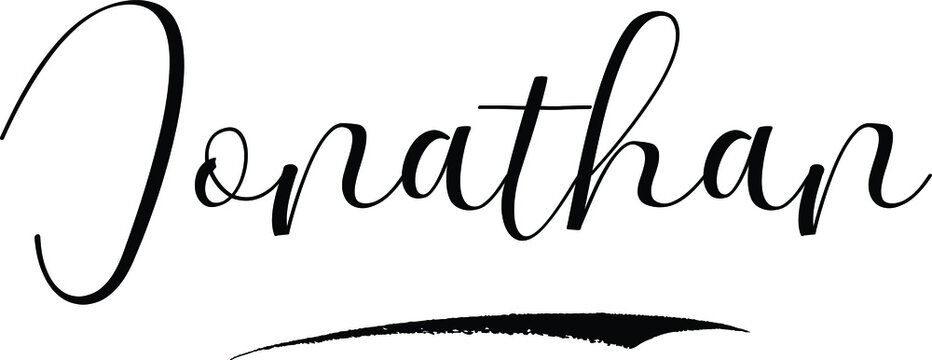
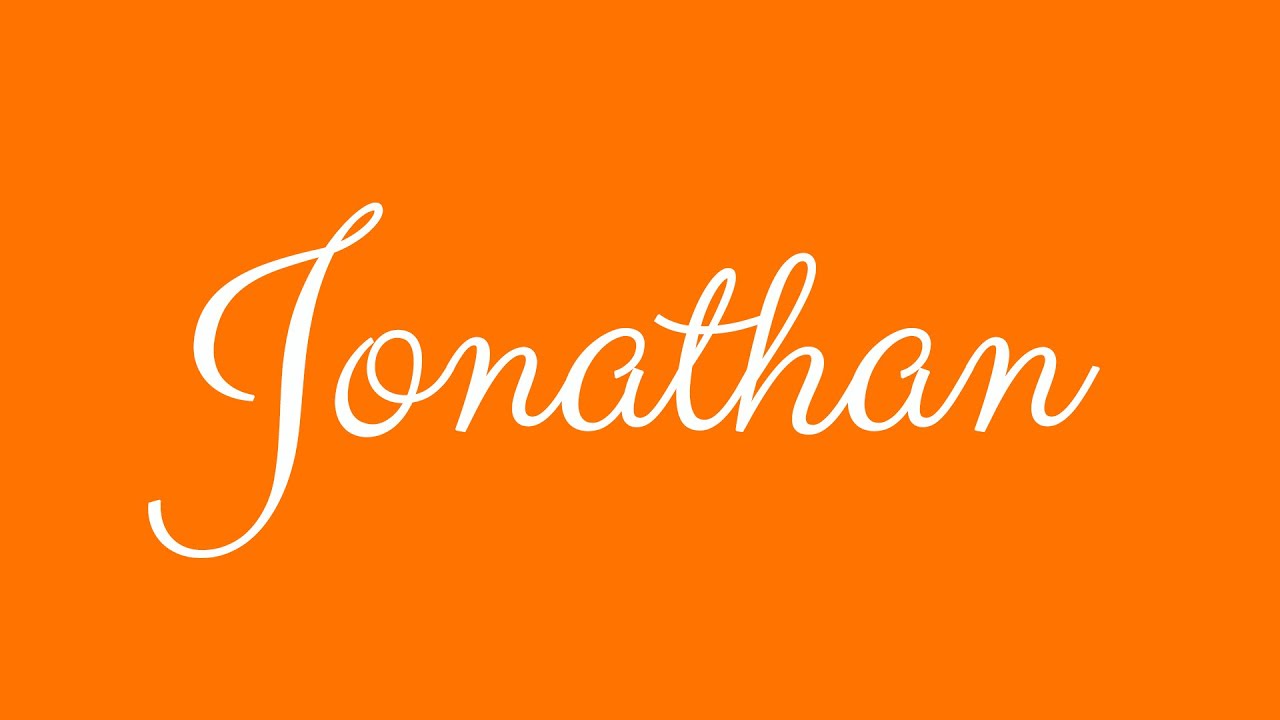
Mastering cursive script represents a significant milestone in elementary education, bridging the gap between basic motor control and fluid written expression. Introducing children to connected lettering through personal identifiers transforms abstract penmanship exercises into meaningful literacy milestones. The free printable worksheet “how to spell jonathan in cursive” provides a targeted resource for students learning to connect lowercase and uppercase loops seamlessly. Observers in kindergarten and first-grade classrooms frequently notice that children approach cursive with a blend of curiosity and hesitation, viewing the flowing letters as a secret code waiting to be unlocked. Transitioning from print to script demands refined bilateral coordination, visual-motor integration, and a steady grasp pattern that supports continuous motion across the page. Utilizing specialized Name Practice Worksheets allows young learners to anchor abstract stroke patterns to a word that holds personal significance. Children naturally invest more sustained attention when practicing letters that spell out familiar names rather than repetitive, disconnected drills.
💡 Educational Key Takeaways:
- Core Skill: Structured How To Spell Jonathan In Cursive focused on developing pencil grip, stroke control, and early literacy/math confidence.
- Target Scope: Suited for homeschoolers, preschool, kindergarten, and elementary learners.
- Best Recommendation: Practice 10–15 minutes daily with ergonomic writing tools to reinforce muscle memory without hand fatigue.
What This Worksheet Covers
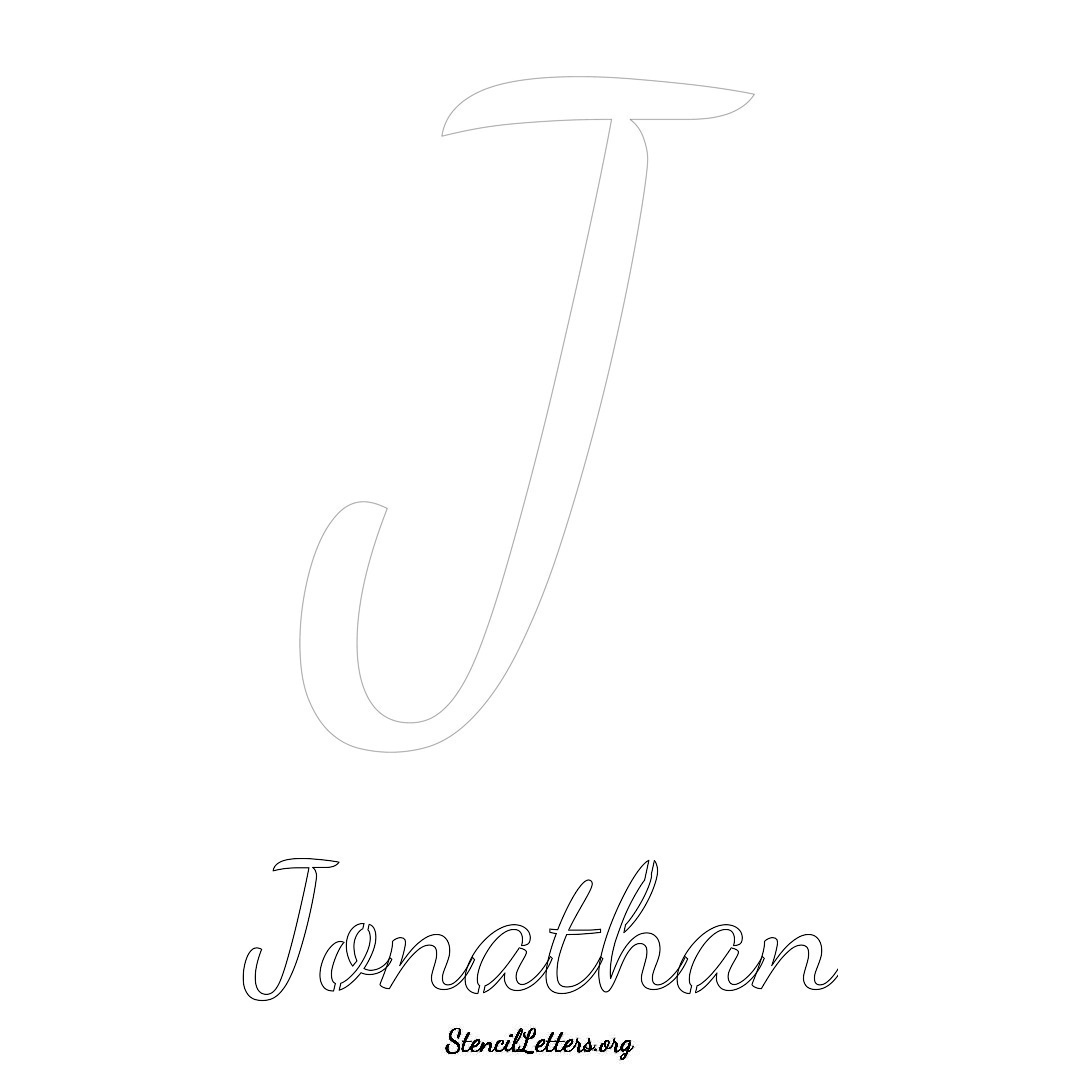
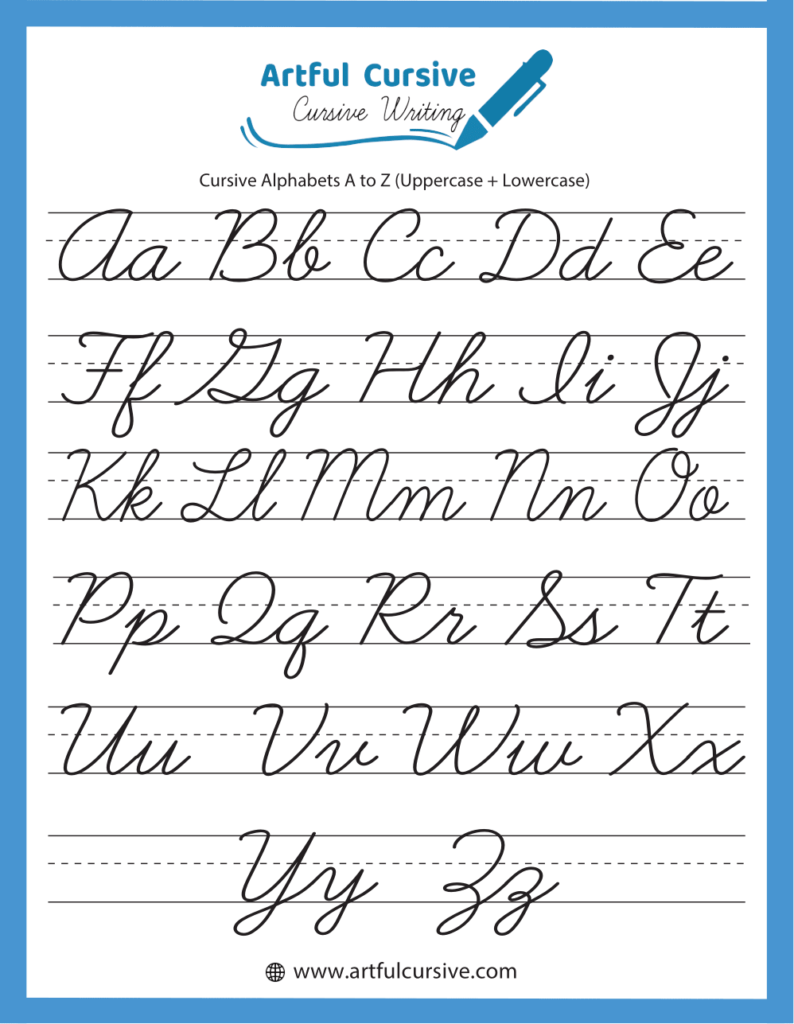
This specific instructional printout focuses on the precise letter sequencing, fluid stroke continuity, and spatial orientation required to write a multi-syllable name in traditional cursive. Starting with a capital J requires a sweeping entrance stroke that immediately tests upper-extremity stability, followed by the looping transitions of the vowels and the sharp directional changes demanded by the letters n, t, and h. It sounds simple, and that’s the point: isolating a single, high-frequency word prevents cognitive overload while building crucial muscle memory in the intrinsic hand muscles. Hand therapists frequently observe that children press far too hard on the writing utensil when attempting unfamiliar letter connections, leading to premature hand fatigue and hand cramping. Careful progression through guided models teaches learners to regulate downward pressure while maintaining the rhythmic momentum essential for legible cursive script. For broader foundational skill-building before tackling complex names, integrating Tracing Worksheets helps stabilize pre-writing strokes and directional accuracy.
Key Learning Outcomes
Working through this guided script page reinforces letter recognition, visual spacing, and pencil control through structured repetition. According to Reading Rockets, explicit handwriting instruction directly supports reading fluency and spelling acquisition by anchoring kinesthetic memory to orthographic patterns. Children learn where each lowercase letter begins on the baseline, how to maintain a consistent slant, and when to lift the writing implement during transitional connections. Success with these foundational mechanics translates directly into improved confidence across all subjects requiring written output. Furthermore, mastering the unique connector strokes found in longer names builds the finger dexterity necessary for advanced academic writing tasks in later elementary grades.
How to Use This Worksheet
Adults should begin by demonstrating the stroke sequence slowly on a separate writing surface, verbalizing the direction of the pencil as it moves across the page. Encourage the learner to trace the semi-transparent ghost letters first, focusing entirely on smooth transitions rather than rushing to the independent writing lines. Providing proper ergonomic seating—with feet flat on the floor and paper tilted at a comfortable angle—makes a dramatic difference in pencil control and postural endurance. Educators and parents can also explore related Letter Writing Worksheets to isolate individual alphabet characters before expecting children to combine them into complex multi-letter sequences. Consistency yields steady progress, making brief, daily practice sessions far more effective than occasional, marathon writing drills.
Practical Tips for Parents and Teachers
Creating a low-stress environment allows children to experiment with fluid motion without fearing imperfect loops or jagged baseline connections. Placing a textured clipboard underneath the paper provides tactile feedback that helps children register the resistance of the writing surface. If hand fatigue sets in early, take a brief movement break involving finger stretches or heavy work activities to reset the intrinsic musculature of the hand. Positive reinforcement should focus on the effort put into continuous lines and correct starting points rather than pristine aesthetic perfection. Every young writer moves at an individualized pace, and celebrating small breakthroughs builds the intrinsic motivation needed for sustained skill acquisition.
Age-Appropriate Recommendations
According to NAEYC Developmentally Appropriate Practice guidelines, formal cursive instruction is most effective when introduced around second or third grade, once children demonstrate established hand dominance and reliable print legibility. Seven and eight-year-old learners possess the neurological maturity required to manage the complex spatial demands and continuous motor planning inherent in script handwriting. Younger preschoolers, by contrast, benefit far more from gross-motor pre-writing patterns and foundational stability exercises found within comprehensive Preschool Worksheets collections. Matching the complexity of the handwriting task to the developmental readiness of the child prevents frustration and fosters a lifelong appreciation for written communication.
Explicit handwriting instruction significantly enhances orthographic mapping, spelling retention, and overall reading fluency in early elementary students. — Reading Rockets
Frequently Asked Questions
Common inquiries regarding printing access, skill prerequisites, and developmental timelines are addressed below to support caregivers in guiding young writers effectively.
Fine motor manipulation tasks, including guided handwriting practice, strengthen the hand arches and pincer grasp required for lifelong academic success. — American Occupational Therapy Association (AOTA)
Explore More Free Printable Worksheets
Expanding a child’s early education toolkit requires access to diverse, high-quality practice materials tailored to every developmental stage. Diverse learning resources, including creative Coloring Worksheets designed to build grip strength and foundational pencil control, complement targeted writing practice seamlessly. Caregivers can browse an extensive library of educational Worksheets curated to support holistic childhood development both inside the classroom and at home.
Developmental Milestone & Activity Table
| Development Stage | Recommended Daily Duration | Primary Learning Objective |
|---|---|---|
| Preschool & Pre-K | 10 – 15 Minutes | Pencil grip development & basic pre-stroke lines |
| Kindergarten | 15 – 20 Minutes | Letter/number formation & spatial line awareness |
| Early Elementary (Grade 1–2) | 20 – 30 Minutes | Fluency, sentence construction & neatness |
Images References