Introduction
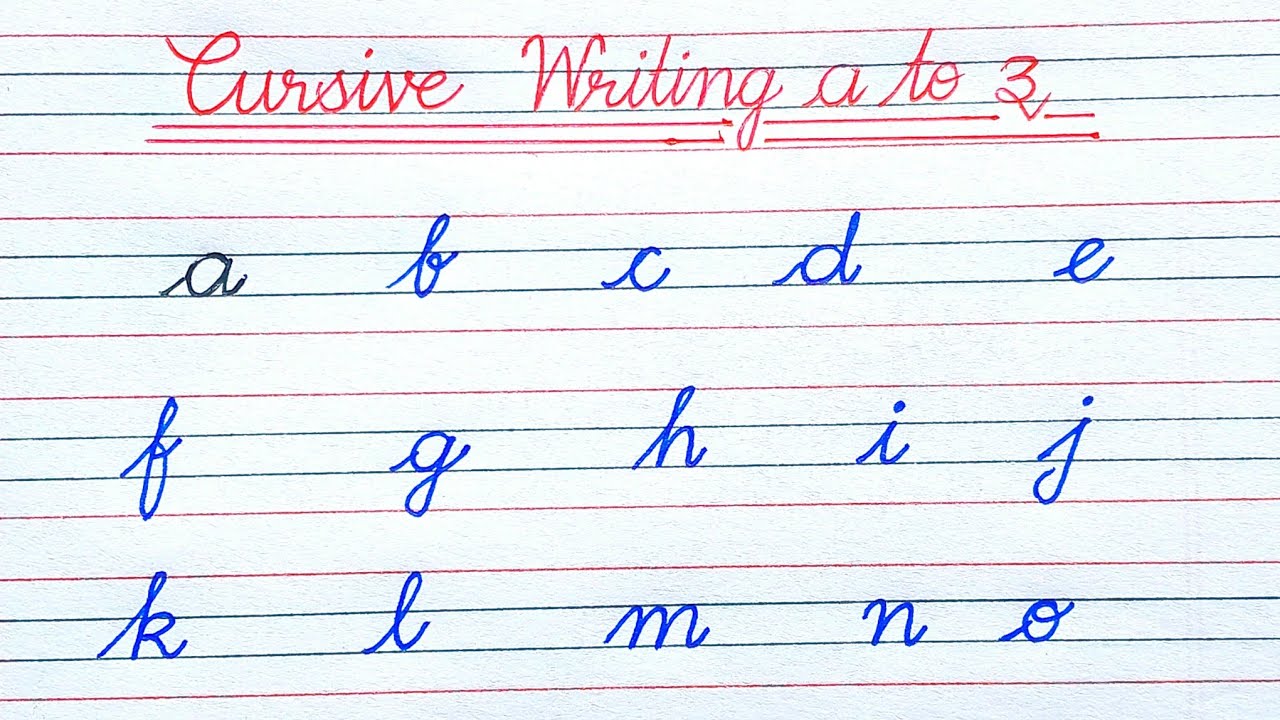
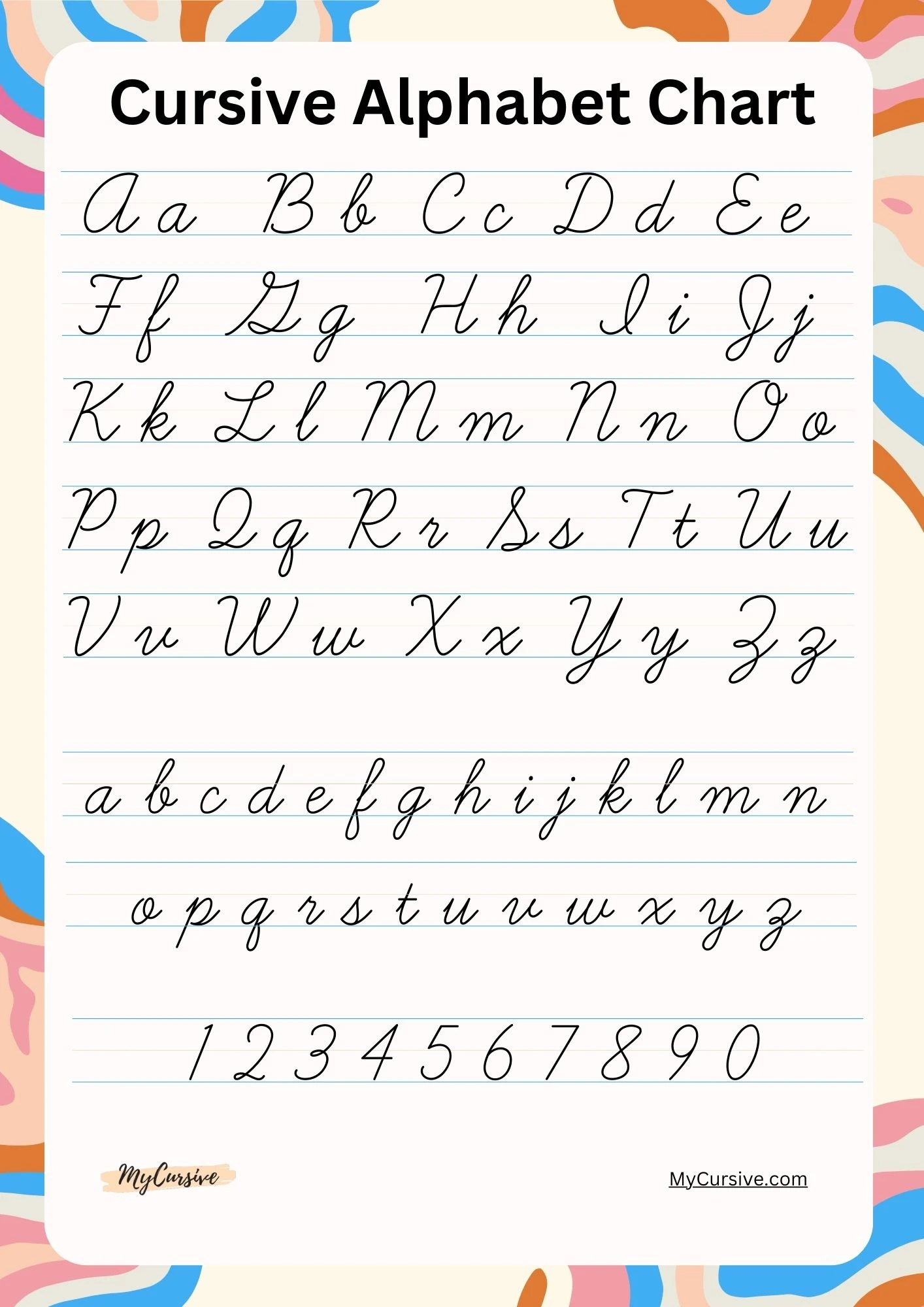
Transitioning young learners from manuscript print to fluid connected script requires a bridge of deliberate, sequential practice. Many adults remember struggling with archaic loop-and-swirl drills that felt entirely disconnected from meaningful communication. The bryan duke cursive writing tutorial offers a modern antidote to those frustrating childhood drills by breaking down continuous stroke mechanics into manageable visual steps. Children frequently freeze when faced with an empty page because the transition from lifting a pencil between manuscript letters to maintaining uninterrupted flow demands a completely different level of neuromuscular planning. Observing a child suddenly grasp the rolling momentum of a connected lowercase sequence reveals the profound shift that happens when materials match developmental readiness. Thoughtfully designed instructional printables give educators and families a reliable roadmap to foster hand-eye coordination without inducing writing fatigue.
💡 Educational Key Takeaways:
- Core Skill: Structured Bryan Duke Cursive Writing Tutorial focused on developing pencil grip, stroke control, and early literacy/math confidence.
- Target Scope: Suited for homeschoolers, preschool, kindergarten, and elementary learners.
- Best Recommendation: Practice 10–15 minutes daily with ergonomic writing tools to reinforce muscle memory without hand fatigue.
What This Worksheet Covers
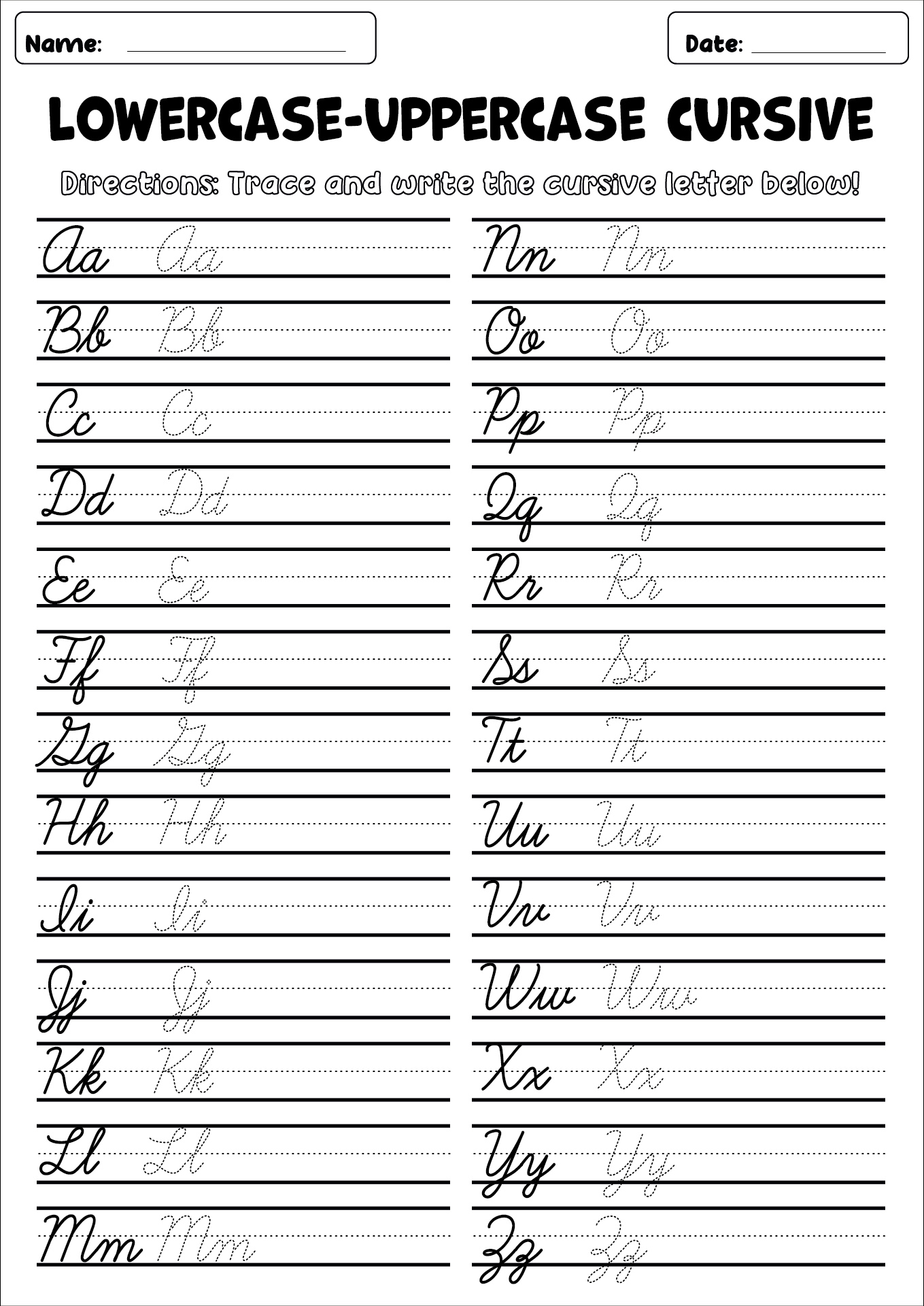
Sequential letter formation forms the absolute backbone of this educational resource, guiding learners through critical directional pathways step by step. Rather than throwing complicated connector strokes at novices, the material isolates baseline loops, under-turns, and over-turns before introducing full alphabetical words. Pacing matters immensely during early fine motor acquisition, which is why the layout balances white space with clear directional arrows. It sounds simple, and that is precisely the point. Removing visual clutter allows young brains to focus entirely on motor planning and proprioceptive feedback. Educators frequently notice that when children trace repetitive baseline connections, their grip relaxes naturally because the continuous movement prevents the hand from locking into a rigid, cramped tripod hold.
Key Learning Outcomes
Mastering stroke order directly improves spatial organization on standard lined paper, ensuring future legibility across all subjects. Beyond basic alphabet mastery, learners develop essential bilateral coordination as the non-dominant hand stabilizes the paper while the dominant hand executes fluid diagonal pulls. Building this stamina requires targeted practice found within specialized Letter Writing Worksheets designed to reinforce correct muscle memory. Furthermore, consistent engagement with structured directional guides trains the visual cortex to anticipate letter spacing before the pencil tip even touches the page. According to the American Occupational Therapy Association, foundational fine motor activities directly support classroom participation and academic success by reducing the physical strain associated with slow, halting writing patterns.
How to Use This Worksheet
Implementation requires patience and a watchful eye on posture before any writing utensil touches the page. Feet should rest flat on the floor, hips and knees bent at ninety-degree angles, with the non-dominant hand actively holding the paper at a comfortable slant. Adults should model the exact verbal cues printed on the tutorial page, such as “up, loop, down, and swing,” giving auditory anchors to visual motor tasks. Children benefit immensely when adults trace alongside them on a separate sheet, demonstrating proper pressure modulation and rhythmic pacing. For learners still refining basic pre-writing lines and pencil pressure, pairing this resource with foundational Tracing Worksheets helps build the necessary wrist stability before tackling complex cursive slants.
Practical Tips for Parents and Teachers
Shorter, frequent practice sessions yield significantly better neurological retention than long, exhausting weekend drills. Limit active tracing time to ten minutes per session, keeping the atmosphere relaxed and encouraging rather than punitive. Children often press far too hard when trying to control tricky diagonal transitions, causing graphite smudges and aching fingers. Introduce slightly softer lead pencils or weighted writing tools if hand fatigue becomes visible during the practice session. Praise specific improvements in slant consistency rather than general neatness, reinforcing the mechanical effort behind the strokes. To establish a robust daily routine, educators can integrate these printables alongside broader Preschool Worksheets that target foundational visual-perceptual skills.
Age-Appropriate Recommendations
Introducing connected script typically aligns with late second grade or early third grade, once manuscript printing becomes automatic and effortless. Aligning with the National Association for the Education of Young Children Developmentally Appropriate Practice guidelines, instruction must match the child’s small muscle maturation rather than arbitrary chronological age benchmarks. Forcing cursive too early on underdeveloped hands often triggers compensatory grips that are exceptionally difficult to correct later in elementary school. When utilized correctly, these tutorials serve as an invaluable tool within broader collections of general Worksheets aimed at strengthening overall upper extremity dexterity.
According to the National Center for Learning Disabilities, explicit multisensory instruction in handwriting mechanics significantly enhances written expression and cognitive organization in school-aged children. — NCLD
Frequently Asked Questions
Answers to common implementation queries regarding this instructional resource ensure smooth integration at home and inside modern classrooms.
Explore More Free Printable Worksheets
Expanding a child’s skill set requires access to a diverse library of supplementary printables designed to target every facet of early childhood development. Navigating through specialized categories ensures that learners never plateau and continually encounter fresh motor challenges tailored to their exact developmental stage. Explore the complete collection of educational resources, including engaging Name Practice Worksheets that combine personal relevance with essential pencil control training.
Developmental Milestone & Activity Table
| Development Stage | Recommended Daily Duration | Primary Learning Objective |
|---|---|---|
| Preschool & Pre-K | 10 – 15 Minutes | Pencil grip development & basic pre-stroke lines |
| Kindergarten | 15 – 20 Minutes | Letter/number formation & spatial line awareness |
| Early Elementary (Grade 1–2) | 20 – 30 Minutes | Fluency, sentence construction & neatness |
Images References