Introduction
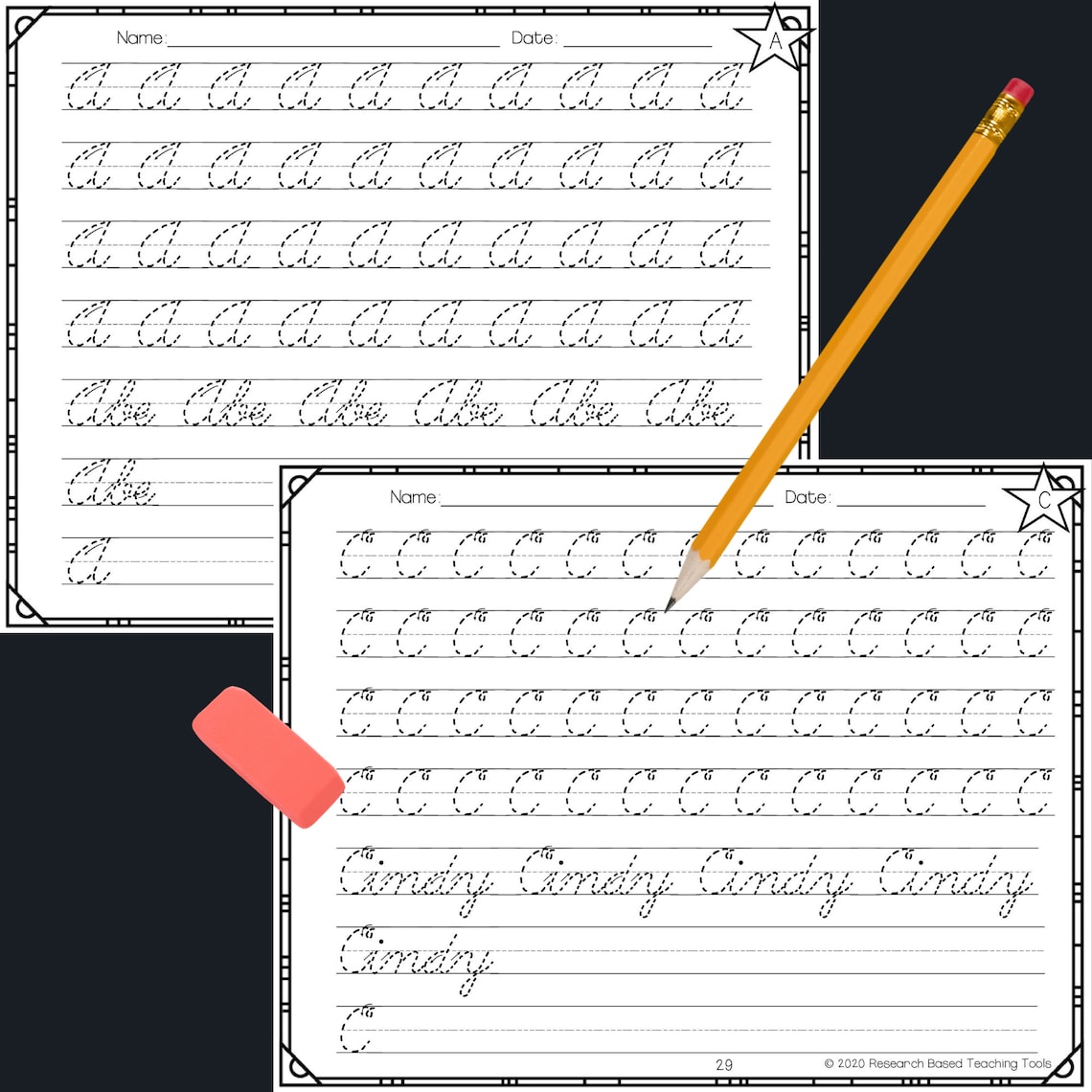
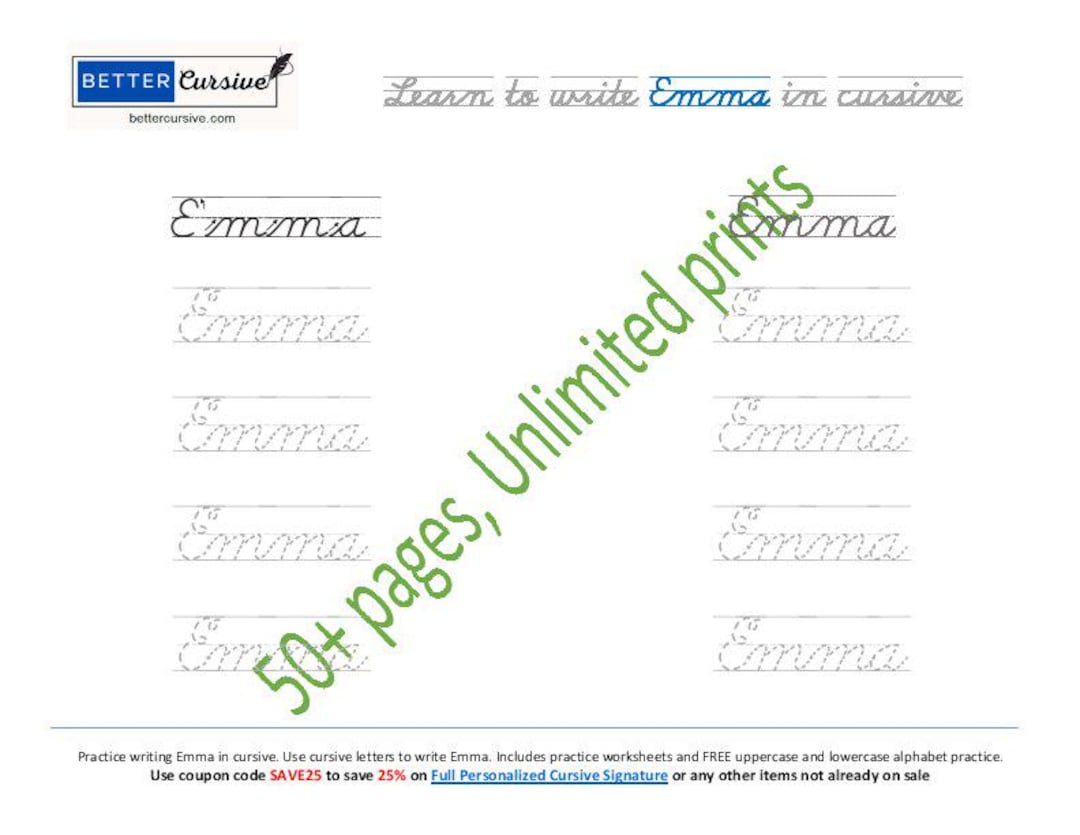
Guiding young children through the transition from simple scribbles to connected cursive writing requires targeted, gentle practice materials that build hand strength and spatial awareness simultaneously. The free printable worksheet “emma écrit en cursive” offers a focused approach to introducing fluid letter connections in a French script format, specifically designed for early learners developing foundational hand control. In classroom settings, occupational therapists frequently observe that children approach cursive with a unique blend of curiosity and hesitation, viewing the looping lines as mysterious art rather than traditional text. This innate fascination makes personalized name and phrase tracing an ideal bridge for early literacy instruction. According to the National Association for the Education of Young Children (NAEYC), developmentally appropriate practice emphasizes meaningful, hands-on experiences that honor individual pacing while supporting vital fine motor milestones. When educators and caregivers introduce connected script through structured Name Practice Worksheets, learners immediately recognize the relevance of the exercise, boosting intrinsic motivation and sustained attention span during seated instruction.
💡 Educational Key Takeaways:
- Core Skill: Structured Emma Écrit En Cursive focused on developing pencil grip, stroke control, and early literacy/math confidence.
- Target Scope: Suited for homeschoolers, preschool, kindergarten, and elementary learners.
- Best Recommendation: Practice 10–15 minutes daily with ergonomic writing tools to reinforce muscle memory without hand fatigue.
What This Worksheet Covers
Mastering cursive script involves more than just dragging a pencil across a page; it requires precise visual-motor integration, consistent pressure regulation, and a steady grasp pattern. This specific printout addresses foundational mechanics by guiding the pencil along continuous paths that mimic the natural flow of human movement. Children practice maintaining a fluid motion without lifting the writing utensil, which directly strengthens the intrinsic muscles of the hand and improves finger dexterity. Experience shows that youngsters often press far too hard on the paper during early writing attempts, leading to rapid hand fatigue and finger cramping. Working with specialized Letter Writing Worksheets helps remediate this tendency by encouraging a lighter, more rhythmic touch that flows across the baseline. Every curve and slant on the page acts as a scaffold for spatial organization, teaching the brain to anticipate where letters begin, intersect, and terminate on standard writing lines.
Key Learning Outcomes
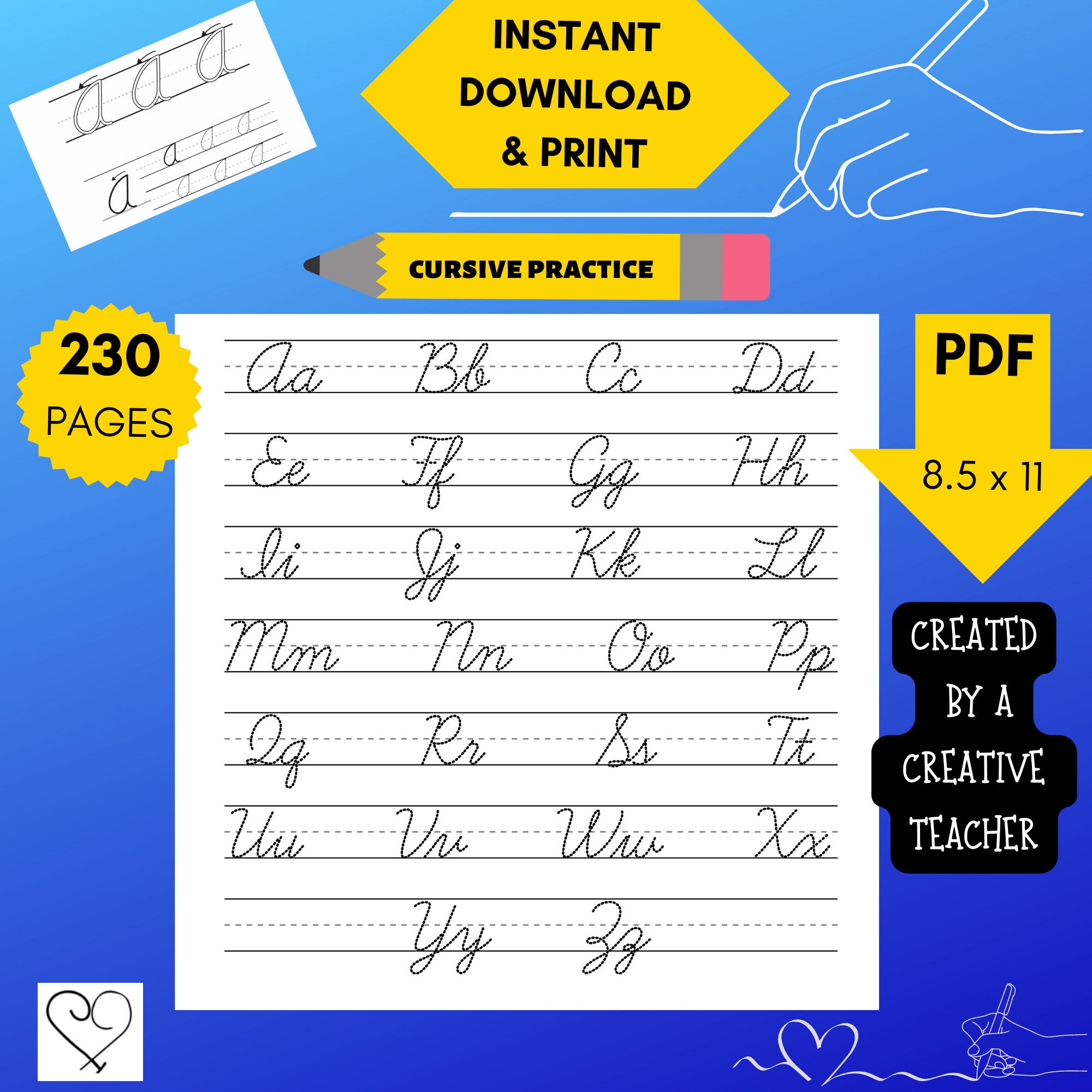
Children engaging with this French cursive resource systematically develop superior pencil control, directional tracking from left to right, and precise stroke sequencing. The repetitive yet engaging nature of tracing the targeted phrase reinforces muscle memory, allowing the hand to execute loops and ascenders with increasing autonomy. According to the American Occupational Therapy Association (AOTA), proficient handwriting supports academic success by freeing cognitive capacity for content creation rather than mechanical execution. Educators utilizing broader Worksheets notice that when students conquer continuous-line writing formats, their overall neatness and confidence across all academic subjects improve noticeably. Furthermore, children learn to respect visual boundaries, keeping their lowercase letters uniform in height and spacing their words appropriately without physical finger spacers.
How to Use This Worksheet
Implementation in the home or classroom environment requires a thoughtful approach that prioritizes posture and pencil grip above sheer output volume. Adults should verify that the child sits with feet flat on the floor, hips and knees at ninety-degree angles, and the non-dominant hand stabilizing the paper firmly. It sounds simple, and that’s the point: physical stability directly dictates fine motor precision. Before touching a pencil to the paper, children benefit immensely from air-tracing the phrase with an index finger, engaging larger shoulder and elbow joints to map out the physical movement patterns. Pairing this activity with foundational Tracing Worksheets beforehand ensures that the learner has already mastered horizontal lines, diagonal slants, and rounded loops.
Practical Tips for Parents and Teachers
Adults guiding these sessions should limit tracing intervals to short, five-to-ten-minute blocks to prevent frustration and physical strain in small hand muscles. Utilizing colorful pencils, scented markers, or highlighters can instantly transform a routine drill into an engaging sensory experience that captures reluctant learners’ interest. When a child struggles with a specific loop or connection, gently guiding their hand through the movement once or twice establishes the correct kinesthetic feedback loop in the nervous system. Positive reinforcement focused on effort and fluid motion yields far better long-term results than demanding absolute perfection on the first printed copy. Establishing a calm, well-lit workspace free from visual distractions further supports the deep concentration required for successful cursive execution.
Age-Appropriate Recommendations
Introducing cursive elements aligns closely with standard developmental milestones outlined in the Common Core ELA standards (such as L.1.1.print concepts and handwriting guidelines), typically targeted toward children in late kindergarten through second grade. At age six or seven, children possess the necessary visual-spatial maturity to distinguish between similar directional strokes, such as the entry loops for letters like ‘e’ and ‘m’. Expecting younger toddlers to master these fluid connections before their hand arches and finger joints have fully ossified can lead to poor compensatory grips that are difficult to correct later. Educators should always assess readiness by observing a child’s ability to copy basic shapes, hold a three-point pencil grasp comfortably, and cross the body’s midline effortlessly during daily play activities.
Visual-motor integration and finger dexterity are the primary predictors of early handwriting fluency and long-term academic confidence — American Occupational Therapy Association (AOTA)
Frequently Asked Questions
The following questions address common inquiries regarding the implementation and pedagogical value of this cursive learning resource.
Explore More Free Printable Worksheets
Expanding a child’s fine motor toolkit requires access to a diverse array of practice materials that grow alongside their developing abilities. Caregivers and educators can supplement cursive lessons with engaging Preschool Worksheets designed for younger siblings, or explore alternative creative formats through dedicated Coloring Worksheets that specifically target grip strength, hand control, and visual focus.
Developmental Milestone & Activity Table
| Development Stage | Recommended Daily Duration | Primary Learning Objective |
|---|---|---|
| Preschool & Pre-K | 10 – 15 Minutes | Pencil grip development & basic pre-stroke lines |
| Kindergarten | 15 – 20 Minutes | Letter/number formation & spatial line awareness |
| Early Elementary (Grade 1–2) | 20 – 30 Minutes | Fluency, sentence construction & neatness |
Images References