Introduction
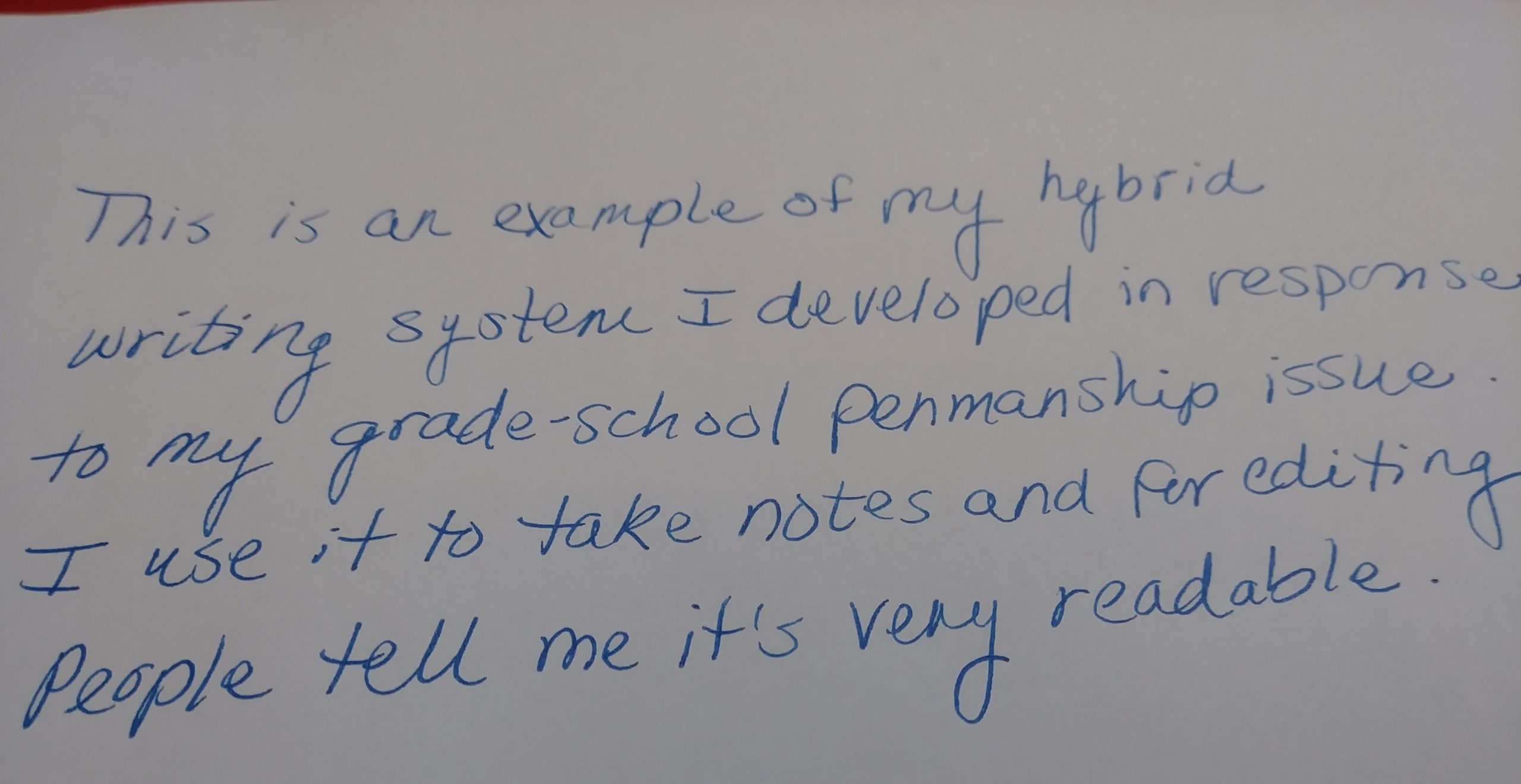
Bridging the gap between manuscript printing and fluid writing styles remains a persistent hurdle in early education. Young learners often struggle when forced to transition abruptly from disconnected block letters to fully connected cursive scripts. The free printable worksheet “print–cursive hybrid hand writing” offers an innovative bridge that eases this friction. Children frequently freeze up when asked to alter how every single letter connects on a page, causing hand fatigue and frustration. Integrating intermediate forms allows developing hands to master continuous movement without the overwhelming complexity of traditional cursive loops. Exploring specialized resources like Letter Writing Worksheets provides foundational support for this exact developmental stage.
💡 Educational Key Takeaways:
- Core Skill: Structured Print–Cursive Hybrid Hand Writing focused on developing pencil grip, stroke control, and early literacy/math confidence.
- Target Scope: Suited for homeschoolers, preschool, kindergarten, and elementary learners.
- Best Recommendation: Practice 10–15 minutes daily with ergonomic writing tools to reinforce muscle memory without hand fatigue.
What This Worksheet Covers
This specific instructional material introduces simplified transitional strokes that maintain the legibility of print while incorporating the fluid momentum of cursive. Small hand muscles must coordinate complex visual-motor integration tasks to execute these hybrid shapes successfully. According to the American Occupational Therapy Association, foundational fine motor control directly influences a child’s academic success and classroom engagement. Educators notice that when children practice semi-connected letters, they naturally reduce pencil lift frequency, which ultimately increases writing speed and endurance. Building this mechanical efficiency early prevents the heavy gripping habits that plague many elementary classrooms.
Key Learning Outcomes
Mastery of hybrid letter forms promotes consistent baseline adherence, uniform letter sizing, and proper spacing between words. Children learn to gauge the directional flow of handwriting, moving smoothly from left to right without excessive hand strain. Such precision heavily relies on core stability and proximal shoulder control, reminding observers that fine motor work actually begins in the trunk and core. Supplemental practice found within Tracing Worksheets helps reinforce these exact line-accuracy skills before students attempt independent writing.
How to Use This Worksheet
Implementation requires a balance of direct modeling and independent exploration. Adults should demonstrate the starting point and directional stroke path before handing over the writing utensil. It sounds simple, and that’s the point: consistent visual cues reduce cognitive load, allowing the brain to focus entirely on motor execution. Sessions should remain short, ideally lasting no longer than ten to fifteen minutes to prevent hand cramping and waning attention spans. Observing a child’s grip during these sessions reveals whether modifications, such as triangular pencil grips, are necessary to support weak intrinsic hand muscles.
Practical Tips for Parents and Teachers
Creating an optimal writing environment goes beyond merely providing a desk and a chair. Feet must rest flat on the floor to provide proximal stability, which in turn frees distal hand movements for delicate pencil control. Incorporating tactile elements, such as tracing hybrid letters in colored sand or shaving cream, activates kinesthetic memory pathways before paper-and-pencil tasks begin. For younger learners building overall readiness, utilizing Preschool Worksheets establishes the necessary pre-writing muscle memory.
Age-Appropriate Recommendations
Introducing hybrid handwriting works best for children aged seven to eight, roughly corresponding to second grade, where handwriting demands significantly increase. According to the National Association for the Education of Young Children Developmentally Appropriate Practice guidelines, instructional tasks must align with children’s current biological maturity and experiential backgrounds. Pushing connected writing too early often results in erratic letter formation and severe grip regression. Conversely, waiting too long can cement rigid printing habits that become exceptionally difficult to modify later in elementary school.
Foundational fine motor control and visual-motor integration directly influence a child’s academic success, reading fluency, and classroom engagement. — American Occupational Therapy Association
Frequently Asked Questions
How does this worksheet support early writing development? The worksheet builds hand strength, fluid stroke momentum, and visual-motor coordination by bridging manuscript print and cursive script.
How can the printables be downloaded and printed? Files are available instantly in PDF format, optimized for standard home or classroom printers using regular letter-sized paper.
What organization provides guidelines on developmentally appropriate handwriting instruction? According to the National Association for the Education of Young Children, learning tasks must align with a child’s developmental readiness.
Explore More Free Printable Worksheets
Expanding a child’s fine motor toolkit requires diverse practice materials tailored to specific developmental milestones. Educators and caregivers can access a comprehensive library of resources by browsing general Worksheets designed to target every stage of early childhood education. Consistency, patience, and developmentally aligned expectations remain the cornerstones of lifelong handwriting confidence and success.
Developmental Milestone & Activity Table
| Development Stage | Recommended Daily Duration | Primary Learning Objective |
|---|---|---|
| Preschool & Pre-K | 10 – 15 Minutes | Pencil grip development & basic pre-stroke lines |
| Kindergarten | 15 – 20 Minutes | Letter/number formation & spatial line awareness |
| Early Elementary (Grade 1–2) | 20 – 30 Minutes | Fluency, sentence construction & neatness |
Images References