Introduction
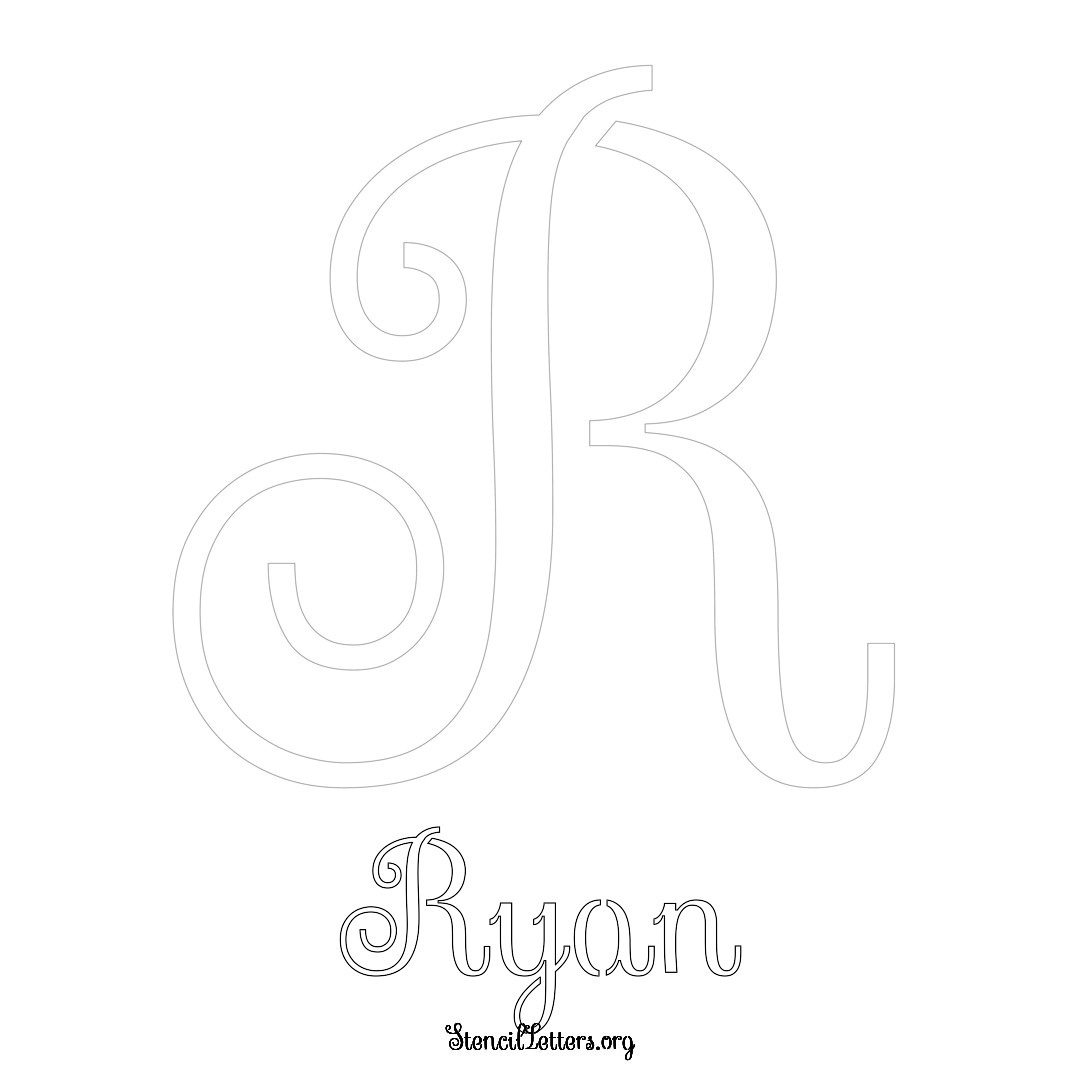
Mastering cursive handwriting remains an essential milestone for young learners transitioning into fluent, connected writing systems. The free printable worksheet “cursive ryan” provides targeted name practice, helping children connect personal identity with advanced penmanship mechanics. Often, children stare at a blank page with a loose grip, unsure of how to fluidly link letters together without lifting the pencil. Structured templates bridge this exact gap by combining familiar vocabulary with specialized continuous strokes. Building this confidence early prevents hand fatigue and supports overall literacy development.
💡 Educational Key Takeaways:
- Core Skill: Structured Cursive Ryan focused on developing pencil grip, stroke control, and early literacy/math confidence.
- Target Scope: Suited for homeschoolers, preschool, kindergarten, and elementary learners.
- Best Recommendation: Practice 10–15 minutes daily with ergonomic writing tools to reinforce muscle memory without hand fatigue.
What This Worksheet Covers
Targeted name practice builds foundational letter sequencing, spelling retention, and personal confidence. Children must recognize the specific attributes of each character while executing smooth directional movements. It sounds simple, and that’s the point: repetition of a meaningful word removes cognitive overload so the brain can focus entirely on motor execution. According to the American Occupational Therapy Association, foundational fine motor tasks directly correlate with improved academic engagement and classroom success. Educators frequently observe that when children write their own names in connected script, posture improves alongside pencil pressure regulation.
Key Learning Outcomes
Learners will master continuous fluid motions while transitioning from traditional print to looped cursive forms. Letter sequencing becomes automatic through repeated physical exposure to correct stroke pathways. Spatial awareness improves as children navigate baseline constraints and uppercase-to-lowercase sizing ratios. Furthermore, consistent practice strengthens the intrinsic muscles of the hand, paving the way for stamina during extended writing tasks across various Name Practice Worksheets.
How to Use This Worksheet
Preparation dictates success when introducing looped handwriting templates to young learners. Begin by observing the child’s natural grasp, ensuring fingers remain positioned slightly below the pencil tip for optimal visual feedback. Adults should guide the initial tracing phase verbally, emphasizing continuous flow rather than absolute perfection. Transitioning from guided dots to independent execution requires patience and observation. Exploring related resources like Letter Writing Worksheets offers supplementary practice for challenging individual characters.
Practical Tips for Parents and Teachers
Writing surfaces matter tremendously for proper wrist extension and posture. Slanted desks or vertical boards naturally encourage the optimal wrist position required for sweeping cursive strokes. Short, joyful sessions yield significantly better retention than prolonged, frustrating drills. Celebrations of small victories—such as a single smooth connector between two letters—reinforce positive associations with handwriting. Integrating varied practice formats found within comprehensive Worksheets collections keeps enthusiasm high throughout the learning journey.
Age-Appropriate Recommendations
According to the National Association for the Education of Young Children guidelines for developmentally appropriate practice, formal cursive instruction aligns best with upper elementary readiness, typically around second or third grade when print automaticity is established. Younger children exploring name tracing should focus primarily on grasp consistency and fluid pre-writing strokes rather than rigid stylistic perfection. Instruction must honor individual developmental timelines, avoiding forced progression before intrinsic hand strength supports continuous looping mechanics.
Developmental readiness in handwriting relies heavily on adequate intrinsic hand strength and visual-motor integration — American Occupational Therapy Association
Frequently Asked Questions
Accessing and implementing educational resources should be straightforward for busy educators and families. Clear guidance ensures that practice sessions remain productive and stress-free.
Explore More Free Printable Worksheets
Continued skill development requires exposure to diverse formats and targeted challenges. Expanding a child’s learning library with structured resources ensures steady academic progress. Discover additional tools by browsing dedicated categories like Tracing Worksheets to build essential pre-writing accuracy.
Developmental Milestone & Activity Table
| Development Stage | Recommended Daily Duration | Primary Learning Objective |
|---|---|---|
| Preschool & Pre-K | 10 – 15 Minutes | Pencil grip development & basic pre-stroke lines |
| Kindergarten | 15 – 20 Minutes | Letter/number formation & spatial line awareness |
| Early Elementary (Grade 1–2) | 20 – 30 Minutes | Fluency, sentence construction & neatness |
Images References