Introduction
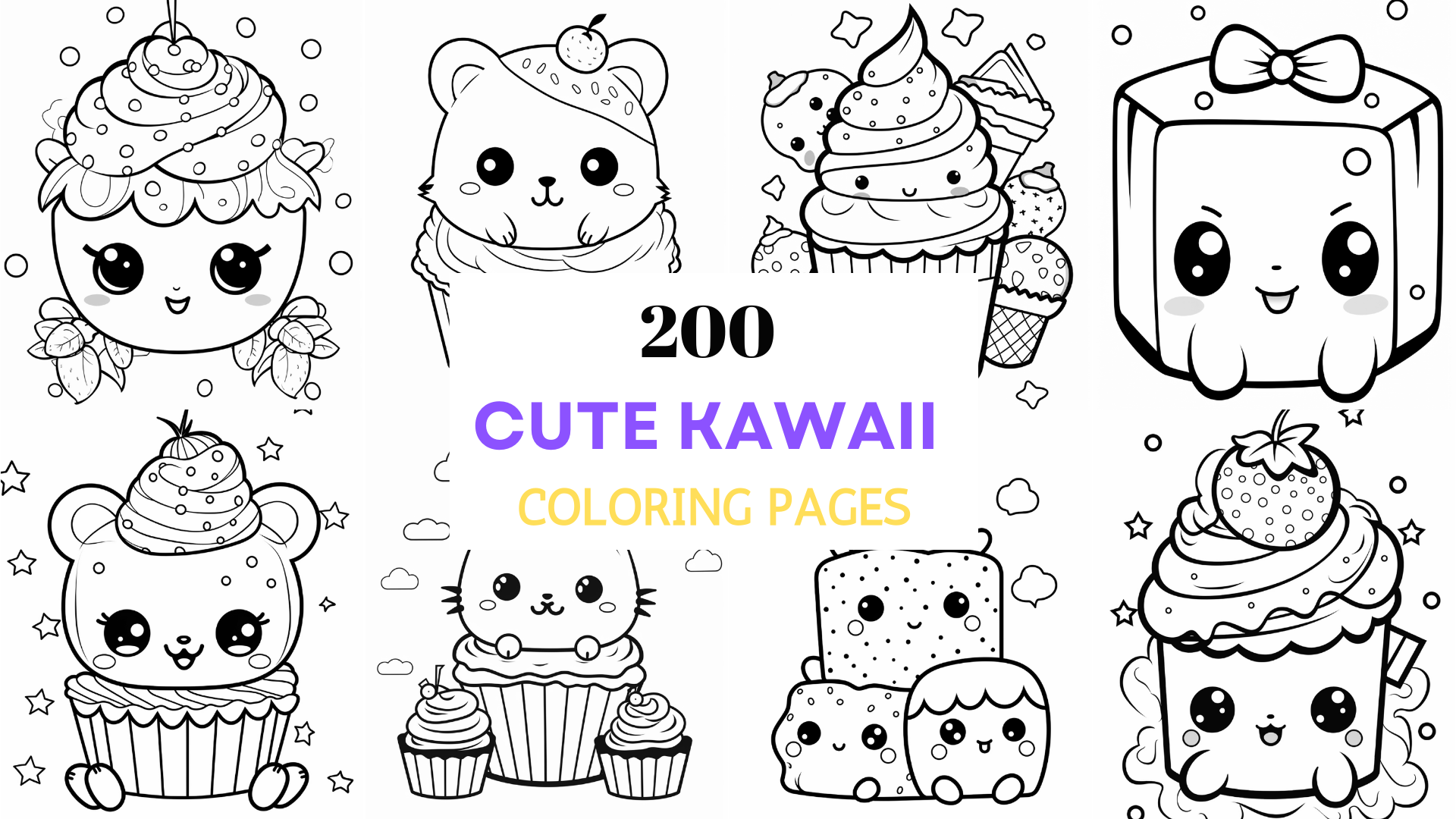
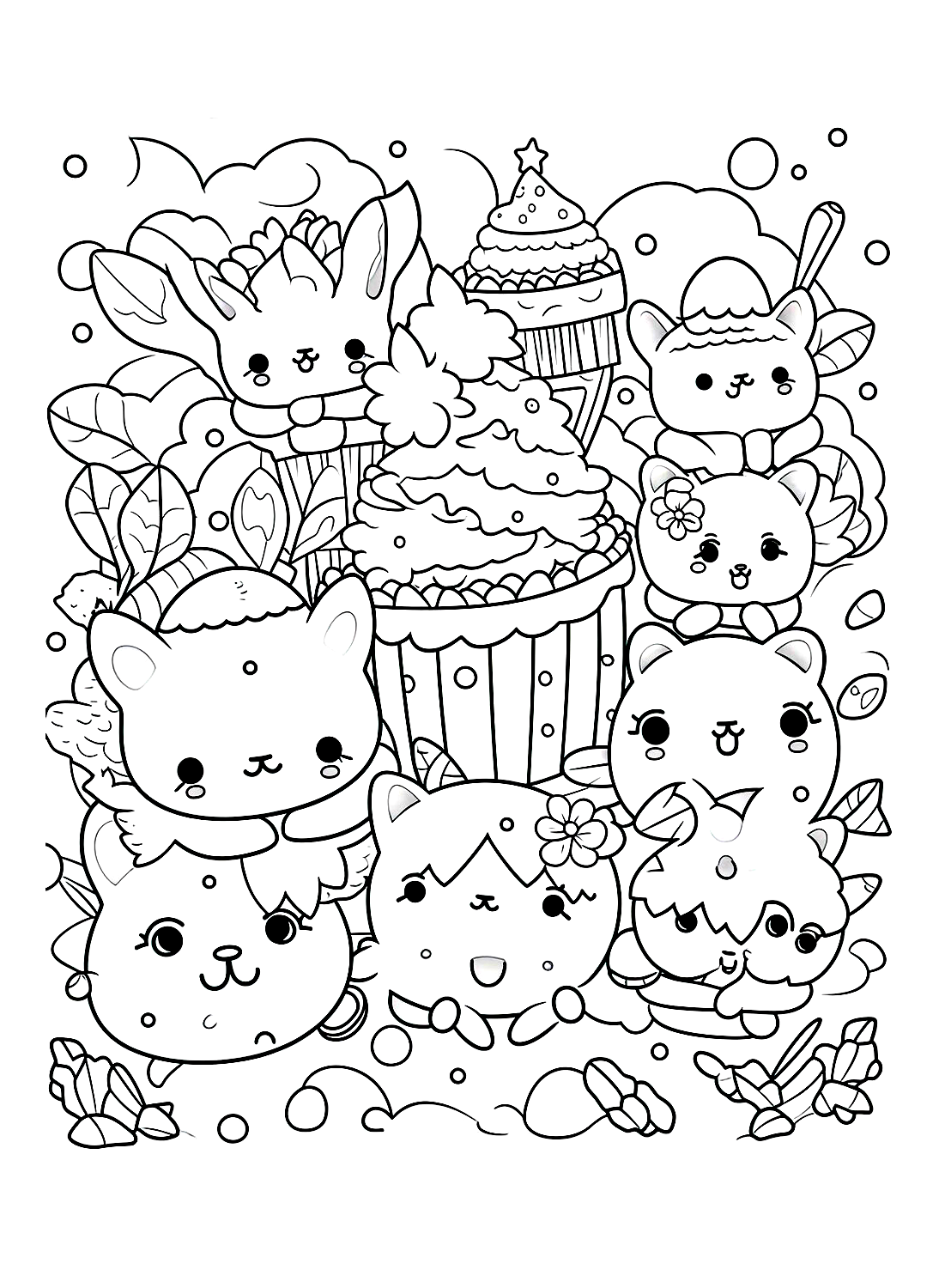
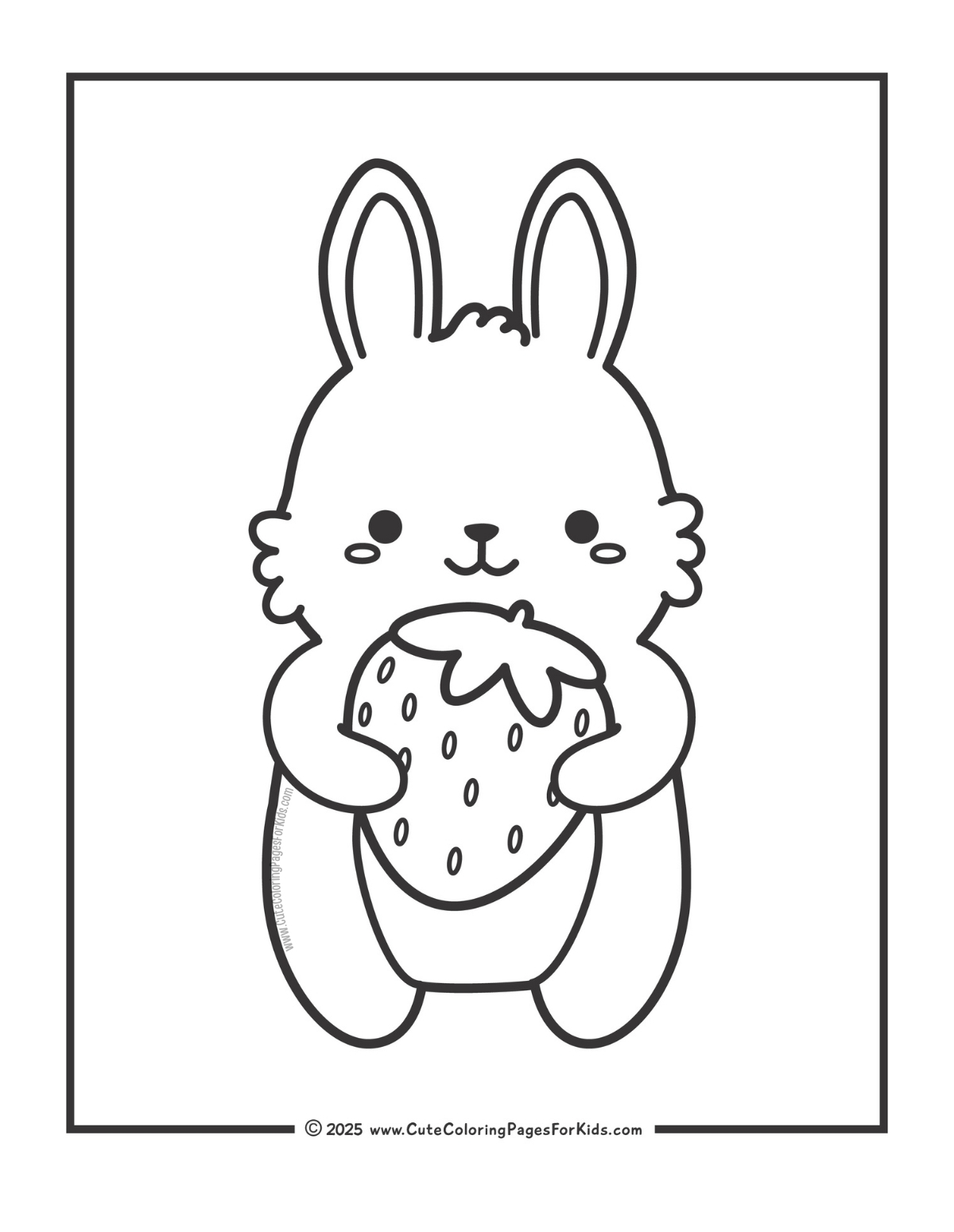
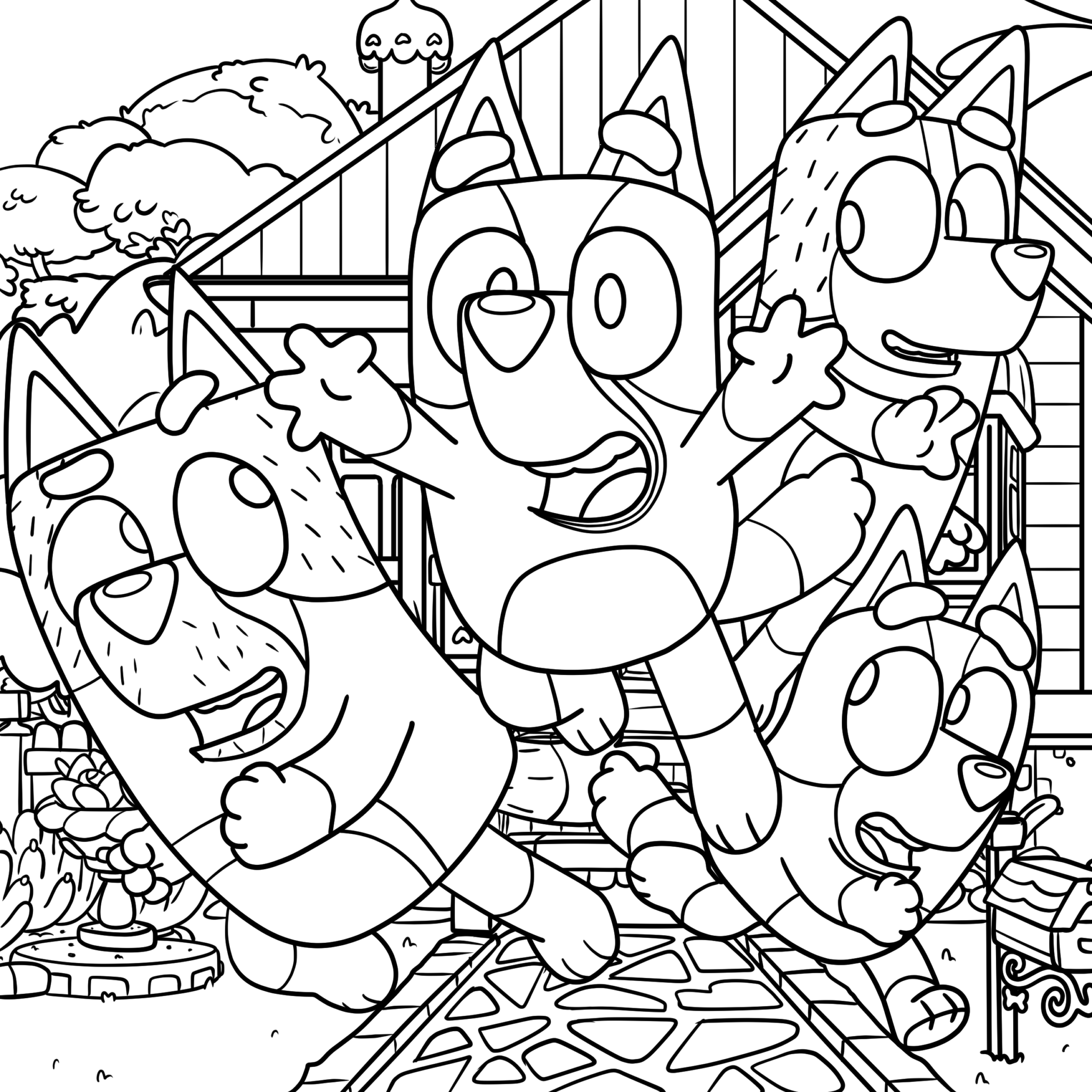
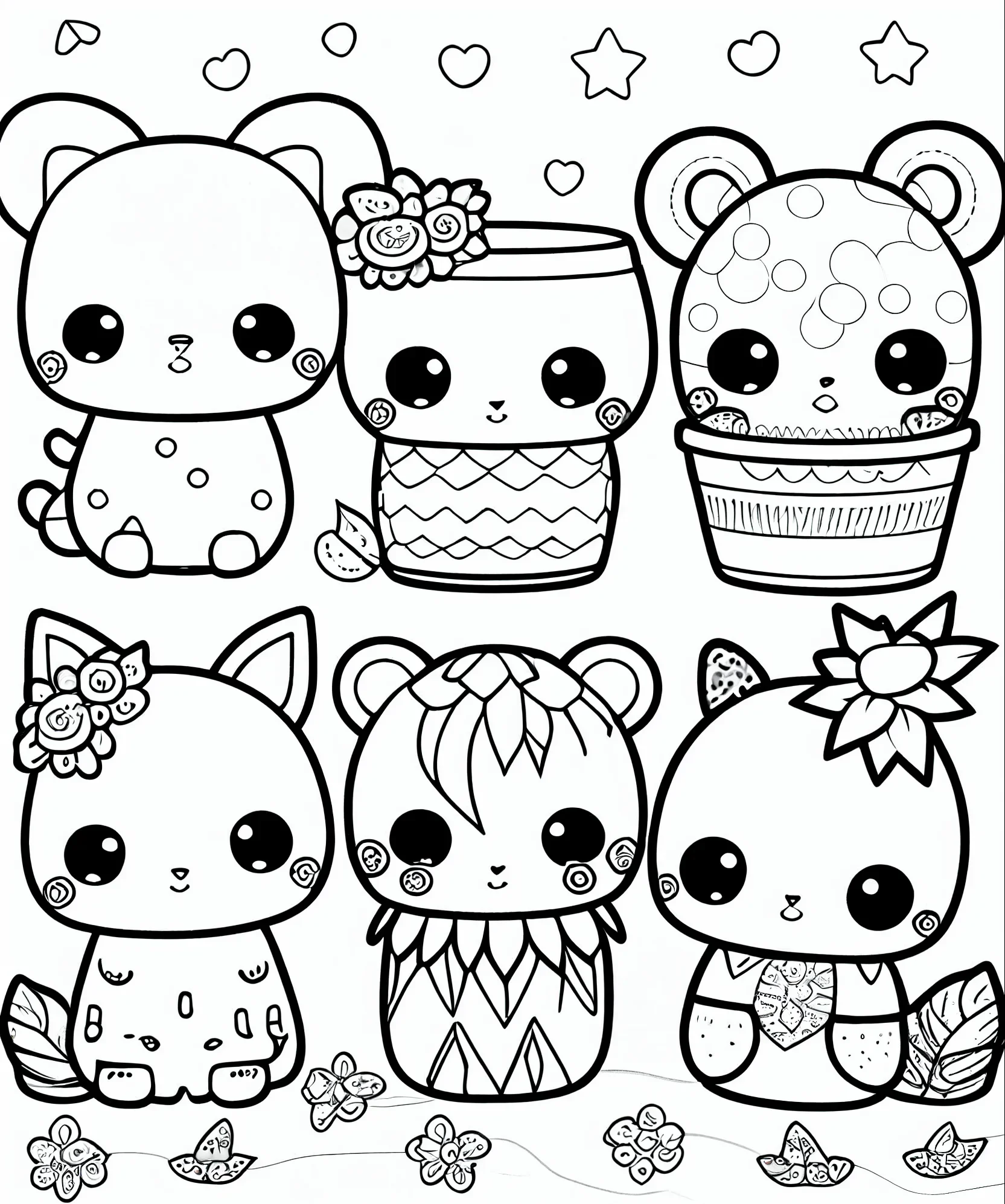
Visual appeal combined with structured motor control forms the foundation of effective early writing instruction through engaging graphic layouts. According to the American Occupational Therapy Association (AOTA), purposeful fine-motor activities that incorporate structured visual templates significantly improve the pencil grasp and hand strength required for legible handwriting. Integrating delightful graphic themes into foundational writing exercises captures young attention spans while directly reinforcing pencil control, hand-eye coordination, and spatial boundaries. Educators and parents aiming to build strong writing foundations can explore specialized coloring worksheets to establish proper muscle memory before formal letter formation begins.
Handwriting Practice Snapshot:
- Core Focus: Enhancing fine-motor control and stroke precision using charming visual templates.
- Target Scope: Early childhood education, kindergarten classrooms, and home-based preschool settings.
- Key Recommendation: Pair graphic tracing tasks with proper three-point grip cues to prevent hand fatigue.
Core Principles and Detailed Overview
Aesthetic graphic templates serve as a vital bridge between unguided scribbling and disciplined character formation by establishing clear spatial boundaries. When children interact with charming visual designs, intrinsic motivation increases, leading to sustained focus during fine-motor tasks. These specialized sheets train the hand muscles to execute controlled lines, curves, and circular motions which later translate directly into fluent alphabet creation. Integrating these resources alongside preschool worksheets ensures a comprehensive approach to early childhood literacy development and physical dexterity.
Key Specifications and Breakdown
| Skill Level / Grade | Target Stroke / Mechanical Focus | Pedagogical / Coaching Cue |
|---|---|---|
| Early Preschool (Ages 3-4) | Continuous circular motion and straight border containment | “Keep the pencil inside the friendly animal boundary lines.” |
| Late Preschool (Ages 4-5) | Diagonal line precision and rhythmic directional strokes | “Follow the smiling star path from top to bottom.” |
| Kindergarten (Ages 5-6) | Precise letter sizing and controlled pressure regulation | “Color softly like a feather, then trace firmly like a road.” |
Early fine-motor skill acquisition depends on consistent biomechanical positioning and purposeful graphic integration — American Occupational Therapy Association (AOTA)
Step-by-Step Practical Application and Guidelines
Implementing themed graphic exercises requires a systematic progression from gross motor visualization to micro-adjustments in finger dexterity. Begin by having learners trace thick outlines of charming characters to establish smooth directional flow before moving on to internal shading tasks that demand fine wrist movement. Instructors should monitor grip pressure closely, ensuring fingers remain positioned roughly one inch above the writing tip to maintain a clear line of sight. Utilizing structured materials such as tracing worksheets immediately following graphic warm-ups bridges the gap between creative coloring and formal penmanship.
Common Challenges and How to Avoid Them
Over-reliance on heavy hand pressure and incorrect pencil grips frequently hinder physical endurance during extended writing sessions. Children often squeeze writing utensils too tightly when attempting to fill intricate spaces, causing premature hand cramps and rigid stroke execution. Educators mitigate this issue by enforcing frequent grip checks and encouraging light, sweeping motions across the page. Transitioning learners to structured tasks like letter writing worksheets and name practice worksheets helps solidify relaxed, fluid hand movements.
💬 Frequently Asked Questions
Explore More Free Handwriting and Character Worksheets
Accessing a diverse library of printable resources ensures that young learners continuously build fine-motor precision, confidence, and alphabet mastery. Explore the full collection of engaging resources available across CharacterWritingWorksheets.com to support comprehensive early childhood education.
Printable Coloring Page Previews