Introduction
Learning to write a specific moniker in connected script marks an exciting milestone in childhood development. The transition from block print to fluid loops requires a distinct shift in neurological planning and manual dexterity. Children frequently encounter this challenge when exploring customized assets like the alexa cursive resource. Adults often notice a sudden desire in young learners to replicate the exact letters found on birthday cards, clothing labels, and bedroom doors. Capitalizing on this personal interest transforms a routine writing drill into a deeply engaging exercise. Fine motor control does not develop overnight, yet targeted practice materials provide the exact scaffolding needed for steady improvement. It sounds simple, and that’s the point: purposeful repetition bridges the gap between shaky strokes and confident handwriting. Beyond simple penmanship, working through customized script templates builds focus, visual-spatial awareness, and the foundational muscle memory required for lifelong academic success.
💡 Educational Key Takeaways:
- Core Skill: Structured Alexa Cursive focused on developing pencil grip, stroke control, and early literacy/math confidence.
- Target Scope: Suited for homeschoolers, preschool, kindergarten, and elementary learners.
- Best Recommendation: Practice 10–15 minutes daily with ergonomic writing tools to reinforce muscle memory without hand fatigue.
What This Worksheet Covers
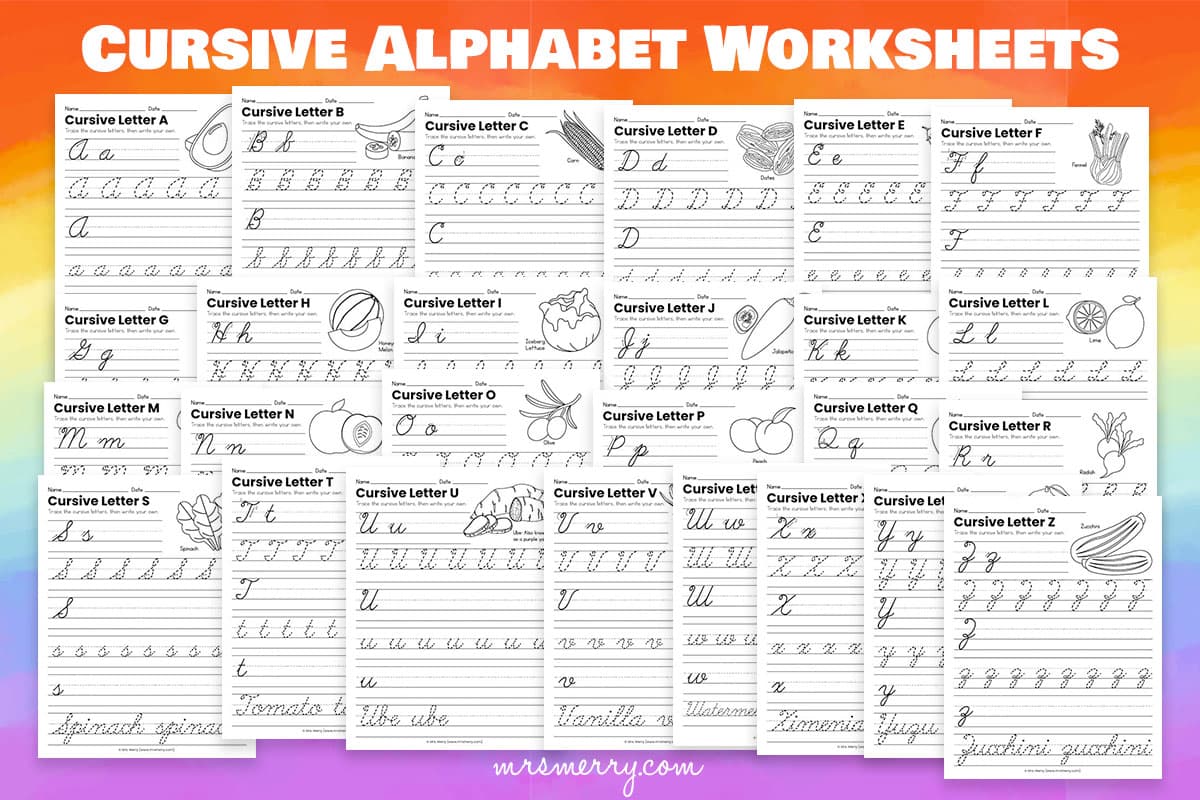
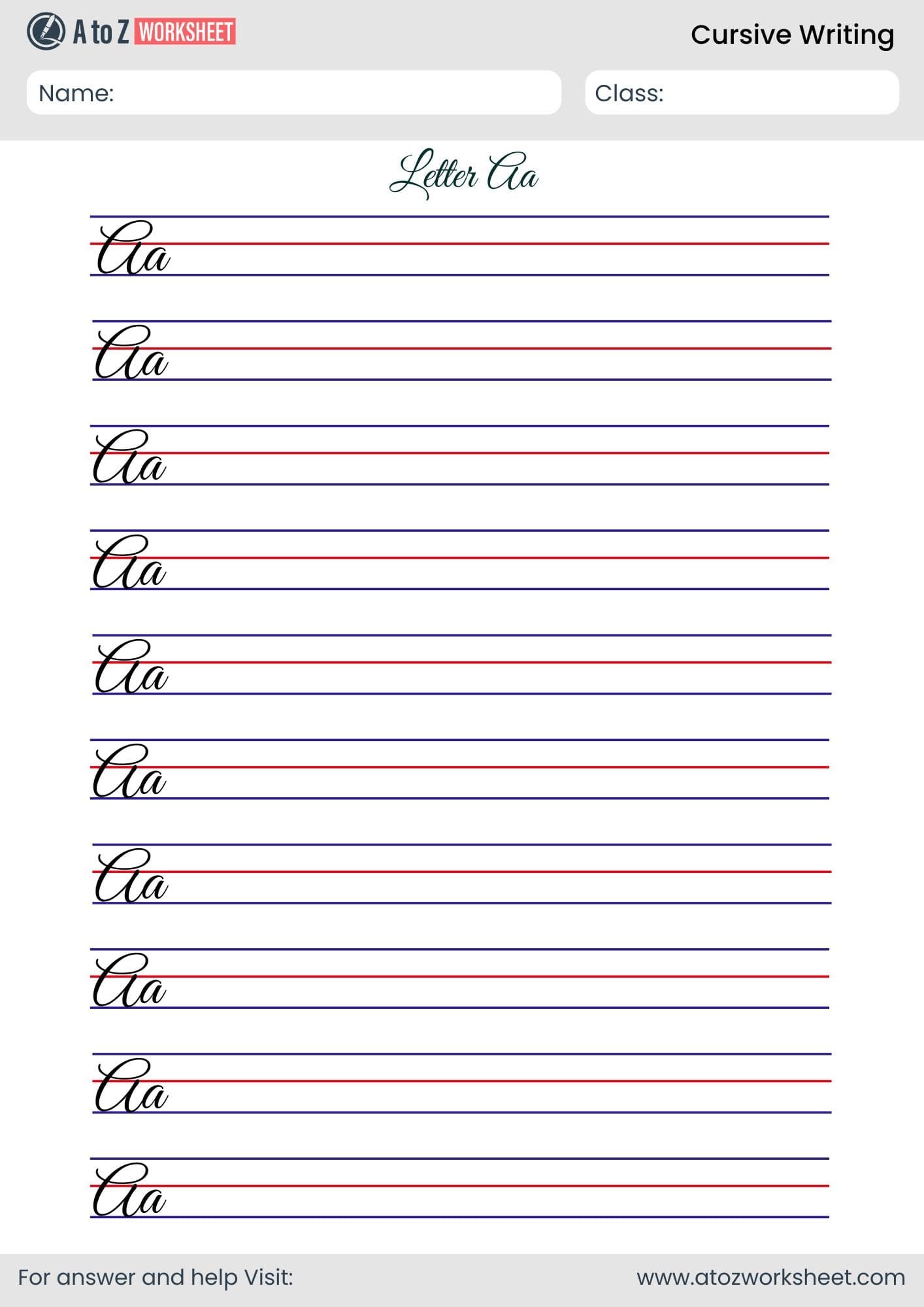
Connected script requires continuous fluid motion, contrasting sharply with the stop-and-start nature of traditional block printing. The alexa cursive printout focuses intently on letter formation, precise stroke order, and consistent spacing between interconnected characters. Every line curve teaches the hand how to transition smoothly from an entry stroke into an exit connector without lifting the writing utensil unnecessarily. Occupational therapy clinics frequently utilize personalized templates because relevance drives intrinsic motivation in young children. When the letters spell out a familiar moniker, learners invest more emotional energy into correcting their mistakes and refining their arcs. Exploring related resources within Name Practice Worksheets allows children to build early literacy and sequential memory simultaneously. Here’s what makes this worksheet different: it treats penmanship not as a rigid copying drill, but as a dynamic exercise in hand-eye coordination and motor planning.
Key Learning Outcomes
Mastering fluid loops yields benefits far beyond a neat signature. Children enhance bilateral coordination by holding the paper steady with one hand while the dominant hand executes controlled diagonal and circular strokes. According to the American Occupational Therapy Association, foundational fine motor tasks directly support a child’s ability to manipulate classroom tools, tie shoes, and manage daily self-care routines. Muscle fatigue decreases as children learn to rely on distal finger movements rather than heavy shoulder strain. Furthermore, visual closure and tracking improve significantly as eyes scan ahead to anticipate the next connecting curve. For broader foundational skill-building, educators often incorporate exercises from Tracing Worksheets to reinforce pencil control before tackling complex cursive slants. Confidence blossoms naturally when a messy first attempt transforms into a clean, legible sequence of interconnected letters after just a few guided sessions.
How to Use This Worksheet
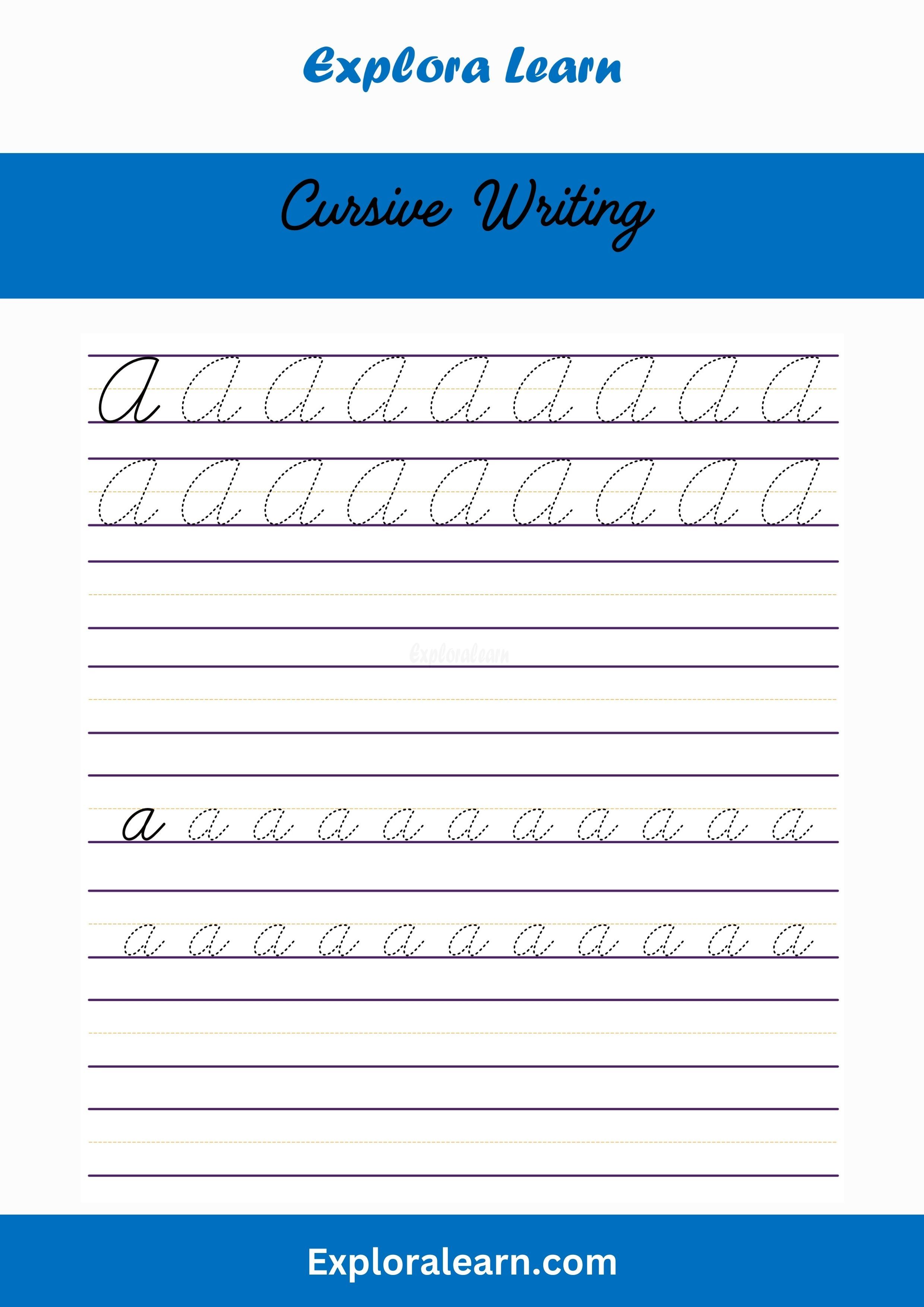
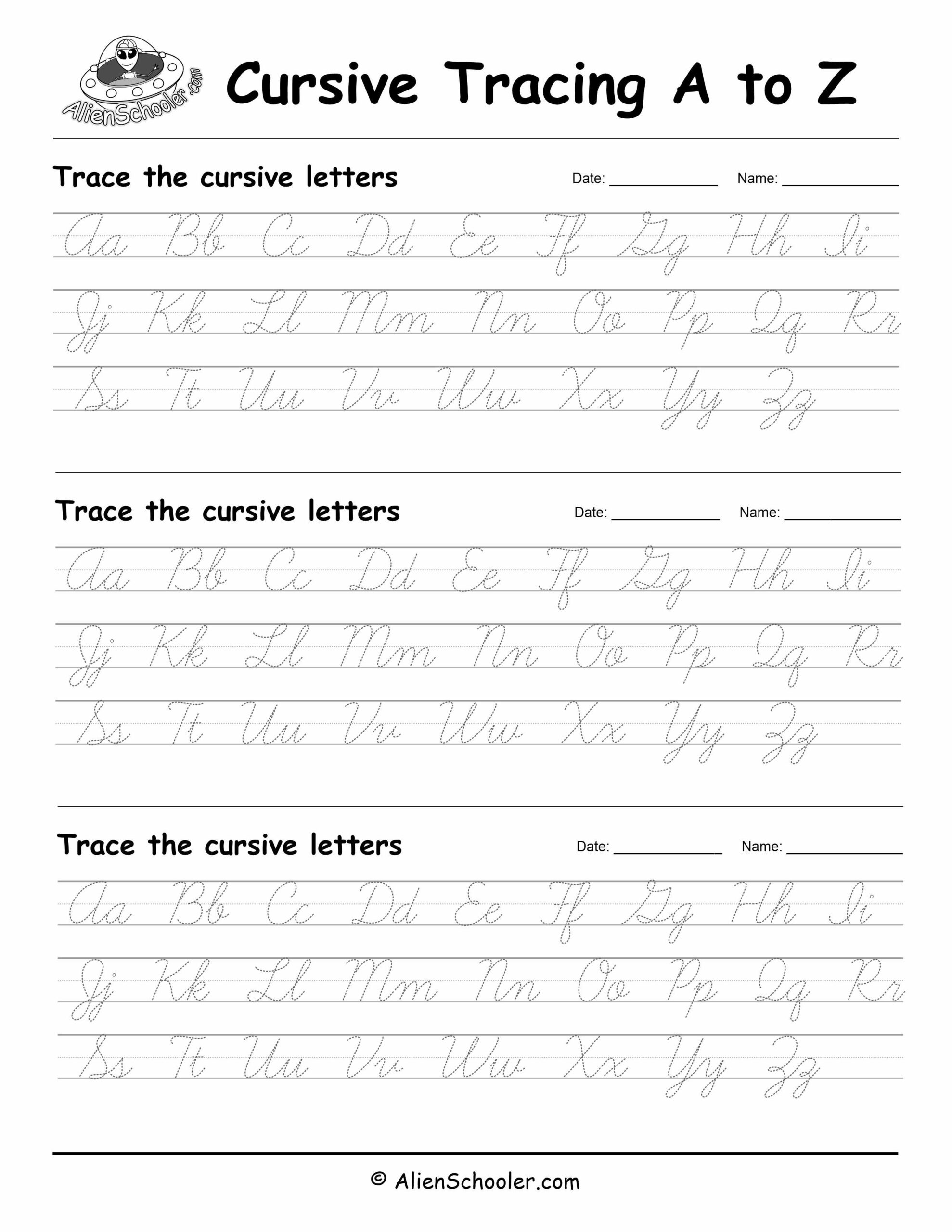
Effective implementation begins long before putting graphite to paper. Adults should first observe how the child grips the pencil, ensuring a functional tripod grasp that permits flexible finger movement. Sitting posture matters immensely; feet should rest flat on the floor with hips and knees bent at ninety-degree angles to provide stable core support. Begin by having the child trace the faded gray letter models with a finger, mimicking the physical motion in the air before introducing a writing tool. Once the tactile path feels familiar, transition to a sharp pencil or a fine-tip washable marker to complete the tracing lines. For additional skill progression, browsing through Letter Writing Worksheets offers wonderful supplementary material for isolated character mastery. Consistency outperforms marathon sessions every single time. Dedicating five minutes daily yields vastly superior neurological adaptations compared to a single exhausting thirty-minute weekly drill.
Practical Tips for Parents and Teachers
Children often squeeze pencils with excessive force when tackling difficult curves, leading to rapid hand cramps and frustration. Introducing specialized pencil grips or breaking crayons into short chunks can naturally encourage a relaxed, dynamic tripod posture. Turning the practice session into a game helps maintain high engagement levels without creating performance anxiety. Asking the child to find the absolute neatest loop on the page fosters self-evaluation and pride in craftsmanship. If frustration mounts, pause the session immediately and try gross-motor shoulder warm-ups like wall push-ups or arm circles to reset the nervous system. Exploring ideas found within Worksheets provides endless variety to keep practice fresh and exciting. Patience remains the most critical teaching tool in the adult’s toolkit during these foundational skill-building phases.
Age-Appropriate Recommendations
Introducing connected script too early can lead to unnecessary frustration if the underlying hand musculature lacks proper maturation. According to National Association for the Education of Young Children Developmentally Appropriate Practice guidelines, structured writing tasks must align with a child’s physical and cognitive readiness rather than chronological age alone. Most children around ages six to eight possess the necessary visual-motor integration and sustained attention span required for cursive loops. Younger children benefit immensely from foundational exploration found in Preschool Worksheets, which focus on basic pre-writing strokes and lateral stability. Educators should carefully observe pencil pressure and hand stamina; if a child’s fingers turn white from gripping too tightly, it serves as a clear indicator to scale back the complexity and return to gross-motor hand strengthening activities.
Foundational fine motor manipulation and bilateral hand use directly correlate with long-term academic engagement and classroom success. — American Occupational Therapy Association
Frequently Asked Questions
How do I download and print this worksheet?
Simply click the download button on the resource page to save the PDF file directly to your device, then select print using standard letter-sized paper settings.
How does this worksheet support fine motor development?
It builds intrinsic hand muscle strength, visual-spatial tracking, and precise pencil control through guided connected-stroke tracing.
What does the National Center for Learning Disabilities say about cursive?
According to the National Center for Learning Disabilities, cursive writing can significantly benefit students with dyslexia by reducing letter reversals through continuous fluid motion.
Explore More Free Printable Worksheets
Expanding a young learner’s toolkit requires access to diverse, high-quality practice materials designed by developmental specialists. Adults can easily discover comprehensive resources by browsing through Coloring Worksheets to build hand strength and focus. Integrating varied activities ensures that fine motor development remains an engaging, joyful journey rather than a tedious chore.
Developmental Milestone & Activity Table
| Development Stage | Recommended Daily Duration | Primary Learning Objective |
|---|---|---|
| Preschool & Pre-K | 10 – 15 Minutes | Pencil grip development & basic pre-stroke lines |
| Kindergarten | 15 – 20 Minutes | Letter/number formation & spatial line awareness |
| Early Elementary (Grade 1–2) | 20 – 30 Minutes | Fluency, sentence construction & neatness |
Images References