Introduction
Mastering cursive writing remains a significant milestone in early childhood education, bridging the gap between basic letter formation and fluent, connected expression. The free printable worksheet “amber in cursave” offers a targeted approach for children learning to link specific letterforms smoothly on paper. Watching a young learner transition from block print to fluid loops often reveals hesitation, yet the right guided practice builds genuine muscle memory. It sounds simple, and that’s the point. Through intentional repetition and proper stroke sequencing, learners transform awkward hand movements into confident, rhythmic writing patterns.
💡 Educational Key Takeaways:
- Core Skill: Structured Amber In Cursave focused on developing pencil grip, stroke control, and early literacy/math confidence.
- Target Scope: Suited for homeschoolers, preschool, kindergarten, and elementary learners.
- Best Recommendation: Practice 10–15 minutes daily with ergonomic writing tools to reinforce muscle memory without hand fatigue.
What This Worksheet Covers
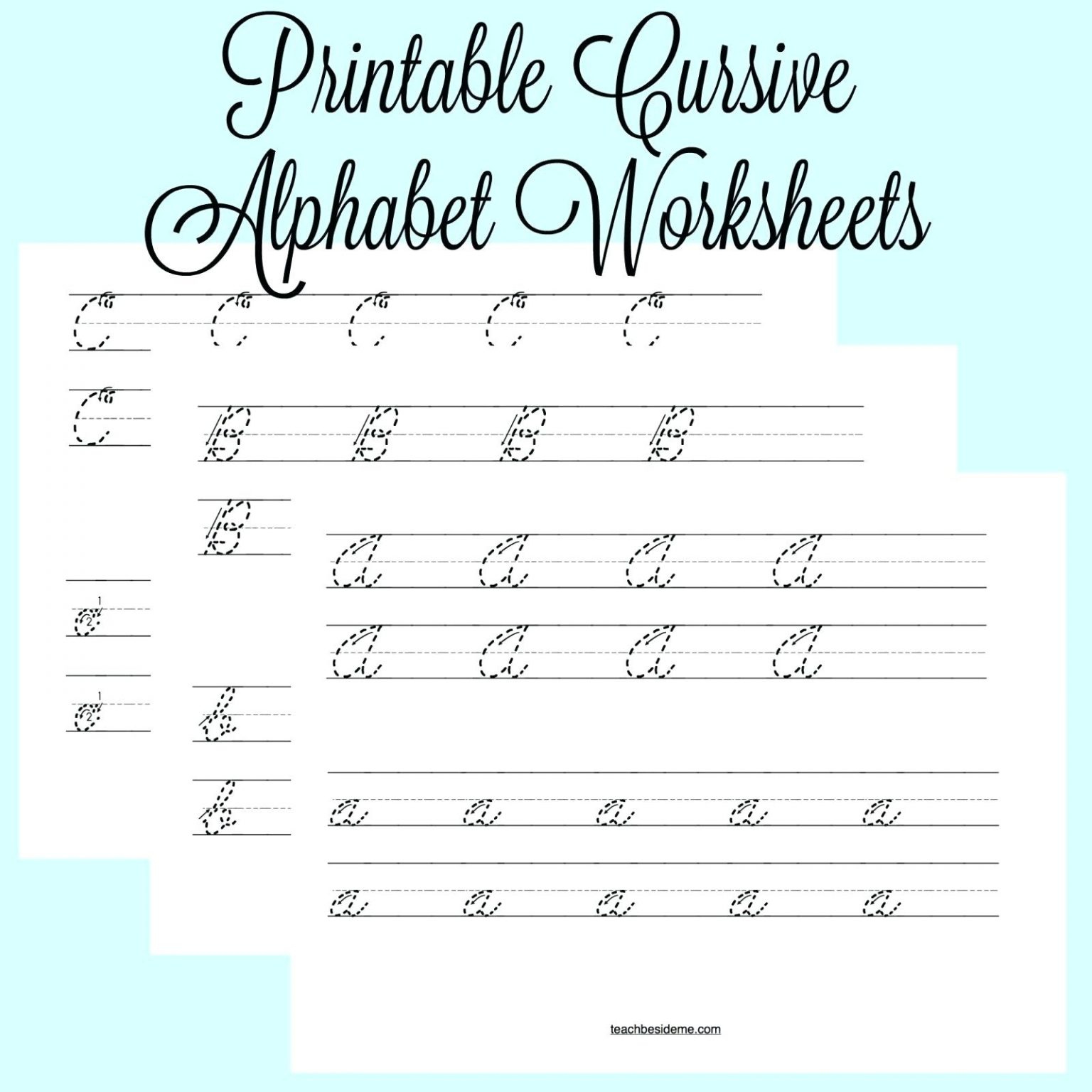
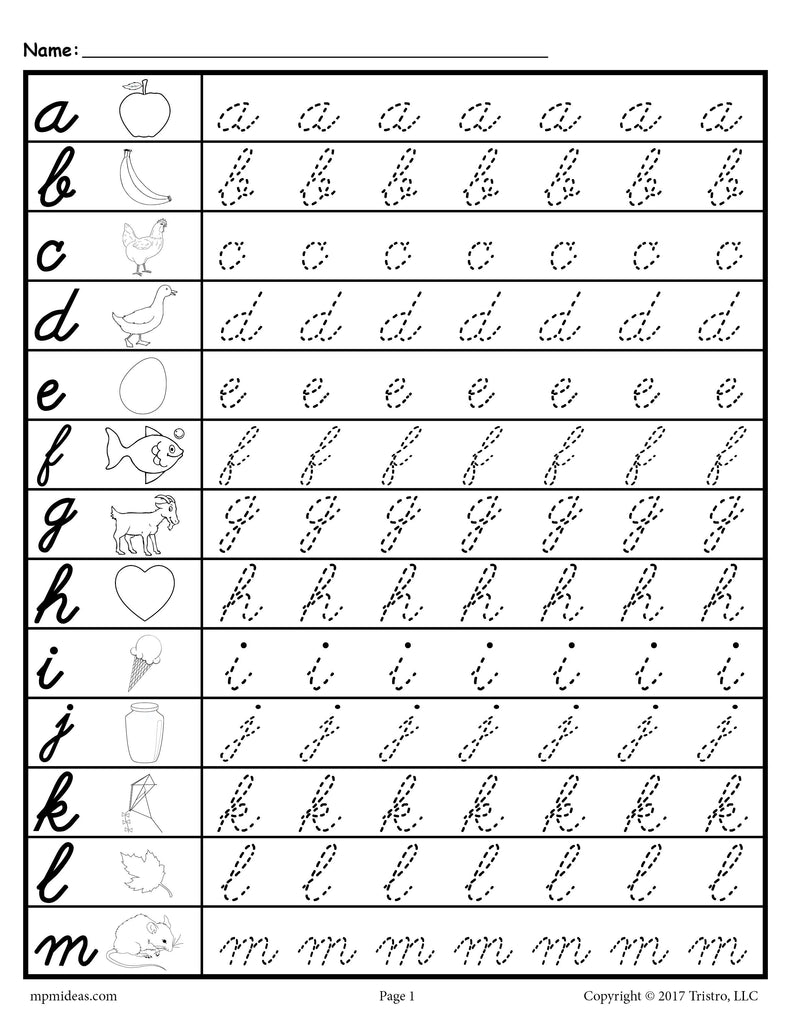
Connecting the letters in a specific name requires precision, spatial awareness, and steady pencil control. This resource specifically targets the sequential flow needed to link lowercase and uppercase cursive letters without lifting the writing utensil unnecessarily. Therapists frequently observe children pressing too hard or losing control midway through a curved stroke, which underscores the value of structured tracing pathways. Transitioning into connected script challenges intrinsic hand muscles, demanding both visual-motor integration and sustained attention to baseline alignment.
Key Learning Outcomes
Practicing this specific name template reinforces crucial developmental domains, including letter sequencing, proportional sizing, and slant consistency. According to Reading Rockets, systematic handwriting instruction directly supports reading fluency and spelling by anchoring letter recognition in kinesthetic memory. Children also refine their pencil grasp and pressure regulation as they navigate the continuous loops and directional changes inherent in cursive scripts. Exploring additional resources within Name Practice Worksheets provides further reinforcement for personalized letter connections and early identity recognition.
How to Use This Worksheet
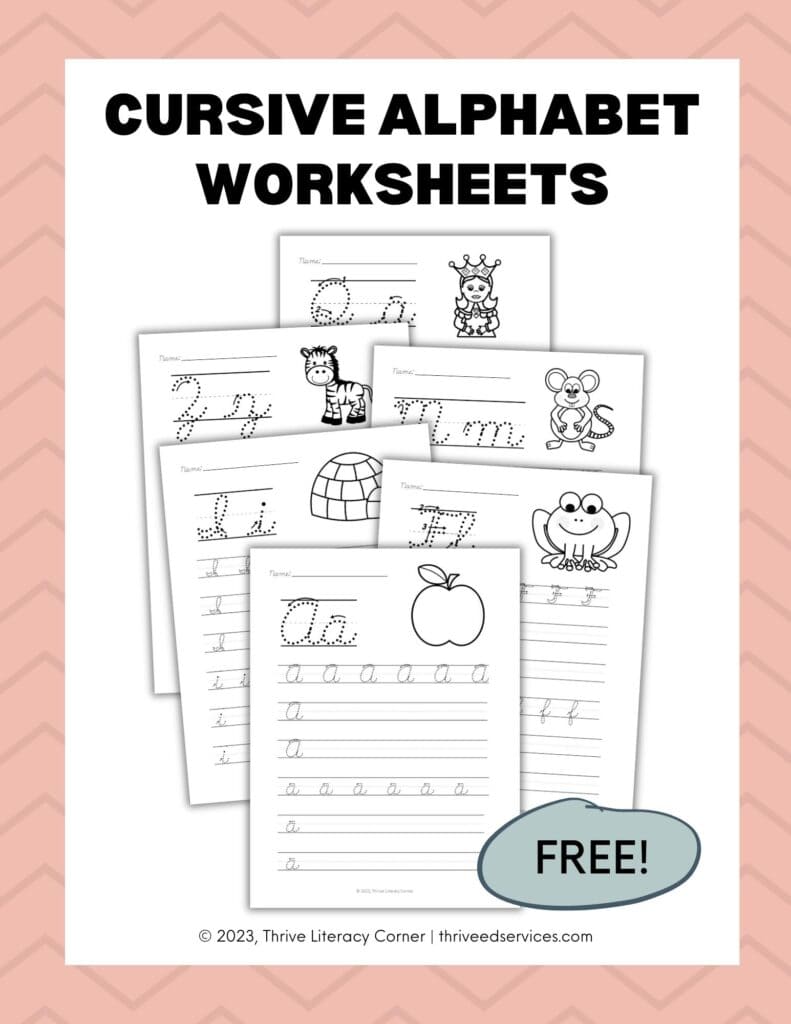
Successful implementation begins with setting up an ergonomic workspace where feet rest flat on the floor and paper is tilted at a comfortable diagonal angle. Adults should model the correct starting point and directional flow before inviting the child to trace the faded outlines independently. Here’s what makes this worksheet different: it emphasizes the continuous fluid motion rather than isolated letter perfection, reducing anxiety for perfectionist learners. Educators can integrate these exercises into morning tubs, literacy centers, or dedicated occupational therapy sessions to ensure consistent daily exposure.
Practical Tips for Parents and Teachers
Breaking the practice down into manageable segments prevents hand fatigue and maintains engagement during writing sessions. Instructors can use tactile materials, such as having children trace the cursive name in a shallow tray of sand or salt prior to putting pencil to paper. Pairing name mastery with broader foundational tasks found via Tracing Worksheets helps build the underlying pre-writing strokes required for smooth loops and ascenders. Offering positive reinforcement centered on effort and steady rhythm yields better long-term results than demanding immediate perfection.
Age-Appropriate Recommendations
Introducing cursive typically aligns with second grade, corresponding to specific educational benchmarks where print handwriting has become automatic. According to the National Association for the Education of Young Children (NAEYC) guidelines on developmentally appropriate practice, learning materials must match the physical and cognitive readiness of the child. Younger preschoolers benefit more from introductory print readiness found in Preschool Worksheets, whereas older elementary students are developmentally primed for the continuous fluid motions of connected script.
Systematic handwriting instruction directly reinforces letter recognition, orthographic mapping, and overall reading fluency in early elementary learners — Reading Rockets
Frequently Asked Questions
Finding clear answers regarding handwriting instruction helps adults support young learners effectively. The following common questions address downloading procedures, developmental benefits, and professional standards for cursive practice.
Explore More Free Printable Worksheets
Expanding a child’s writing toolkit requires access to a diverse array of practice materials targeting different developmental stages. Educators and parents can browse comprehensive collections ranging from foundational pencil control exercises to advanced script practice by visiting the main directory of Worksheets. Incorporating varied resources ensures that learners remain motivated and challenged as their fine motor skills continue to mature.
Developmental Milestone & Activity Table
| Development Stage | Recommended Daily Duration | Primary Learning Objective |
|---|---|---|
| Preschool & Pre-K | 10 – 15 Minutes | Pencil grip development & basic pre-stroke lines |
| Kindergarten | 15 – 20 Minutes | Letter/number formation & spatial line awareness |
| Early Elementary (Grade 1–2) | 20 – 30 Minutes | Fluency, sentence construction & neatness |
Images References