Introduction
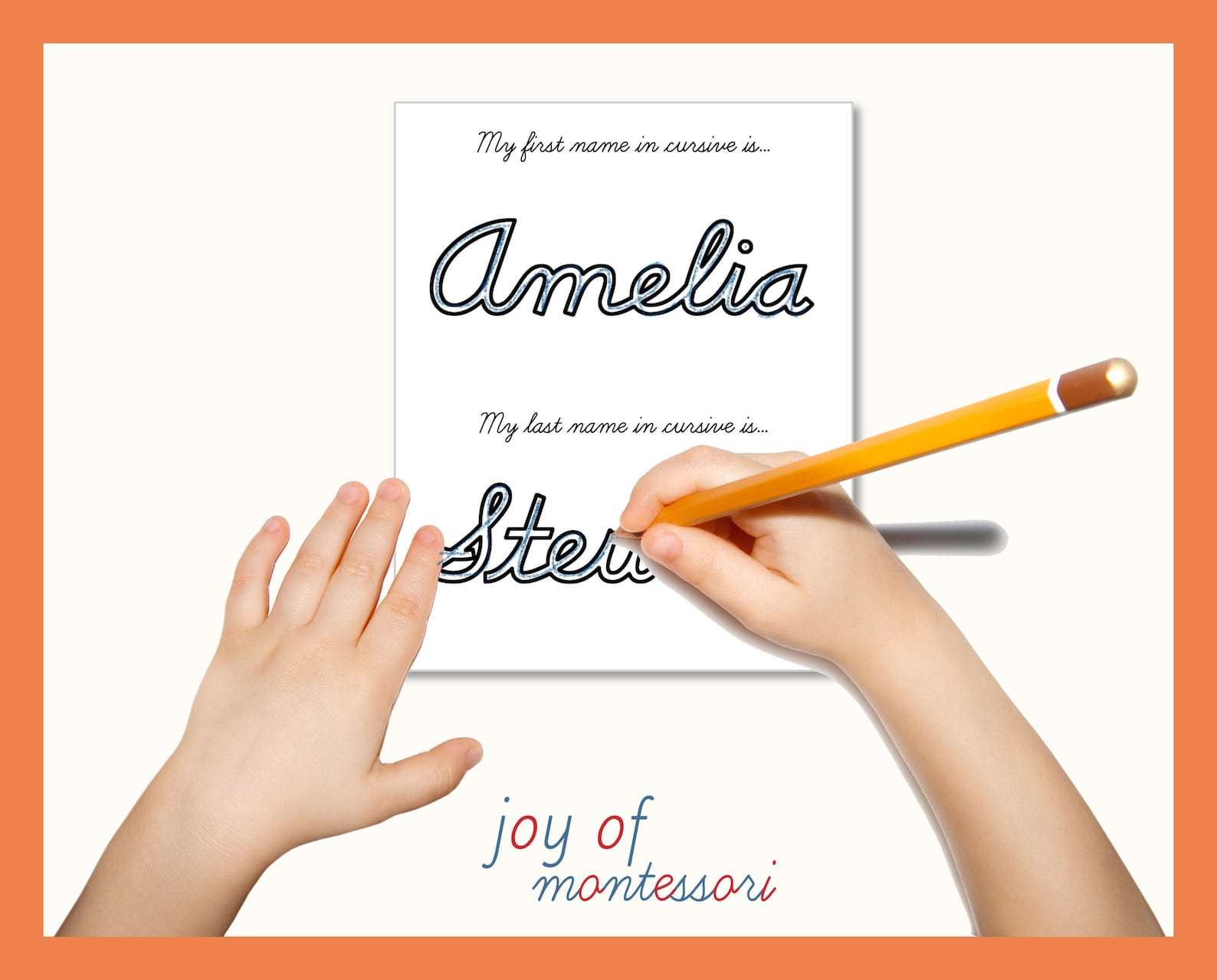
Guiding a child through the early stages of literacy often brings unique challenges, particularly when transitioning from block print to fluid connected handwriting styles. The name amelia in cursav free printable worksheet offers a targeted resource designed to bridge this exact gap, focusing on the specific letter sequencing and fine motor control required for cursive mastery. Children frequently grip pencils with excessive tension when attempting curved lines for the first time, making specialized practice sheets essential for building both muscle memory and lasting confidence.
💡 Educational Key Takeaways:
- Core Skill: Structured The Name Amelia In Cursav focused on developing pencil grip, stroke control, and early literacy/math confidence.
- Target Scope: Suited for homeschoolers, preschool, kindergarten, and elementary learners.
- Best Recommendation: Practice 10–15 minutes daily with ergonomic writing tools to reinforce muscle memory without hand fatigue.
What This Worksheet Covers
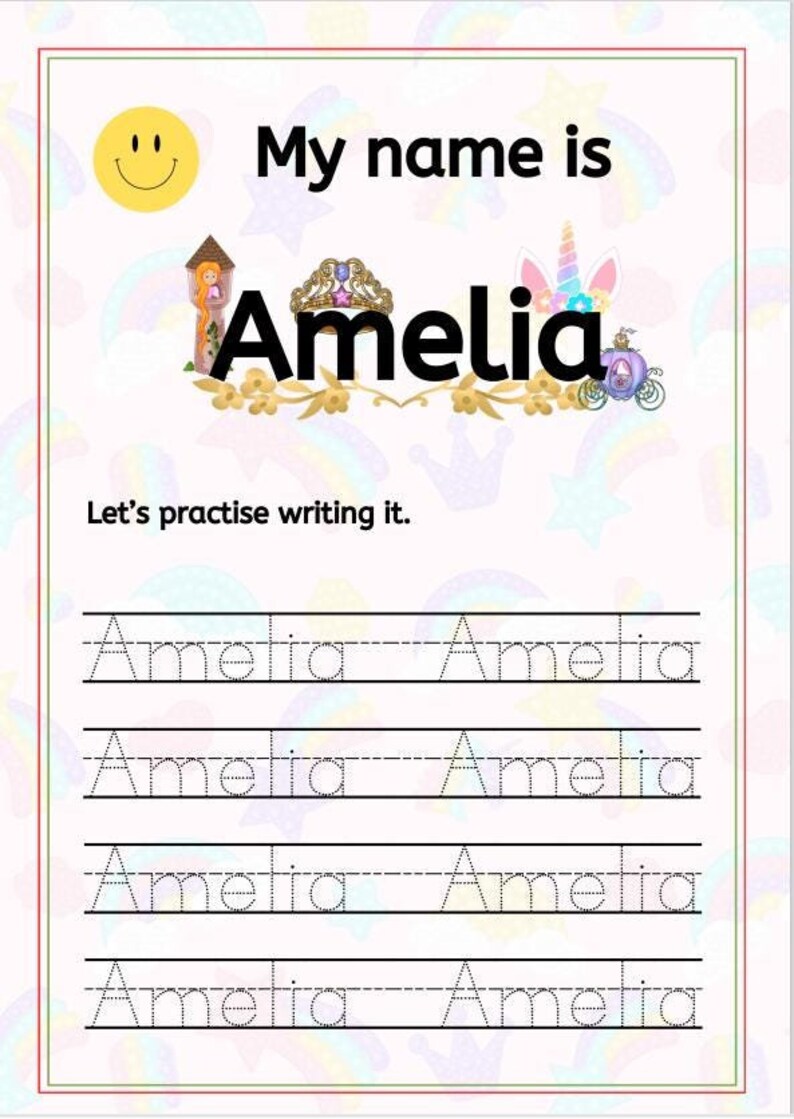
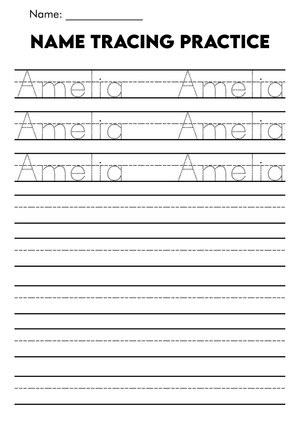
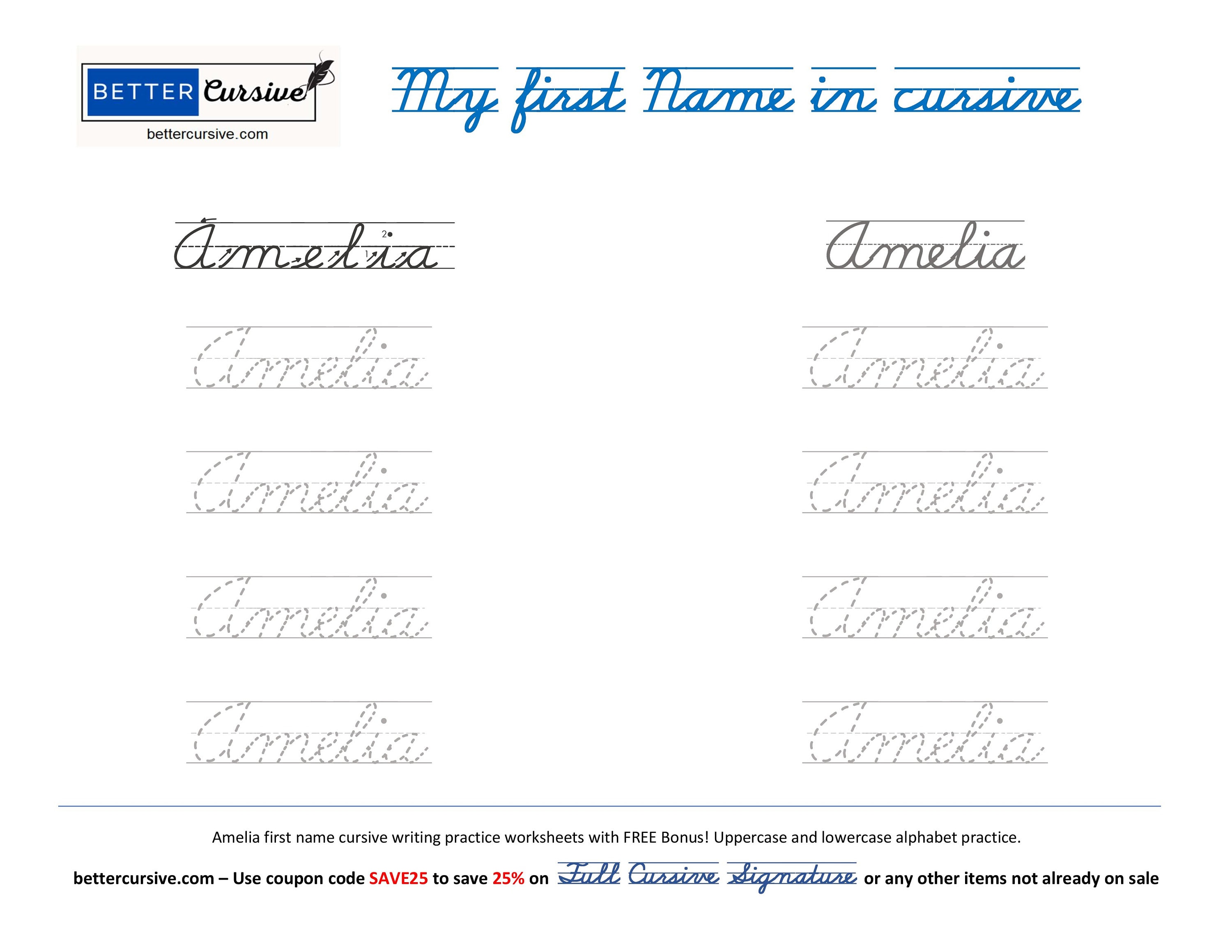
Focused primarily on name recognition, letter sequencing, and fluid stroke formation, this printable guides learners through the specific loops and connectors unique to the name Amelia. Starting with capital ‘A’ and flowing into the lowercase ‘melia’, the design emphasizes continuous fluid motion rather than disjointed strokes. Educators often observe that young hands struggle with maintaining a steady baseline while executing continuous curves, making this structured layout particularly effective for establishing proper proportion and alignment.
Key Learning Outcomes
Working through these targeted exercises directly improves spatial awareness across the page and strengthens the intrinsic hand muscles required for sustained writing endurance. According to the American Occupational Therapy Association, foundational fine motor control developed during early handwriting practice is directly linked to academic engagement and overall classroom success. It sounds simple, and that’s the point: repetitive, focused tracing lays the groundwork for automatic letter retrieval, allowing cognitive energy to shift from mechanical execution to creative expression. Integrating specialized resources like Name Practice Worksheets provides children with personalized connection points that make mastering complex scripts far more engaging.
How to Use This Worksheet
Begin by introducing the sheet during a quiet, well-lit portion of the daily routine when hand fatigue is at a minimum. Encourage starting with a dry-run using a finger to trace the cursive path before introducing a writing utensil, which helps establish the rhythm of the connected strokes. Observing a child at the table reveals that postural stability directly impacts pencil control; ensuring feet flat on the floor and hips at a ninety-degree angle creates the core support necessary for delicate hand movements.
Practical Tips for Parents and Teachers
Watch closely for a tight, fisted grip or excessive pressure that bends pencil tips, gently redirecting fingers into an efficient tripod grasp. For learners who find continuous lines daunting, placing a protective plastic sleeve over the page and using a dry-erase marker reduces the anxiety of making permanent mistakes. Expanding practice routines with related Letter Writing Worksheets ensures learners master individual curve formations before tackling full words again. When frustration mounts, stepping away for gross motor activities like wall pushes or bear crawls can reset the proprioceptive system and restore focus.
Age-Appropriate Recommendations
Introducing cursive elements typically aligns best with second-grade developmental milestones, though advanced kindergartners or first graders showing readiness with pre-writing lines can also explore introductory scripts. According to the National Association for the Education of Young Children, developmentally appropriate practice requires matching task complexity to a child’s current fine motor maturity rather than enforcing rigid age cutoffs. Aligning instruction with the Common Core ELA standard CCSS.ELA-LITERACY.L.1.1.A, which emphasizes printing all upper- and lowercase letters, provides a solid foundation before advancing into fluid connected scripts found within broader Preschool Worksheets collections.
Foundational fine motor control developed during early handwriting practice is directly linked to academic engagement and overall classroom success. — American Occupational Therapy Association
Frequently Asked Questions
How do I download and print this worksheet?
Click the download link on the resource page to save the PDF file directly to a device, then open and print using standard letter-sized paper with landscape or portrait settings adjusted as needed.
How does this worksheet support fine motor development?
It builds intrinsic hand strength, improves visual-motor integration, and refines pencil control through repetitive, guided practice of continuous cursive strokes.
At what age should children start practicing cursive names?
According to the Centers for Disease Control and Prevention developmental milestones, children around ages seven to eight typically possess the fine motor dexterity required to begin learning connected cursive handwriting.
Explore More Free Printable Worksheets
Supporting a well-rounded fine motor curriculum requires a diverse mix of resources tailored to every developmental stage. Exploring comprehensive Tracing Worksheets helps build the early pencil accuracy necessary for advanced script. Discovering additional Worksheets across different categories ensures steady, engaging progress throughout the entire early learning journey.
Developmental Milestone & Activity Table
| Development Stage | Recommended Daily Duration | Primary Learning Objective |
|---|---|---|
| Preschool & Pre-K | 10 – 15 Minutes | Pencil grip development & basic pre-stroke lines |
| Kindergarten | 15 – 20 Minutes | Letter/number formation & spatial line awareness |
| Early Elementary (Grade 1–2) | 20 – 30 Minutes | Fluency, sentence construction & neatness |
Images References