Introduction
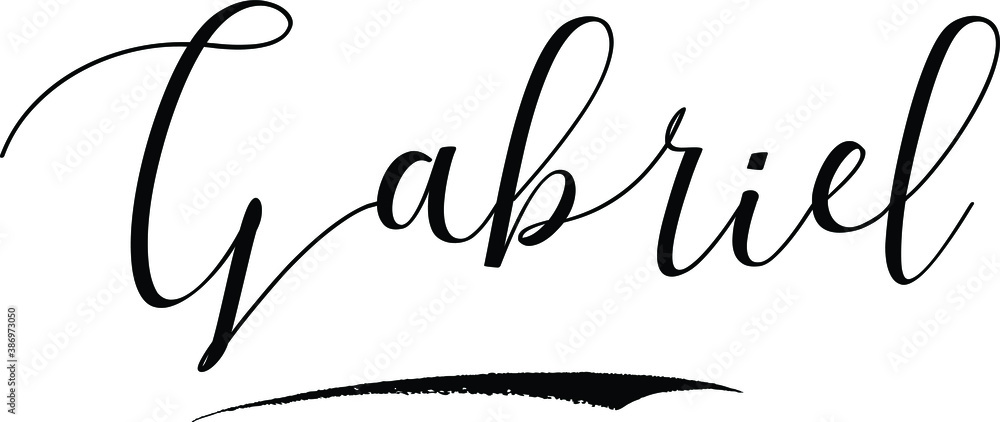
Mastering cursive script represents a significant milestone in elementary education, bridging the gap between basic motor control and fluent, expressive writing. Learning how do you write gabriel in cursive offers a wonderful gateway into connected handwriting, combining a familiar, meaningful name with the rhythmic flow of joined letters. Often, children struggle with the transition from printed text to the fluid motions required for cursive, making targeted practice an essential tool for building confidence. Educators and occupational therapists frequently notice that when children practice writing a name that holds personal significance, engagement levels rise dramatically. This readiness is not accidental; it stems from purposeful design that respects developmental timelines and fine motor capacities. Exploring Name Practice Worksheets provides children with the foundational familiarity they need before tackling more complex writing tasks.
💡 Educational Key Takeaways:
- Core Skill: Structured How Do You Write Gabriel In Cursive focused on developing pencil grip, stroke control, and early literacy/math confidence.
- Target Scope: Suited for homeschoolers, preschool, kindergarten, and elementary learners.
- Best Recommendation: Practice 10–15 minutes daily with ergonomic writing tools to reinforce muscle memory without hand fatigue.
What This Worksheet Covers
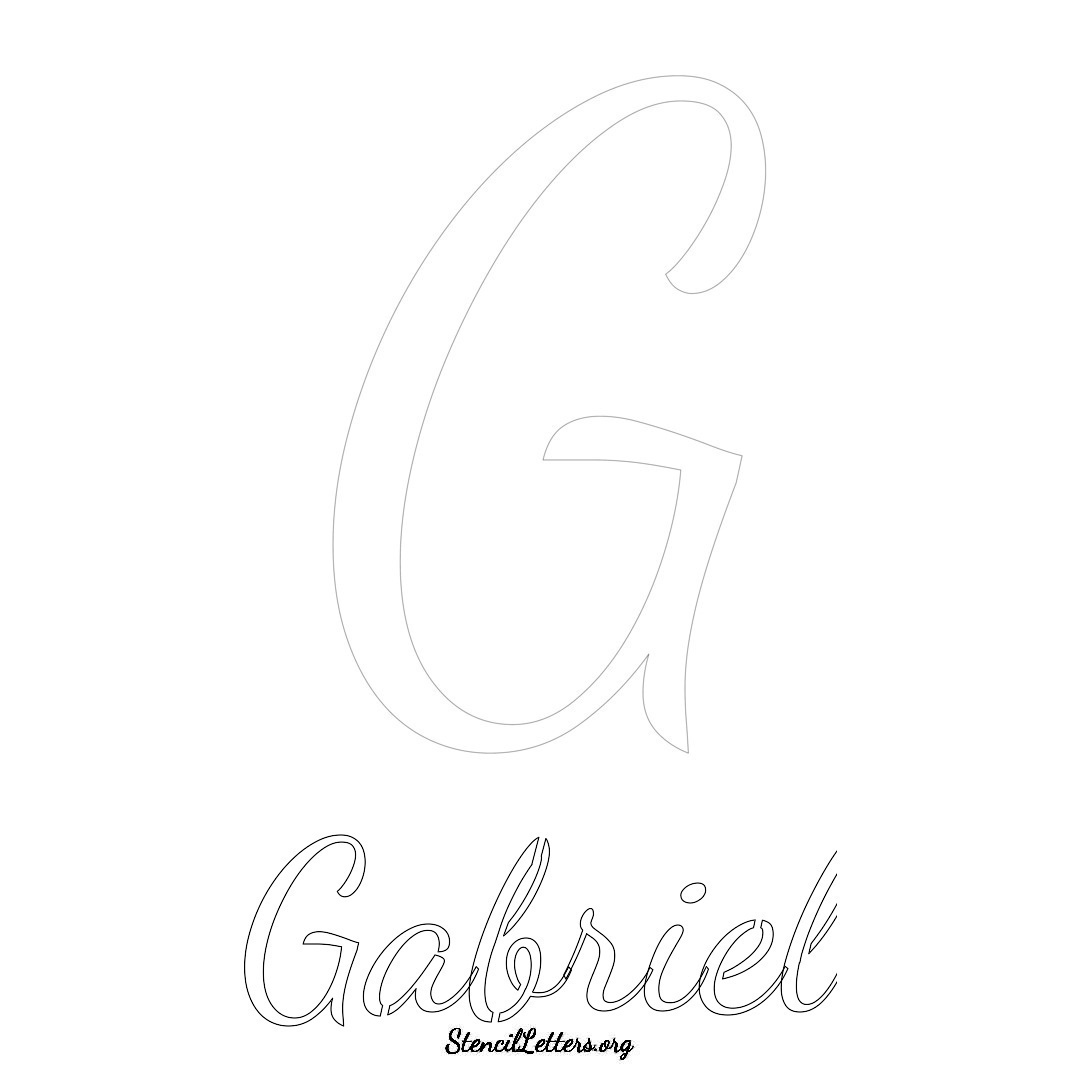
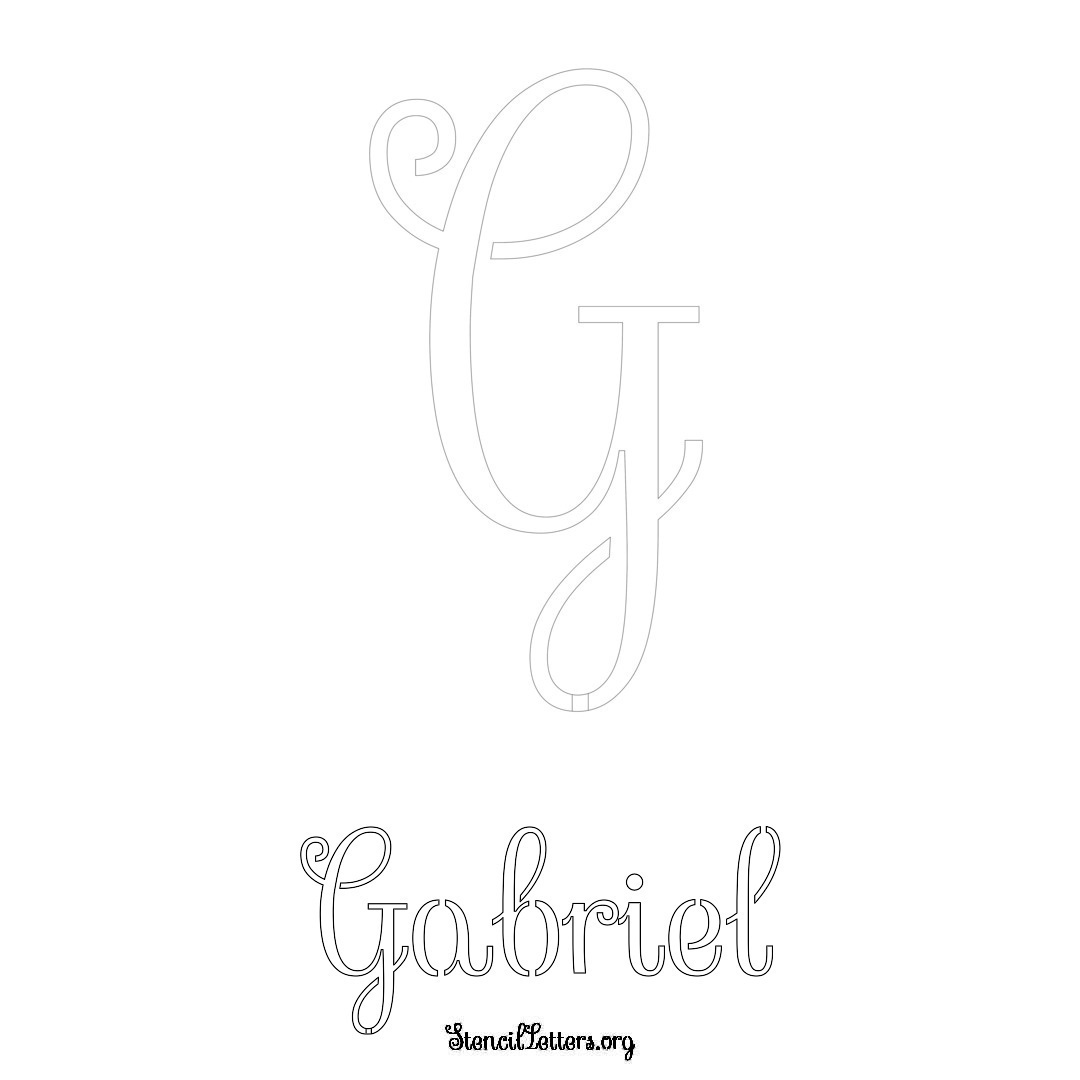
The focus centers entirely on the specific letter sequencing and stroke continuity found in the name Gabriel. Starting with the capital ‘G’ requires a sweeping curved motion that establishes momentum, followed by the lowercase ‘a’, ‘b’, ‘r’, ‘i’, ‘e’, and ‘l’. Each letter depends heavily on precise pencil control and consistent pressure to maintain legibility across the baseline. According to the American Occupational Therapy Association, foundational handwriting tasks require the integration of visual-perceptual skills, fine motor coordination, and bilateral integration. Children must learn where each lowercase letter connects to the next without lifting the writing utensil, a skill that transforms isolated strokes into a cohesive linguistic unit.
Key Learning Outcomes
Working through these targeted exercises reinforces letter sequencing, spatial awareness, and proper stroke order. Muscle memory begins to form as hands repeat the loops and tails characteristic of traditional cursive scripts. Furthermore, focusing on a specific personal name nurtures intrinsic motivation, encouraging children to persist through challenging transitions like the tricky connection between the ‘b’ and the ‘r’. Building these competencies early on supports broader academic success across all subjects requiring written expression.
How to Use This Worksheet
Adults should begin by demonstrating the stroke order slowly in the air or on a larger surface before handing over a pencil. It sounds simple, and that’s the point: multisensory preparation activates neural pathways that flat paper alone cannot reach. Children benefit from tracing faded models first, gradually moving toward independent generation once the muscle memory starts to settle. Integrating structured Letter Writing Worksheets alongside name practice ensures well-rounded mastery of the entire alphabet.
Practical Tips for Parents and Teachers
Posture matters immensely during cursive instruction, as feet flat on the floor and a stable core provide the proximal stability necessary for distal hand control. Writing utensils should feature a comfortable grip that prevents finger fatigue during longer writing sessions. Here’s what makes this worksheet different: it targets the exact mechanics of fluid connection rather than demanding endless repetition of generic loops. Allowing children to use colored pencils or thick markers initially can reduce the pressure of perfection and make the practice feel more like play.
Age-Appropriate Recommendations
Introducing cursive typically aligns with the developmental milestones outlined in the National Association for the Education of Young Children Developmentally Appropriate Practice framework, usually occurring around second grade when print handwriting has achieved baseline automaticity. Expecting fluent cursive too early can lead to frustration and unwanted tension in the hand muscles. Younger children still developing pre-writing strokes can build necessary hand strength by utilizing Tracing Worksheets before advancing to connected script.
Proficient handwriting supports working memory and cognitive engagement by reducing the conscious effort required for letter formation. — Reading Rockets
Frequently Asked Questions
Finding the right approach to cursive instruction often brings up practical questions regarding timing, technique, and implementation. Reviewing these common inquiries helps clarify the best path forward for supporting young writers at home or in the classroom.
Explore More Free Printable Worksheets
Expanding a child’s writing toolkit requires access to a wide variety of engaging, skill-building resources that grow alongside them. Exploring comprehensive Preschool Worksheets offers younger learners a sturdy foundation in early literacy, while older students benefit from exploring diverse Worksheets designed to refine fine motor control and academic confidence across every elementary grade level.
Developmental Milestone & Activity Table
| Development Stage | Recommended Daily Duration | Primary Learning Objective |
|---|---|---|
| Preschool & Pre-K | 10 – 15 Minutes | Pencil grip development & basic pre-stroke lines |
| Kindergarten | 15 – 20 Minutes | Letter/number formation & spatial line awareness |
| Early Elementary (Grade 1–2) | 20 – 30 Minutes | Fluency, sentence construction & neatness |
Images References