Introduction
Mastering a new script requires targeted repetition, visual spatial awareness, and precise motor control, especially when introducing the Cyrillic alphabet to young learners. Children transitioning into dual-language programs or heritage language instruction frequently face unique hurdles regarding letter formation, proportional sizing, and directional consistency. Traditional static workbooks often fail to provide the exact variations needed for individual skill levels, leading to frustration and improper pencil grips. A flexible Russian handwriting worksheet generator solves this challenge by producing customizable practice sheets tailored to specific developmental stages. Educators and caregivers can generate targeted exercises that isolate difficult letter combinations, ensuring foundational writing mechanics develop correctly from the very first stroke.
💡 Educational Key Takeaways:
- Core Skill: Structured Russian Handwriting Worksheet Generator focused on developing pencil grip, stroke control, and early literacy/math confidence.
- Target Scope: Suited for homeschoolers, preschool, kindergarten, and elementary learners.
- Best Recommendation: Practice 10–15 minutes daily with ergonomic writing tools to reinforce muscle memory without hand fatigue.
What This Worksheet Covers
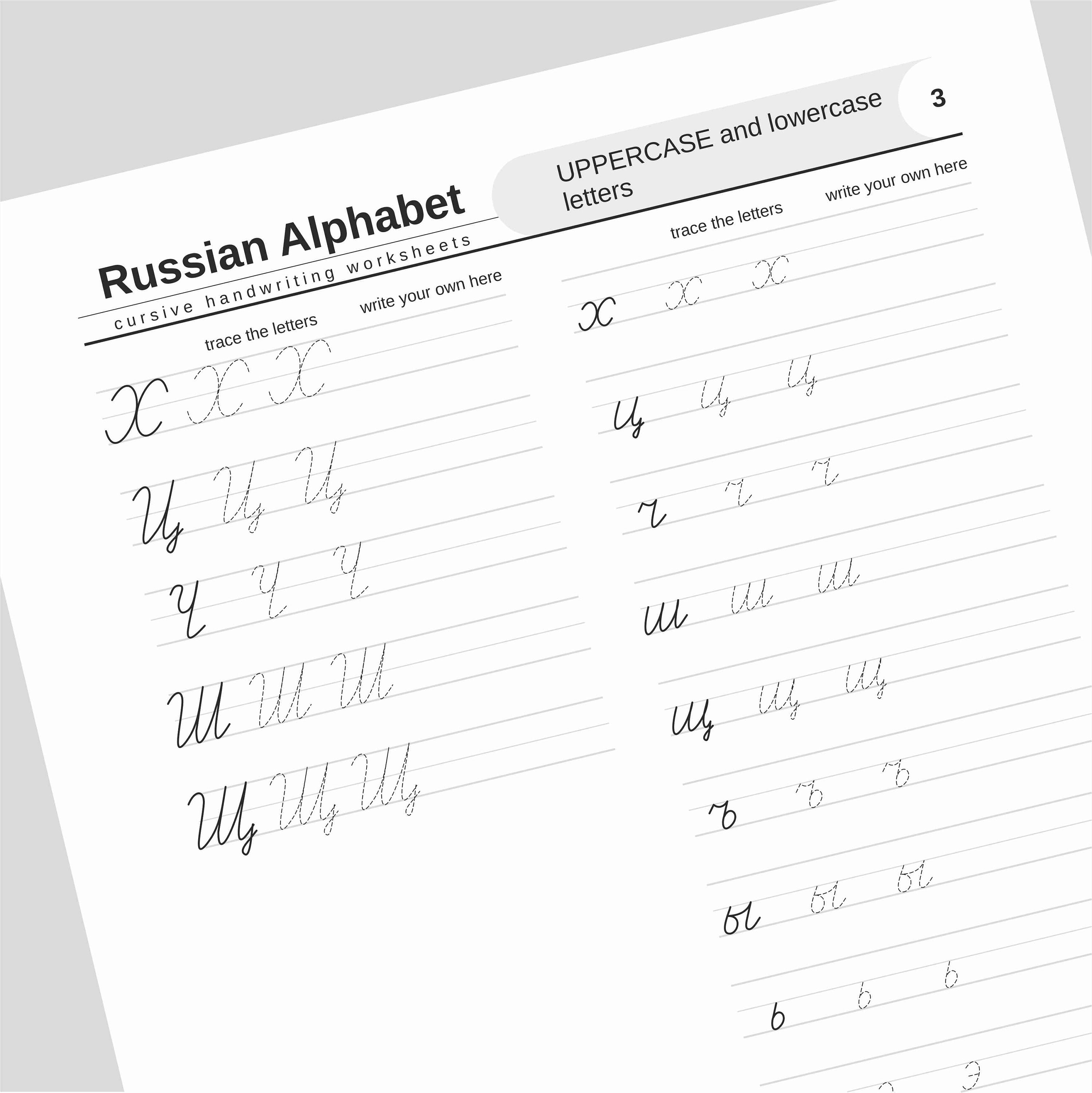
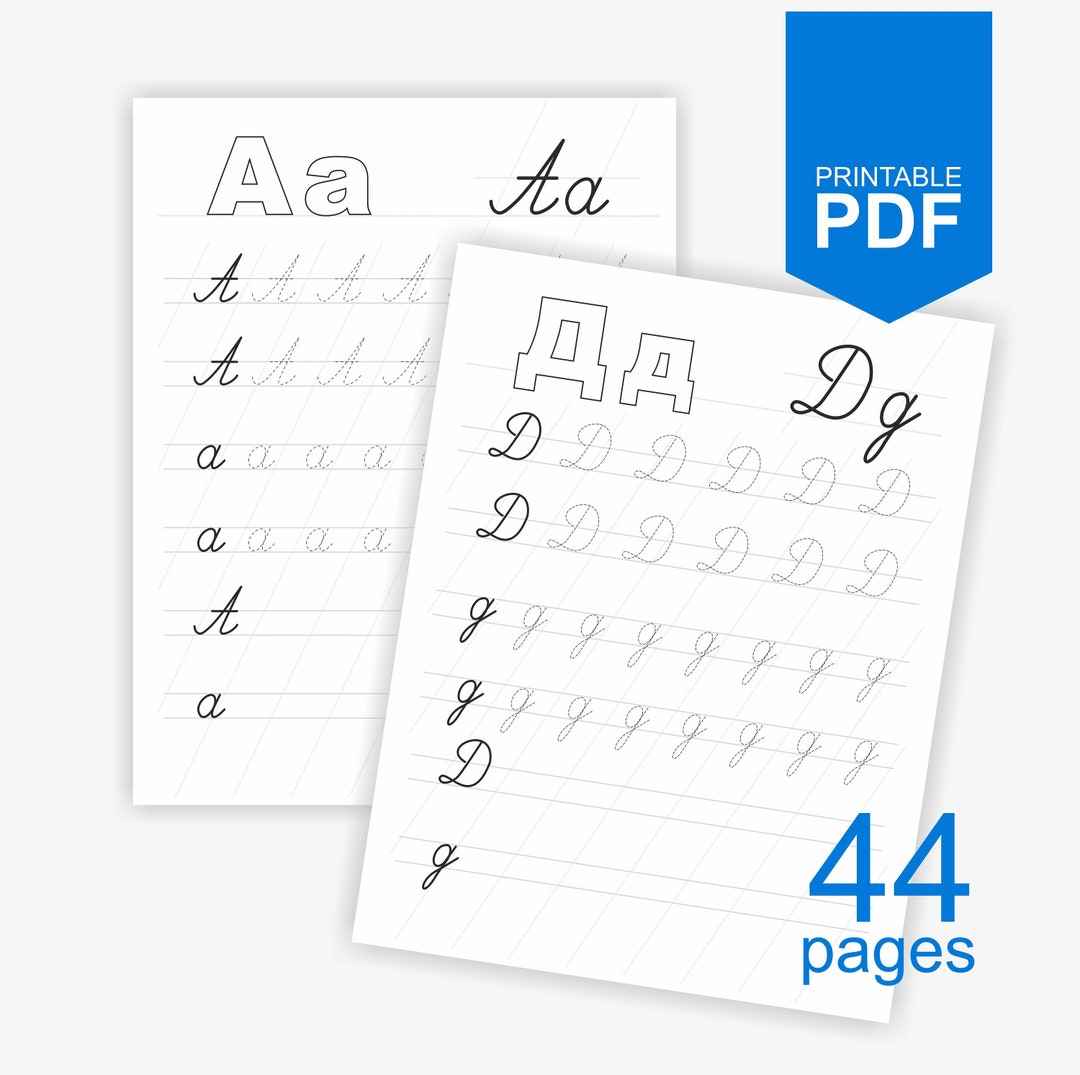
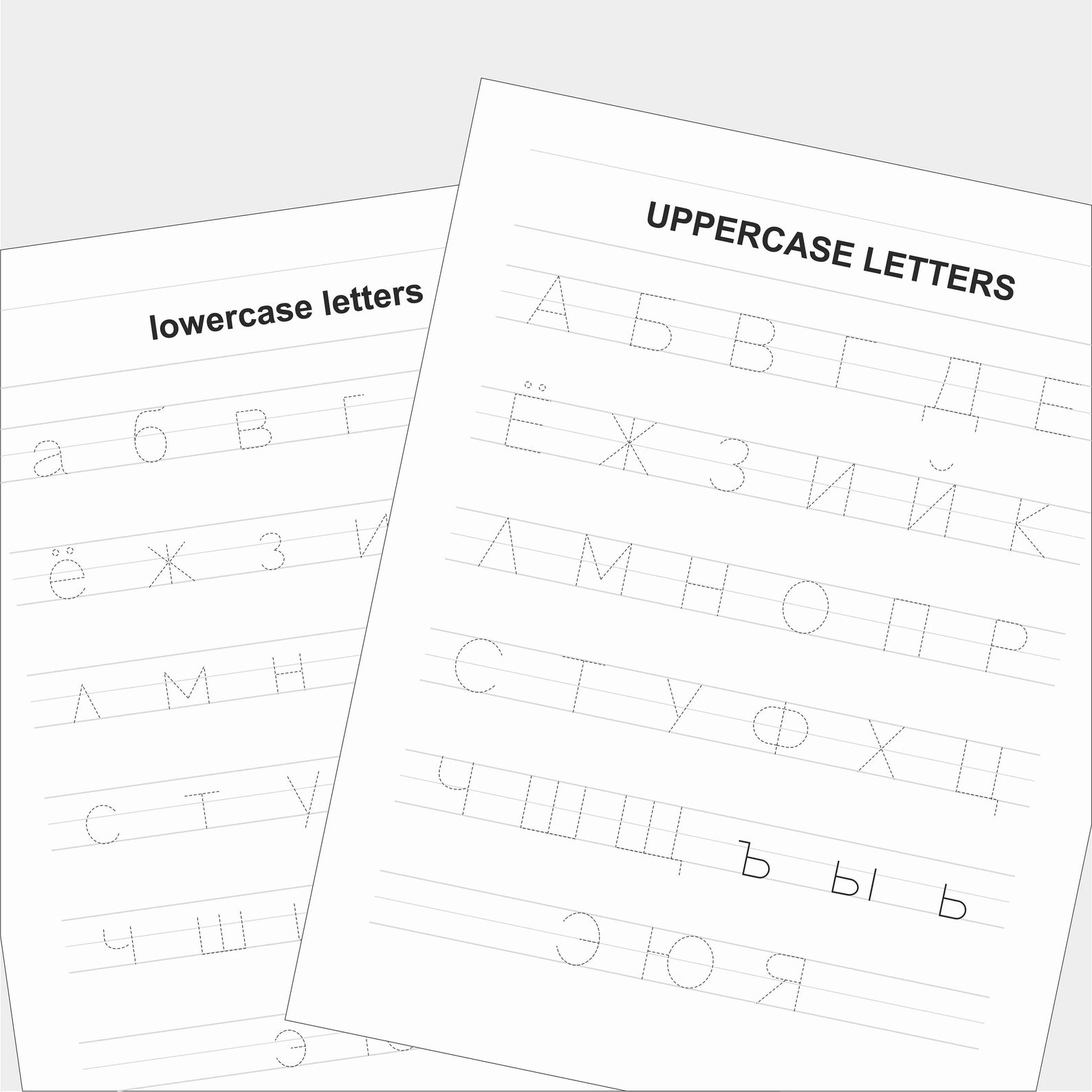
Targeted Cyrillic practice must address the distinct structural differences between printed and cursive Russian letters, which often confuse developing brains and hands. The generator facilitates progressive skill-building by organizing characters according to their physical stroke complexity, starting with vertical and horizontal alignment before moving into loops and diagonal slants. It sounds simple, and that’s the point: removing visual clutter allows children to focus purely on tactile memory and spatial boundaries. When building comprehensive early writing curricula, pairing these targeted script exercises with foundational Tracing Worksheets helps stabilize pencil pressure and line accuracy across multiple writing systems. Observing a child’s hand fatigue during these sessions often reveals whether the writing tool is held with an efficient tripod grasp or an overly tight fist.
Key Learning Outcomes
Consistent interaction with customized Cyrillic practice material yields measurable improvements in fine motor dexterity and visual-motor integration. According to the American Occupational Therapy Association, foundational pencil control and fine motor manipulation are direct predictors of academic success and self-esteem during the early elementary years. Learners develop proper stroke order, preventing the formation of maladaptive habits that slow down writing speed later in childhood. Furthermore, recognizing distinct character shapes reinforces orthographic processing, which directly supports reading fluency in both Russian and additional languages. Exploring structured Letter Writing Worksheets alongside Cyrillic generators broadens this orthographic mastery, bridging the gap between various alphabetic structures seamlessly.
How to Use This Worksheet
Effective implementation relies on short, frequent practice intervals rather than exhausting marathon sessions that strain developing hand muscles. Adults should begin by selecting a font size and line spacing appropriate for the child’s age, ensuring the visual targets match their current visual-motor capacity. Here’s what makes this worksheet different: the ability to regenerate identical layouts with fresh vocabulary prevents children from simply memorizing the visual appearance of a completed page. Practitioners can input specific high-frequency vocabulary words or children’s given names, increasing personal engagement and investment in the final product. Integrating these tailored exercises alongside broader Preschool Worksheets guarantees a well-rounded approach to early childhood education and readiness.
Practical Tips for Parents and Teachers
Establishing a supportive physical environment dramatically changes how a child interacts with writing tasks. Slant boards or vertical surfaces encourage an extended wrist posture, activating the intrinsic hand muscles required for sustained writing endurance without cramping. Adults must monitor grip tightness closely, intervening gently if knuckles turn white or fingers lock around the barrel of the pencil. Positive reinforcement should focus on effort, steady pacing, and correct directional movement rather than absolute perfection on every single line. Creating a low-stress atmosphere ensures learners associate script practice with accomplishment rather than anxiety or fatigue.
Age-Appropriate Recommendations
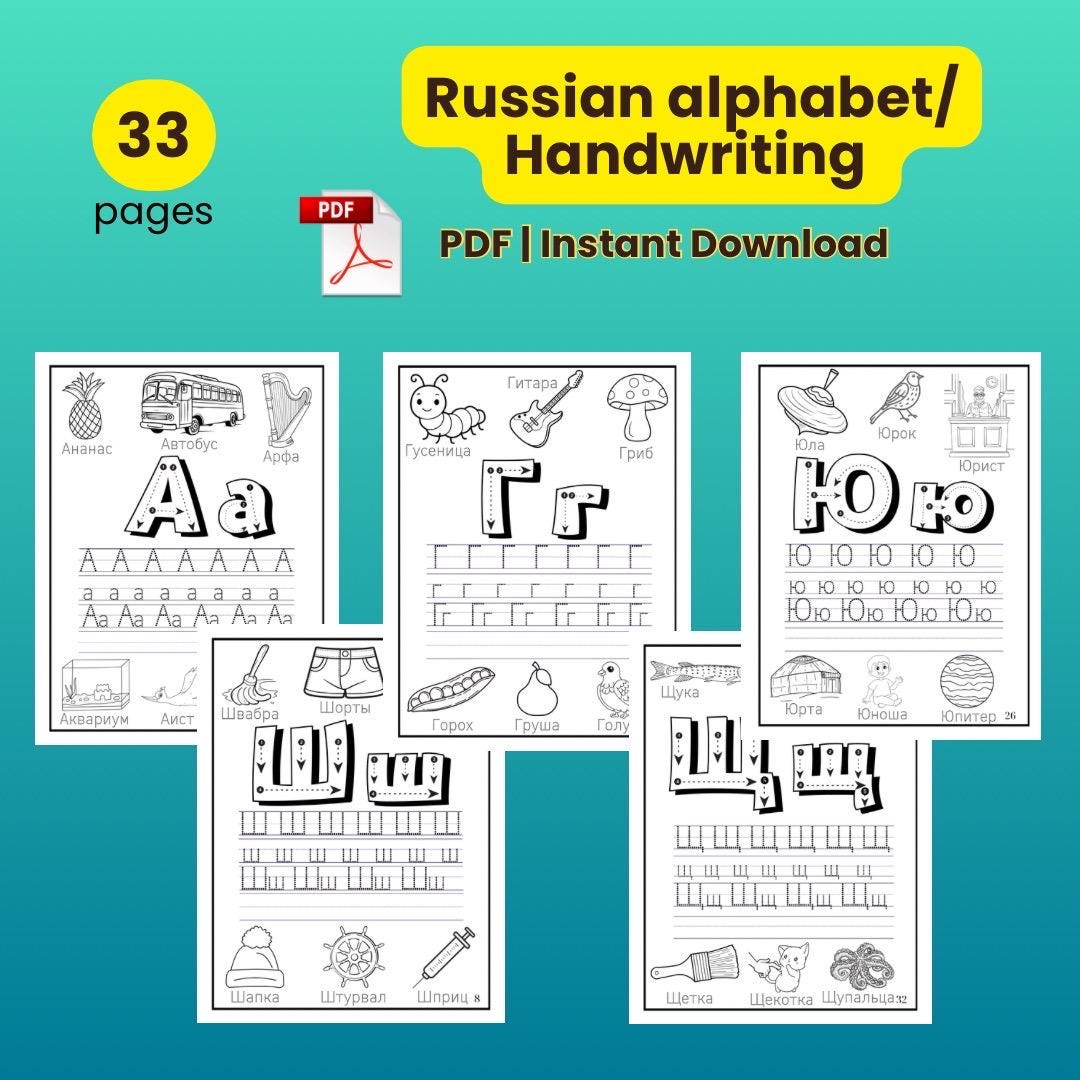
Introducing Cyrillic script demands careful alignment with cognitive and physical milestones, respecting the natural progression outlined in the National Association for the Education of Young Children Developmentally Appropriate Practice framework. Four-year-olds benefit most from large-format templates that emphasize basic pre-writing strokes and gross motor arm movements rather than cramped letter reproduction. Five and six-year-olds can transition to standard primary lines, focusing on proportional sizing between tall, small, and descending letters like ‘б’, ‘ф’, and ‘р’. By ages seven and eight, children tackle fluid cursive connections, merging individual characters into legible, connected words with appropriate spacing. Matching the worksheet density to the exact developmental window prevents physical exhaustion and preserves enthusiasm for language learning.
Foundational pencil control and fine motor manipulation are direct predictors of academic success and self-esteem during the early elementary years — American Occupational Therapy Association (AOTA)
Frequently Asked Questions
Navigating digital educational tools is straightforward when clear guidance is available for printing, skill integration, and developmental milestones. Accessing custom practice materials requires only a standard PDF viewer and a stable internet connection to generate fresh sheets instantly. Addressing common inquiries helps educators and families maximize the utility of customizable writing generators.
Explore More Free Printable Worksheets
Expanding a child’s writing repertoire benefits greatly from diversifying daily practice materials beyond a single alphabet system. Discover additional resources designed to foster fine motor control, spatial awareness, and cognitive confidence across various subjects. Comprehensive collections of Worksheets offer endless opportunities for skill reinforcement, while targeted Name Practice Worksheets build foundational personal identity and spelling skills.
Developmental Milestone & Activity Table
| Development Stage | Recommended Daily Duration | Primary Learning Objective |
|---|---|---|
| Preschool & Pre-K | 10 – 15 Minutes | Pencil grip development & basic pre-stroke lines |
| Kindergarten | 15 – 20 Minutes | Letter/number formation & spatial line awareness |
| Early Elementary (Grade 1–2) | 20 – 30 Minutes | Fluency, sentence construction & neatness |
Images References