Introduction
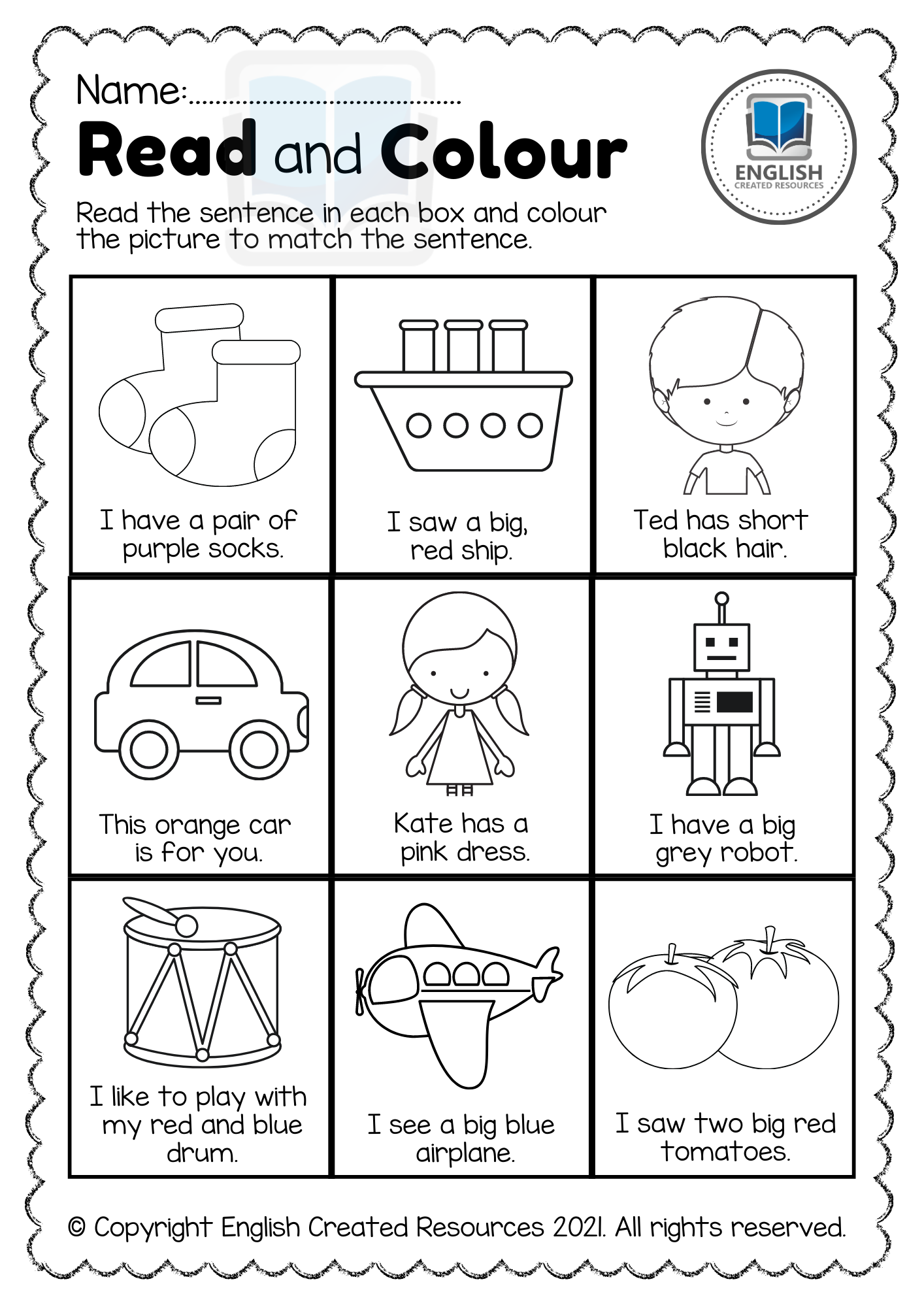
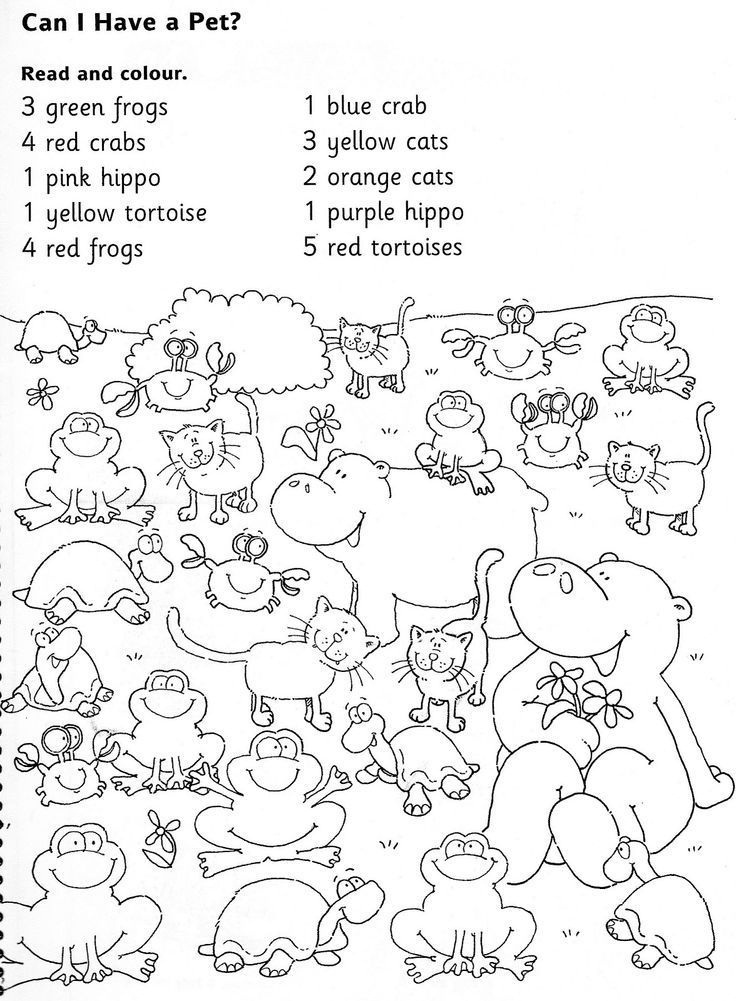
Coloring worksheets english serve as foundational pedagogical tools designed to bridge fine-motor skill acquisition with early language literacy. According to the National Association for the Education of Young Children (NAEYC), intentional manipulation of writing utensils during coloring and character exercises directly strengthens intrinsic hand muscles necessary for legible handwriting. Integrating targeted coloring worksheets into daily instruction helps learners master pencil grip, spatial awareness, and directional stroke mechanics before transitioning to formal letter formation.
Handwriting Practice Snapshot:
- Core Focus: Developing fine-motor control, hand-eye coordination, and stroke fluidity via guided English character art.
- Target Scope: Early childhood education, kindergarten classrooms, and home-school environments.
- Key Recommendation: Pair graphic-based coloring exercises with standard tracing worksheets for optimal muscular retention.
Core Principles and Detailed Overview
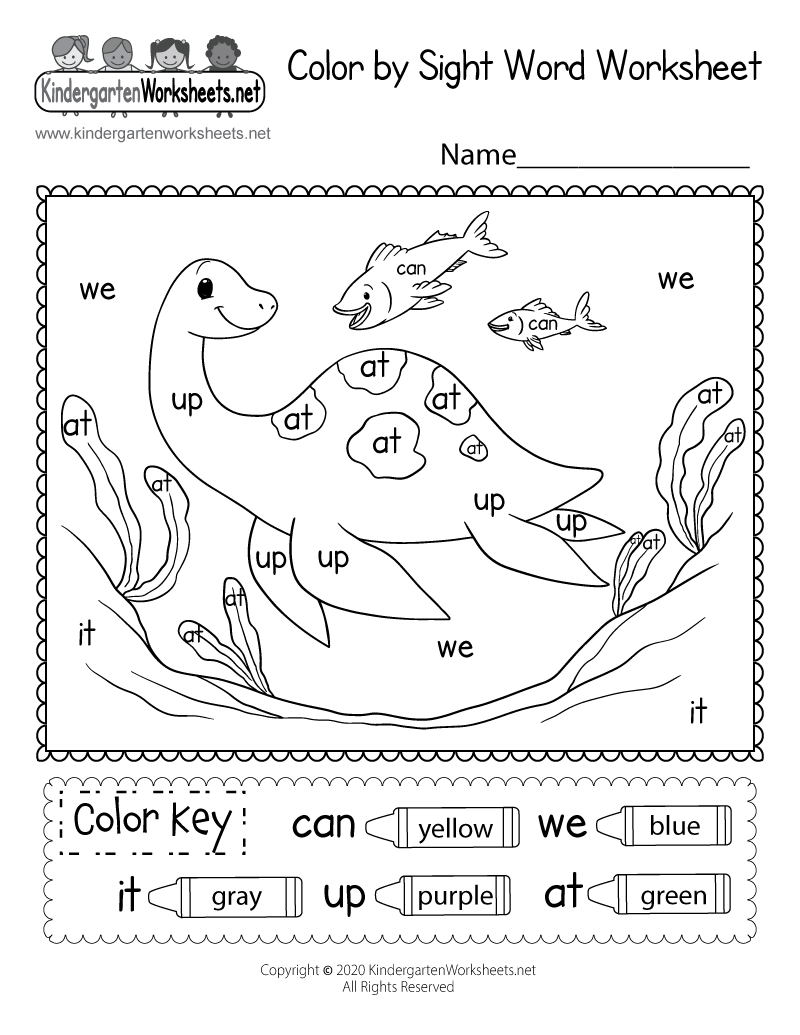
Coloring worksheets english establish essential biomechanical foundations by teaching learners how to control pencil pressure, maintain grip stability, and execute controlled directional strokes within bounded borders. Direct answer: The primary mechanical objective of these sheets is to build intrinsic muscle endurance in the hand and fingers while simultaneously reinforcing letter-sound correspondence through visual association. Educators utilize specialized preschool worksheets featuring alphabet characters embedded in illustrations to connect artistic movement with linguistic symbols. When children color within specific boundary lines, the brain maps the physical constraints required for precise character formation, ultimately minimizing hand fatigue during extended writing sessions.
Key Specifications and Breakdown
| Skill Level / Grade | Target Stroke / Mechanical Focus | Pedagogical / Coaching Cue |
|---|---|---|
| Early Preschool (Ages 3-4) | Gross motor sweeps, circular scribbling, filling large closed shapes | “Keep the crayon inside the fence lines using slow, gentle circles.” |
| Late Preschool (Ages 4-5) | Top-to-bottom and left-to-right directional shading strokes | “Start at the top corner and pull the color down like a sliding board.” |
| Kindergarten (Ages 5-6) | Pencil pressure modulation, intricate boundaries, letter integration | “Pinch the pencil gently and use short, controlled shading strokes.” |
Fine-motor control and grasp development are foundational predictors of later academic success, requiring repetitive manipulative practice through structured visual-motor tasks. — American Occupational Therapy Association (AOTA)
Step-by-Step Practical Application and Guidelines
Implementing coloring worksheets english effectively requires a structured methodological sequence that emphasizes ergonomic posture and proper utensil grasp. Direct answer: Begin each session by inspecting the tripod grasp, ensuring the index finger and thumb pinch the writing tool while resting comfortably upon the middle finger. Instruct learners to scan the worksheet from top to bottom and left to right, mirroring the visual tracking patterns required for reading English text. Educators should pair these artistic activities with supplementary letter writing worksheets to reinforce the connection between the colored graphic and the written phoneme. Consistent, short-duration daily practice yields superior muscle memory development compared to sporadic, lengthy drilling sessions.
Common Challenges and How to Avoid Them
Hand fatigue, incorrect grip adaptation, and rushing past boundary lines represent the most frequent obstacles encountered during graphic practice. Direct answer: Overcoming these difficulties requires immediate postural intervention, the use of shorter writing utensils to force a proper tripod grip, and selecting less complex illustrations that match the current developmental stage of the learner. If a child demonstrates excessive hand tension, pause the activity to perform finger stretches before resuming. Instructors must consistently monitor pressure application to ensure learners do not snap crayon tips or tear paper, which indicates a lack of proprioceptive modulation.
💬 Frequently Asked Questions
Explore More Free Handwriting and Character Worksheets
Mastering early literacy mechanics requires a diverse collection of targeted instructional materials for daily classroom or home use. Educators and parents can discover an extensive library of free educational assets, including specialized name practice worksheets and foundational writing tools, by visiting the main catalog at CharacterWritingWorksheets.com to support comprehensive student development.
Printable Coloring Page Previews