Introduction
Preschool worksheets free printable serve as foundational pedagogical tools designed to develop early fine-motor coordination, directional stroke mechanics, and letter formation in young learners. According to the National Association for the Education of Young Children (NAEYC), developmentally appropriate practice requires playful, hands-on, and scaffolded instructional materials that match the physical and cognitive maturation rates of children aged three to five. Establishing proper pencil grips and spatial awareness during these formative years prevents muscle fatigue and prepares children for fluent handwriting. Educators and parents utilize structured preschool worksheets to transition young learners from gross-motor scribbling to precise, controlled line generation.
Handwriting Practice Snapshot:
- Core Focus: Preschool worksheets free printable provide structured motor-skill scaffolding for early letter and stroke formation.
- Target Scope: Early childhood classrooms, home-school environments, and occupational therapy interventions.
- Key Recommendation: Pair daily 5-minute print practice with tactile multi-sensory tracing activities.
Core Principles and Detailed Overview
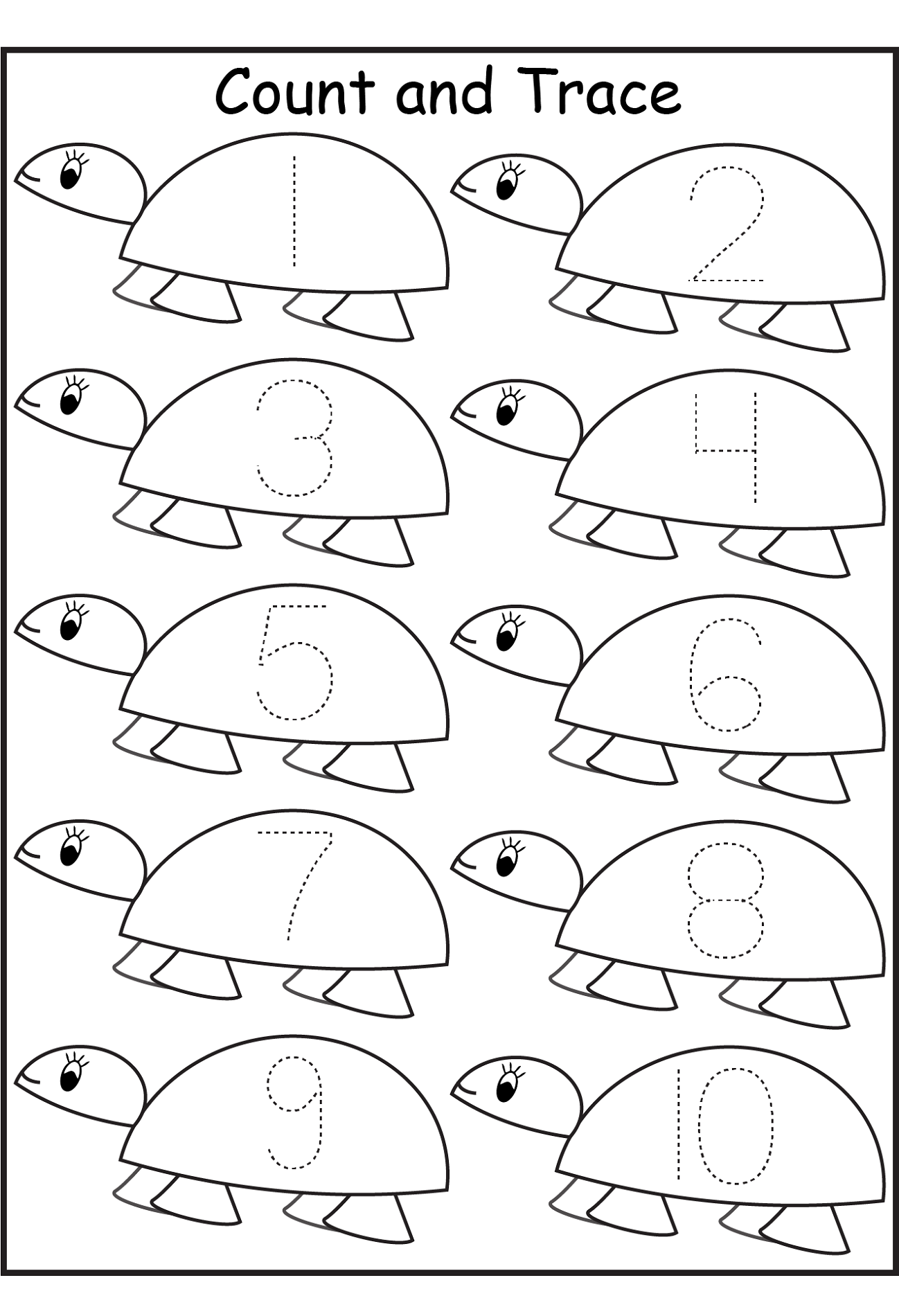
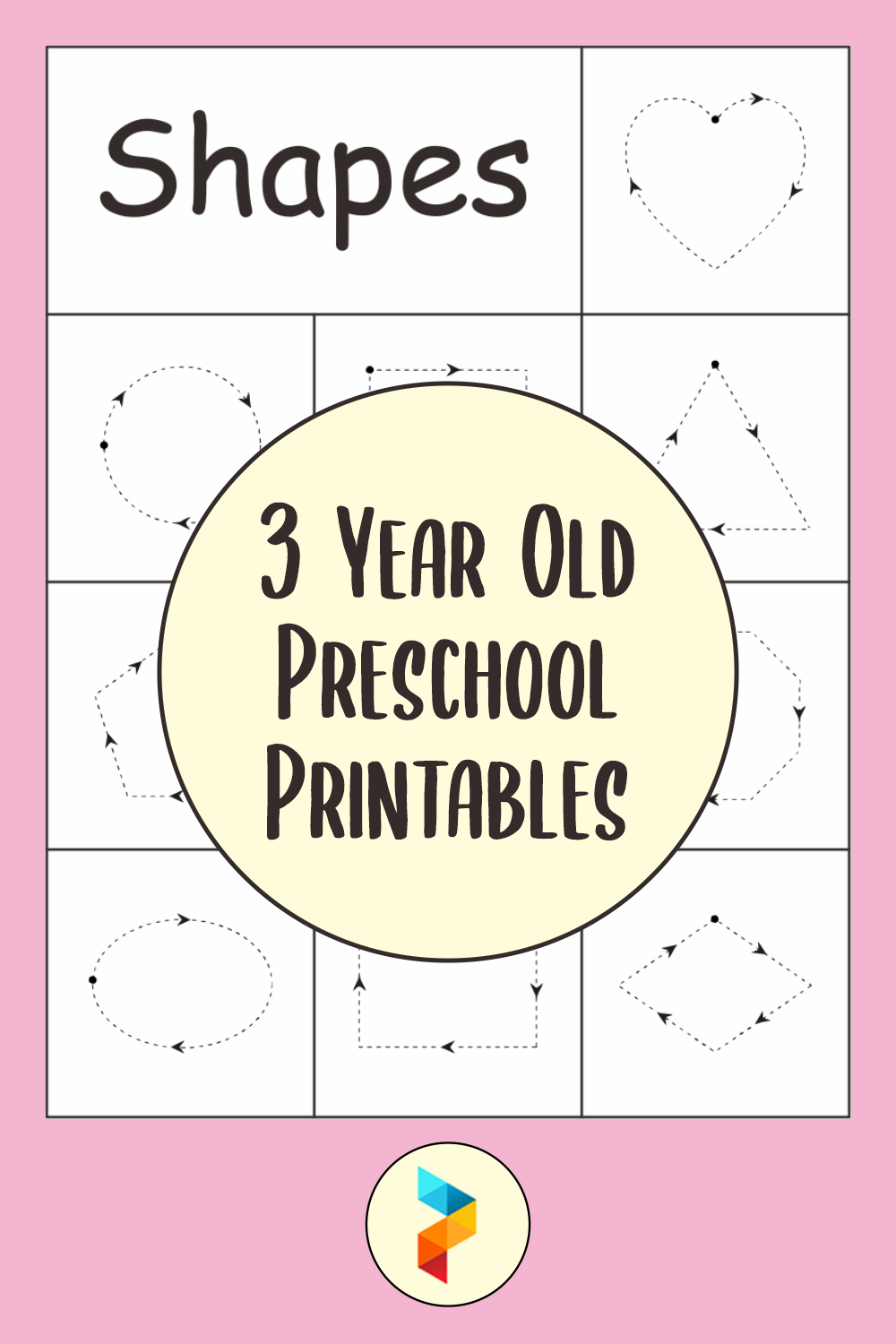
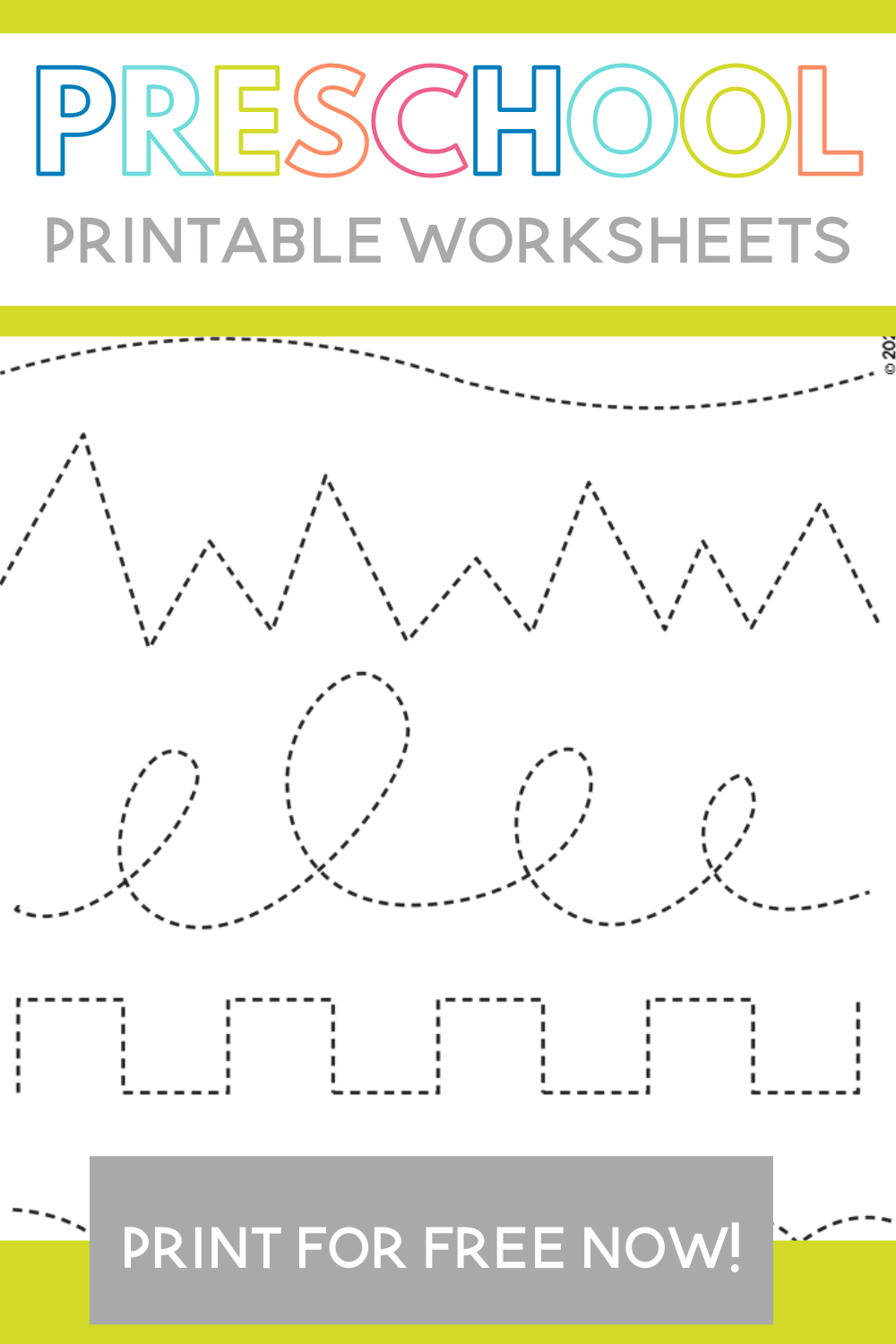
Preschool worksheets free printable bridge the gap between abstract visual perception and concrete physical execution by teaching children how to control writing instruments along defined linear pathways. Effective early writing curricula prioritize top-to-bottom and left-to-right progression, reflecting the visual scanning patterns required for reading readiness. By incorporating varied line styles—ranging from horizontal paths to loops and zigzags—these printables strengthen the intrinsic hand muscles required for pencil manipulation. Utilizing specialized tracing worksheets ensures learners build essential muscle memory before advancing to independent letter generation. Furthermore, integrating coloring worksheets into the routine enhances bilateral coordination and finger dexterity without the pressure of strict letter formation.
Key Specifications and Breakdown
| Skill Level / Grade | Target Stroke / Mechanical Focus | Pedagogical / Coaching Cue |
|---|---|---|
| Early Preschool (Ages 3-4) | Vertical, horizontal, and curved line paths | “Start at the smiling sun, pull straight down to the ground.” |
| Mid Preschool (Ages 4-5) | Diagonal slants, closed circles, and intersections | “Make a magic C, close it up to build a circle.” |
| Transition to Kindergarten (Ages 5-6) | Top-to-bottom letter structure and baseline placement | “Touch the top headline, pull down, and cross on the dotted line.” |
Handwriting development requires the integration of visual-motor skills, proprioception, and postural stability to achieve functional legibility and speed. — American Occupational Therapy Association (AOTA)
Step-by-Step Practical Application and Guidelines
Implementing preschool worksheets free printable successfully requires a structured routine that emphasizes proper ergonomics, correct posture, and consistent stroke verbalization. Instructors should first verify that the child sits with feet flat on the floor, hips and knees at ninety-degree angles, and the non-writing hand stabilizing the paper. Before picking up a pencil, children benefit from tracing the physical lines with an index finger to internalize the directional flow. Practicing short, daily sessions lasting no longer than ten minutes prevents hand cramping and maintains high engagement levels. Educators often transition learners from these early templates into targeted letter writing worksheets and customized name practice worksheets once basic line control is achieved.
Common Challenges and How to Avoid Them
Premature pressure to produce standard letter sizes often leads to awkward pencil grasps, finger fatigue, and early writing frustration among preschool children. Adults must continuously monitor for the transitional or immature fist grasp, gently correcting hand positioning with ergonomic aids or triangular pencils. Another frequent obstacle involves children rushing through stroke paths without regard for directional arrows, which cements poor motor habits. Implementing a multisensory approach—such as forming letters in salt trays before completing paper tasks—remedies resistance and reinforces proper cognitive maps for each stroke.
💬 Frequently Asked Questions
Explore More Free Handwriting and Character Worksheets
Accessing high-quality educational resources ensures that early childhood educators and parents have continuous support for developing foundational writing skills. Explore the comprehensive collection of free educational materials available across CharacterWritingWorksheets.com to support every stage of early literacy, motor control, and character formation.
Worksheet Previews & Reference Materials