Introduction
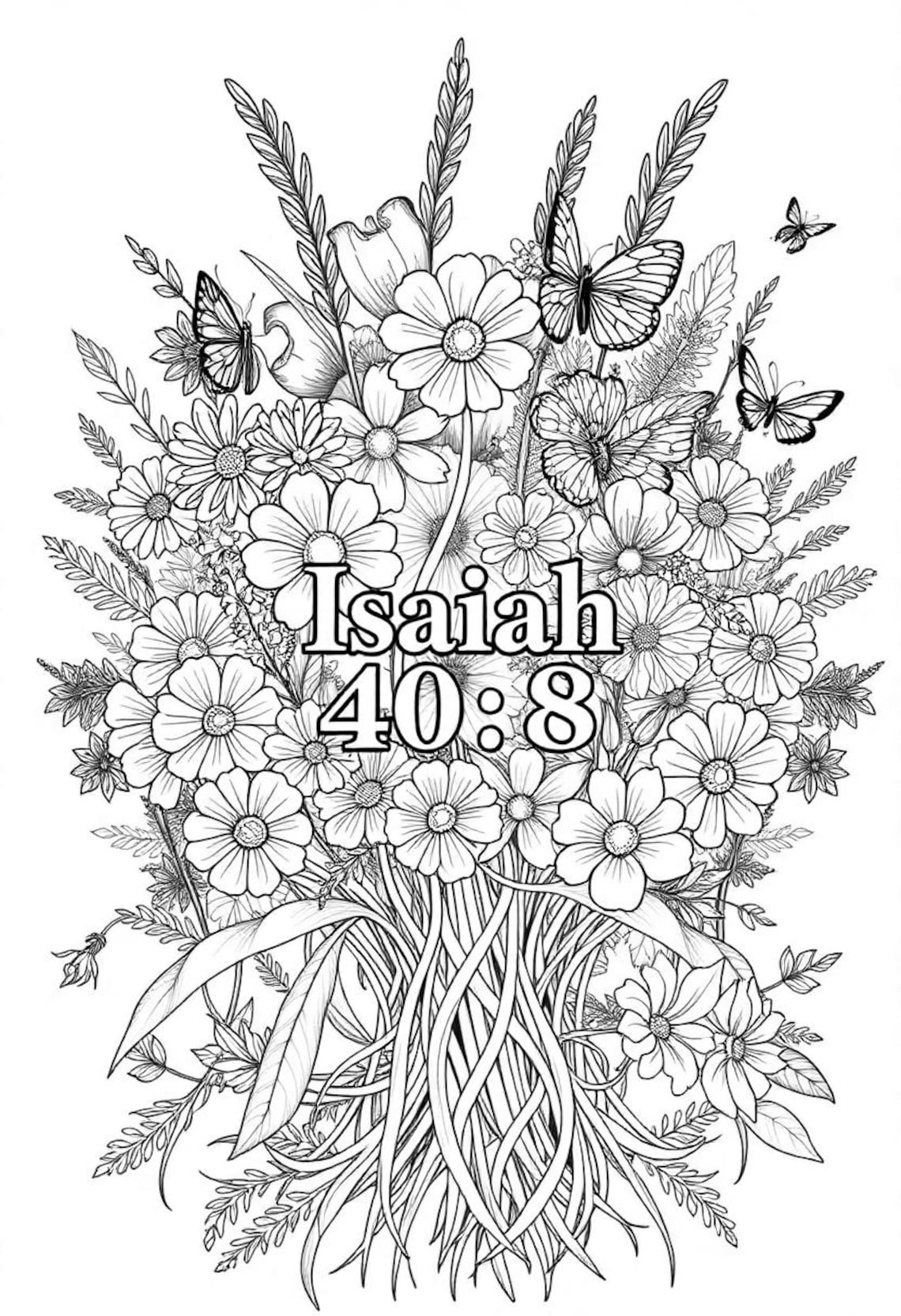
Mastering cursive writing requires patience, precise hand control, and consistent stroke execution. The transition from printed letters to flowing script often presents unique hurdles for developing learners. Educators frequently observe children pressing too firmly or losing spatial orientation as they attempt to connect individual characters. Integrating meaningful text into daily writing routines helps bridge the gap between mechanical pencil movement and purposeful literacy. A specialized resource like the write isaih 40 8 in cursivee worksheet offers an engaging pathway to build both hand strength and script fluency simultaneously. According to the American Occupational Therapy Association, functional handwriting tasks require the complex integration of visual-perceptual skills, fine motor control, and postural stability. Practicing specific script patterns within a structured layout allows young learners to slow down and focus on proper slant, baseline adherence, and fluid transitions.
💡 Educational Key Takeaways:
- Core Skill: Structured Write Isaih 40 8 In Cursivee focused on developing pencil grip, stroke control, and early literacy/math confidence.
- Target Scope: Suited for homeschoolers, preschool, kindergarten, and elementary learners.
- Best Recommendation: Practice 10–15 minutes daily with ergonomic writing tools to reinforce muscle memory without hand fatigue.
What This Worksheet Covers
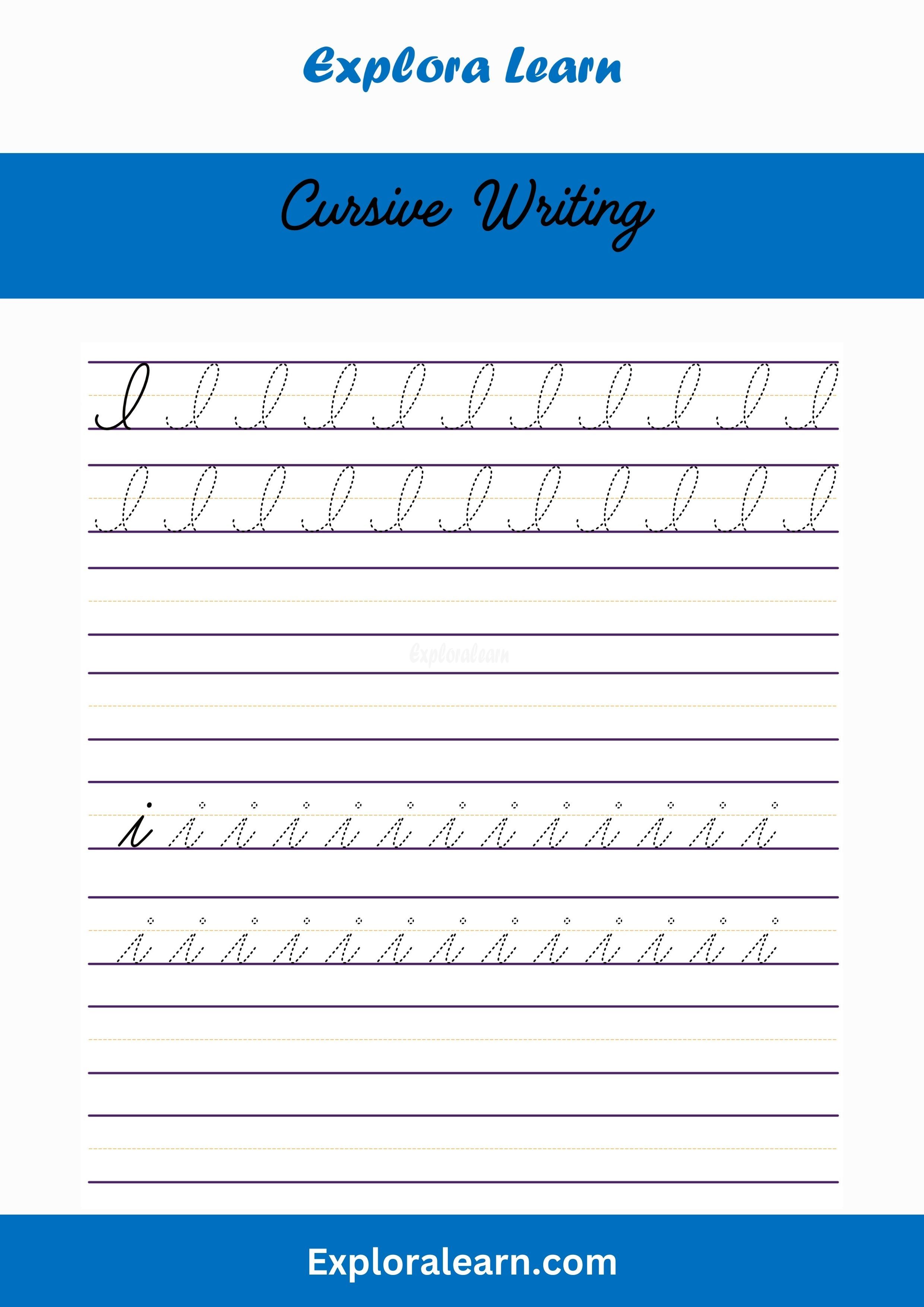
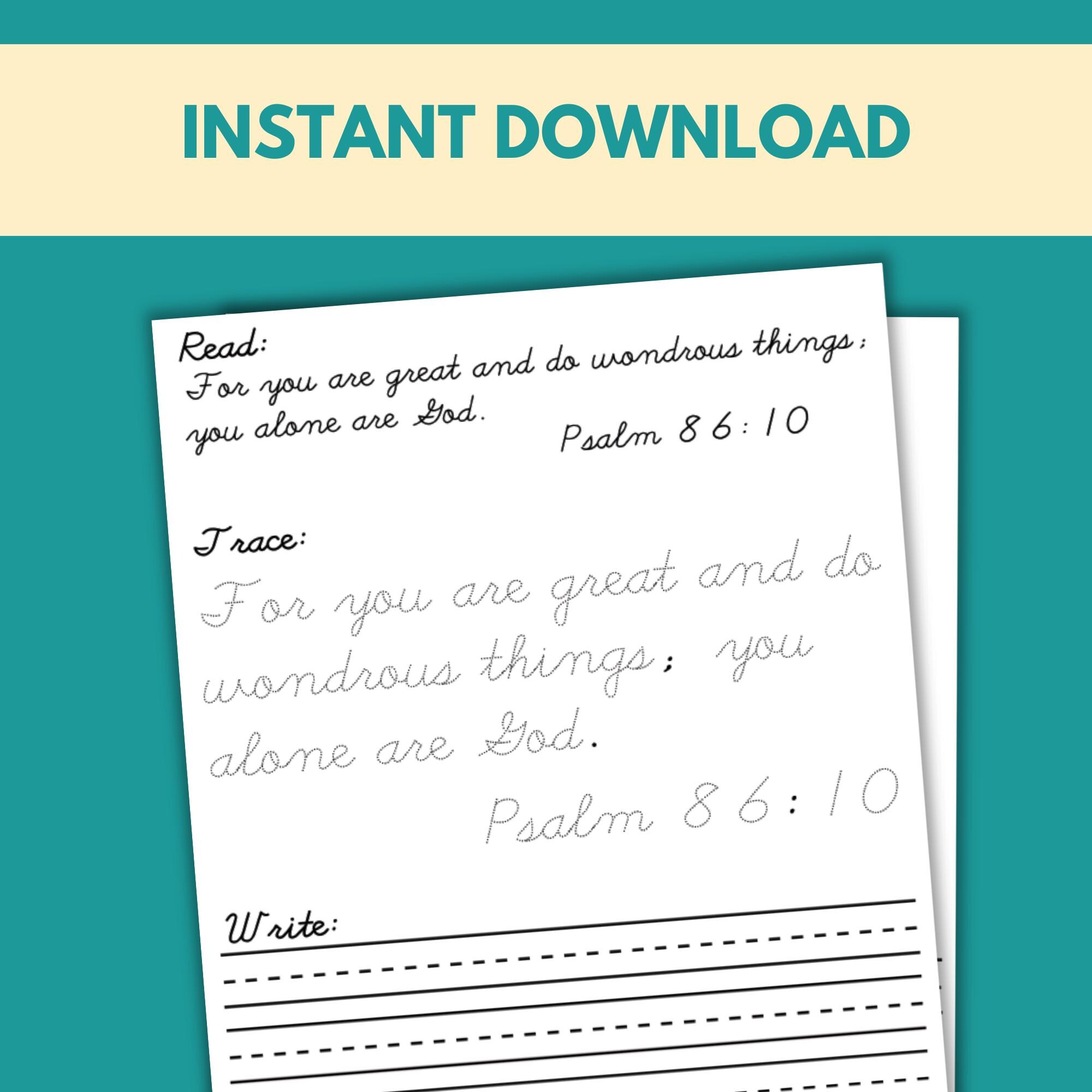
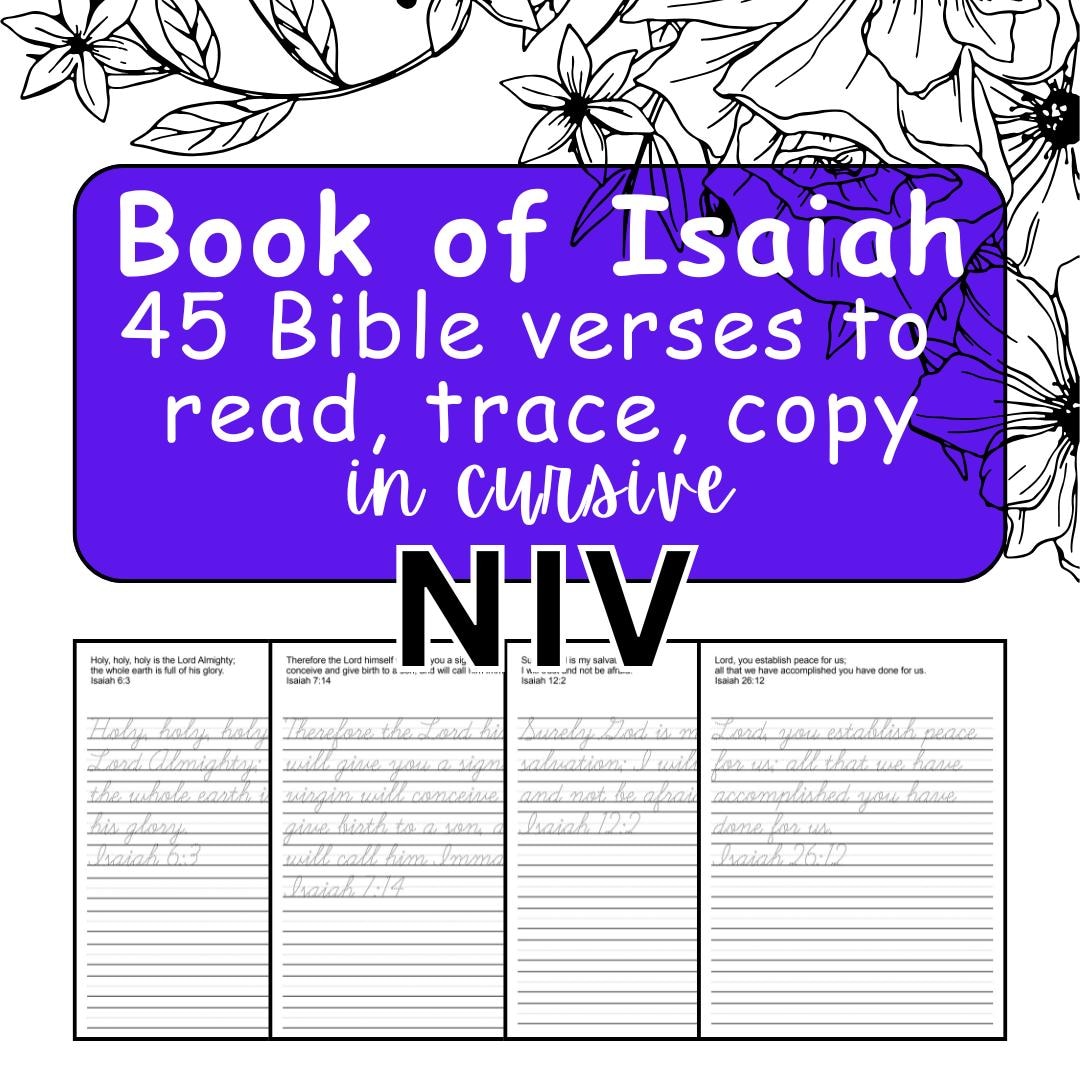
This targeted exercise focuses on translating a well-known script verse into legible, connected cursive strokes. Children navigate foundational pre-writing strokes adapted for script, focusing on the rhythmic overcurves, undercurves, and loops that define graceful handwriting. Working through these distinct letter formations reinforces muscle memory in the small intrinsic muscles of the hand. It sounds simple, and that’s the point: consistent repetition of specific cursive connections eliminates awkward hand positioning over time. Teachers often notice that when children trace meaningful words rather than abstract loops, engagement and persistence increase dramatically. Exploring additional resources within broader Letter Writing Worksheets can further reinforce these essential mechanics.
Key Learning Outcomes
Targeted cursive practice yields noticeable improvements in fine motor precision and spatial awareness. Children learn to maintain uniform letter height, consistent spacing between words, and proper slant angles across the writing line. This specific worksheet encourages sustained attention and visual tracking as the eyes move smoothly from left to right along the verse. Furthermore, integrating purposeful text supports cognitive retention alongside physical skill acquisition. Building these proficiencies early reduces hand fatigue during longer writing assignments in upper elementary grades. For foundational skill development preceding advanced script, exploring Tracing Worksheets provides excellent preparation for pencil control.
How to Use This Worksheet
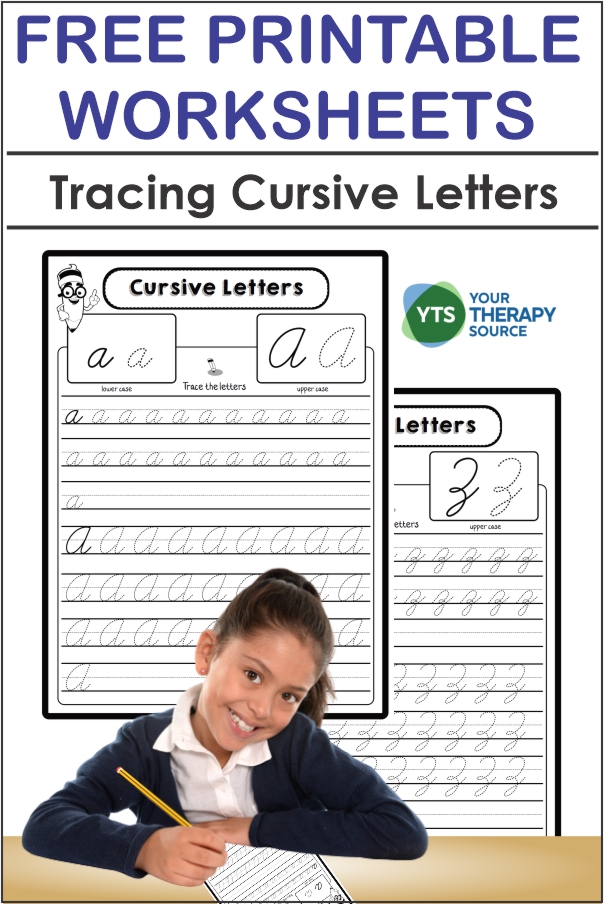
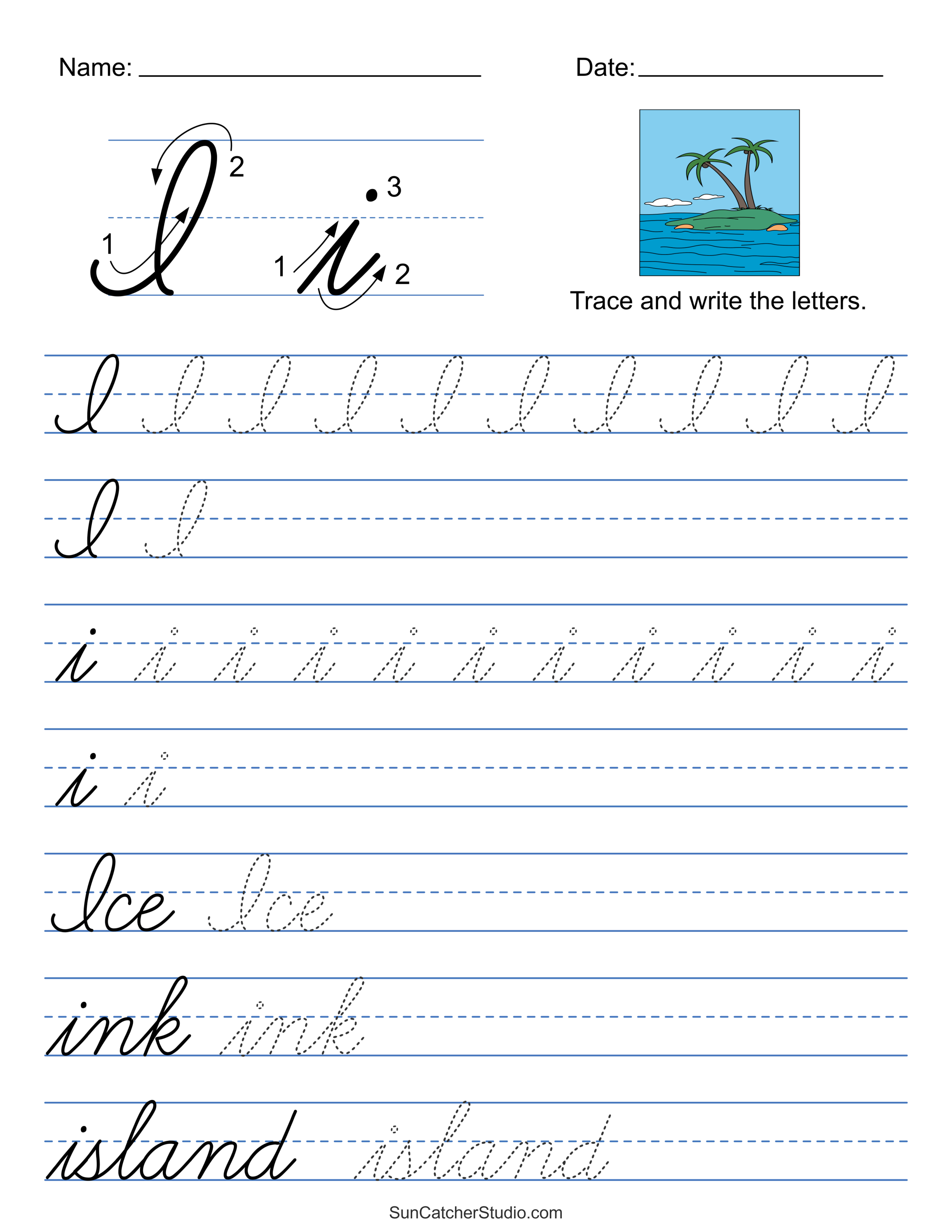
Successful implementation begins with establishing an optimal physical posture for the child. Feet should rest flat on the floor, hips and knees bent at ninety-degree angles, with the non-dominant hand stabilizing the paper. Instructors should encourage a functional tripod grasp, ensuring fingers remain relaxed approximately an inch above the pencil tip. Children begin by tracing the faint cursive models to internalize the rhythmic flow of the script. After mastering the guided strokes, learners transition to independent writing lines located further down the page. Pairing this activity with related options found in Worksheets creates a comprehensive daily handwriting circuit.
Practical Tips for Parents and Teachers
Adults play a vital role in monitoring pressure and hand tension during practice sessions. If the pencil tip snaps frequently or the paper tears, the child is likely gripping too tightly or pressing excessively hard. Introducing a cushioned pencil grip or encouraging brief hand-stretching breaks can alleviate this physical strain. Breaking the verse into smaller, manageable chunks prevents mental overload and keeps fine motor execution sharp. Praise should focus on stroke fluidity and effort rather than absolute perfection. Allowing children to use colored pencils or fine-tip markers for tracing can also transform a challenging writing drill into an enjoyable creative endeavor.
Age-Appropriate Recommendations
Cursive instruction typically aligns with third-grade developmental milestones, though advanced second graders often show readiness for introductory script. According to the National Association for the Education of Young Children guidelines on developmentally appropriate practice, learning activities must match the physical and cognitive capabilities of the child. For younger children still developing basic pencil control, early writing interventions should prioritize gross-to-fine motor progressions. Educators can utilize tools from Preschool Worksheets to build foundational hand strength before introducing complex cursive loops.
Handwriting proficiency strongly correlates with overall academic output and spelling accuracy in primary school children. — American Occupational Therapy Association
Frequently Asked Questions
How can this printable be downloaded and printed for classroom use? Simply click the download button on the resource page to save the PDF file, then print it directly using standard letter-sized paper at a one-to-one scale. Does this worksheet improve fine motor skills? Yes, tracing and writing connected script requires precise finger dexterity, bilateral coordination, and sustained visual-motor integration. What developmental age is recommended for cursive introduction? According to the National Association for the Education of Young Children, structured cursive instruction is most effective when children have established consistent manuscript letter formation and adequate hand stamina, typically around ages eight to nine.
Explore More Free Printable Worksheets
Expanding a handwriting curriculum involves incorporating diverse formats that target different aspects of physical development. Integrating creative elements from Coloring Worksheets helps build intrinsic hand strength and wrist stability. Additionally, personalized writing practice available through Name Practice Worksheets keeps early learners motivated by featuring familiar, meaningful words. Maintaining a balanced selection of these free resources ensures well-rounded motor development and lasting writing confidence.
Developmental Milestone & Activity Table
| Development Stage | Recommended Daily Duration | Primary Learning Objective |
|---|---|---|
| Preschool & Pre-K | 10 – 15 Minutes | Pencil grip development & basic pre-stroke lines |
| Kindergarten | 15 – 20 Minutes | Letter/number formation & spatial line awareness |
| Early Elementary (Grade 1–2) | 20 – 30 Minutes | Fluency, sentence construction & neatness |
Images References