Introduction
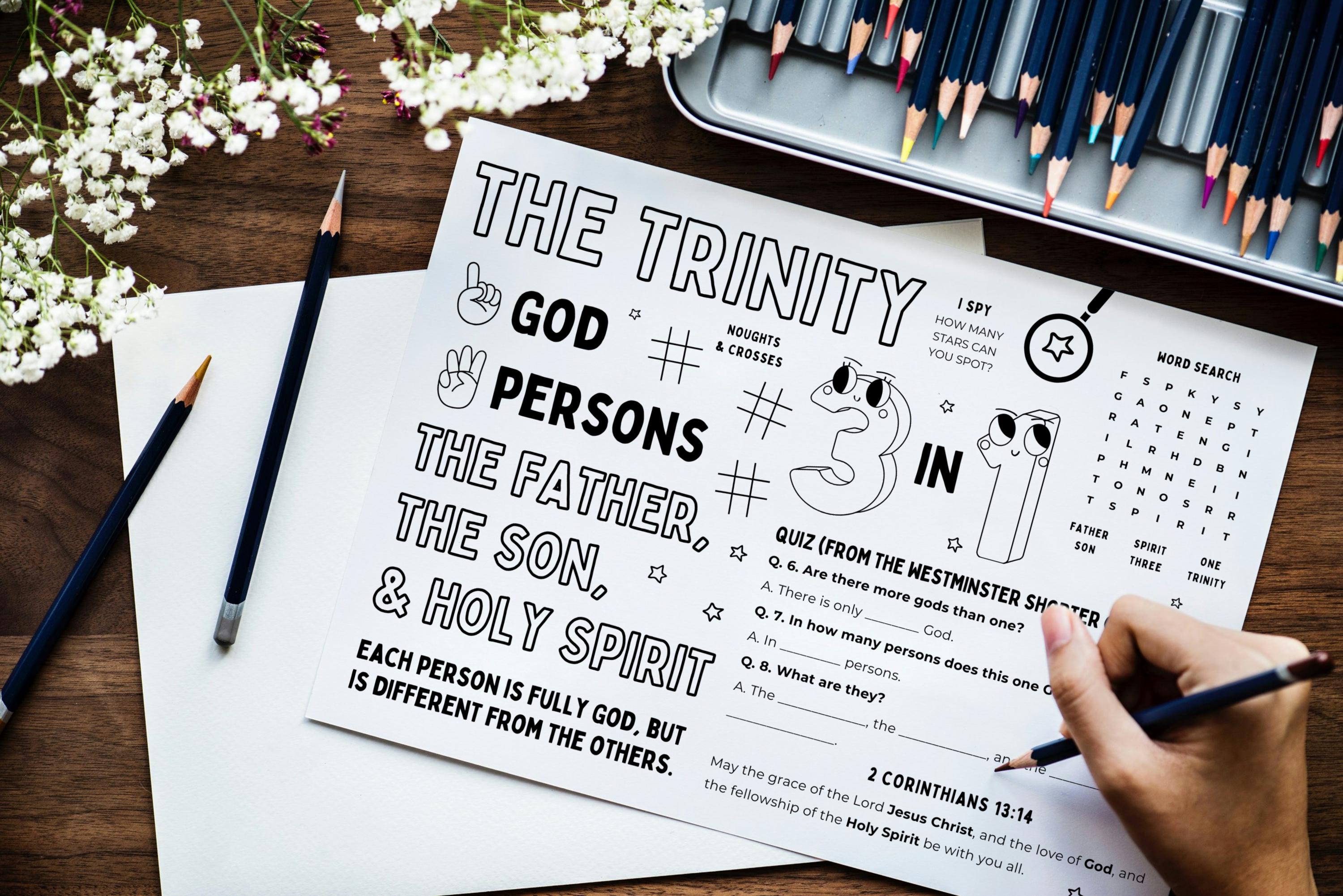
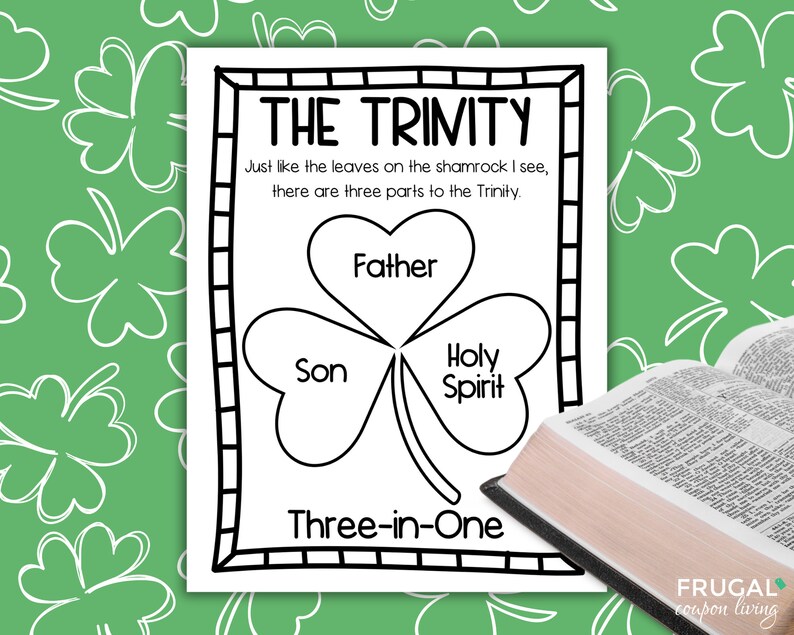
Developing foundational pencil control is rarely a linear journey for young learners. Many classrooms observe children clutching crayons with a tightly balled fist or struggling to maintain steady pressure along a simple path. Mastery requires a careful blend of cognitive understanding and physical endurance in the intrinsic muscles of the hand. The free printable worksheet known as trinity in handwriting bridges this exact gap by offering targeted exercises designed to refine hand-eye coordination. It sounds simple, and that’s the point. Stripping away unnecessary visual clutter allows children to focus entirely on the physical act of producing clean, controlled strokes on paper.
💡 Educational Key Takeaways:
- Core Skill: Structured Trinity In Handwriting focused on developing pencil grip, stroke control, and early literacy/math confidence.
- Target Scope: Suited for homeschoolers, preschool, kindergarten, and elementary learners.
- Best Recommendation: Practice 10–15 minutes daily with ergonomic writing tools to reinforce muscle memory without hand fatigue.
What This Worksheet Covers
Targeting multiple developmental tiers simultaneously defines the core structure of this printable resource. Children engage in guided path following, shape replication, and foundational stroke execution within a single layout. According to the American Occupational Therapy Association, foundational fine motor interventions must directly support functional participation in daily classroom routines. Educators often notice that when learners practice continuous line tracing alongside controlled stopping points, hand fatigue noticeably decreases over time. This specific worksheet layout targets the exact muscle groups required for sustained writing endurance, making it a valuable addition to any educational toolkit.
Key Learning Outcomes
Success with this printable translates directly into improved classroom performance and greater self-assurance during writing tasks. Consistent repetition of foundational strokes strengthens the arches of the hand while building essential visual-motor integration pathways in the brain. Children learn to regulate their writing speed, avoiding the common pitfall of rushing through curves and sharp corners. Furthermore, mastering these early patterns prepares the hand for more advanced writing demands found in Letter Writing Worksheets.
How to Use This Worksheet
Facilitating this activity effectively involves more than simply handing over a pencil and hoping for the best. Adults should observe how the child grasps the writing utensil, gently encouraging a functional tripod grasp without causing frustration. Placing the paper on a slight slant matching the natural angle of the child’s forearm promotes ergonomic alignment and reduces wrist strain. Children can also explore foundational pre-writing mechanics through Tracing Worksheets to build even greater line accuracy before tackling complex formations.
Practical Tips for Parents and Teachers
Short, frequent sessions yield significantly better developmental outcomes than long, exhausting drill blocks. Experts consistently recommend limiting focused pencil tasks to five or ten minutes for younger age groups to maintain high engagement and prevent physical cramping. Introducing tactile elements, such as tracing the paths with a fingertip before using a pencil, enhances sensory feedback. Observing a child trace these patterns often reveals whether they struggle with visual tracking or physical hand stability, allowing for timely adjustments.
Age-Appropriate Recommendations
Aligning expectations with physical maturity prevents unnecessary discouragement during early childhood education. According to the National Association for the Education of Young Children Developmentally Appropriate Practice framework, children between ages four and six rapidly refine their pincer grasp and bilateral coordination skills. This worksheet fits seamlessly into preschool and kindergarten curricula where foundational pencil control forms the bedrock of future academic success. Additional skill-building materials tailored for younger learners can be found within Preschool Worksheets.
Foundational fine motor interventions directly support functional participation in daily classroom and self-care routines. — American Occupational Therapy Association
Frequently Asked Questions
Clear answers to common questions help parents and educators maximize the developmental benefits of these printable resources.
Explore More Free Printable Worksheets
Expanding a child’s skill set requires a diverse library of engaging practice materials tailored to every stage of development. Exploring alternative formats helps maintain enthusiasm while reinforcing critical writing concepts through varied visual contexts. Dedicated practice resources are readily available across categories like Name Practice Worksheets to support holistic early childhood growth.
Developmental Milestone & Activity Table
| Development Stage | Recommended Daily Duration | Primary Learning Objective |
|---|---|---|
| Preschool & Pre-K | 10 – 15 Minutes | Pencil grip development & basic pre-stroke lines |
| Kindergarten | 15 – 20 Minutes | Letter/number formation & spatial line awareness |
| Early Elementary (Grade 1–2) | 20 – 30 Minutes | Fluency, sentence construction & neatness |
Images References