Introduction
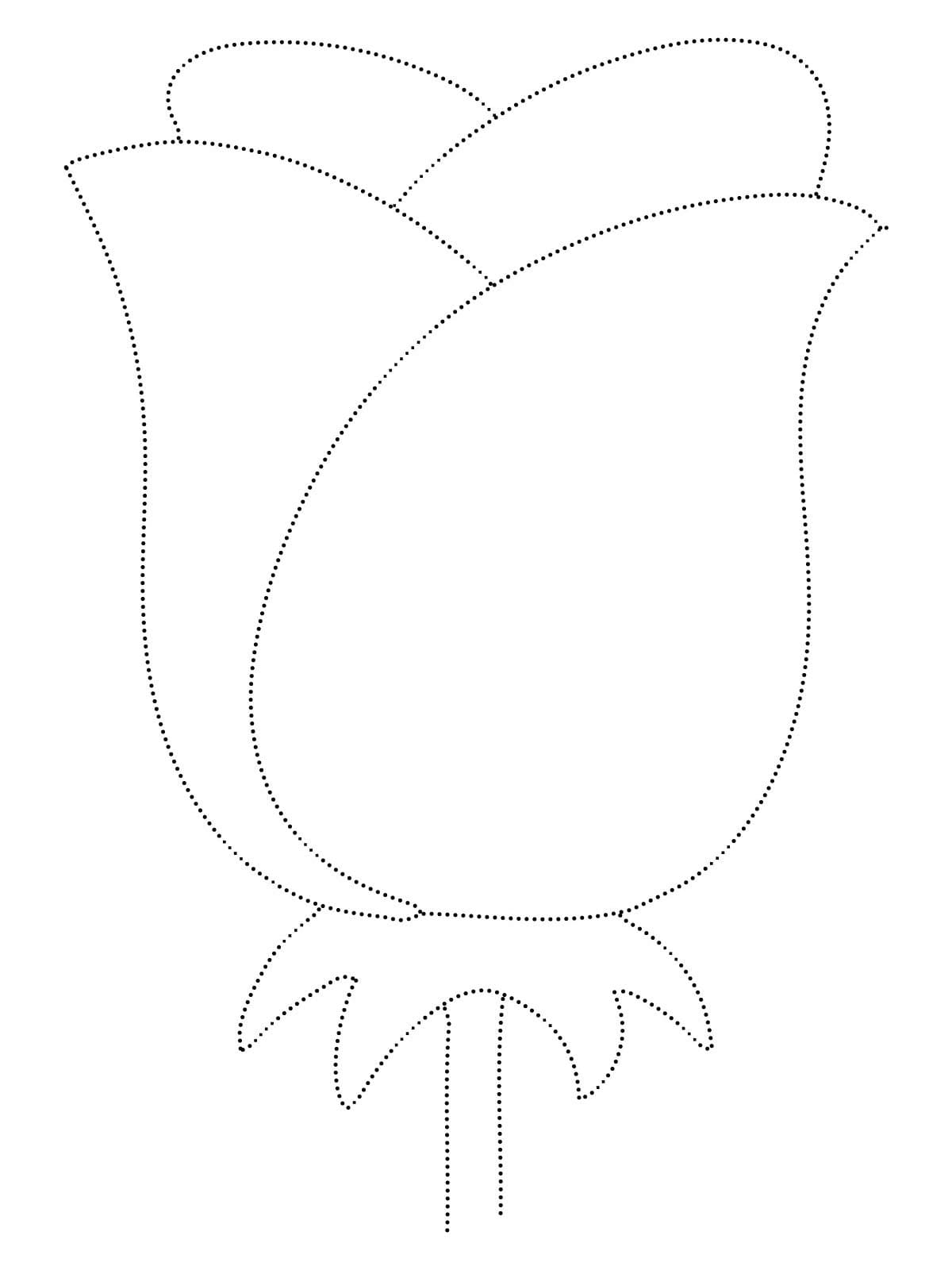
Pencil control does not magically appear when a child turns five. It is forged through months of repetitive, engaging hand movements that build intrinsic hand muscles. Watch a four-year-old approach a blank page, and notice how hesitation often stems from uncertainty about where the hand should move. Guided lines change that dynamic entirely. The traceable flower worksheet offers a gentle bridge between playful drawing and structured writing readiness. It invites children to trace stems, petals, and leaves using controlled pencil strokes. By integrating seasonal themes with foundational pencil practice, adults can transform mundane drills into an inviting artistic exercise. Educators and therapists constantly search for materials that capture attention while building functional strength. This specific printable targets the exact pre-writing patterns required for future handwriting success, all while keeping frustration levels remarkably low.
💡 Educational Key Takeaways:
- Core Skill: Structured Traceable Flower Worksheet focused on developing pencil grip, stroke control, and early literacy/math confidence.
- Target Scope: Suited for homeschoolers, preschool, kindergarten, and elementary learners.
- Best Recommendation: Practice 10–15 minutes daily with ergonomic writing tools to reinforce muscle memory without hand fatigue.
What This Worksheet Covers
Visual-motor integration sits at the heart of this activity. Children must coordinate what the eye sees with what the hand executes across curved and straight trajectories. A typical classroom observation reveals that youngsters often struggle with diagonal lines and continuous loops. The petals and stems found in these botanical layouts naturally demand those exact directional changes. Tracing helps refine visual tracking, spatial awareness, and bilateral coordination as one hand stabilizes the paper while the dominant hand steers the writing utensil. Beyond simple line work, these pages support comprehensive Tracing Worksheets collections designed to foster gradual mastery. Children learn to manage pencil pressure, transitioning from overly heavy grips that tear paper to smooth, fluid gliding motions.
Key Learning Outcomes
Targeted motor planning improves noticeably with consistent exposure to structured tracing templates. It sounds simple, and that is the exact point. When children trace outward from a central flower bud, they practice intentional directional control from top to bottom and inside out. According to the American Occupational Therapy Association, foundational fine motor tasks directly influence a child’s ability to participate successfully in daily academic routines. Muscle memory builds quietly beneath the surface during these repetitions. Children master stopping and starting points, learn to respect visual boundaries, and gain confidence in their capacity to produce recognizable shapes. These micro-skills accumulate rapidly, laying the groundwork for complex letter formations later on.
How to Use This Worksheet
Preparation dictates success in early childhood environments. Print the floral template on slightly heavier cardstock to prevent the paper from tearing under enthusiastic, heavy-handed pencil strokes. Introduce the activity by inviting the child to trace the outline with a finger before ever picking up a writing tool. This kinesthetic preview activates the brain’s spatial mapping systems. Once a writing implement is introduced, encourage a functional tripod grasp without creating anxiety over absolute perfection. For additional skill-building options, explore broader Preschool Worksheets designed to scaffold early childhood milestones. Rotating between markers, crayons, and short pencils keeps engagement high while challenging different muscle groups in the hand.
Practical Tips for Parents and Teachers
Observe how the child positions the wrist during the tracing process. Therapists frequently notice that resting the forearm flat against the table provides essential stability for developing joints. If a child expresses fatigue halfway through a page, stop immediately and engage in hand-shaking games to release tension. Variety fuels motivation, meaning adults can pair these floral tracing pages with complementary Coloring Worksheets to build endurance through creative shading. Cutting out the finished flowers with safety scissors adds an extra layer of fine motor development, turning a simple tracing exercise into a comprehensive multi-step art project.
Age-Appropriate Recommendations
Developmental readiness varies wildly among young learners, yet general milestones offer reliable guideposts for instruction. According to the National Association for the Education of Young Children Developmentally Appropriate Practice guidelines, learning experiences must align with a child’s current social, emotional, and physical capacities. Two-year-olds and young three-year-olds benefit immensely from thick, bold outlines and simple, isolated shapes that require grosser arm movements. Four and five-year-olds can handle intricate floral designs featuring delicate stems, concentric petal rings, and smaller tracking zones. Six to eight-year-olds use these same templates to refine speed, fluidity, and pressure modulation, turning basic line accuracy into automatic, effortless handwriting production.
Foundational fine motor and visual-motor skills developed through guided tracing significantly predict future academic performance and writing fluency in early elementary classrooms — American Occupational Therapy Association (AOTA)
Frequently Asked Questions
Parents and educators often have specific logistical and developmental questions when implementing tracing activities. The answers below address the most common inquiries regarding file access, skill acquisition, and developmental standards.
Explore More Free Printable Worksheets
Expanding an early childhood resource library requires a diverse selection of materials tailored to every developmental stage. Educators can access comprehensive sets of Worksheets covering everything from early phonics to advanced spatial awareness. Keeping children motivated requires fresh challenges that build upon previously mastered concepts without causing undue frustration. Whether working on targeted stroke sequences found in Letter Writing Worksheets or personal identity markers via Name Practice Worksheets, consistent, joyful practice remains the ultimate key to unlocking lifelong academic confidence.
Developmental Milestone & Activity Table
| Development Stage | Recommended Daily Duration | Primary Learning Objective |
|---|---|---|
| Preschool & Pre-K | 10 – 15 Minutes | Pencil grip development & basic pre-stroke lines |
| Kindergarten | 15 – 20 Minutes | Letter/number formation & spatial line awareness |
| Early Elementary (Grade 1–2) | 20 – 30 Minutes | Fluency, sentence construction & neatness |
Images References