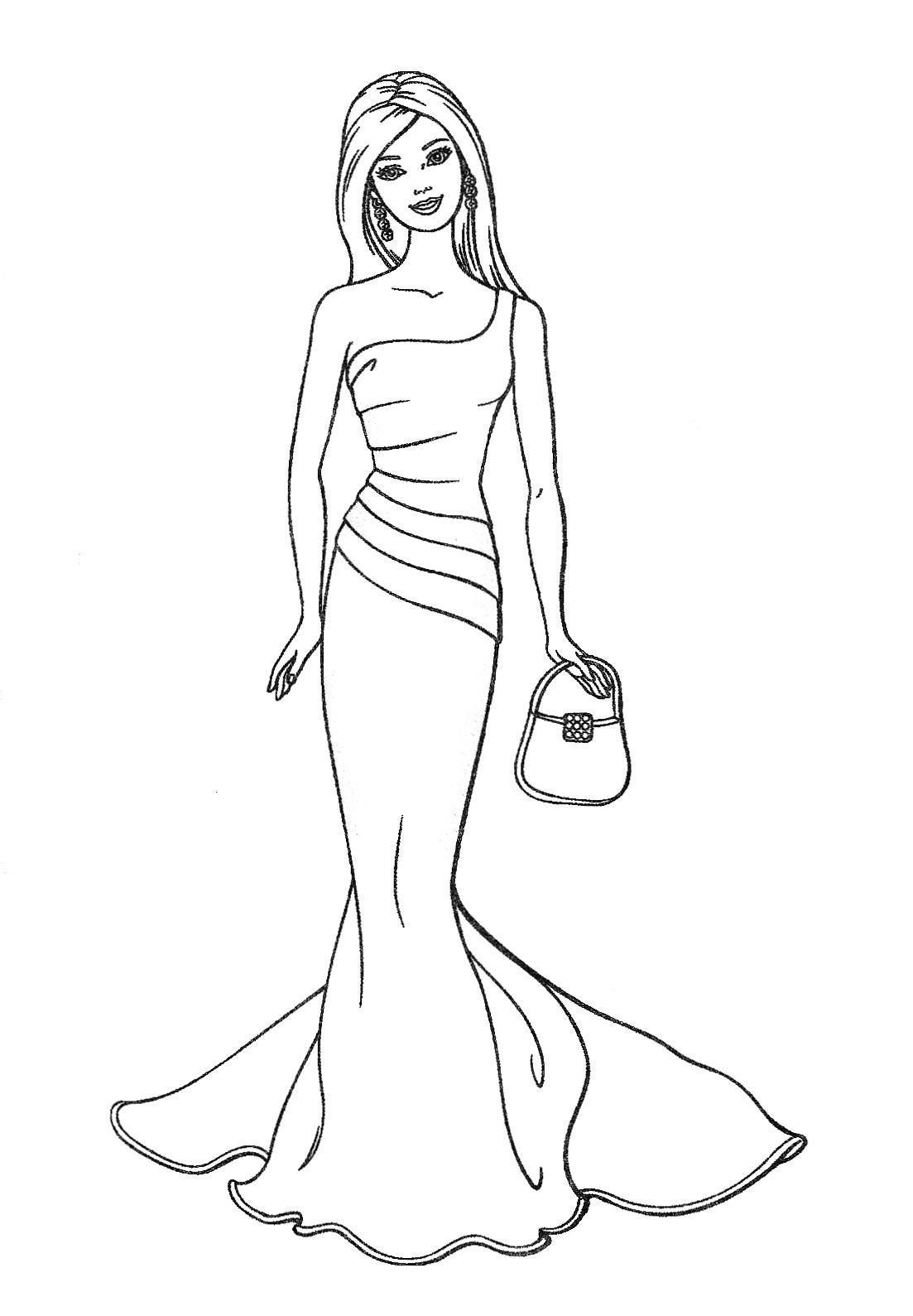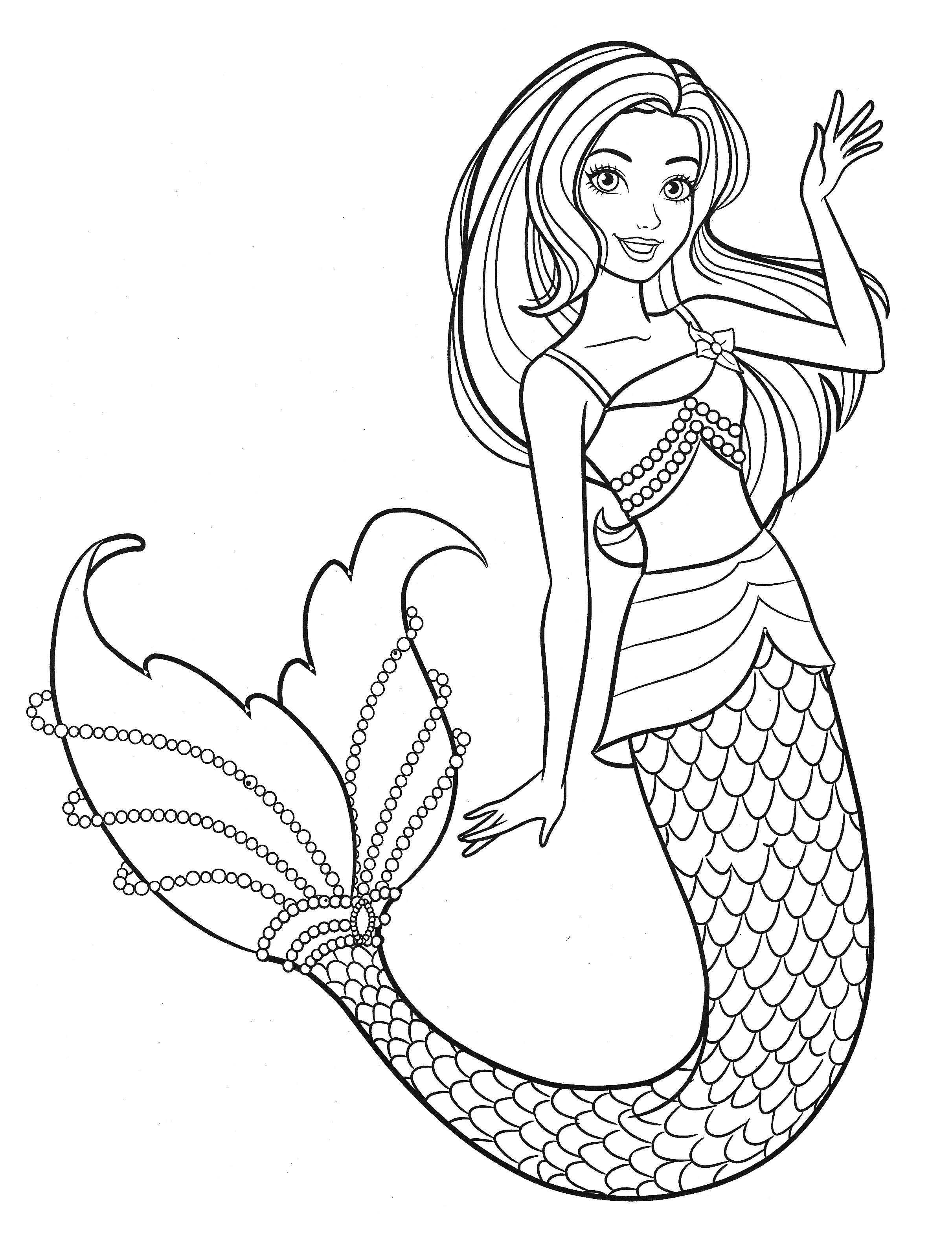
Introduction
Coloring pages barbie resources serve as highly engaging visual prompts that bridge imaginative play with foundational fine-motor skill development in early childhood education. According to the National Association for the Education of Young Children (NAEYC), intentional manipulation of writing implements during creative graphic tasks builds the intrinsic hand muscles necessary for precise letter formation and controlled pencil grip. Integrating thematic character illustrations into daily motor exercises captures young attention spans, transforming routine handwriting practice into a motivating, low-stress developmental activity.
Handwriting Practice Snapshot:
- Core Focus: Utilizing thematic coloring pages barbie sheets to build distal finger control, hand-eye coordination, and proper pencil stabilization.
- Target Scope: Early elementary educators, developmental specialists, and home-schooling parents instructing preschool through second-grade learners.
- Key Recommendation: Pair structured character line art with targeted coloring worksheets to reinforce multi-directional stroke fluency.
Core Principles and Detailed Overview
Coloring pages barbie activities directly reinforce essential handwriting mechanics by demanding precise boundary control, continuous visual tracking, and sustained palmar arch stability. Fine-motor control is not an innate capability; it requires systematic refinement through gripping, tracing, and shading exercises that mirror the precise arcs and vertical strokes found in formal letter writing worksheets. When children navigate complex outlines of popular character illustrations, developing nervous systems calibrate spatial awareness, pressure regulation, and bilateral hand integration, laying the structural groundwork for legible, fluent handwriting across all academic subjects.
Key Specifications and Breakdown
| Skill Level / Grade | Target Stroke / Mechanical Focus | Pedagogical / Coaching Cue |
|---|---|---|
| Early Preschool (Ages 3-4) | Palmar-supinate grasp transition to digital pronate; gross directional fills. | “Keep the crayon sliding smoothly inside the heavy border lines without lifting.” |
| Late Preschool / Kindergarten (Ages 5-6) | Static tripod grasp development; circular and angular stroke sequences. | “Use small finger pivots to color the delicate details of the dress.” |
| First / Second Grade (Ages 7-8) | Dynamic tripod mastery; pressure modulation and edge precision. | “Maintain steady wrist elevation while shading fine background sections.” |
Handwriting and fine-motor tasks require integrated visual-perceptual processing, proximal core stability, and intrinsic muscle endurance to achieve long-term writing legibility. — American Occupational Therapy Association (AOTA)
Step-by-Step Practical Application and Guidelines
Executing structured coloring exercises alongside formal handwriting routines requires a deliberate, sequential approach to prevent hand fatigue and bad grip habits. Educators should begin by evaluating the learner’s grip posture, ensuring the thumb and index finger oppose correctly on the writing instrument before introducing intricate character templates. Next, pair the graphic activity with complementary name practice worksheets to maintain high engagement while transitioning from creative shading to letter formation. Instruct learners to utilize small, controlled circular motions for fills, which directly mirrors the continuous counter-clockwise motion required for letters like ‘c’, ‘o’, and ‘a’. Finally, observe wrist alignment, ensuring the hand remains below the writing line to preserve clear visual feedback.
Common Challenges and How to Avoid Them
Excessive hand cramping, inconsistent pressure application, and poor boundary adherence frequently undermine the developmental benefits of creative motor worksheets if left unaddressed. Children often revert to a heavy-fisted grip when tackling detailed areas, which restricts finger mobility and causes rapid muscular fatigue. To correct this, utilize shorter, broken crayons or triangular pencils that naturally force an appropriate three-point finger posture. Furthermore, integrating targeted tracing worksheets between coloring sessions helps learners calibrate the exact physical pressure needed for clean, legible strokes without tearing delicate paper surfaces.
💬 Frequently Asked Questions
Explore More Free Handwriting and Character Worksheets
Building robust writing mechanics and fine-motor endurance requires a diverse, well-structured repository of educational resources tailored to every developmental stage. Educators and parents can discover an extensive selection of targeted printables, tracing exercises, and foundational handwriting modules by visiting CharacterWritingWorksheets.com today.
Printable Coloring Page Previews