Introduction
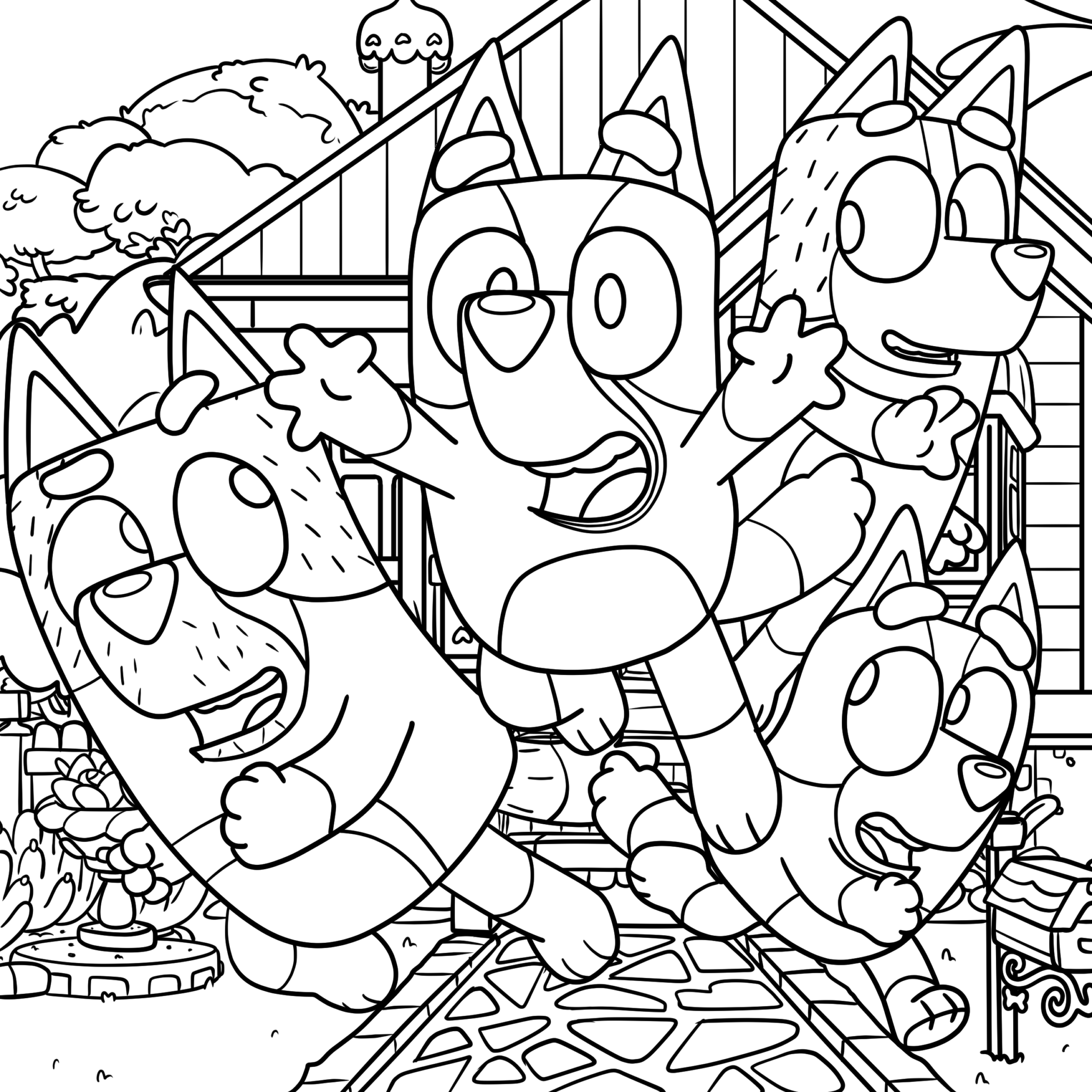
Coloring pages boys materials serve as vital pre-writing tools that build intrinsic hand strength, spatial boundary control, and fine-motor endurance necessary for formal penmanship. According to the American Occupational Therapy Association (AOTA), purposeful coloring activities develop the dynamic tripod grasp and intrinsic hand muscle stability required for legible handwriting. Educators utilize thematic illustrations to engage reluctant writers, transforming repetitive drills into enjoyable fine-motor conditioning. Integrating specialized coloring worksheets into daily literacy routines bridges the gap between creative expression and structured letter formation.
Handwriting Practice Snapshot:
- Core Focus: Coloring pages boys leverage engaging themes to strengthen fine-motor precision, hand-eye coordination, and pencil control.
- Target Scope: Early childhood educators, occupational therapists, and homeschoolers guiding young learners in pre-writing mechanics.
- Key Recommendation: Pair thematic coloring exercises directly with structured tracing worksheets to reinforce muscle memory.
Core Principles and Detailed Overview
Targeted coloring tasks improve handwriting mechanics by teaching young learners how to modulate downward pressure and maintain controlled continuous strokes within defined boundaries. Mechanical proficiency depends on the ability to isolate finger movements rather than pivoting entirely from the wrist or elbow. When children color structured line art featuring vehicles, animals, or action characters, they practice alternating between broad sweeping motions and short, highly controlled micro-strokes. This builds the precise neurological pathways needed when transitioning from large motor drawing to delicate letter writing worksheets.
Key Specifications and Breakdown
| Skill Level / Grade | Target Stroke / Mechanical Focus | Pedagogical / Coaching Cue |
|---|---|---|
| Pre-K / Preschool | Coarse circular shading and boundary containment | “Keep the crayon moving inside the thick black road lines.” |
| Kindergarten | Directional stroke consistency and pressure control | “Press lightly for shading and firmly for solid outlines.” |
| 1st Grade | Precision edge control and sustained dynamic grip | “Maintain your pinch grip without letting fingers slide down.” |
Fine-motor control and grasp maturity directly correlate with functional upper extremity stability and consistent tactile feedback from writing instruments — American Occupational Therapy Association (AOTA)
Step-by-Step Practical Application and Guidelines
Effective implementation requires selecting outlines with distinct borders that encourage deliberate directional pencil manipulation rather than chaotic scribbling. Instructors should monitor grasp posture continuously, ensuring learners maintain a functional three-finger grasp on crayons or short colored pencils to maximize resistance training. Educators can bridge creative art sessions into formal writing by transitioning children from open coloring tasks to structured name practice worksheets and foundational preschool worksheets during daily centers. Establishing this predictable instructional sequence conditions the hand muscles for fatigue-free daily writing tasks.
Common Challenges and How to Avoid Them
Hand fatigue, poor pencil grip reversion, and refusal to stay within borders typically stem from using oversized writing utensils or overly intricate illustrations that overwhelm developing fine-motor capacities. Educators must intervene early when children wrap thumbs over shafts or apply excessive white-knuckle pressure that triggers cramping. Providing broken or halved crayons naturally discourages maladaptive fist grasps by forcing fingers into a natural tripod configuration. Pairing these corrective strategies with versatile worksheets ensures balanced, frustration-free skill development.
💬 Frequently Asked Questions
Explore More Free Handwriting and Character Worksheets
Elevate early childhood writing instruction by exploring the complete library of educator-approved resources available directly through CharacterWritingWorksheets.com. Access targeted printables designed to build exceptional fine-motor coordination, accurate stroke sequences, and lifelong handwriting confidence.