Introduction
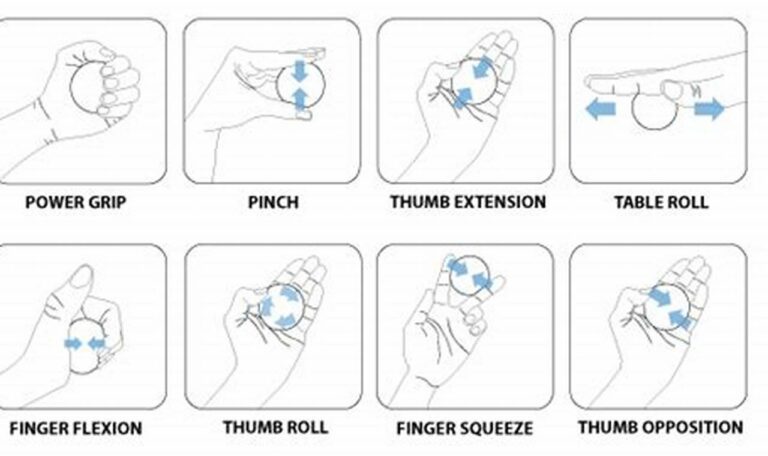
Developing foundational pencil control requires more than simply handing a child a writing utensil and hoping for the best. Young learners frequently grip crayons like small clubs, pressing down so hard that paper tears, or conversely, holding pencils so loosely that lines remain invisible. Occupational therapy clinics regularly observe children who struggle with basic line accuracy simply because their small hand muscles lack the stability needed for sustained pressure. The free printable worksheet “strong hand tracing” bridges this exact gap by combining visual tracking with targeted motor challenges. Grounded in developmental science, this resource helps build the hand arches required for effortless writing. Children need intentional practice before formal handwriting can ever click. It sounds simple, and that’s the point.
💡 Educational Key Takeaways:
- Core Skill: Structured Strong Hand Tracing focused on developing pencil grip, stroke control, and early literacy/math confidence.
- Target Scope: Suited for homeschoolers, preschool, kindergarten, and elementary learners.
- Best Recommendation: Practice 10–15 minutes daily with ergonomic writing tools to reinforce muscle memory without hand fatigue.
What This Worksheet Covers
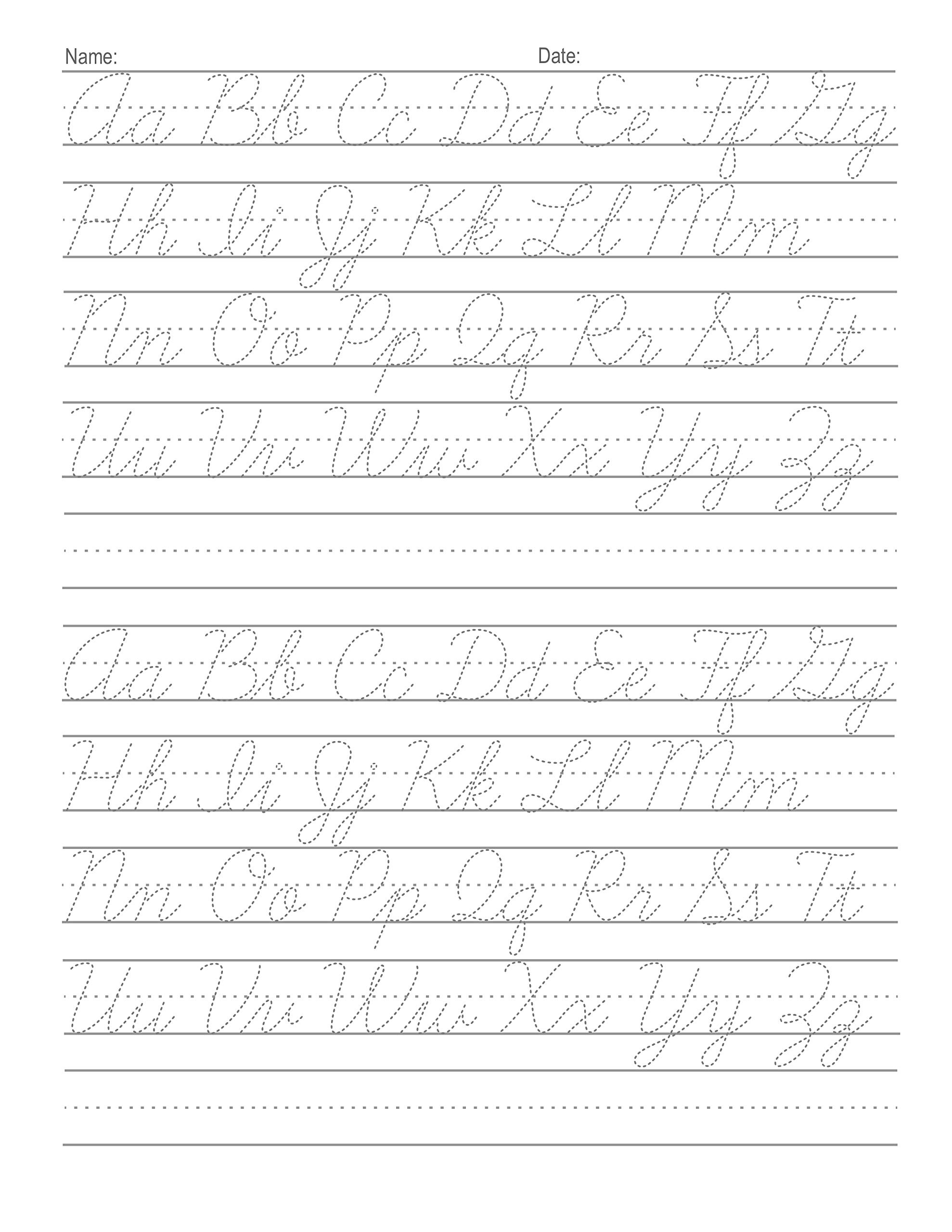
Pre-writing strokes form the architectural backbone of every letter in the alphabet, yet adults often rush past these vital visual-motor patterns. Vertical lines, horizontal lines, circles, and diagonal crosses are not mere busywork; they represent the exact sequential movements that evolve into complex cursive and manuscript printing. This specific printout targets line accuracy, pencil control, and steady visual tracking across the page. Here’s what makes this worksheet different: it intentionally spaces out paths to demand sustained wrist extension and controlled finger isolation, rather than relying on rapid, sloppy looping. Educators pairing these exercises with Tracing Worksheets often notice an immediate improvement in how steadily a child holds a writing tool. Every curved path and zigzag trajectory trains the intrinsic hand muscles to coordinate smoothly with the visual cortex.
Key Learning Outcomes
Consistent interaction with these structured pathways yields measurable gains in bilateral coordination and spatial awareness. According to the American Occupational Therapy Association, foundational fine motor interventions directly enhance a child’s ability to participate successfully in classroom academic tasks. Children learn to stabilize the paper with their non-dominant hand while executing smooth, continuous strokes with the dominant hand. Muscle memory develops quietly as pencils stay in constant contact with the paper surface from start to finish. This continuous resistance builds the stamina needed to prevent hand fatigue during long writing sessions. Ultimately, these targeted pages transform erratic scribbling into deliberate, purposeful marks.
How to Use This Worksheet
Successful implementation relies heavily on timing, seating posture, and the right writing tool selection. Children should sit with feet flat on the floor and hips at a ninety-degree angle, ensuring core stability supports distal hand mobility. Adults can introduce the page during morning centers or quiet time when focus levels naturally peak. Starting at the designated green start dot and following the path to the red stop sign teaches directional concepts like left-to-right progression. Teachers utilizing broader Preschool Worksheets find that embedding these tracing exercises into a daily routine establishes strong habits early. If a child begins to fatigue or display a tight, white-knuckle fist grasp, pausing the session immediately prevents bad muscle habits from cementing.
Practical Tips for Parents and Teachers
Modifying the writing surface can completely change a child’s engagement and physical output. Tipping the worksheet slightly on an inclined board naturally promotes the wrist extension occupational therapists look for in mature grasps. Utilizing broken crayons or short golf pencils forces the fingers into a functional tripod posture rather than a messy whole-hand grasp. Caregivers can also slide the printout inside a heavy-duty plastic sleeve and let children trace the lines with dry-erase markers, which reduces paper waste and lowers the stakes of making a mistake. Exploring specialized Worksheets alongside this tool keeps learning fresh and engaging throughout the week. Patience remains the most important instrument in any adult’s toolkit during these foundational lessons.
Age-Appropriate Recommendations
According to the National Association for the Education of Young Children, developmentally appropriate practice requires matching task complexity to the child’s current motor maturity rather than chronological age. Two-year-olds and young three-year-olds benefit most from large, thick-line horizontal strokes using chunky crayons, focusing purely on cause and effect. By ages four and five, children transition to more complex zigzags and continuous curves that demand refined visual-motor integration. According to CDC developmental milestones, children typically demonstrate the ability to copy simple shapes and vertical lines between ages three and four, making this age window optimal for introducing structured tracing pages. Kindergarteners can use these same templates to practice maintaining consistent pressure and precise control over longer distances.
Targeted fine motor interventions directly enhance a child’s ability to participate successfully in classroom academic tasks — American Occupational Therapy Association
Frequently Asked Questions
How do I download and print this worksheet?
Click the download link on the page to save the PDF file directly to a device, then open it and select print from any standard home or classroom printer.
How does this printable support early writing development?
It builds intrinsic hand strength, improves pencil grip stamina, and trains the visual-motor pathways necessary for accurate letter formation.
What age group is this specific resource designed for?
According to the Centers for Disease Control and Prevention developmental guidelines, these activities align best with ages three through six, preparing children for formal handwriting.
Explore More Free Printable Worksheets
Expanding a child’s early learning library ensures they encounter enough varied practice to master essential motor and cognitive skills. Beyond basic line work, introducing creative elements like Coloring Worksheets provides additional opportunities to build hand strength in a relaxed format. When children show readiness for language symbols, transitioning them to targeted Letter Writing Worksheets capitalizes on the exact motor control they just developed. For personalized engagement, incorporating Name Practice Worksheets gives young learners a meaningful reason to apply their newly refined tracing abilities. Consistency across diverse printable formats ultimately sets every child up for long-term academic and physical confidence.
Developmental Milestone & Activity Table
| Development Stage | Recommended Daily Duration | Primary Learning Objective |
|---|---|---|
| Preschool & Pre-K | 10 – 15 Minutes | Pencil grip development & basic pre-stroke lines |
| Kindergarten | 15 – 20 Minutes | Letter/number formation & spatial line awareness |
| Early Elementary (Grade 1–2) | 20 – 30 Minutes | Fluency, sentence construction & neatness |
Images References