Introduction
Young learners often struggle to bridge the gap between spoken storytelling and the physical act of committing a narrative to paper. Many children possess vibrant imaginations yet freeze the moment a pencil touches a blank page because the structural demands of a story feel overwhelming. Educators and occupational therapists frequently observe children staring at empty lines, unsure of how a beginning connects to an ending. Visual scaffolds change this dynamic entirely by transforming abstract literary concepts into concrete, spatial experiences. The free printable story plot mountain graphic organizer provides the exact structural support children need to map out character actions, conflicts, and resolutions before writing full sentences. Beyond narrative comprehension, this tool integrates essential fine motor tasks that strengthen hand control and pencil dexterity.
💡 Educational Key Takeaways:
- Core Skill: Structured Story Plot Mountain Graphic Organizer focused on developing pencil grip, stroke control, and early literacy/math confidence.
- Target Scope: Suited for homeschoolers, preschool, kindergarten, and elementary learners.
- Best Recommendation: Practice 10–15 minutes daily with ergonomic writing tools to reinforce muscle memory without hand fatigue.
What This Worksheet Covers
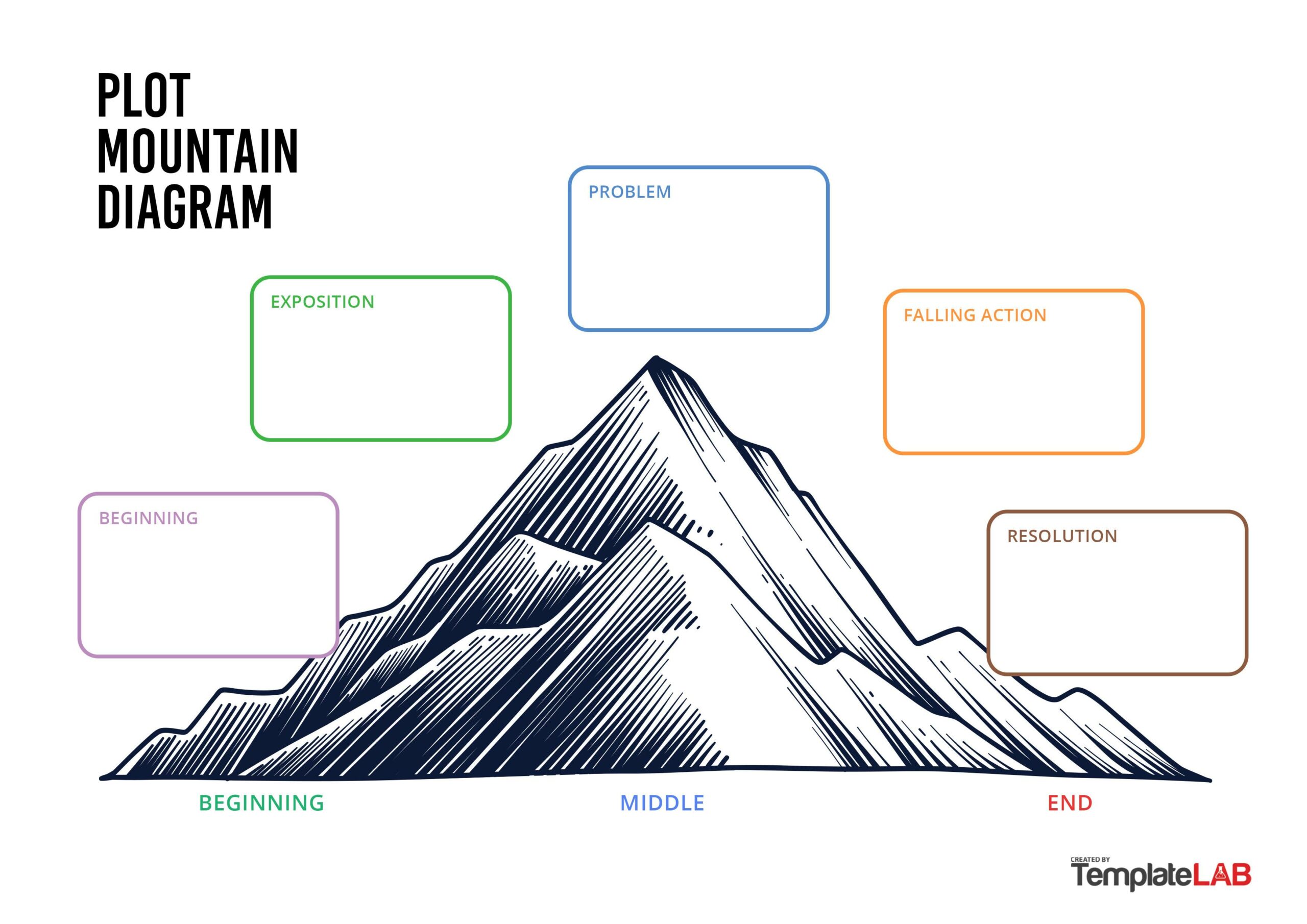
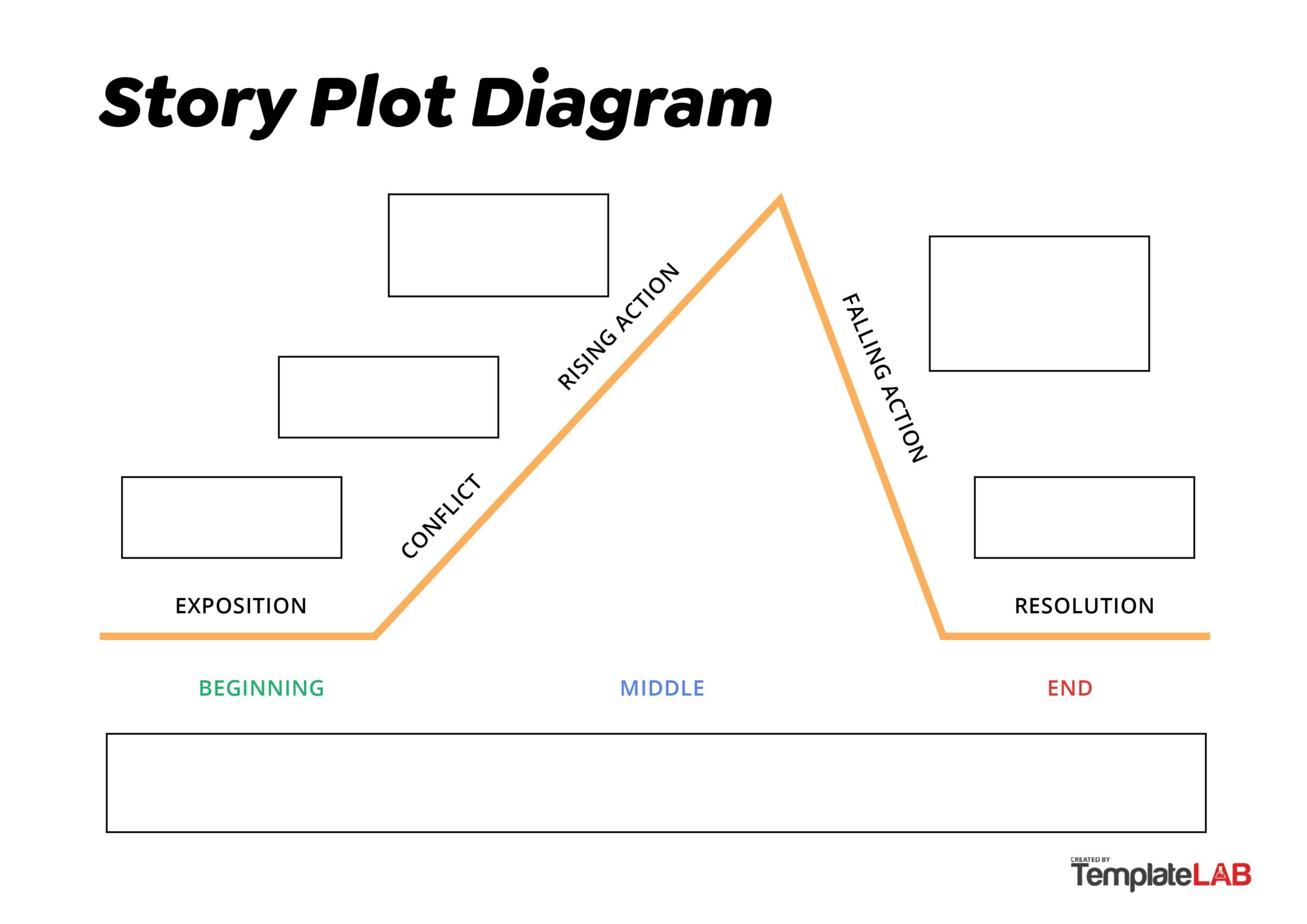
Narrative architecture requires children to organize their thoughts sequentially, starting with the exposition and rising action, moving toward the climax, and descending into the falling action and resolution. Spatial mapping on a diagonal mountain trajectory engages both visual-perceptual skills and cognitive planning. Children must coordinate eye-hand movements to place words precisely within designated peaks and valleys, refining spatial awareness. Mastering this layout helps kids transition smoothly into broader writing tasks, supporting skills similar to those found on structured tracing worksheets where directional line control is paramount. It sounds simple, and that’s the point: stripping narrative complexity down to sequential peaks allows young brains to focus on mechanics and content simultaneously without cognitive overload.
Key Learning Outcomes
Children engaging with this graphic organizer build foundational literacy comprehension alongside vital physical writing endurance. Educators notice that when students physically trace the upward slope of a plot mountain with their writing tools, their pencil grasp often stabilizes naturally due to the purposeful directional movement. According to Reading Rockets, using graphic organizers significantly improves reading comprehension and writing organization by helping learners visualize relationships between story elements. Furthermore, the physical act of writing words in confined spatial boxes reinforces letter size consistency, proper baseline adherence, and fine motor precision. These combined gains prepare children for more advanced composition styles explored across various worksheets designed for early elementary classrooms.
How to Use This Worksheet
Introducing a plot mountain begins with a familiar read-aloud book so students can identify key story components collectively before writing independently. Adults should model how to fill out each section of the mountain, demonstrating where the introduction goes at the base and where the climax sits at the absolute peak. Children can then draw quick thumbnail sketches or write short phrases depending on their developmental writing stage. Therapists often recommend pairing this activity with tactile prompts, letting children trace the mountain outline with a finger before picking up a writing utensil. To build a solid foundation in foundational literacy and motor planning, educators frequently integrate these visual maps alongside targeted preschool worksheets that emphasize spatial orientation and sequencing.
Practical Tips for Parents and Teachers
Here’s what makes this worksheet different: it accommodates multiple developmental stages within the exact same visual framework. Pre-writers can draw symbols or stick figures on the mountain slopes, while fluent writers can craft complete descriptive paragraphs inside the designated zones. Ensuring the workspace has proper child-sized seating prevents fatigue and supports a functional tripod pencil grasp during extended writing sessions. If hand cramping occurs, pause the writing portion and have the child trace the mountain shape using sensory materials like sand trays or textured boards. Breaking the task into manageable segments keeps frustration low and ensures the physical act of writing remains a positive, empowering experience.
Age-Appropriate Recommendations
Aligning literacy tools with established developmental benchmarks ensures children are neither overwhelmed nor under-challenged during writing instruction. In accordance with Common Core ELA standard W.2.3, young writers in second grade should be able to write narratives that recount a well-elaborated event or short sequence of events, including details to describe actions, thoughts, and feelings. For kindergarteners and first graders, the focus shifts toward identifying beginning, middle, and end using simplified visual representations on the mountain base. Occupational therapists recommend monitoring hand fatigue closely during these exercises, as sustained writing requires robust intrinsic muscle strength in the hand and fingers.
Explicit instruction in story structure and graphic organizers significantly enhances reading comprehension and narrative writing outcomes for young learners. — Reading Rockets
Frequently Asked Questions
Caregivers and educators frequently have questions regarding the implementation and physical benefits of narrative graphic organizers in early childhood settings. Clear answers help maximize the educational impact of these free printable resources both at home and inside structured classroom environments.
Explore More Free Printable Worksheets
Supporting a well-rounded early literacy curriculum requires a diverse library of skill-building printables tailored to every developmental milestone. Children benefit immensely from transitioning between creative narrative mapping and targeted fine motor exercises that refine pencil control and letter formation. Educators and parents can expand their resource collections by exploring curated categories designed to foster confidence, independence, and foundational academic readiness.
Developmental Milestone & Activity Table
| Development Stage | Recommended Daily Duration | Primary Learning Objective |
|---|---|---|
| Preschool & Pre-K | 10 – 15 Minutes | Pencil grip development & basic pre-stroke lines |
| Kindergarten | 15 – 20 Minutes | Letter/number formation & spatial line awareness |
| Early Elementary (Grade 1–2) | 20 – 30 Minutes | Fluency, sentence construction & neatness |
Images References