Introduction
Preschool worksheets serve as foundational instructional tools designed to build early fine-motor control, pencil grip mechanics, and letter formation fluency. According to the National Association for the Education of Young Children (NAEYC), developmentally appropriate early childhood practice requires integrating hands-on manipulatives with structured paper-and-pencil tasks to reinforce sensory-motor integration. Educators utilize specialized preschool worksheets to bridge the developmental gap between gross-motor scribbling and precise letter creation. Establishing correct stroke sequences early prevents the formation of inefficient writing habits that stall literacy progress later. Implementing targeted worksheets in daily routines ensures young learners develop the spatial awareness needed for legible writing.
Handwriting Practice Snapshot:
- Core Focus: Early childhood stroke sequence acquisition and fine-motor pencil control.
- Target Scope: Pre-kindergarten classrooms, homeschool environments, and occupational therapy clinics.
- Key Recommendation: Prioritize short, daily multisensory tracing sessions over extended drill-and-kill sheets.
Core Principles and Detailed Overview
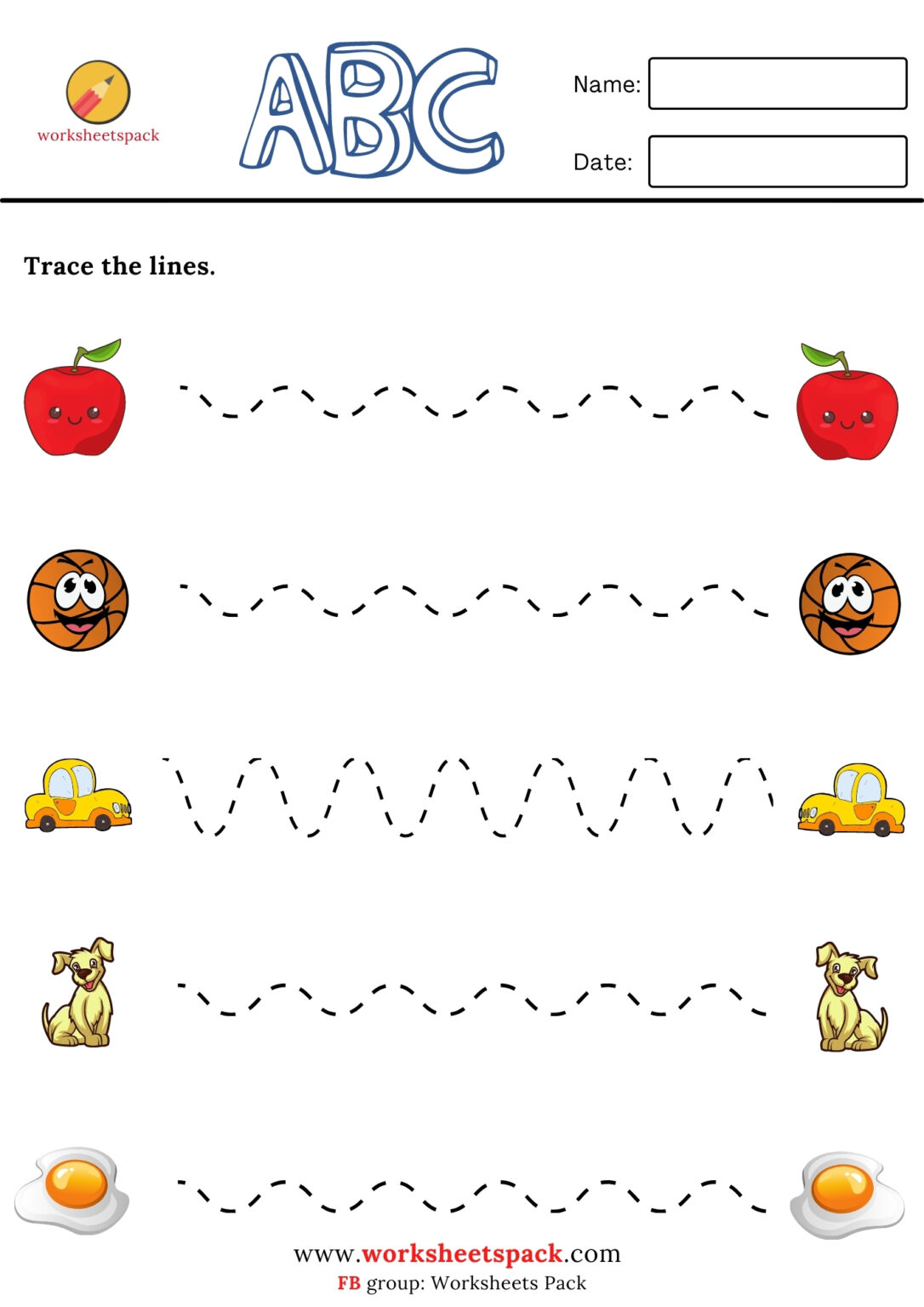
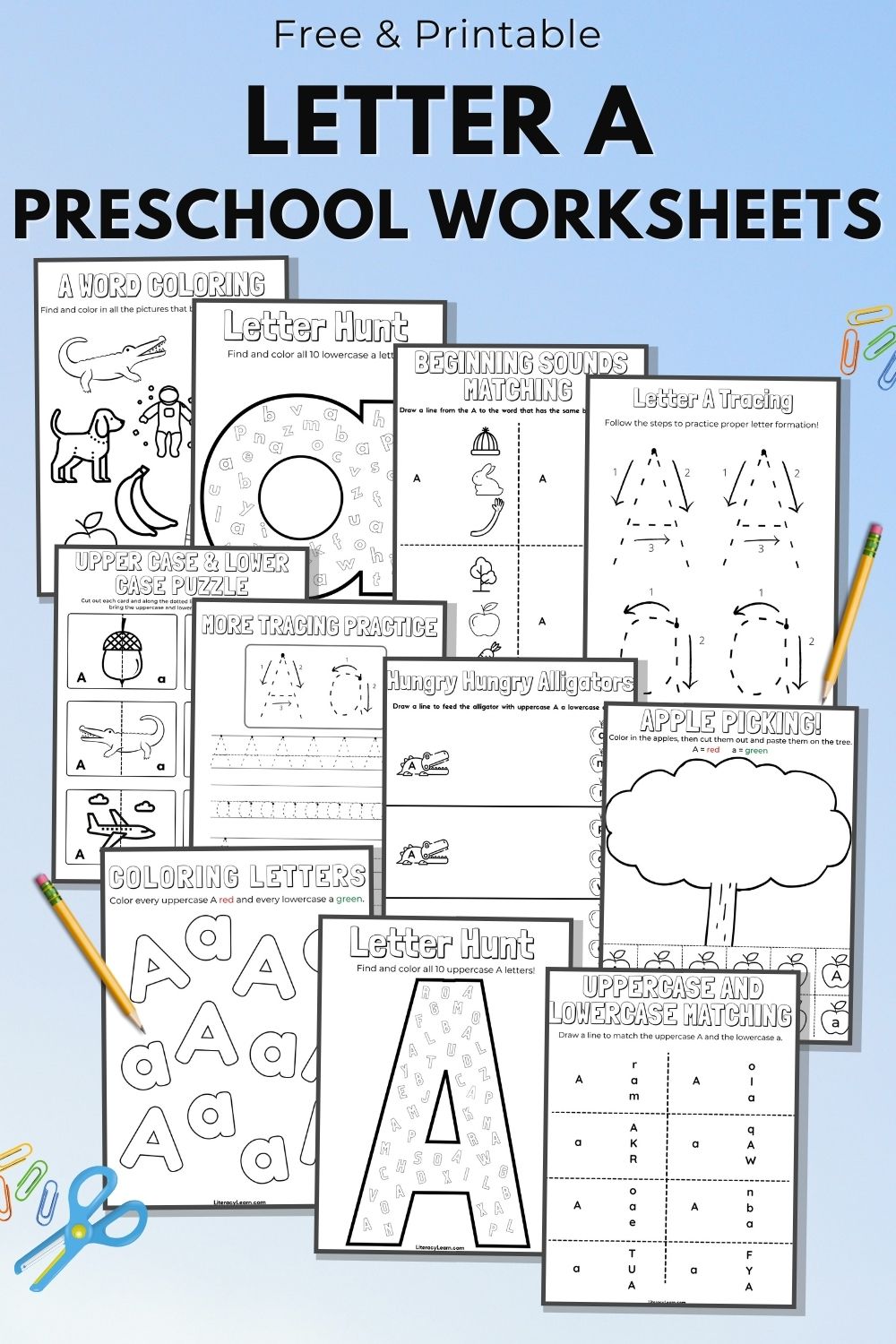
Preschool worksheets must systematically scaffold handwriting mechanics by progressing from basic vertical and horizontal lines to complex diagonal strokes, curves, and complete letter forms. Direct instruction in stroke sequence ensures that children lift and place writing implements in the correct spatial order, which dramatically increases writing speed and legibility. Occupational therapy principles emphasize that pencil pressure, hand-eye coordination, and bilateral integration develop concurrently through structured tracing exercises. Incorporating tracing worksheets allows learners to build muscle memory without the cognitive overload of generating abstract characters from memory. Structured visual cues on the page guide the hand along precise top-to-bottom and left-to-right trajectories, aligning directly with reading and writing directionality.
Key Specifications and Breakdown
| Skill Level / Grade | Target Stroke / Mechanical Focus | Pedagogical / Coaching Cue |
|---|---|---|
| Early Preschool (Age 3) | Vertical, horizontal, and circular continuous lines | “Start at the top sky line and pull straight down to the ground.” |
| Mid Preschool (Age 4) | Diagonal strokes, intersecting lines, and basic shapes | “Trace the slanted slide down, then cross across the middle.” |
| Late Preschool (Age 5) | Capital letter formation and structural baseline placement | “Big line down, frog jump to the top, and curve around.” |
Developmentally Appropriate Practice requires that fine-motor tasks emphasize proper grasp and controlled stroke execution rather than rushed volume or rigid perfection — American Occupational Therapy Association (AOTA)
Step-by-Step Practical Application and Guidelines
Implementing preschool worksheets effectively requires a structured, multi-step instructional routine that protects developing joints and builds lasting muscle memory. Begin every session by checking the dynamic tripod grasp, ensuring fingers rest approximately one inch above the pencil tip. Next, have learners trace oversized model lines with an index finger in the air or on a textured surface before touching a writing utensil to paper. Introduce letter writing worksheets in small, phonetically logical groups rather than presenting the entire alphabet at once. Monitor posture closely to ensure feet remain flat on the floor and the non-dominant hand stabilizes the paper securely. Conclude sessions promptly before hand fatigue sets in, preserving a positive association with writing tasks.
Common Challenges and How to Avoid Them
Premature fatigue, incorrect pencil grasps, and bottom-up stroke reversals represent the most frequent obstacles encountered during early handwriting instruction. Educators and parents prevent these issues by discarding dull writing implements in favor of short, primary-sized triangular pencils that naturally encourage proper finger placement. When children initiate letters from the bottom or middle instead of the top, intervene immediately with verbal directional cues or hand-over-hand guidance to correct the motor plan. Supplementing paper tasks with coloring worksheets helps build intrinsic hand strength and endurance without inducing frustration over letter formation accuracy.
💬 Frequently Asked Questions
Explore More Free Handwriting and Character Worksheets
Accessing comprehensive, teacher-approved instructional resources ensures every child builds a rock-solid foundation in early literacy and fine-motor control. Explore the complete library of expertly formatted materials, including specialized name practice worksheets and progressive printables, by visiting CharacterWritingWorksheets.com today.
Worksheet Previews & Reference Materials