Introduction
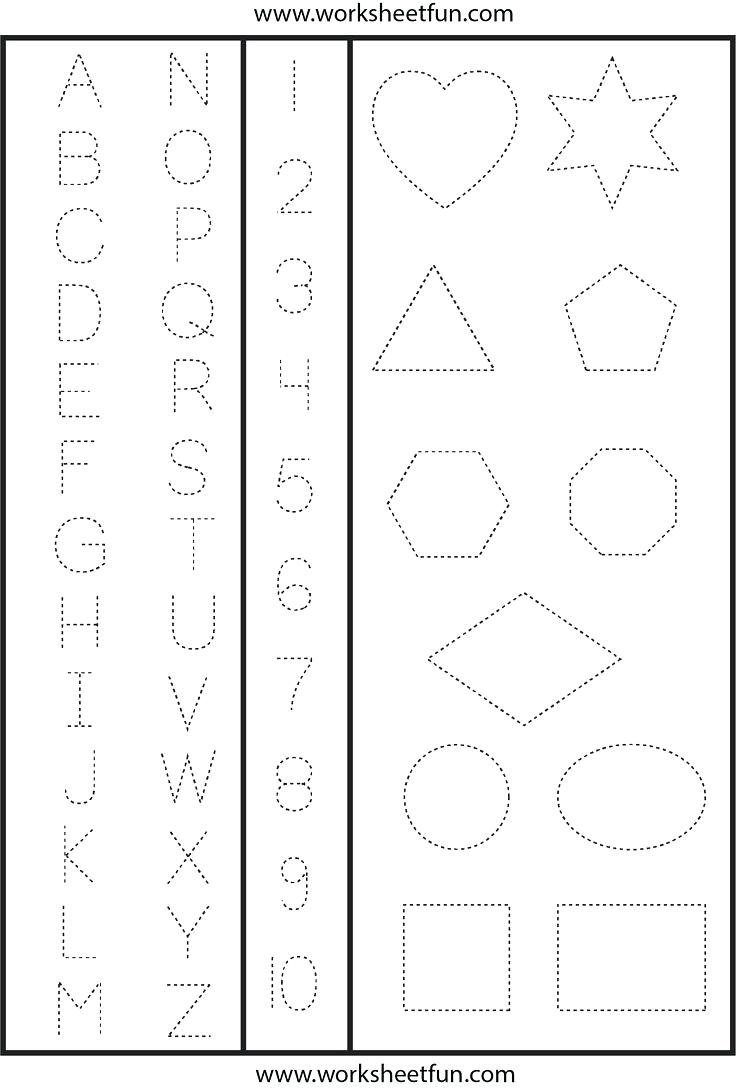
Preschool worksheets age 2-3 provide foundational pre-writing experiences designed to develop early fine-motor control, hand-eye coordination, and spatial awareness before formal letter formation begins. According to the National Association for the Education of Young Children (NAEYC), developmentally appropriate practice for toddlers centers on large muscle movements, sensory exploration, and gross-to-fine motor transitions rather than rigid pencil-and-paper drills. Utilizing targeted preschool worksheets helps young learners build crucial finger dexterity through engaging visual tracks and oversized tracing paths.
Handwriting Practice Snapshot:
- Core Focus: Building foundational fine-motor strength and basic stroke control for toddlers.
- Target Scope: Early learners aged 2 to 3 years old in home and classroom environments.
- Key Recommendation: Prioritize large, unconstrained physical strokes and thick writing tools over traditional pencils.
Core Principles and Detailed Overview
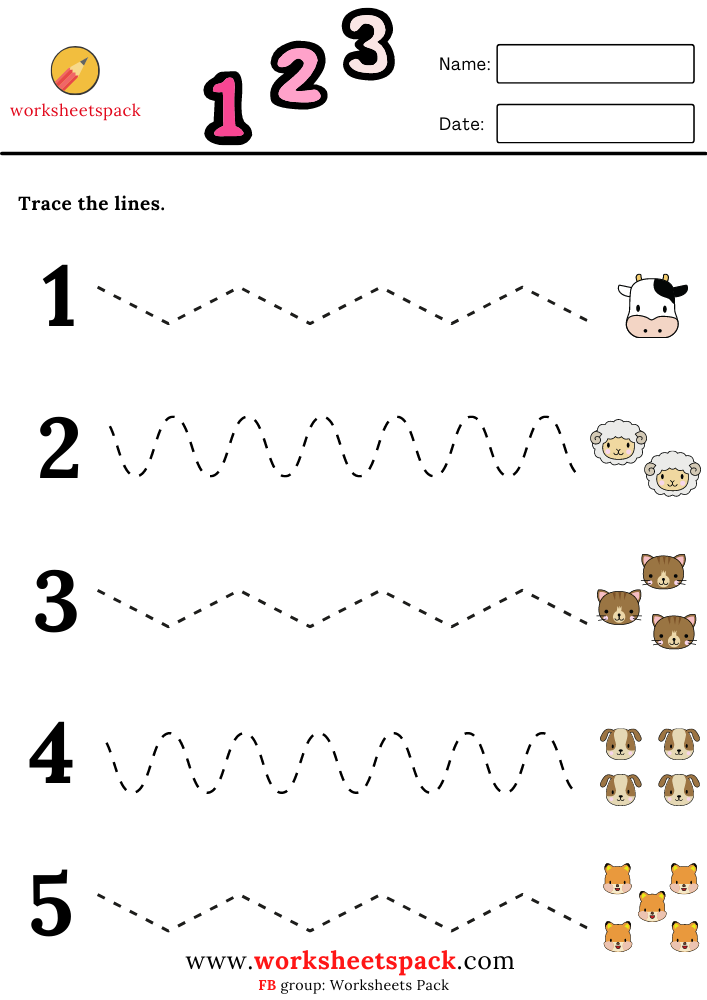
Gross-motor control and proximal stability must precede distal finger dexterity for toddlers learning early mark-making. Preschool worksheets age 2-3 emphasize vertical surfaces, continuous horizontal lines, and simple geometric paths that engage the shoulder and elbow joints before requiring isolated wrist and finger movements. Educators and parents integrate specialized tracing worksheets to encourage directional tracking from left to right, establishing essential visual pathways for subsequent literacy milestones.
Key Specifications and Breakdown
| Skill Level / Grade | Target Stroke / Mechanical Focus | Pedagogical / Coaching Cue |
|---|---|---|
| Age 2 (Young Toddler) | Vertical lines, horizontal lines, and gross circular scribbles. | “Draw big rain falling down from the clouds.” |
| Age 2.5 (Mid Toddler) | Crossing midline, diagonal strokes, and simple curved paths. | “Slide the car smoothly along the curvy road.” |
| Age 3 (Older Toddler) | Basic intersecting shapes, continuous loops, and pre-writing mazes. | “Keep the pencil touching the paper all the way through.” |
Handwriting readiness requires mature grasp patterns, bilateral coordination, and sensory processing integration — American Occupational Therapy Association (AOTA)
Step-by-Step Practical Application and Guidelines
Effective implementation of early writing tasks requires selecting oversized writing instruments and positioning paper at an optimal angle for toddler ergonomics. Educators begin by securing sheets on slanted vertical easels to encourage proper wrist extension, then transition to flat surfaces while monitoring for a functional palmar or digital pronate grasp. Incorporating creative coloring worksheets alongside structured practice reinforces grip strength without inducing muscle fatigue or frustration.
Common Challenges and How to Avoid Them
Hand fatigue, improper pencil pressure, and resistance to structured lines are frequent hurdles when introducing writing tasks to toddlers. Adults prevent these issues by limiting worksheet sessions to five-minute intervals, using short stubby crayons that naturally encourage a three-finger grasp, and substituting rigid correction with playful storytelling cues. Ensuring that early tasks remain strictly open-ended maintains high intrinsic motivation and prevents negative associations with writing.
💬 Frequently Asked Questions
Explore More Free Handwriting and Character Worksheets
Developing early literacy and motor skills requires a diverse collection of engaging instructional resources tailored to emerging learners. Educators and caregivers can access an extensive library of specialized letter writing worksheets and customizable name practice worksheets designed to support every stage of development. Discover thousands of free, printable resources by visiting CharacterWritingWorksheets.com today.
Worksheet Previews & Reference Materials