Introduction
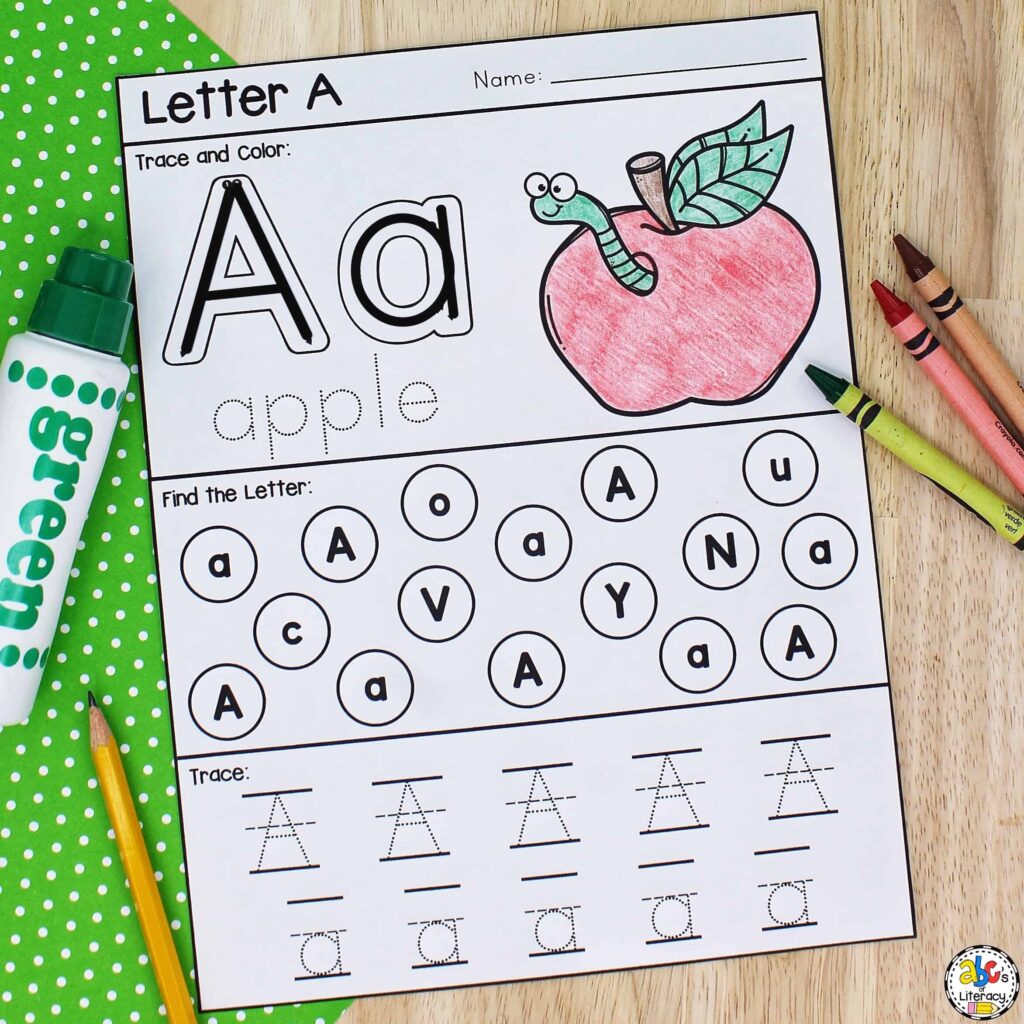
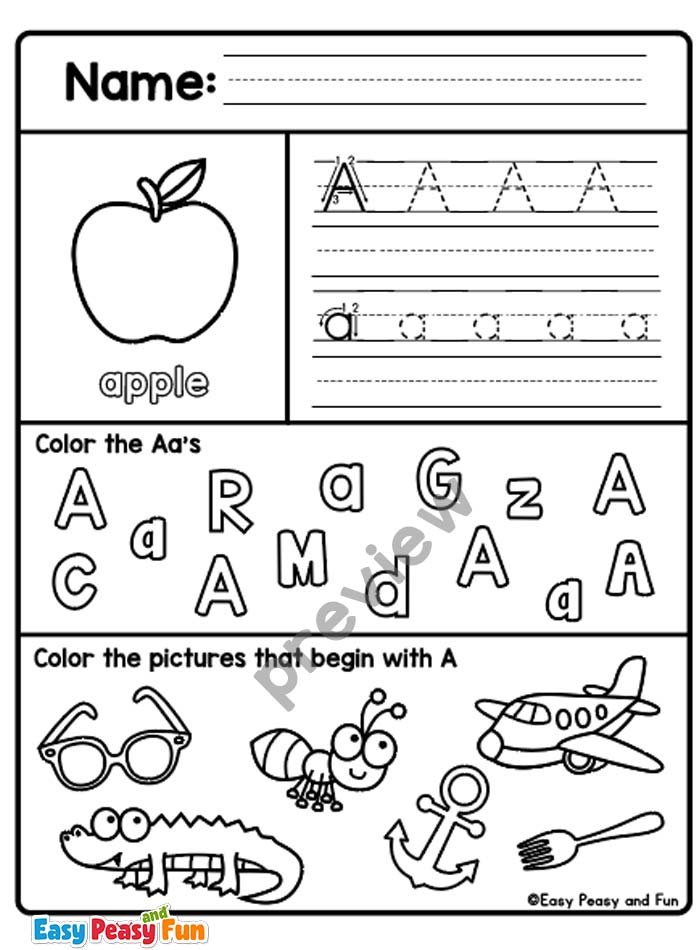
Preschool worksheets letter a serve as foundational educational assets designed to introduce early learners to foundational phonetic recognition, precise fine-motor control, and correct alphanumeric stroke mechanics. According to the National Association for the Education of Young Children (NAEYC), developmentally appropriate early writing instruction must combine direct manipulative engagement with structured tracing exercises to build hand strength and spatial awareness. Utilizing specialized preschool worksheets provides educators and caregivers with a repeatable, systematic method for teaching the initial letter of the alphabet. Early childhood educators implement these targeted printables alongside coloring worksheets to reinforce visual discrimination between uppercase and lowercase configurations. Establishing proper habits during these formative stages prevents the formation of awkward pencil grips and incorrect stroke trajectories later in elementary school.
Handwriting Practice Snapshot:
- Core Focus: Systematic instruction of the letter A utilizing structured stroke patterns and multisensory practice.
- Target Scope: Early childhood settings, kindergarten preparation classes, and home-school environments.
- Key Recommendation: Prioritize proper top-to-bottom stroke sequence over sheer volume of completed pages.
Core Principles and Detailed Overview
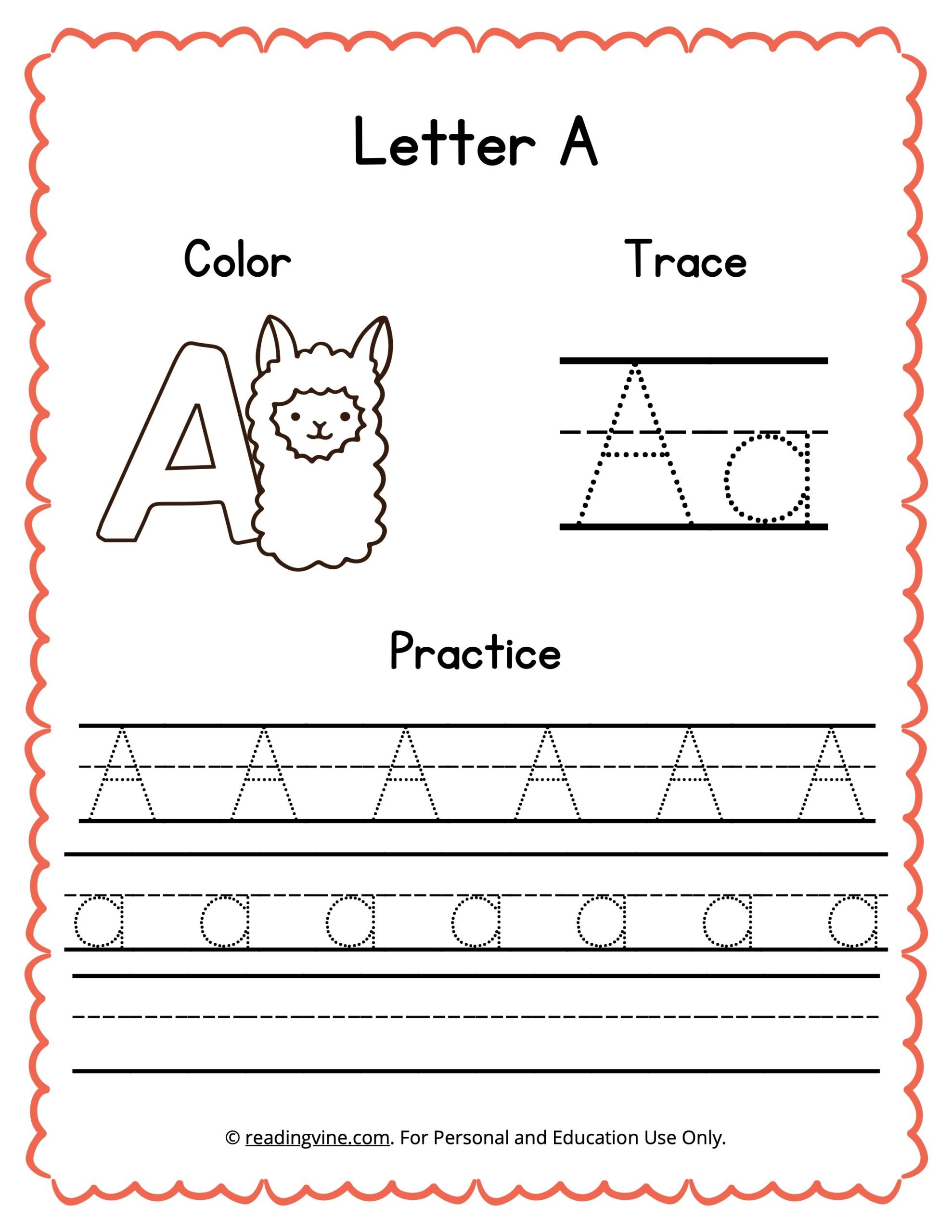
Letter formation mastery relies on breaking down complex graphical symbols into repeatable, sequential motor strokes that align with natural hand movements. Preschool worksheets letter a explicitly direct the child’s pencil along a precise path: starting at the top point, drawing a slanted line down to the left, returning to the top to draw a second slanted line down to the right, and finally crossing horizontally through the center for the uppercase letter. Introducing these mechanics requires integrating structured tracing worksheets that supply adequate visual boundary guides and directional arrows. When young children practice the letter A consistently, neural pathways strengthen to map visual symbols directly to muscle memory. Educators must couple pencil-and-paper tasks with tactile experiences like salt trays or tactile sandpapers to deepen kinetic retention before students transition entirely to standard letter writing worksheets.
Key Specifications and Breakdown
| Skill Level / Grade | Target Stroke / Mechanical Focus | Pedagogical / Coaching Cue |
|---|---|---|
| Early Preschool (Ages 3-4) | Gross motor finger isolation and basic directional tracing | “Start at the cloud, slide down the mountain!” |
| Late Preschool (Ages 4-5) | Diagonal stroke precision and proportional height awareness | “Up, down, and add the bridge across the middle.” |
| Early Kindergarten (Ages 5-6) | Independent letter generation on primary lined paper | “Keep your capital letters touching top and bottom lines.” |
Early fine-motor development requires multi-sensory integration, combining visual templates, verbal cueing, and proprioceptive feedback before expecting independent mastery of complex alphanumeric symbols. — American Occupational Therapy Association (AOTA)
Step-by-Step Practical Application and Guidelines
Successful implementation of early writing drills begins with evaluating ergonomic seating posture, ensuring feet rest flat on the floor and elbows bend at a comfortable ninety-degree angle. Adults should first demonstrate the stroke sequence slowly in front of the learner while verbalizing the movements aloud, transforming abstract lines into memorable physical actions. Next, learners trace oversized letter outlines using thick crayons or markers to reduce excessive finger fatigue before moving to standard pencils on detailed layout sheets. Regular integration of focused name practice worksheets alongside alphabet drills helps children generalize their newly acquired pencil control to personal identification tasks. Supervision during these exercises ensures that learners do not lift pencils mid-stroke inappropriately or revert to bottom-up formation habits.
Common Challenges and How to Avoid Them
Reversals, improper pencil grips, and starting strokes from the bottom upward represent the most frequent obstacles encountered during early alphabet instruction. Educators and parents correct these tendencies immediately by physically guiding the child’s hand through the proper top-to-bottom sequence while reinforcing verbal directional cues. Forcing young children to complete excessive repetitions often leads to hand cramping, poor form, and diminished engagement; short, ten-minute daily sessions yield superior results compared to exhaustive marathon drills. Providing ergonomic pencil adapters or triangular writing utensils instantly resolves grip deficiencies before bad muscular habits become permanently ingrained.
💬 Frequently Asked Questions
Explore More Free Handwriting and Character Worksheets
Accessing a comprehensive library of structured educational resources empowers educators and parents to support early childhood literacy effectively. Explore the complete collection of printables, practice guides, and structured activities available directly through CharacterWritingWorksheets.com to elevate daily writing instruction.
Worksheet Previews & Reference Materials