Introduction
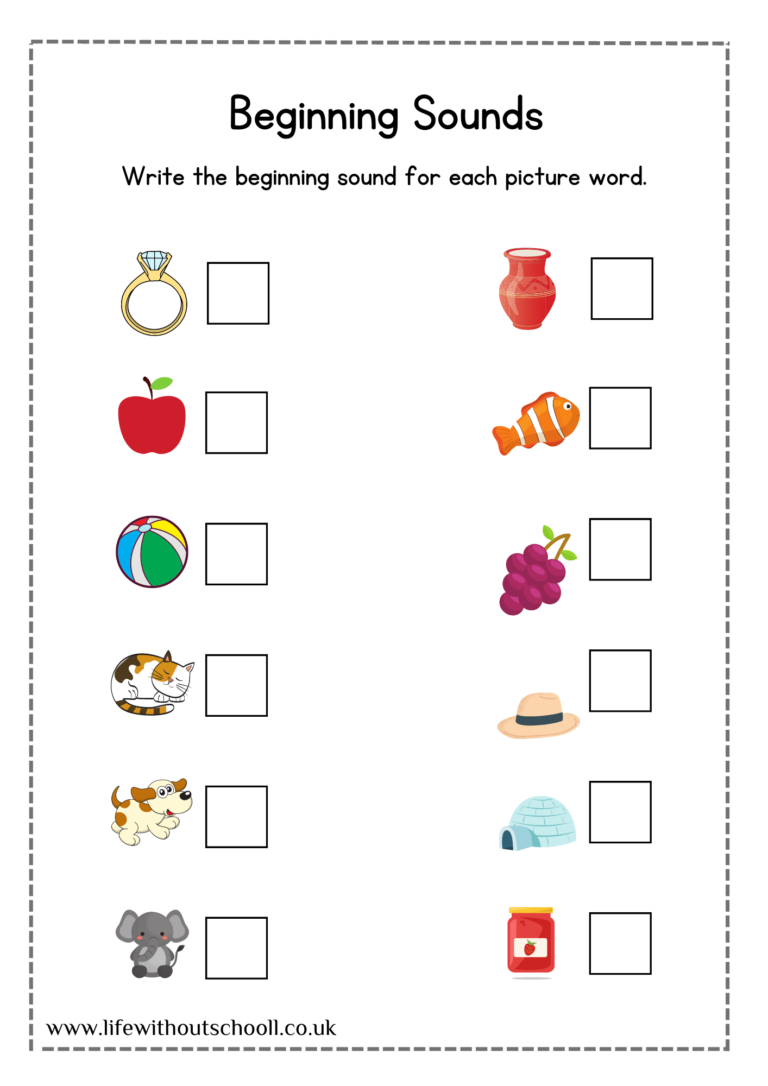
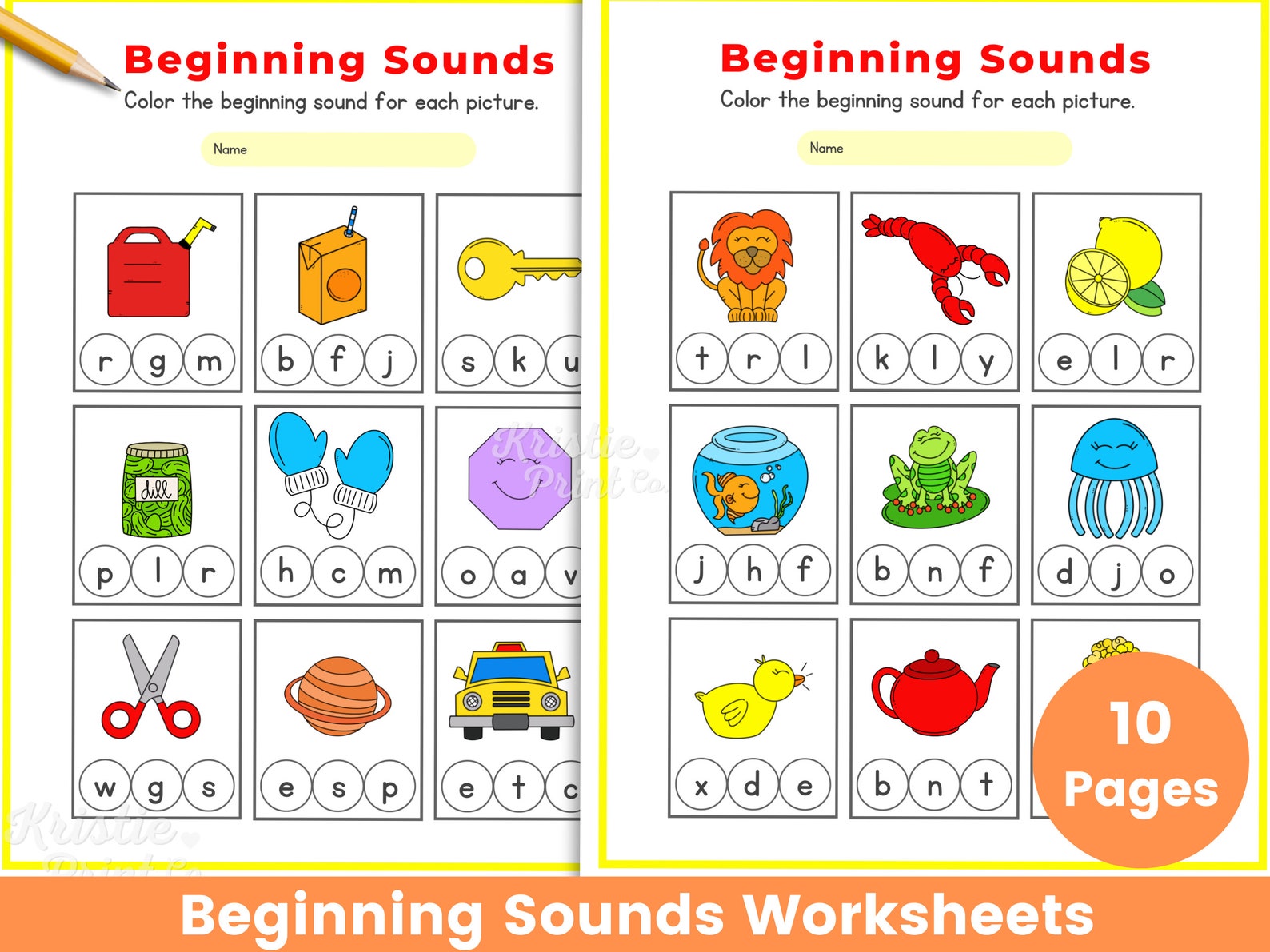
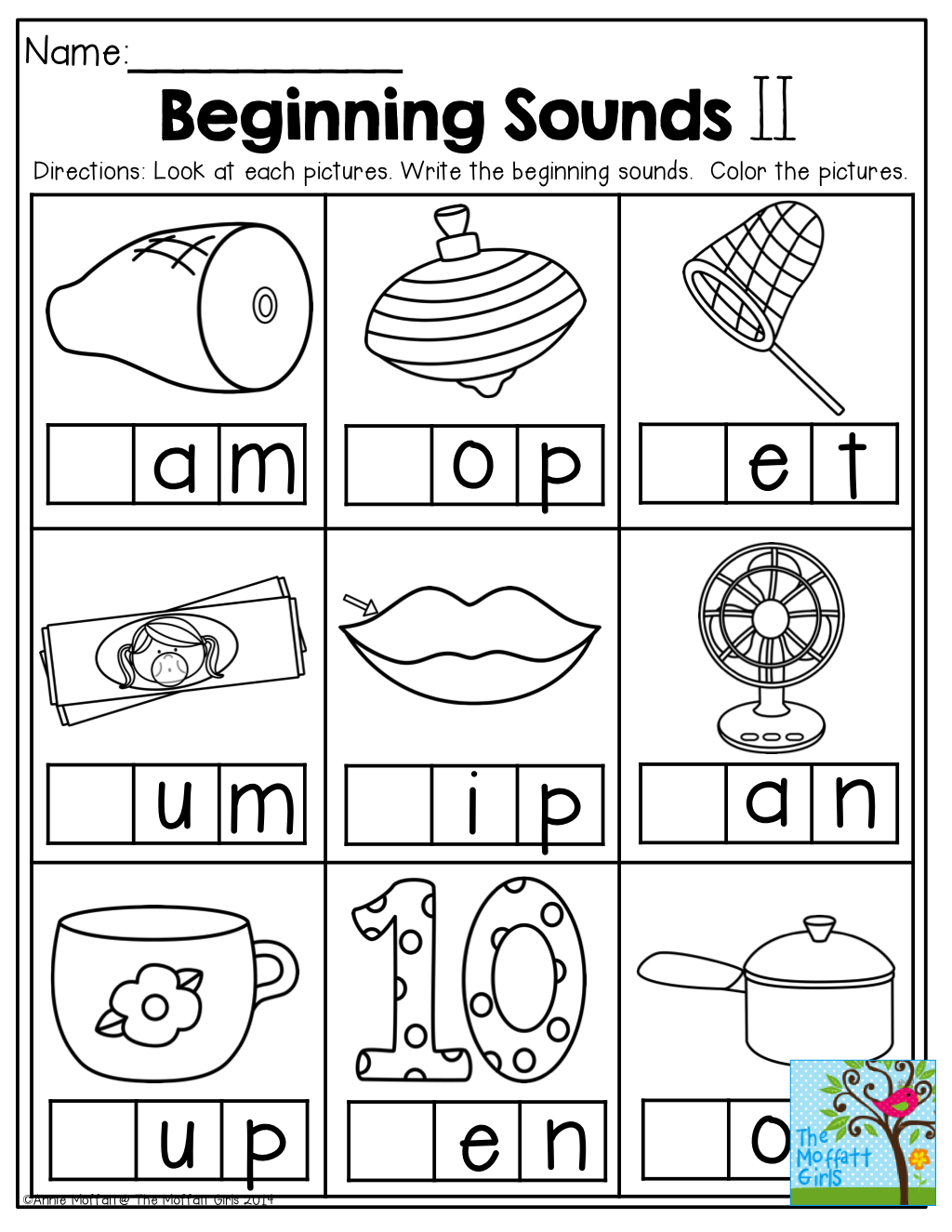
Preschool worksheets beginning sounds serve as foundational instructional tools that connect phonological awareness with early penmanship, integrating acoustic phoneme recognition with tactile letter formation. According to the National Association for the Education of Young Children (NAEYC), systematic integration of letter-sound correspondence with fine-motor mechanics significantly accelerates emergent literacy and pencil control in young learners. These instructional pages bridge the gap between abstract auditory concepts and concrete physical outputs by pairing picture-based phonics cues directly with structured handwriting lines. Educators and caregivers seeking comprehensive foundational materials often utilize preschool worksheets to build early spatial awareness and pencil dexterity. Integrating phonics identification tasks with writing practice transforms passive letter recognition into active neuromuscular memory. Mastery of initial sounds through targeted writing sheets establishes a resilient cognitive framework necessary for advanced spelling, reading fluency, and sustained writing stamina.
Handwriting Practice Snapshot:
- Core Focus: Aligning auditory phoneme identification with physical letter-stroke mechanics on structured paper templates.
- Target Scope: Early childhood educators, homeschool environments, and developmental intervention settings for young children.
- Key Recommendation: Pair verbal phonetic articulation directly with continuous tactile tracing strokes to cement multi-sensory memory.
Core Principles and Detailed Overview
Letter formation and phonics mastery develop concurrently when tactile motor tasks reinforce auditory identification. Preschool worksheets beginning sounds anchor abstract letter shapes to recognizable physical objects, utilizing directional arrows and start-dot markers to dictate precise stroke sequences. Proper pencil grasp and wrist stabilization must be cultivated alongside phonemic awareness to prevent muscle fatigue and awkward grip habits. As children trace capital and lowercase letterforms adjacent to targeted beginning sound illustrations, neural pathways connecting the motor cortex and language centers are simultaneously activated. Utilizing structured tracing worksheets within these phonics lessons provides the necessary boundary constraints that teach spatial proportion and baseline adherence. Establishing these mechanical fundamentals early ensures that young writers transition smoothly from basic shape drawing to fluent, legible alphabet construction.
Key Specifications and Breakdown
| Skill Level / Grade | Target Stroke / Mechanical Focus | Pedagogical / Coaching Cue |
|---|---|---|
| Early Preschool (Age 3-4) | Vertical and horizontal strokes, circle closures | “Start at the top dot, pull down straight.” |
| Mid Preschool (Age 4-5) | Diagonal slants, top-to-bottom directional consistency | “Slide down the mountain, climb back up.” |
| Advanced Preschool (Age 5-6) | Baseline placement, lowercase letter sizing, proportional height | “Keep the letter belly resting on the bottom line.” |
Early handwriting instruction requires the integration of multisensory tactile cues and consistent motor mapping to achieve long-term neuromuscular retention. — American Occupational Therapy Association (AOTA)
Step-by-Step Practical Application and Guidelines
Executing effective literacy and penmanship lessons requires a predictable sequence of auditory articulation, visual identification, and controlled physical tracing. Begin each session by having the learner verbally isolate and elongate the beginning sound of a depicted object before executing any pencil strokes. Direct the child’s index finger to trace the large, magnified target letter following designated directional arrows to build kinesthetic memory before introducing a writing utensil. Once finger-tracing is mastered, transition to a pencil or thick crayon, emphasizing a dynamic tripod grasp while maintaining upright posture and paper stabilization with the non-dominant hand. Complement these auditory-motor sessions with targeted letter writing worksheets to reinforce independent formation without visual clutter. Consistent daily repetition of this structured routine guarantees steady improvement in both phonemic retention and fine-motor precision.
Common Challenges and How to Avoid Them
Premature expectations regarding letter sizing and inverted letter reversals often cause frustration during early phonics and handwriting exercises. Children frequently confuse visually similar phonemes and letter shapes, such as ‘b’ and ‘d’, or attempt to draw letters from the bottom upward rather than top to bottom. Overcome these obstacles by strictly enforcing start-dot placement and utilizing directional color-coding to make correct top-down stroke sequences intuitive. When children struggle to connect the spoken sound to the written symbol, supplement writing sheets with tactile manipulatives or integrate specialized name practice worksheets to maintain high personal engagement and contextual relevance. Monitoring hand fatigue and limiting tracing sessions to brief, focused intervals prevents the adoption of improper compensatory grips and ensures positive reinforcement throughout the learning process.
💬 Frequently Asked Questions
Explore More Free Handwriting and Character Worksheets
Accessing comprehensive, high-quality educational resources ensures that young learners receive balanced instruction spanning phonics, motor control, and penmanship. Educators and parents can explore a wide variety of supplemental tools, including engaging coloring worksheets and structured worksheets designed to reinforce letter formation and early literacy. Visiting the main platform provides unlimited access to expertly formatted printables tailored for every stage of early childhood education.
Worksheet Previews & Reference Materials