Introduction
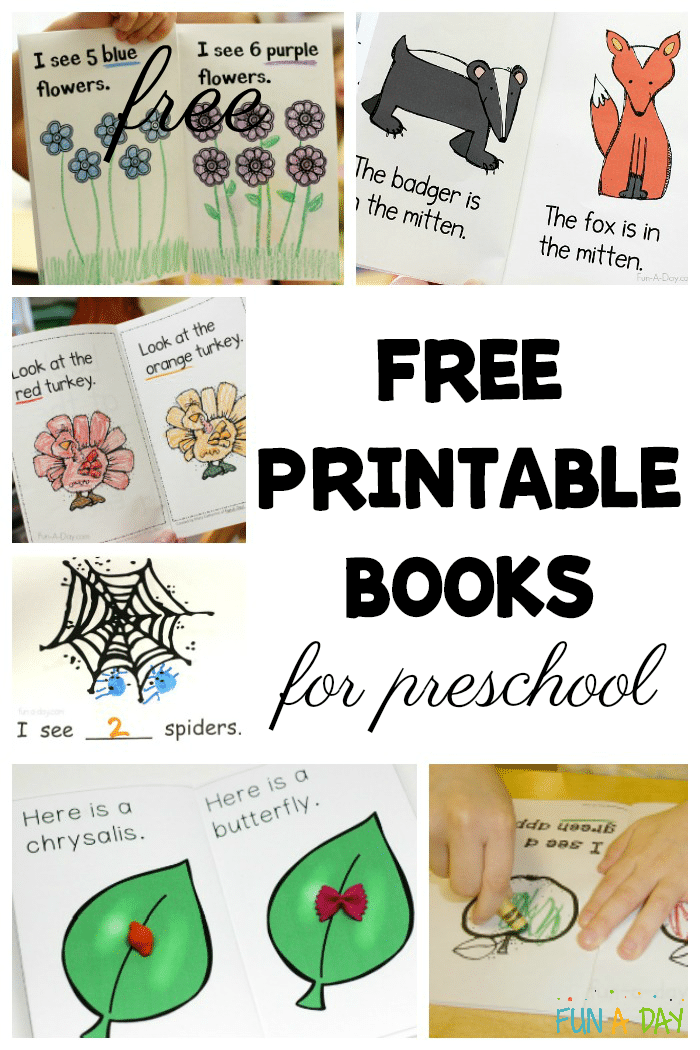
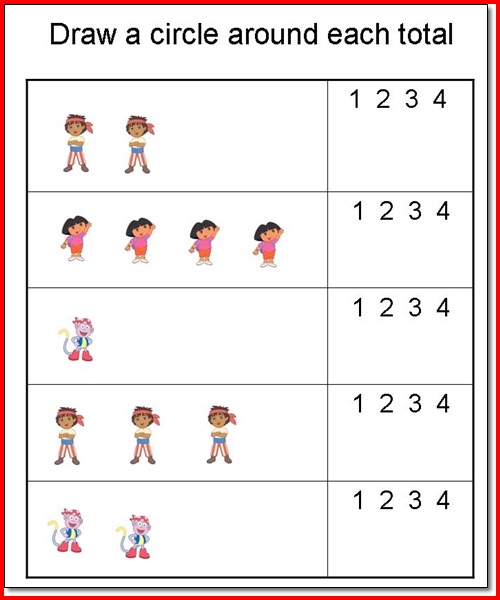
A preschool worksheets book pdf free download provides structured, digital collections of early literacy and motor-skill exercises designed for printable use in homes and classrooms. According to the National Association for the Education of Young Children (NAEYC), developmentally appropriate practice requires embedding fine-motor skill development within playful, hands-on, and visually guided instructional routines. Accessing downloadable instructional packets allows educators and caregivers to scale foundational writing instruction without prohibitive costs, ensuring equal opportunity for pre-writers mastering pencil grip, line control, and spatial awareness.
Handwriting Practice Snapshot:
- Core Focus: Sourcing and implementing comprehensive digital early-learning writing packets.
- Target Scope: Early childhood educators, homeschool environments, and developmental interventionists.
- Key Recommendation: Prioritize sequential stroke directionality before accelerating letter formation speed.
Core Principles and Detailed Overview
Digital collections categorized as preschool worksheets function best when aligned with established ergonomic and cognitive developmental stages. Children must master vertical, horizontal, and diagonal strokes before attempting complex closed shapes or multi-stroke alphanumeric characters. Utilizing organized educational printables builds the intrinsic muscle memory required for sustained writing endurance. Instructors should curate digital files that feature clear baseline indicators, directional arrows, and appropriate scaling to support visual-motor integration without inducing hand fatigue.
Key Specifications and Breakdown
| Skill Level / Grade | Target Stroke / Mechanical Focus | Pedagogical / Coaching Cue |
|---|---|---|
| Early Preschool (Ages 3-4) | Vertical and horizontal lines, basic circles | “Start at the smiling sun and pull straight down to the green grass.” |
| Late Preschool (Ages 4-5) | Diagonal cross strokes, intersecting shapes | “Trace up to the peak like climbing a mountain, then slide down.” |
| Transition to Kindergarten (Ages 5-6) | Letter formation, baseline alignment | “Keep the pencil grounded on the bottom line; do not let letters float.” |
Fine-motor control and grasp maturity directly predict foundational academic success in early childhood writing mechanics — American Occupational Therapy Association (AOTA)
Step-by-Step Practical Application and Guidelines
Executing structured writing practice from digital collections requires deliberate preparation of physical learning environments and writing tools. Begin by selecting uncrowded, single-concept pages that minimize visual distraction for young learners. Print documents at scaling parameters of 100 percent to prevent distortion of guide lines and primary writing grids. Equip learners with short, triangular pencils or broken crayons to naturally encourage a functional tripod grasp before introducing standard-length writing utensils.
Common Challenges and How to Avoid Them
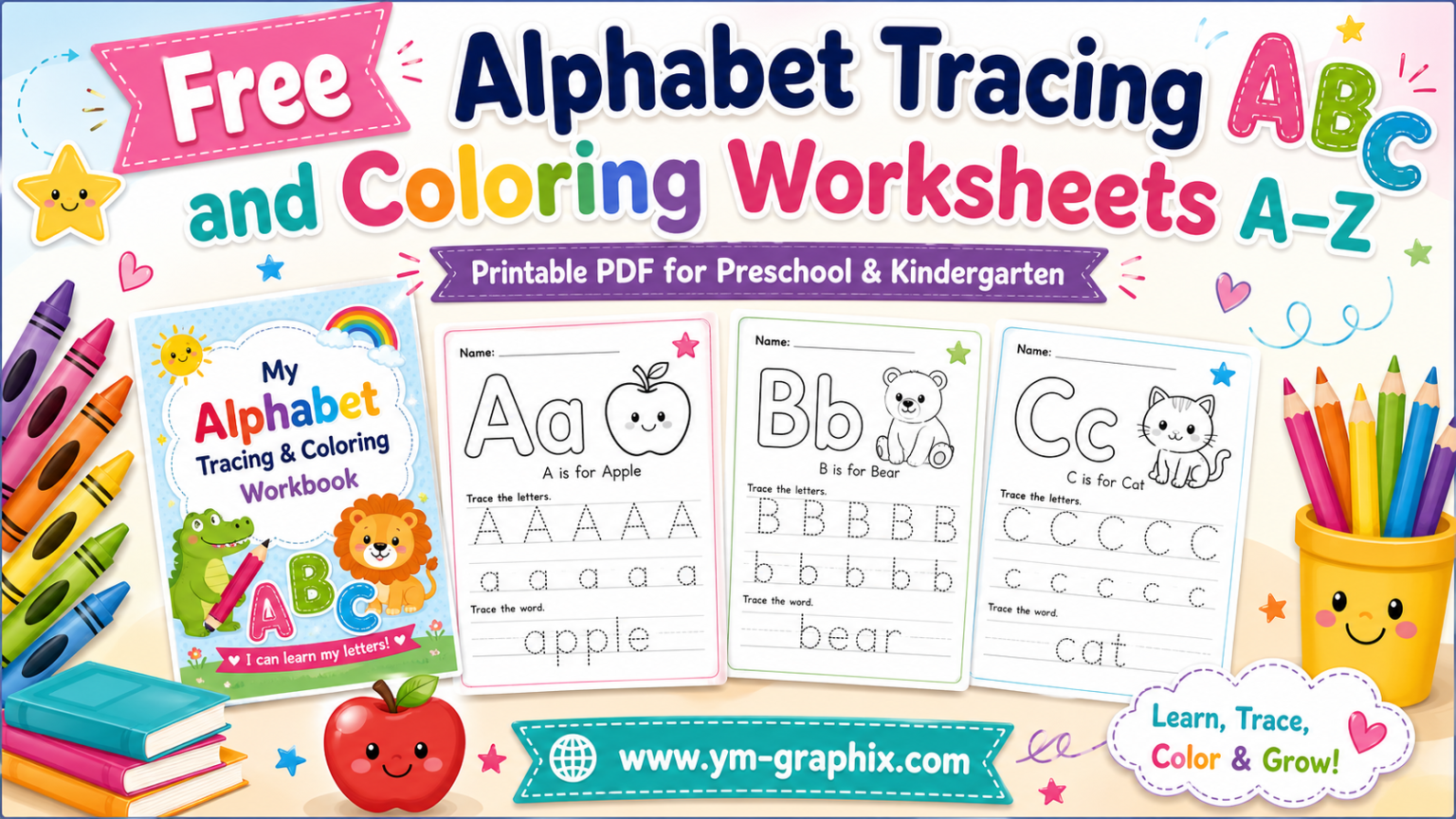
Inconsistent stroke sequence and premature letter introduction remain the most frequent obstacles encountered during early childhood writing instruction. Educators must actively supervise practice sessions to prevent children from drawing letters from the bottom upward, which impedes long-term writing speed and legibility. Transitioning learners to specialized tracing worksheets provides the structured visual scaffolding necessary to correct poor directional habits before permanent muscle memory forms.
💬 Frequently Asked Questions
Explore More Free Handwriting and Character Worksheets
Accessing high-quality educational resources empowers educators and parents to build robust foundational skills in early learners. Explore the expanding library of structured writing packets, personalized name practice worksheets, and curriculum-aligned printables directly at CharacterWritingWorksheets.com.
Worksheet Previews & Reference Materials