Introduction
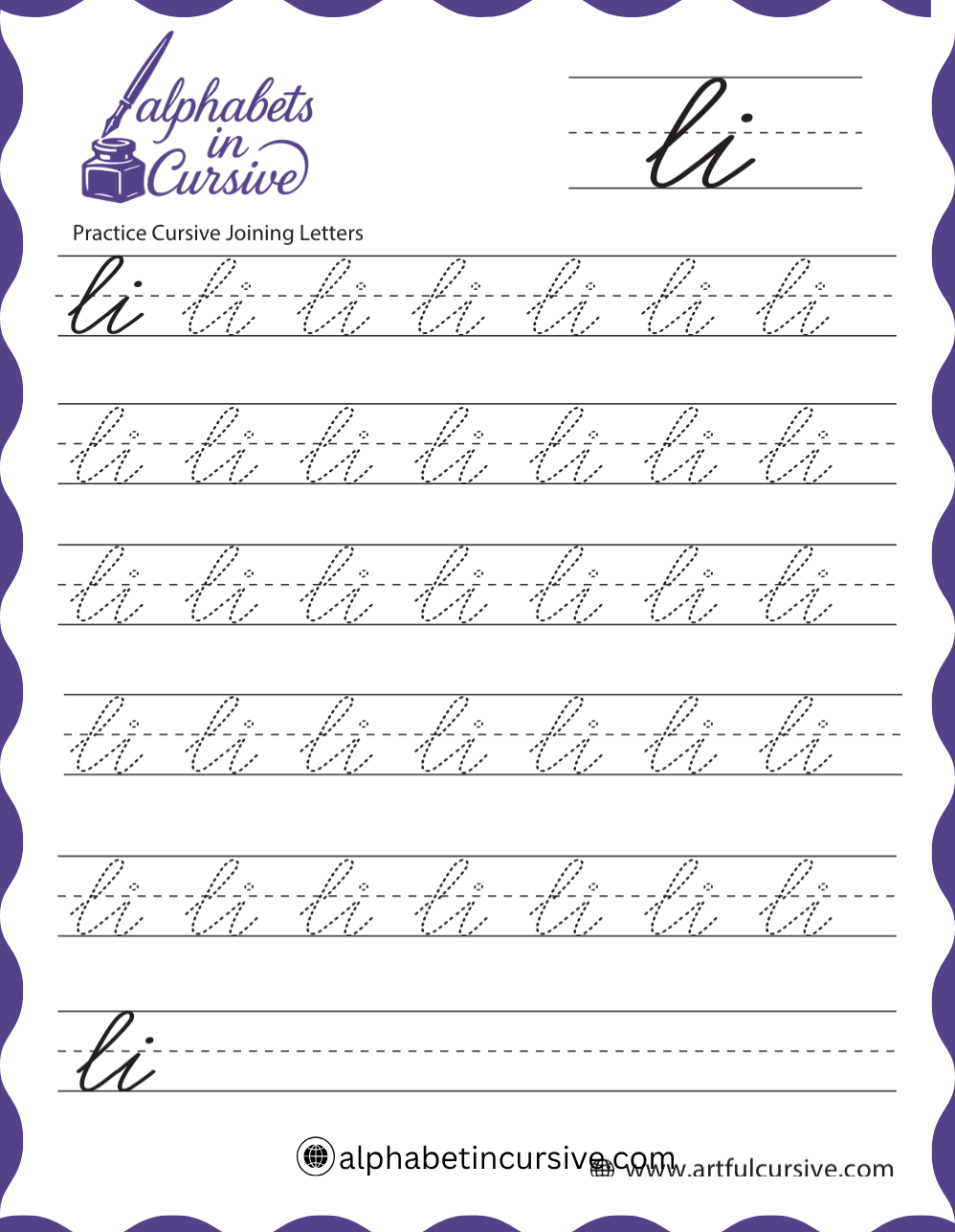
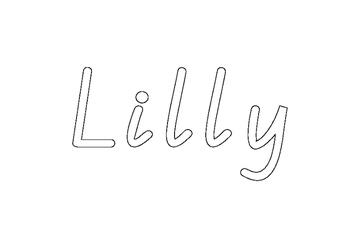
Mastering cursive script requires more than basic pencil movement; it demands rhythmic fluidity, consistent letter sequencing, and precise visual-motor integration. When children encounter specialized cursive resources like the free printable worksheet “lilly in bold cursive writing,” they step into a structured visual landscape designed to bridge the gap between printed letters and flowing connected text. According to Reading Rockets, explicit handwriting instruction supports cognitive development by reinforcing letter-sound relationships and building automaticity, which frees up working memory for higher-level composition. Watching a child attempt their first connected loops often reveals tension in the tiny muscles of the hand, making targeted practice sheets essential for building both muscle memory and lasting physical confidence.
💡 Educational Key Takeaways:
- Core Skill: Structured Lilly In Bold Cursive Writing focused on developing pencil grip, stroke control, and early literacy/math confidence.
- Target Scope: Suited for homeschoolers, preschool, kindergarten, and elementary learners.
- Best Recommendation: Practice 10–15 minutes daily with ergonomic writing tools to reinforce muscle memory without hand fatigue.
What This Worksheet Covers
This specific instructional material focuses heavily on accurate letter formation, continuous stroke execution, and proper spacing within the distinctive framework of bold cursive connections. Transitioning from print to cursive can feel overwhelming to young learners who are accustomed to stopping and lifting the pencil after every single character. Here’s what makes this worksheet different: the bold styling provides high-contrast visual boundaries that guide the eyes and hands along the correct trajectory, reducing cognitive fatigue during extended writing sessions. Integrating these targeted printables alongside standard Name Practice Worksheets helps learners bridge personal identity with formal script mastery.
Key Learning Outcomes
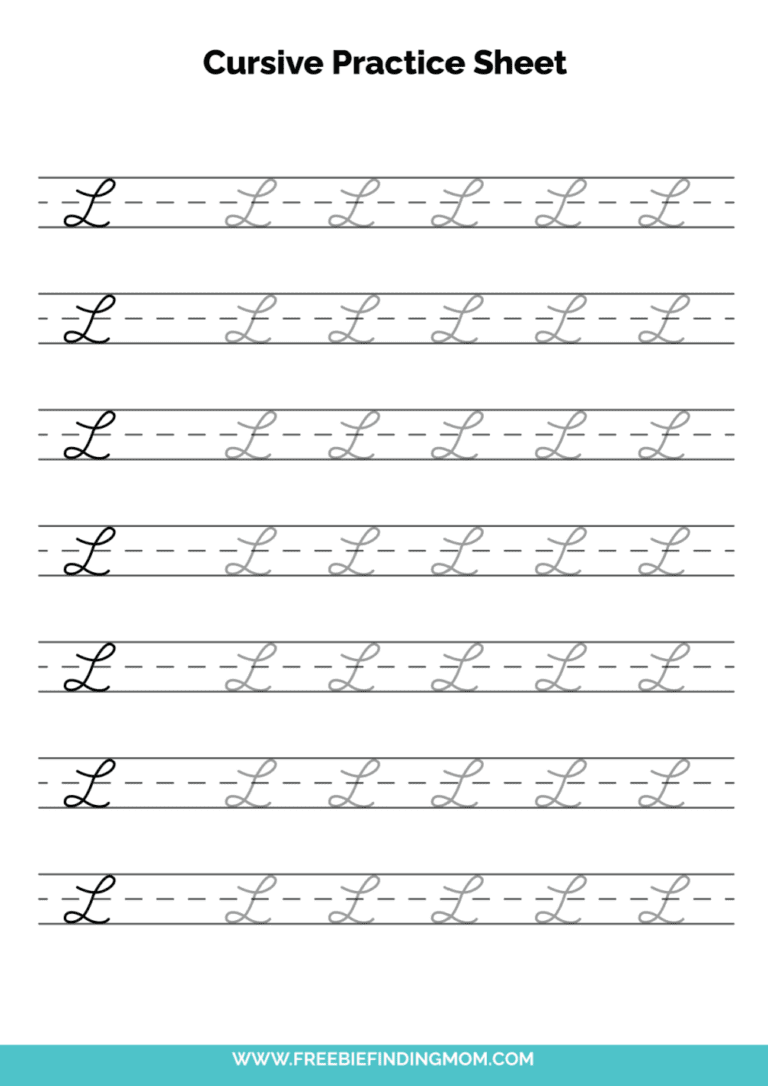
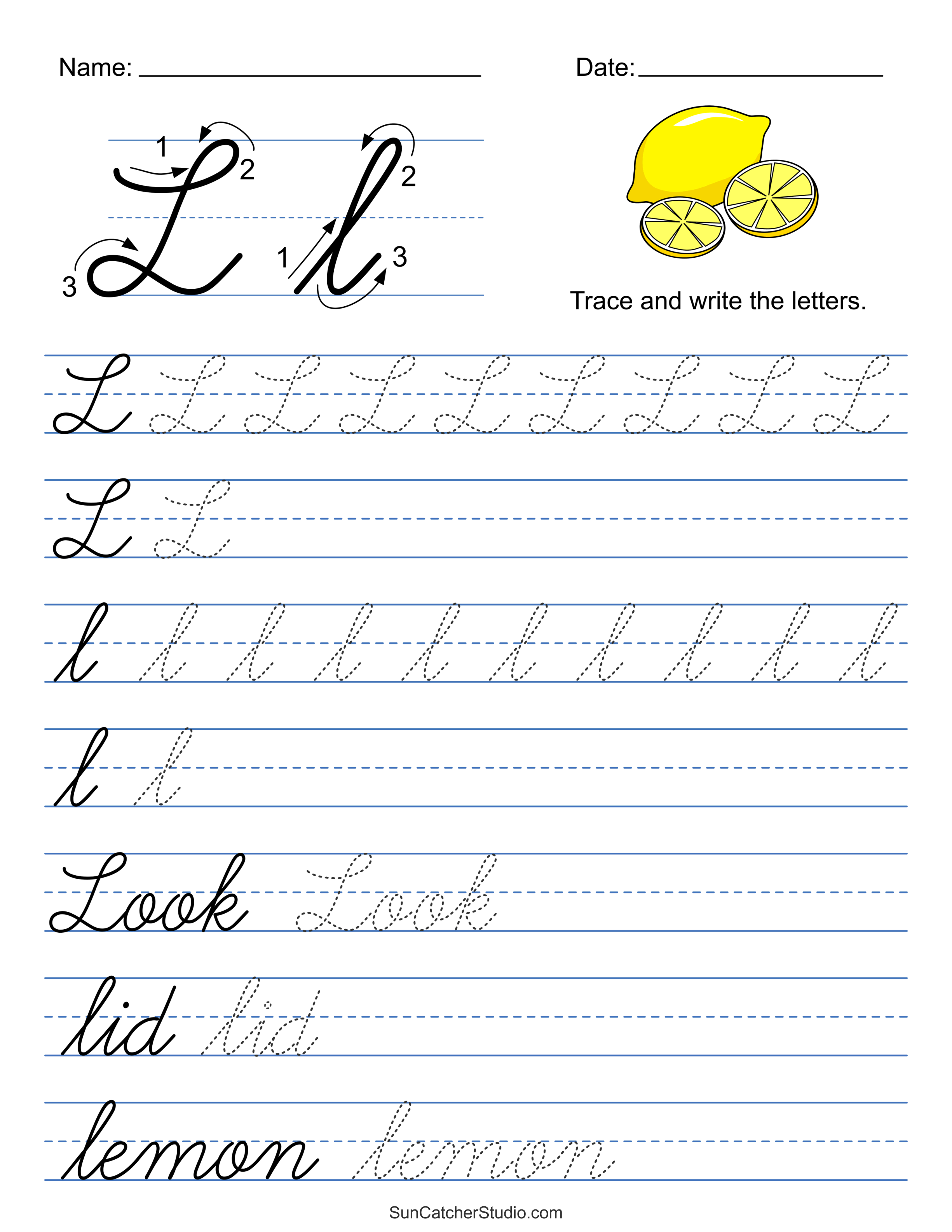
Steady repetition of bold cursive strokes refines bilateral hand coordination and strengthens the intrinsic muscles required for sustained pencil control. As children trace and replicate the targeted word, they actively internalize directional habits such as upward slant, baseline alignment, and fluid exit strokes. Educators frequently notice that children who struggle with erratic letter sizing benefit immensely from the thickened visual cues found in bold script layouts. Exploring broader collections like Letter Writing Worksheets offers additional opportunities to reinforce these emerging script mechanics across different alphabetic combinations.
How to Use This Worksheet
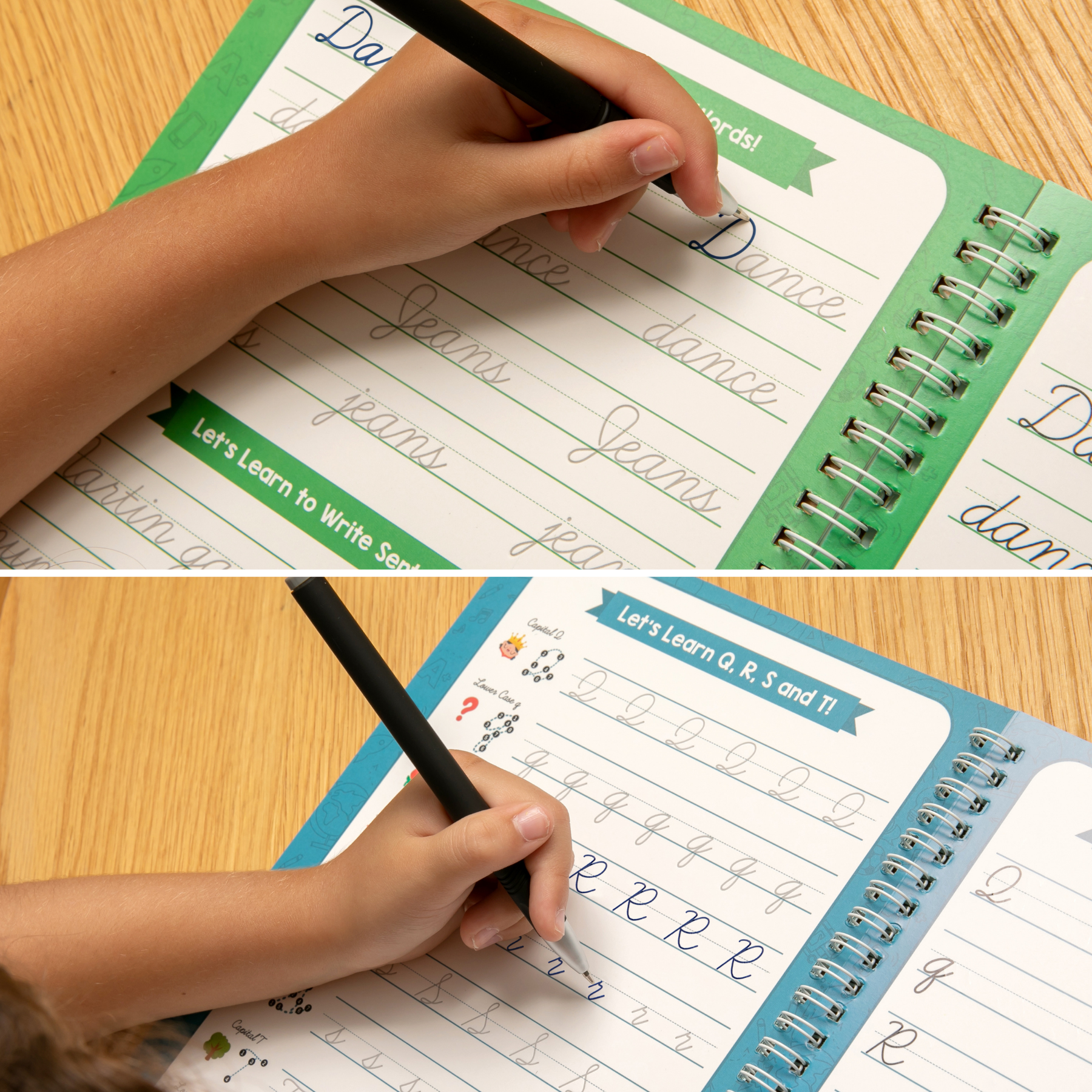
Successful implementation begins with posture and ergonomic positioning, ensuring feet rest flat on the floor and paper is tilted at a comfortable angle matching the natural slant of the writing hand. Adults should encourage a functional grasp, whether using a tripod or quadruped hold, while discouraging excessive white-knuckle pressure that leads to hand cramping. It sounds simple, and that’s the point: allowing children to trace the bold letters with an index finger before touching a writing utensil primes the neural pathways for successful execution. Transitioning from tactile tracing to dry-erase sleeves and finally to standard paper maximizes the reuse value of these educational materials.
Practical Tips for Parents and Teachers
Short, frequent practice sessions yield significantly better results than marathon writing drills that induce fatigue and frustration. Setting aside five to ten minutes daily keeps engagement high and prevents the breakdown of proper stroke mechanics. According to the American Occupational Therapy Association (AOTA), functional fine motor tasks must be meaningful and scaffolded carefully to prevent frustration, ensuring children remain motivated during skill acquisition. Pairing the primary tracing tasks with supplementary materials from the Tracing Worksheets directory reinforces foundational pre-writing strokes for younger learners.
Age-Appropriate Recommendations
Introducing bold cursive writing aligns best with late second-grade or early third-grade developmental milestones, specifically matching the Handwriting Without Tears framework, which emphasizes smooth transitions from simplified print styles into structured cursive instruction. At this stage, children possess the necessary visual-perceptual maturity to distinguish between similarly shaped cursive connectors, such as lowercase ‘l’, ‘i’, and ‘y’. Pushing these advanced cursive demands too early onto kindergarteners or young first-graders often results in poor grip habits and heightened anxiety around writing tasks. Educators must continually assess readiness by evaluating hand strength, endurance, and the ability to maintain uniform letter proportions on standard lined paper.
Explicit cursive instruction enhances fine motor automaticity and visual-spatial organization — American Occupational Therapy Association (AOTA)
Frequently Asked Questions
Parents and educators frequently navigate specific logistical and developmental questions when introducing bold cursive practice materials to developing writers. Clear guidance ensures that practice sessions remain productive, frustration-free, and directly aligned with established educational standards for fine motor development. Reviewing these common inquiries helps optimize the learning experience at home or inside a busy classroom environment.
Explore More Free Printable Worksheets
Expanding a child’s writing repertoire requires a diverse array of supplemental activities tailored to different developmental stages and interests. Discover additional resources across various categories to support comprehensive early childhood development, including specialized Preschool Worksheets for foundational readiness. Browse the complete catalog of free educational Worksheets to build a customized, engaging curriculum that keeps young learners motivated every single day.
Developmental Milestone & Activity Table
| Development Stage | Recommended Daily Duration | Primary Learning Objective |
|---|---|---|
| Preschool & Pre-K | 10 – 15 Minutes | Pencil grip development & basic pre-stroke lines |
| Kindergarten | 15 – 20 Minutes | Letter/number formation & spatial line awareness |
| Early Elementary (Grade 1–2) | 20 – 30 Minutes | Fluency, sentence construction & neatness |
Images References