Introduction
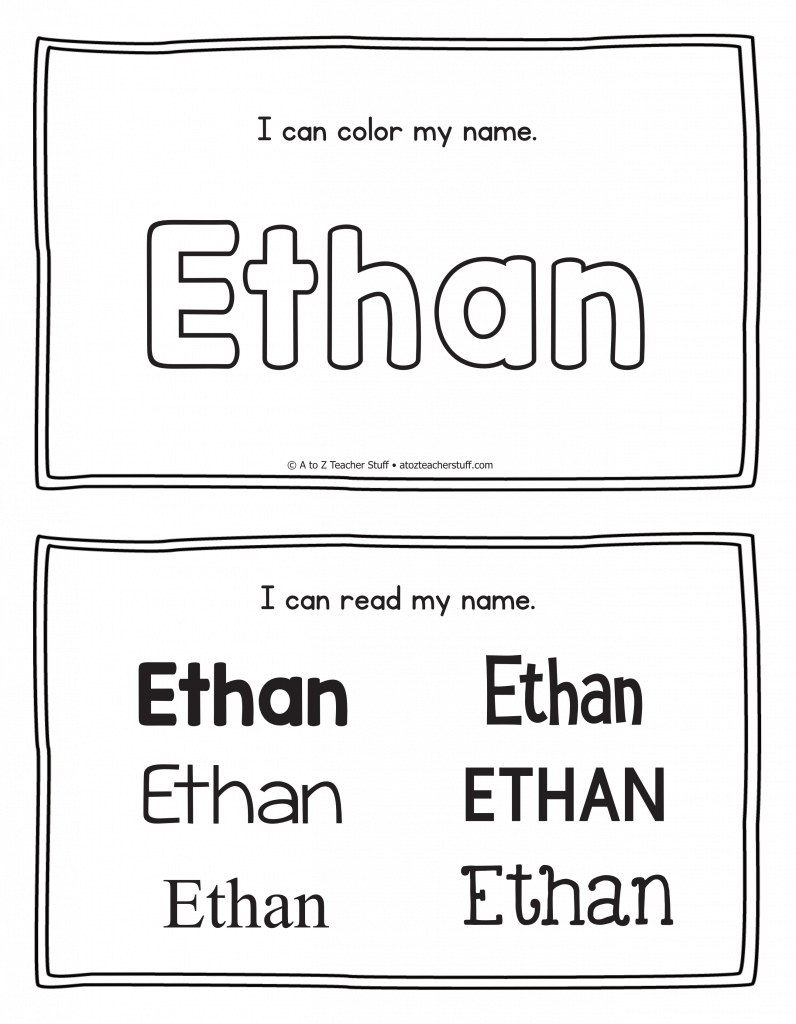
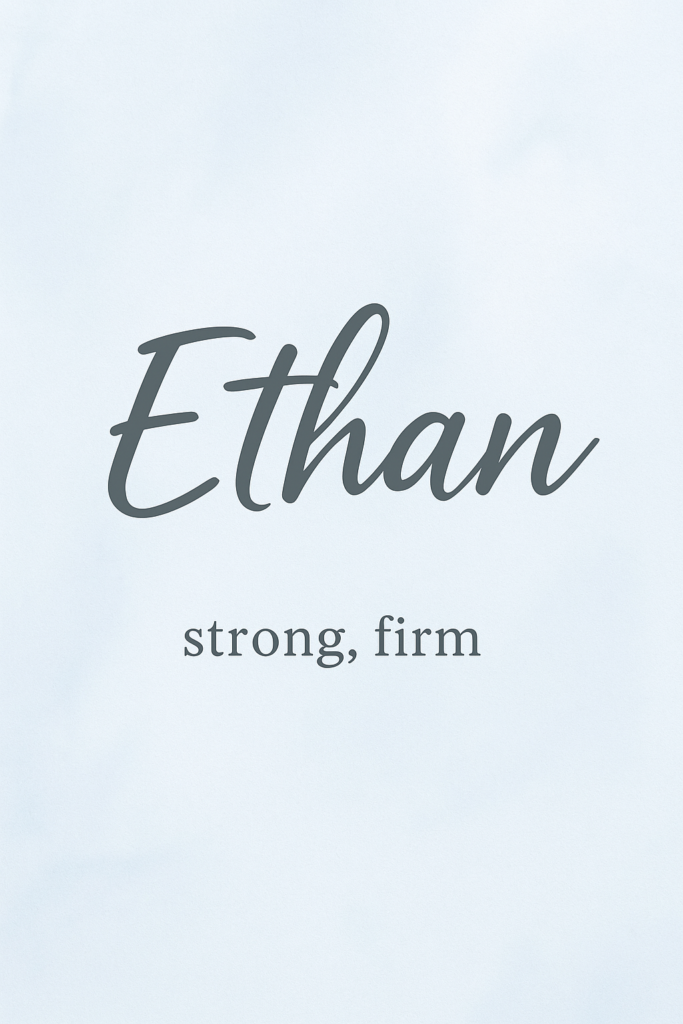
Mastering personal identification represents a monumental milestone in early childhood development. When young learners sit down with the free printable worksheet “how to write the name ethan,” the process involves far more than simply copying letters onto a blank line. Occupational therapists frequently observe that a child’s eyes light up upon successfully completing their own name for the very first time. This specific name holds phonetic and visual significance, featuring a strong initial vowel sound paired with distinct consonant strokes. Utilizing targeted Name Practice Worksheets helps bridge the gap between abstract alphabetical shapes and a deeply personal linguistic identity. Handwriting acquisition is fundamentally tied to cognitive growth, motor planning, and emotional confidence.
💡 Educational Key Takeaways:
- Core Skill: Structured How To Write The Name Ethan focused on developing pencil grip, stroke control, and early literacy/math confidence.
- Target Scope: Suited for homeschoolers, preschool, kindergarten, and elementary learners.
- Best Recommendation: Practice 10–15 minutes daily with ergonomic writing tools to reinforce muscle memory without hand fatigue.
What This Worksheet Covers
The instructional layout targets letter sequencing, stroke order consistency, and spatial awareness across multiple targeted repetitions. Beginning with a capital ‘E’, the layout guides the learner through horizontal and vertical line intersections that demand high-level pencil control. Transitioning to the lowercase ‘t’, ‘h’, ‘a’, and ‘n’ requires precise scaling to ensure proper proportions between tall letters and body letters. According to Reading Rockets, explicit instruction in letter formation is essential because automaticity in writing frees up cognitive space for broader creative expression and comprehension. Children benefit immensely from structured practice that emphasizes correct starting points rather than rushed completion. Exploring related Letter Writing Worksheets offers additional reinforcement for individual character mastery outside the context of a full personal identifier.
Key Learning Outcomes
Consistent interaction with this resource yields measurable improvements in fine motor dexterity and visual-motor integration. Learners build foundational muscle memory in the intrinsic muscles of the hand, which supports sustained pencil grasps without fatigue. Furthermore, recognizing the sequential order of letters reinforces fundamental phonics concepts and early literacy readiness. Teachers often notice that children who master writing their own name transition more smoothly into spelling broader sight words. Additional developmental reinforcement can be found by integrating various Preschool Worksheets into daily learning centers to target supplementary pre-writing skills.
How to Use This Worksheet
Scaffolding the learning process prevents frustration and promotes healthy pencil habits from the very beginning. Adults should observe the child’s grip to ensure fingers remain positioned near the writing tip rather than choking up or wrapping awkwardly around the shaft. It sounds simple, and that’s the point: short, frequent sessions yield drastically better retention than prolonged, exhausting drills. Initial attempts might benefit from tactile tracing, such as having the child trace the large letters with a finger or inside a tray filled with salt or sand. Progressing from dotted tracing lines to independent freehand generation ensures a natural reduction in visual prompts over time. For foundational pencil control exercises prior to letter generation, utilizing targeted Tracing Worksheets establishes the necessary stroke fluidity.
Practical Tips for Parents and Teachers
Creating an optimal workspace heavily influences a child’s posture and subsequent writing endurance during practice sessions. Feet should rest flat on the floor or a stable footrest, while the table height should align comfortably near the child’s mid-chest level. Encouraging verbalization of the strokes—such as “big line down, little lines across” for the capital letter—activates auditory processing alongside visual and kinesthetic pathways. Slanting the paper slightly to match the natural angle of the child’s forearm prevents wrist bending and preserves visual access to the work. Celebrating small victories, such as a well-formed vowel or steady spacing between characters, fuels intrinsic motivation to keep trying.
Age-Appropriate Recommendations
Developmental readiness dictates how deeply a child engages with personal name writing activities. According to the National Association for the Education of Young Children (NAEYC) Developmentally Appropriate Practice guidelines, four- and five-year-olds are typically refining their grasp patterns and expanding their ability to control intentional marks on paper. Younger toddlers aged two to three may benefit more from gross motor pre-writing activities or simple Coloring Worksheets to build foundational hand strength. Educators should assess individual fine motor maturity rather than relying strictly on chronological age when introducing multi-step spelling templates. Providing adaptive writing utensils, such as triangular pencils or supportive grips, can accommodate diverse sensory and physical profiles.
According to the American Occupational Therapy Association (AOTA), purposeful fine motor activities embedded in meaningful contexts, such as writing one’s own name, significantly enhance skill acquisition and child engagement in educational environments. — American Occupational Therapy Association (AOTA)
Frequently Asked Questions
Clear guidance assists caregivers in maximizing the educational impact of printable writing materials. The following responses address common inquiries regarding accessibility, skill development, and professional guidelines for teaching young writers.
For educators seeking a comprehensive library of developmental resources, exploring broader educational Worksheets ensures a well-rounded curriculum tailored to early childhood milestones.
Explore More Free Printable Worksheets
Expanding a child’s early learning journey involves incorporating diverse writing challenges that target different developmental domains. Whether focusing on gross pre-writing strokes, individual letter recognition, or complex spelling sequences, structured practice builds lasting academic confidence. Caregivers are encouraged to browse our complete collection of educational printables designed to support children every step of the way.
Developmental Milestone & Activity Table
| Development Stage | Recommended Daily Duration | Primary Learning Objective |
|---|---|---|
| Preschool & Pre-K | 10 – 15 Minutes | Pencil grip development & basic pre-stroke lines |
| Kindergarten | 15 – 20 Minutes | Letter/number formation & spatial line awareness |
| Early Elementary (Grade 1–2) | 20 – 30 Minutes | Fluency, sentence construction & neatness |
Images References