Introduction
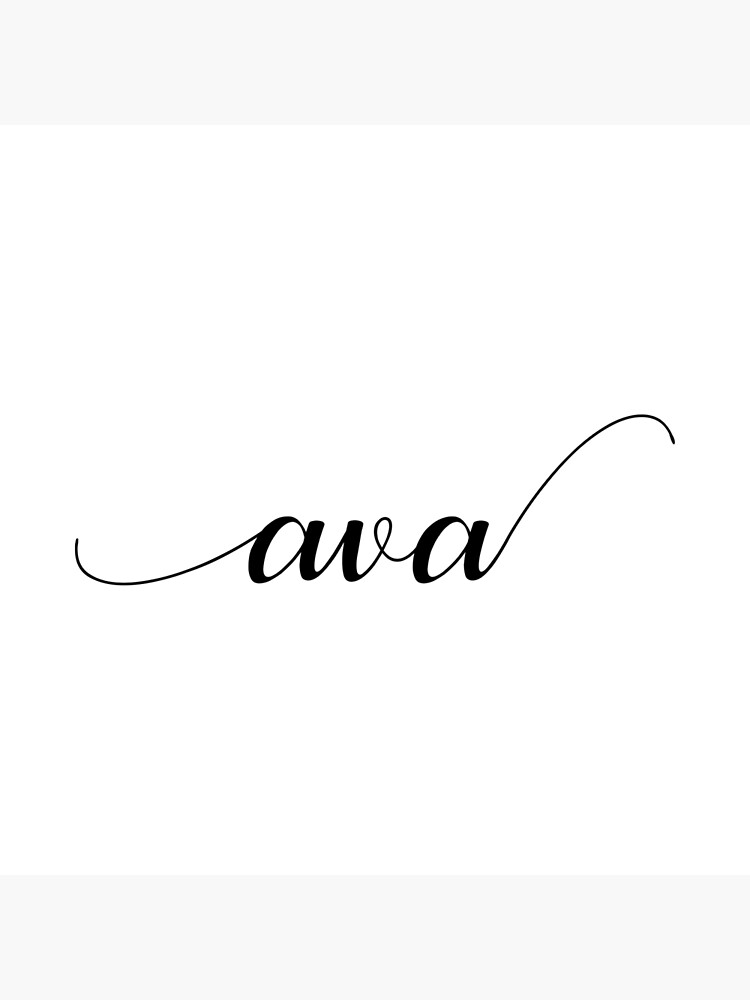
Mastering cursive script requires a delicate balance of fluid motion, spatial awareness, and continuous pencil control that can challenge developing hands. When young learners encounter unique proper nouns and specific stylistic prompts, the traditional mechanics of handwriting intersect with artistic expression. The free printable worksheet “how to draw avea in cursive” bridges this exact gap, offering targeted practice for children who are ready to transition beyond basic manuscript printing. Observing a child struggle with connection strokes often reveals underlying fatigue in the intrinsic muscles of the hand, making structured practice sheets invaluable for building both physical endurance and neurological pathways for legible writing.
💡 Educational Key Takeaways:
- Core Skill: Structured How To Draw Avea In Cursive focused on developing pencil grip, stroke control, and early literacy/math confidence.
- Target Scope: Suited for homeschoolers, preschool, kindergarten, and elementary learners.
- Best Recommendation: Practice 10–15 minutes daily with ergonomic writing tools to reinforce muscle memory without hand fatigue.
What This Worksheet Covers
Letter formation, stroke order, and proportional spacing take center stage in this instructional layout designed specifically for growing writers. Unlike isolated manuscript letters, cursive demands continuous line flow, where the end of one glyph immediately dictates the entry point of the next. Children learn to navigate upward loops, downward slants, and careful transitional connectors that define fluent script. Exploring these fluid patterns strengthens dynamic tripod grasps, moving the workload from the awkward whole-arm movements of toddlers to the mature, dexterous finger and wrist movements required for academic stamina. Educators frequently notice that when children slow down to trace interconnected letterforms, their overall attention to baseline alignment and letter sizing improves dramatically across all subjects.
Key Learning Outcomes
Repeated engagement with guided tracing paths yields measurable improvements in motor memory and visual-motor integration. As children trace the flowing lines required to form the name Avea, they internalize the directional habits that prevent common reversals and erratic letter sizing. According to the American Occupational Therapy Association, foundational fine motor activities directly support classroom participation and academic success by enabling students to execute everyday writing tasks without undue physical strain. Furthermore, mastering specific sequential strokes builds self-regulation, as learners must slow down and concentrate to keep their writing instrument on the designated path.
How to Use This Worksheet
Successful implementation begins with setting up an ergonomic workspace where the child’s feet rest flat on the floor and the hips and elbows form comfortable ninety-degree angles. Adults should encourage a relaxed, dynamic tripod grasp, ensuring the pencil rests gently against the middle finger while the thumb and index finger control the tip. Before touching the writing instrument to the paper, guiding the child to trace the letterforms with a clean index finger helps engage kinesthetic memory through tactile feedback. It sounds simple, and that’s the point: multisensory preparation dramatically increases the likelihood of a successful, frustration-free writing session.
Practical Tips for Parents and Teachers
Breaking practice sessions into short, five-to-ten-minute intervals prevents the hand cramping and cognitive fatigue that frequently derail early writing instruction. Utilizing a variety of writing mediums—such as short crayons, weighted pencils, or specialized markers—can instantly alter muscle engagement and correct awkward compensatory grasps without turning practice into a battle of wills. Integrating these focused pages into a broader routine that includes Letter Writing Worksheets ensures learners receive a well-rounded foundation in both manuscript and cursive scripts. Positive reinforcement should focus on effort, smooth transitions, and proper posture rather than demanding immediate perfection on every single line.
Age-Appropriate Recommendations
Introducing cursive connection strokes is most effective when aligned with established developmental frameworks, such as the National Association for the Education of Young Children Developmentally Appropriate Practice guidelines, which emphasize building skills in sequence with a child’s readiness rather than a rigid calendar age. Typically, children between the ages of seven and eight possess the necessary visual-motor maturity, bilateral coordination, and hand arch strength to tackle interconnected script without undue muscle strain. Younger children in preschool benefit far more from gross motor pre-writing patterns found within Preschool Worksheets before ever attempting the intricate loops required for cursive names. Pushing cursive instruction too early often results in frustrated learners who adopt tense, inefficient finger habits that prove remarkably difficult to correct later in elementary school.
Foundational fine motor activities directly support academic success by enabling students to execute everyday writing tasks without undue physical strain — American Occupational Therapy Association (AOTA)
Frequently Asked Questions
How can this worksheet be downloaded and printed for classroom or home use? Downloading is simple: select the direct PDF link, save the file to any digital device, and print it using standard letter-size paper with scaling set to actual size for accurate proportions. Does this resource support broader writing development? Yes, by emphasizing continuous stroke flow and baseline orientation, it strengthens the exact hand muscles and motor pathways needed for advanced cursive fluency. What do early childhood health guidelines say about writing readiness? According to the Centers for Disease Control and Prevention, developing fine motor skills like using pencils and scissors is a critical developmental milestone that relies heavily on consistent, supportive practice opportunities during early childhood.
Explore More Free Printable Worksheets
Expanding a child’s writing repertoire requires access to a diverse array of targeted practice materials that keep engagement high and boredom low. Exploring structured Name Practice Worksheets provides personalized motivation, while incorporating playful Coloring Worksheets builds the hand strength and bilateral coordination necessary for all advanced writing tasks. Educators and parents can browse the complete library of free resources by visiting the main hub of Worksheets to find customized printables for every stage of early childhood development.
Developmental Milestone & Activity Table
| Development Stage | Recommended Daily Duration | Primary Learning Objective |
|---|---|---|
| Preschool & Pre-K | 10 – 15 Minutes | Pencil grip development & basic pre-stroke lines |
| Kindergarten | 15 – 20 Minutes | Letter/number formation & spatial line awareness |
| Early Elementary (Grade 1–2) | 20 – 30 Minutes | Fluency, sentence construction & neatness |
Images References