Introduction
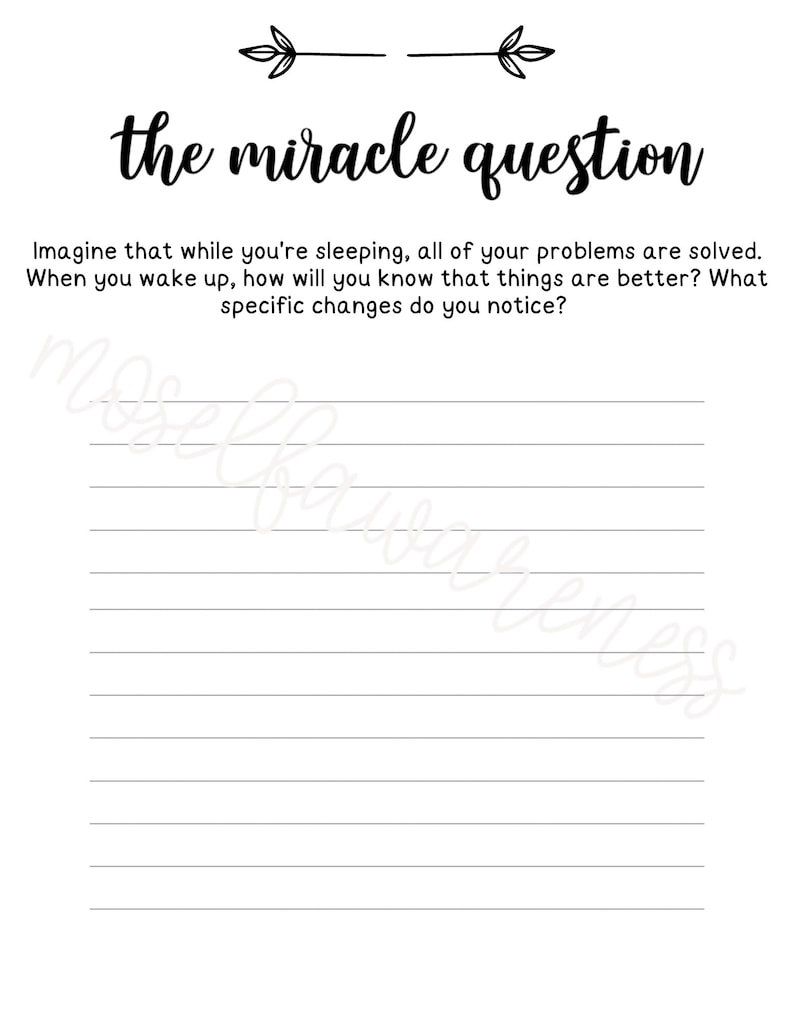
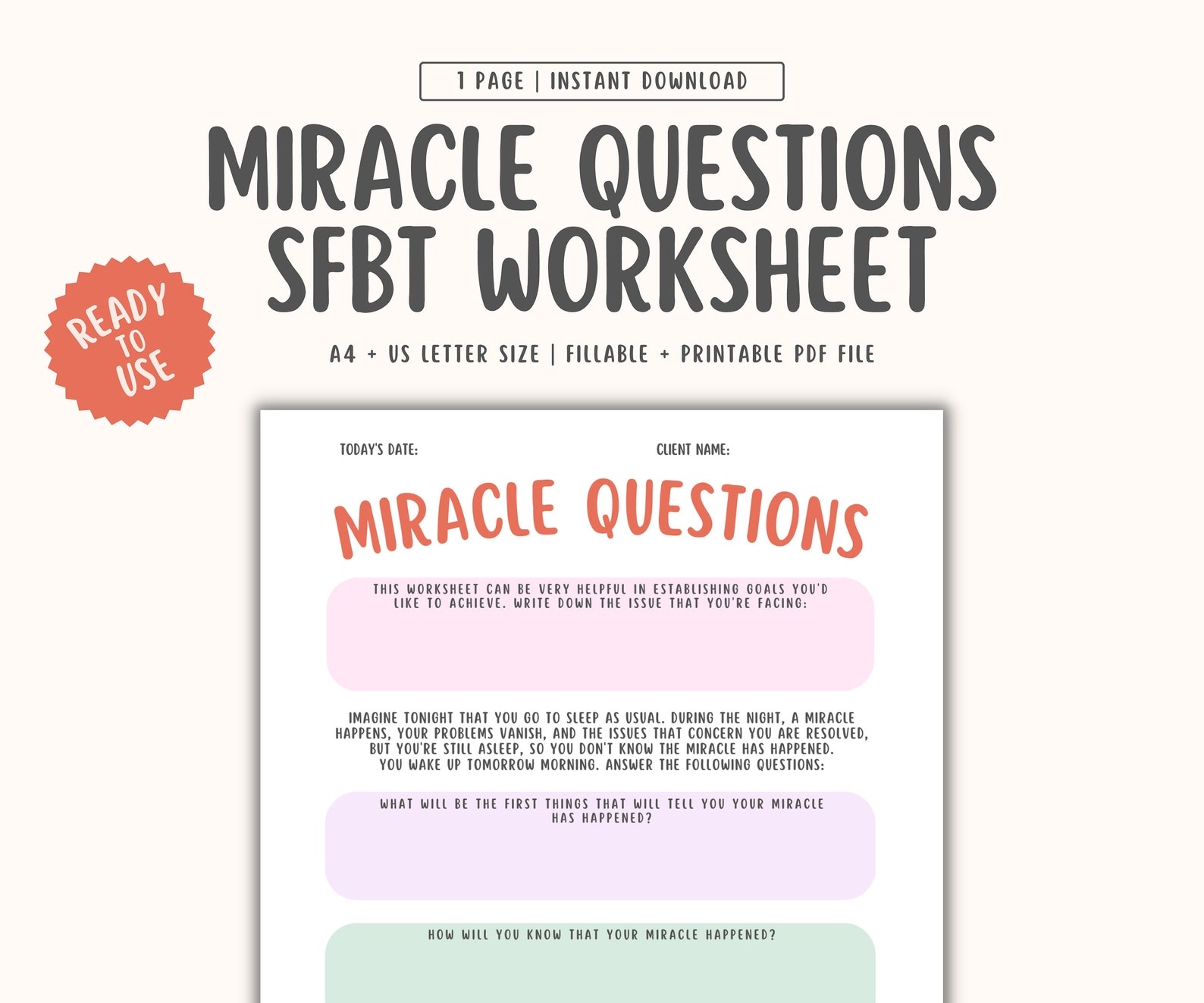
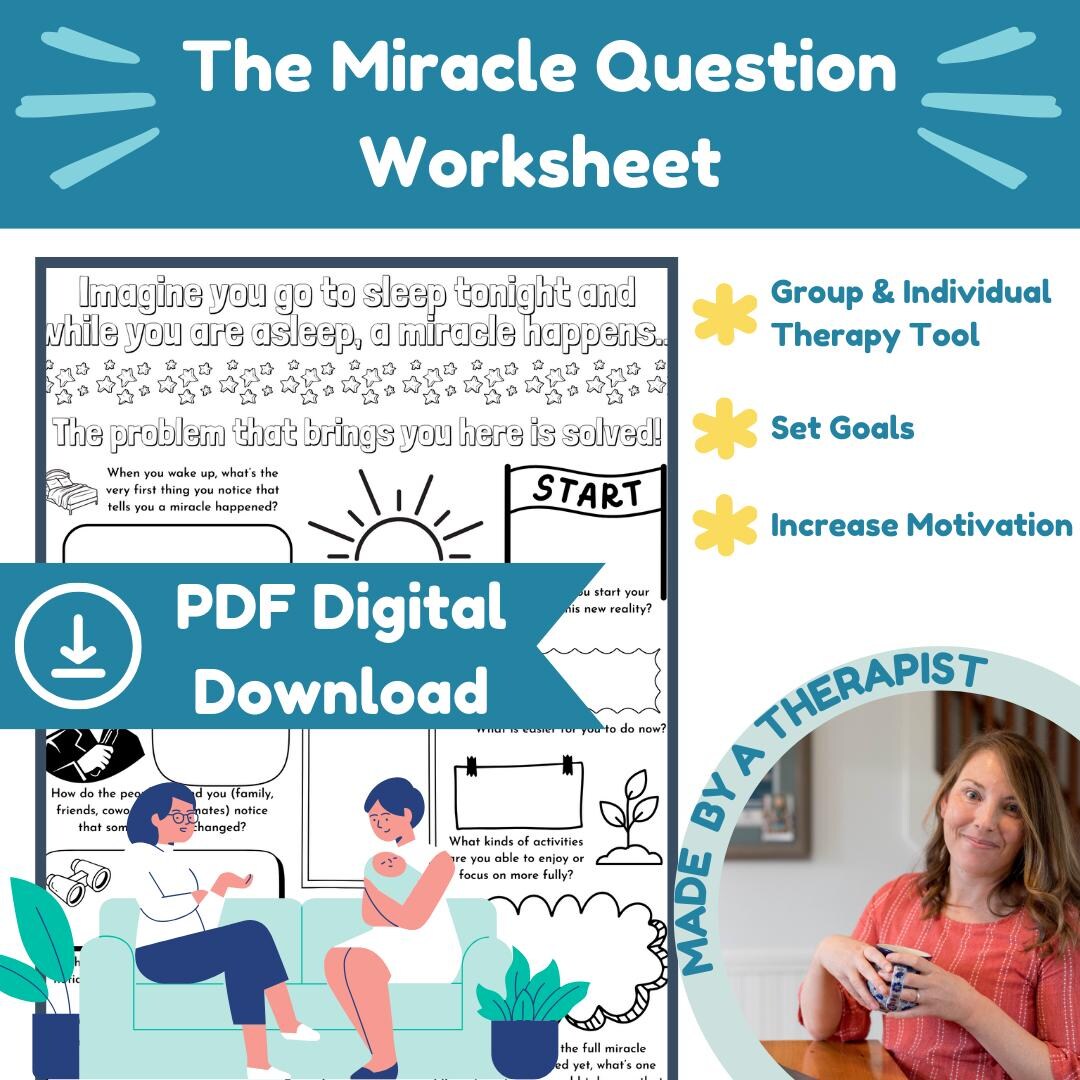
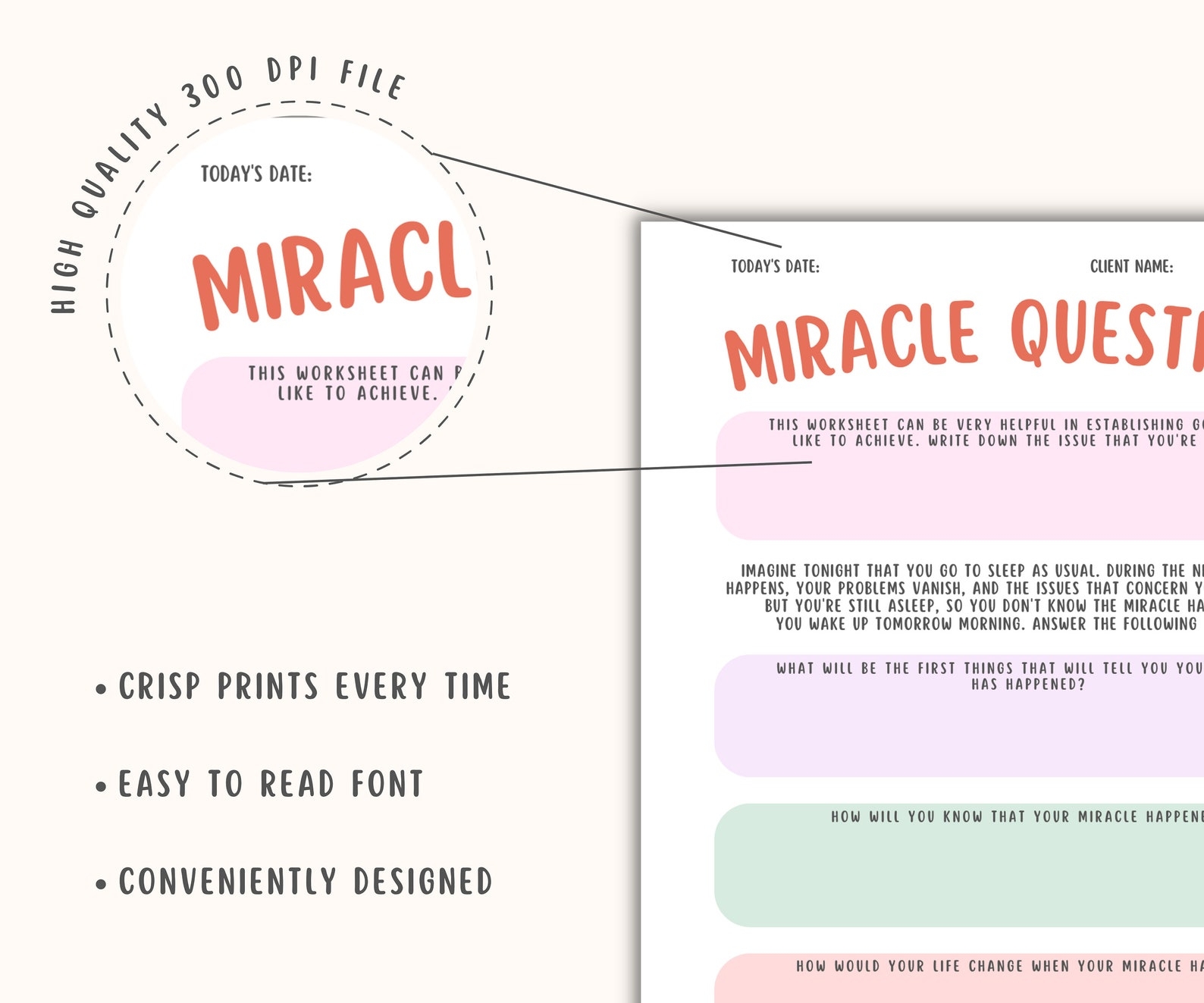
Guiding young children through early literacy and foundational motor milestones requires tools that balance intentional design with genuine engagement. The miracly question worksheet bridges this gap seamlessly, offering children an interactive pathway to build essential pencil control, spatial awareness, and cognitive flexibility. Observing a child struggle with premature letter formation often signals a missing link in pre-writing stroke fluency, making targeted resources indispensable for classrooms, homeschool environments, and clinical therapy rooms alike. It sounds simple, and that’s the point: purposeful repetition paired with visual curiosity unlocks independent learning.
💡 Educational Key Takeaways:
- Core Skill: Structured Miracly Question Worksheet focused on developing pencil grip, stroke control, and early literacy/math confidence.
- Target Scope: Suited for homeschoolers, preschool, kindergarten, and elementary learners.
- Best Recommendation: Practice 10–15 minutes daily with ergonomic writing tools to reinforce muscle memory without hand fatigue.
What This Worksheet Covers
Every successful learning session rests on comprehensive skill scaffolding, and this resource targets the fundamental components required for robust literacy acquisition. Children navigate structured visual paths that demand precise hand-eye coordination, finger isolation, and visual-spatial planning. As educators frequently witness during early writing centers, a child who masters horizontal, vertical, and diagonal strokes on paper transitions much smoother into forming complex graphemes. Exploring dedicated tracing worksheets further reinforces these exact hand movements.
Key Learning Outcomes
Targeted engagement with the miracly question worksheet yields measurable developmental gains across multiple domains. Fine motor precision improves as tiny hand muscles contract to stabilize writing instruments against resistance. According to the American Occupational Therapy Association, foundational fine motor manipulation tasks directly influence a student’s long-term academic endurance and legible handwriting output. Children also strengthen visual attention span, learning how to track from left to right while maintaining proper postural stability at the table.
How to Use This Worksheet
Implementation flexibility remains a hallmark of effective educational materials, allowing adults to tailor the activity to individual developmental stages. Begin by establishing an optimal seating posture, ensuring feet rest flat on the floor and elbows bend at a comfortable ninety-degree angle. Invite the child to explore the page visually before applying any writing utensil, discussing the imagery to build narrative comprehension. Integrating related resources from broader collections like preschool worksheets adds variety to daily routines without overwhelming developing attention spans.
Practical Tips for Parents and Teachers
Adult facilitation makes all the difference when turning a standard printable into an engaging developmental milestone. Watch for early signs of hand fatigue, such as white-knuckled grips or shifting the paper excessively, and pause the activity for gentle hand stretches before frustration sets in. Encouraging short, joyful bursts of focused work produces far better outcomes than forcing extended practice sessions. Transitioning children to specialized letter writing worksheets once stroke control stabilizes ensures continued, progressive growth.
Age-Appropriate Recommendations
Developmental readiness dictates how children interact with print-based media, making age-appropriate pacing vital for sustained confidence. According to the National Association for the Education of Young Children Developmentally Appropriate Practice guidelines, materials for young learners must align with their current physical capacities and cognitive thresholds rather than rigid chronological expectations. Younger children around ages three and four benefit most from gross motor warm-ups and thick crayons, while older kindergarteners can refine their pencil grasp using standard No. 2 pencils or fine-tipped markers.
Early fine motor manipulation tasks directly influence a student’s long-term academic endurance and legible handwriting output. — American Occupational Therapy Association
Frequently Asked Questions
Navigating early childhood educational tools raises common questions among educators and families seeking the best outcomes for their children.
Explore More Free Printable Worksheets
Expanding an early childhood curriculum requires a diverse library of accessible, high-quality printables designed by developmental specialists. Educators and caregivers can browse comprehensive galleries of worksheets tailored to every developmental stage. Incorporating creative resources such as targeted name practice worksheets ensures that children remain motivated, challenged, and supported throughout their foundational learning journey.
Developmental Milestone & Activity Table
| Development Stage | Recommended Daily Duration | Primary Learning Objective |
|---|---|---|
| Preschool & Pre-K | 10 – 15 Minutes | Pencil grip development & basic pre-stroke lines |
| Kindergarten | 15 – 20 Minutes | Letter/number formation & spatial line awareness |
| Early Elementary (Grade 1–2) | 20 – 30 Minutes | Fluency, sentence construction & neatness |
Images References