Introduction
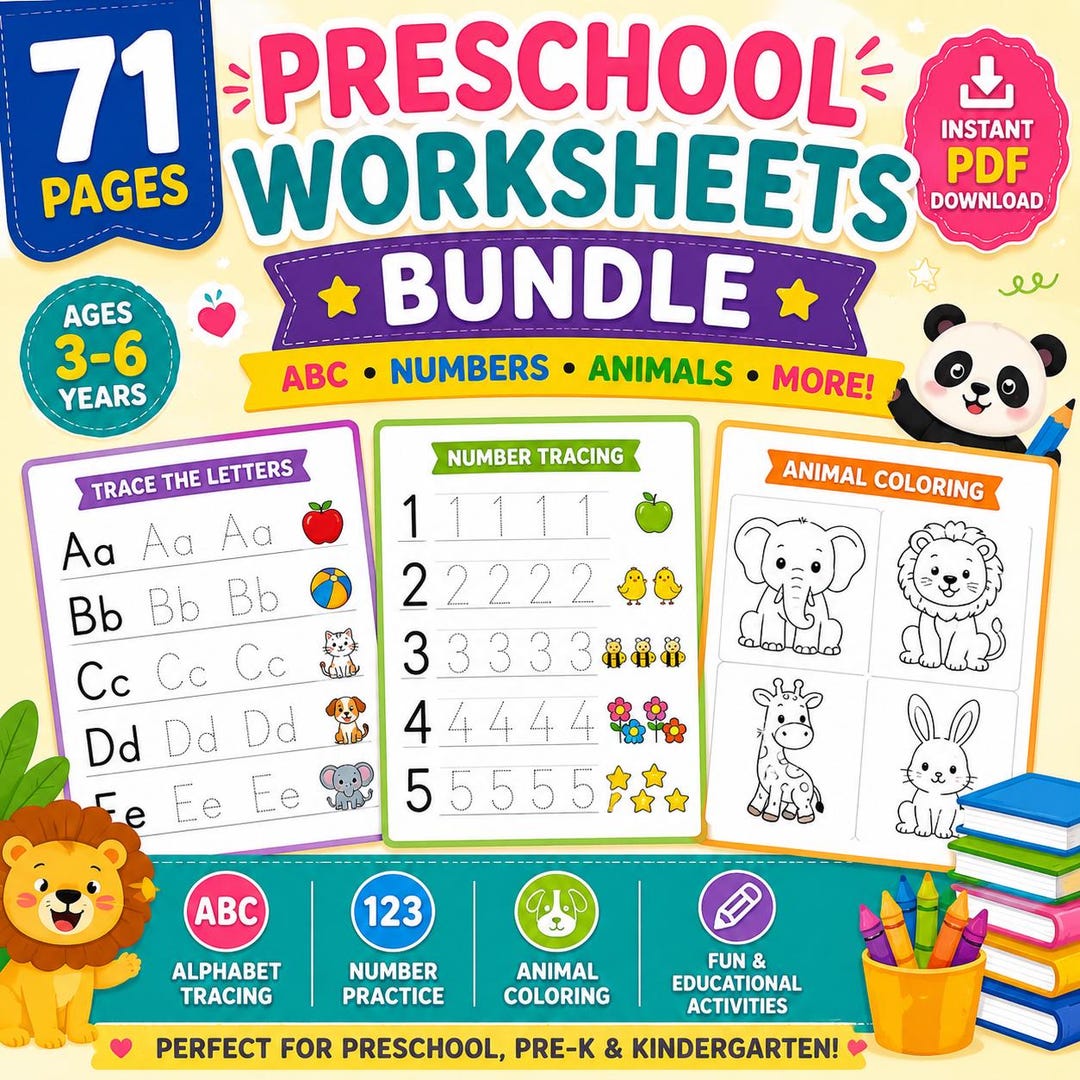
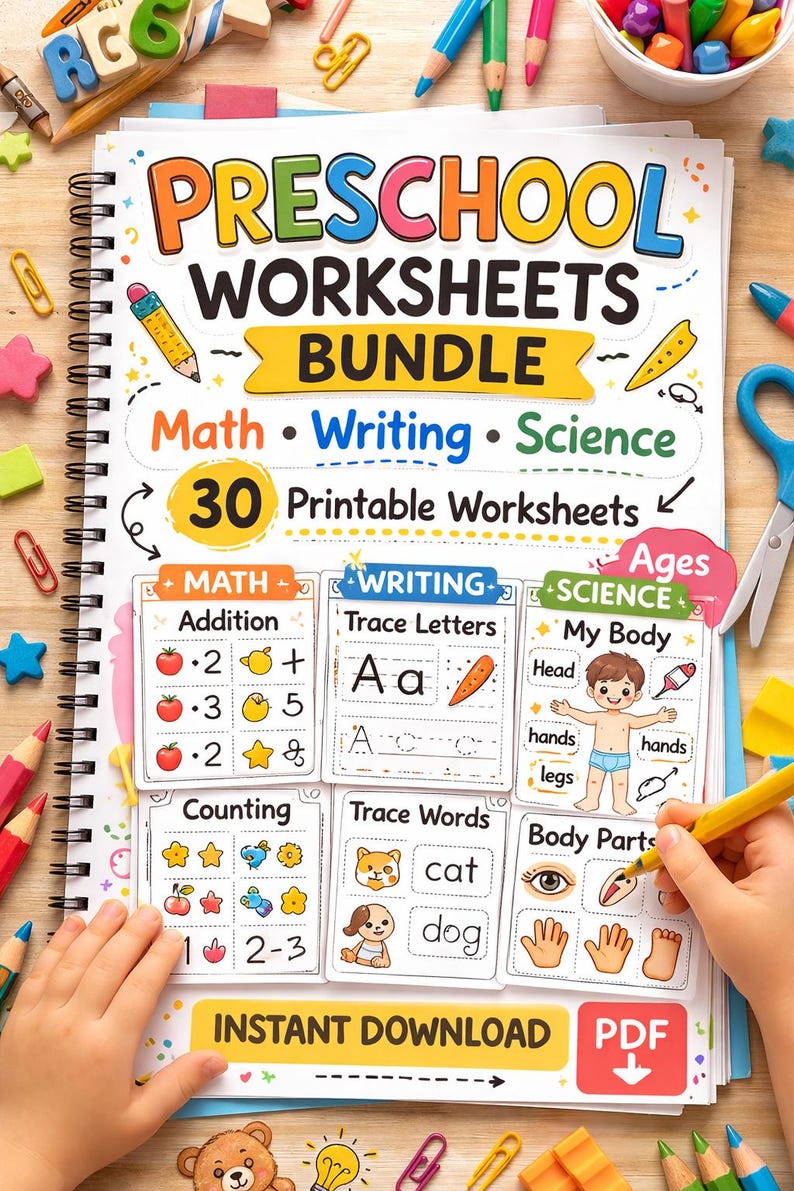
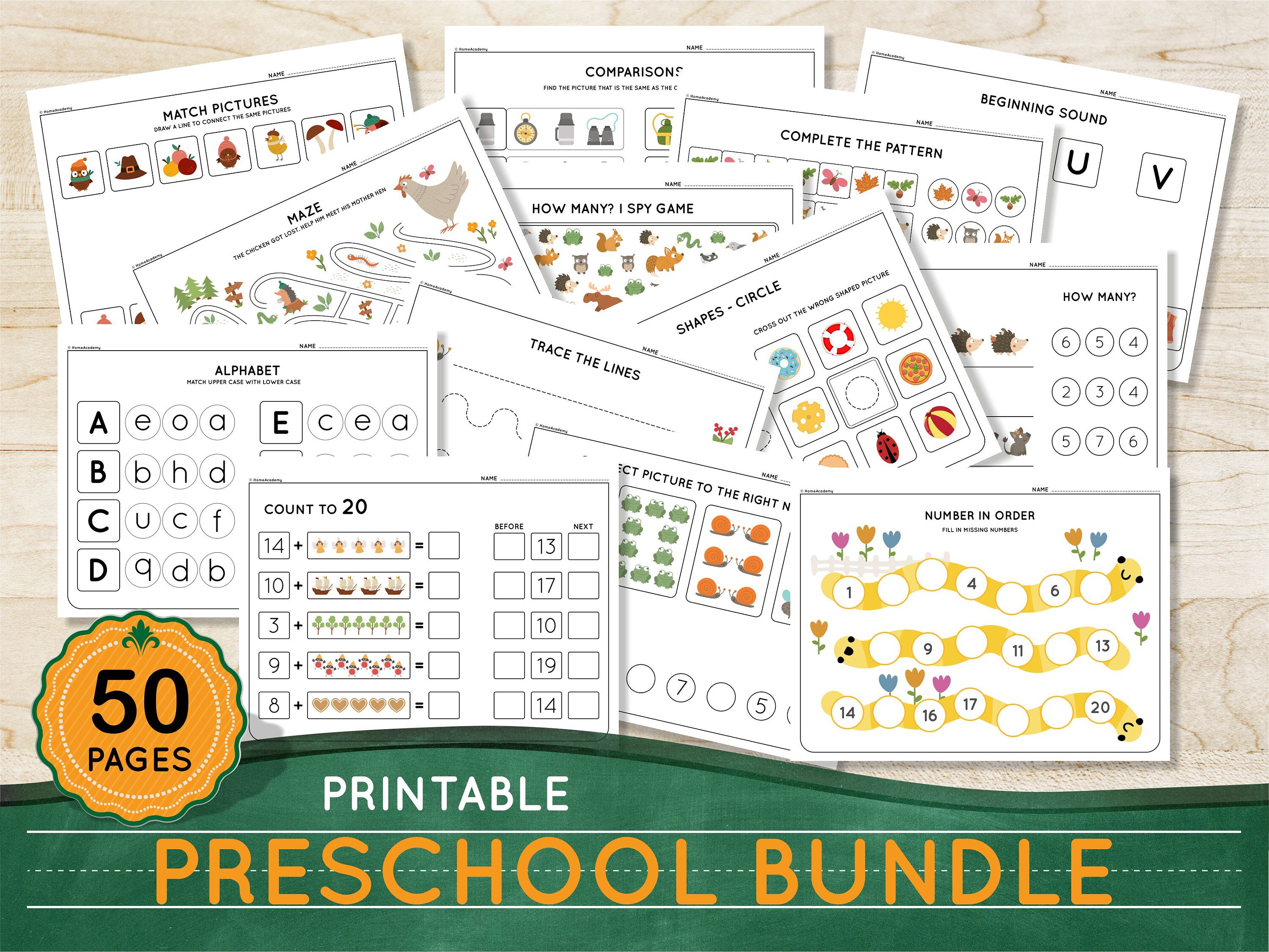
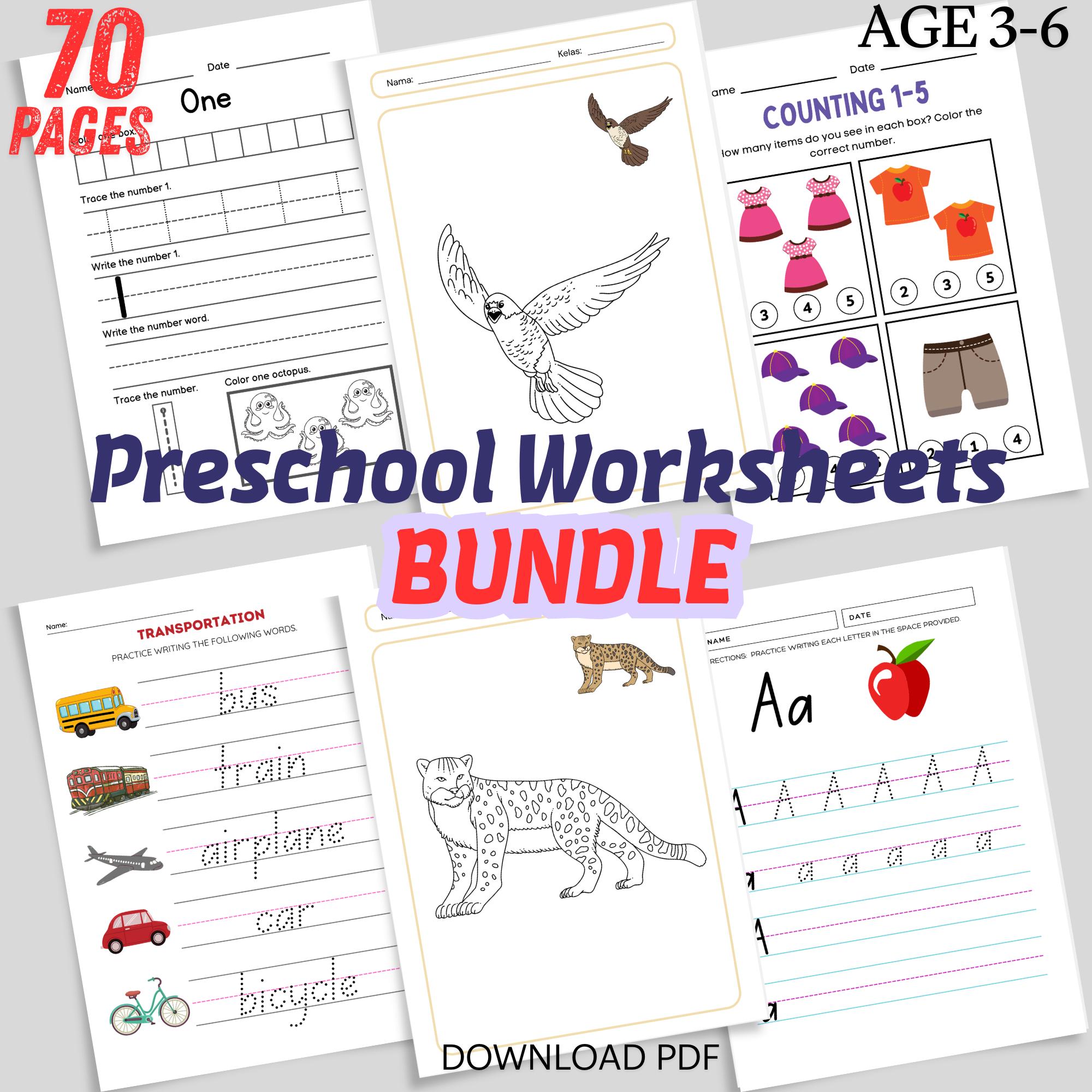
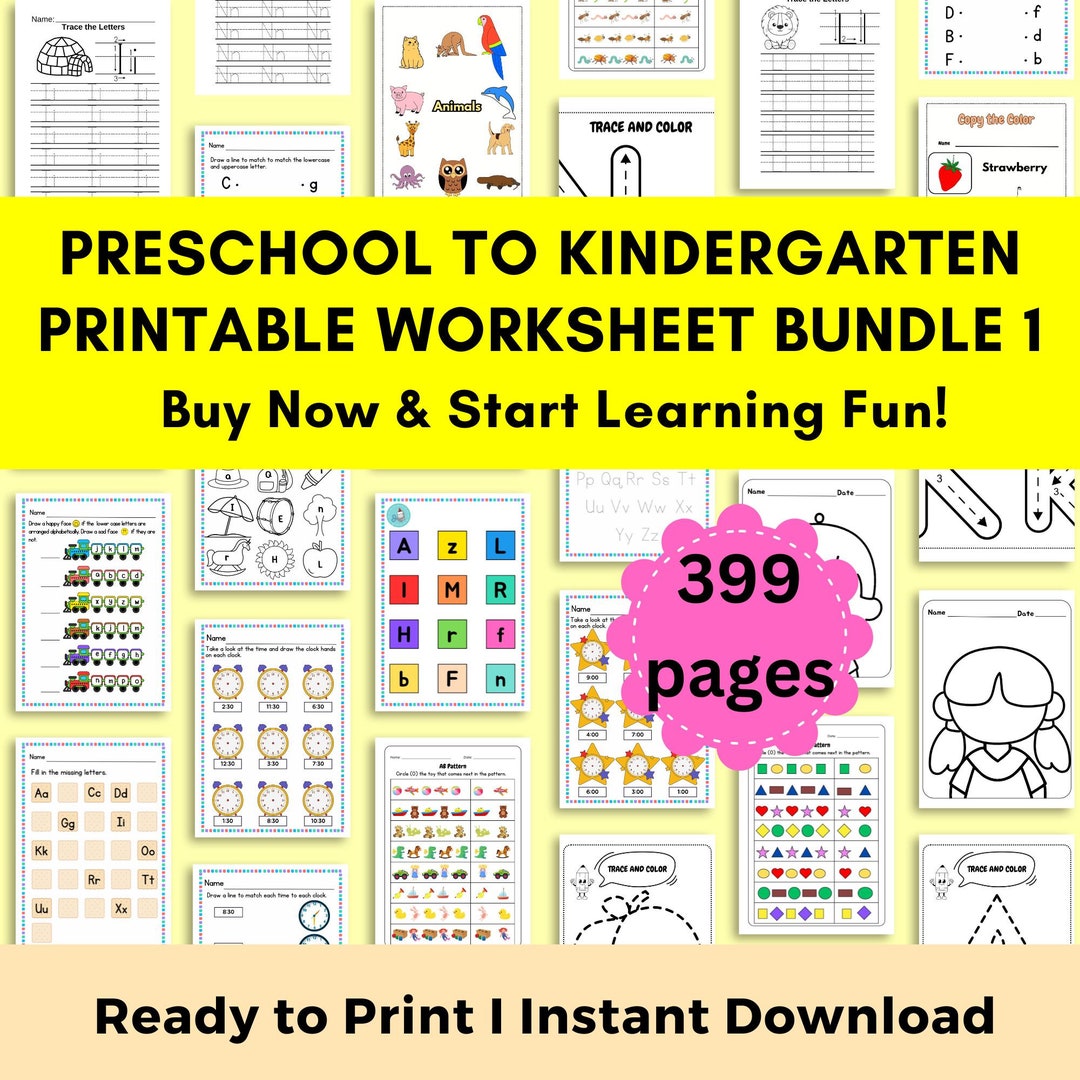
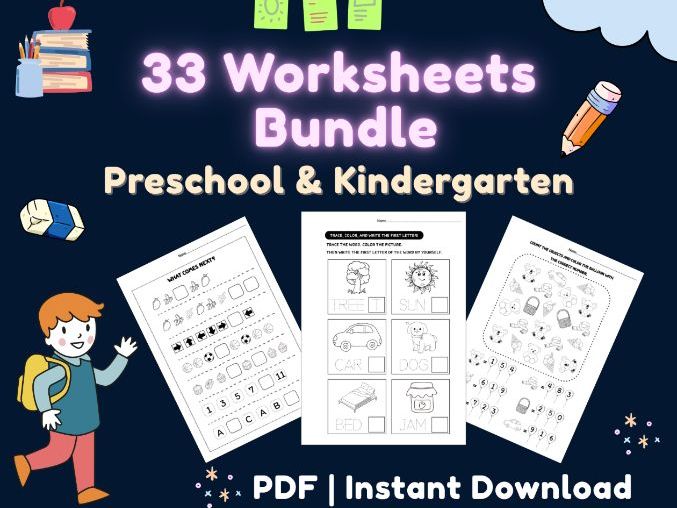
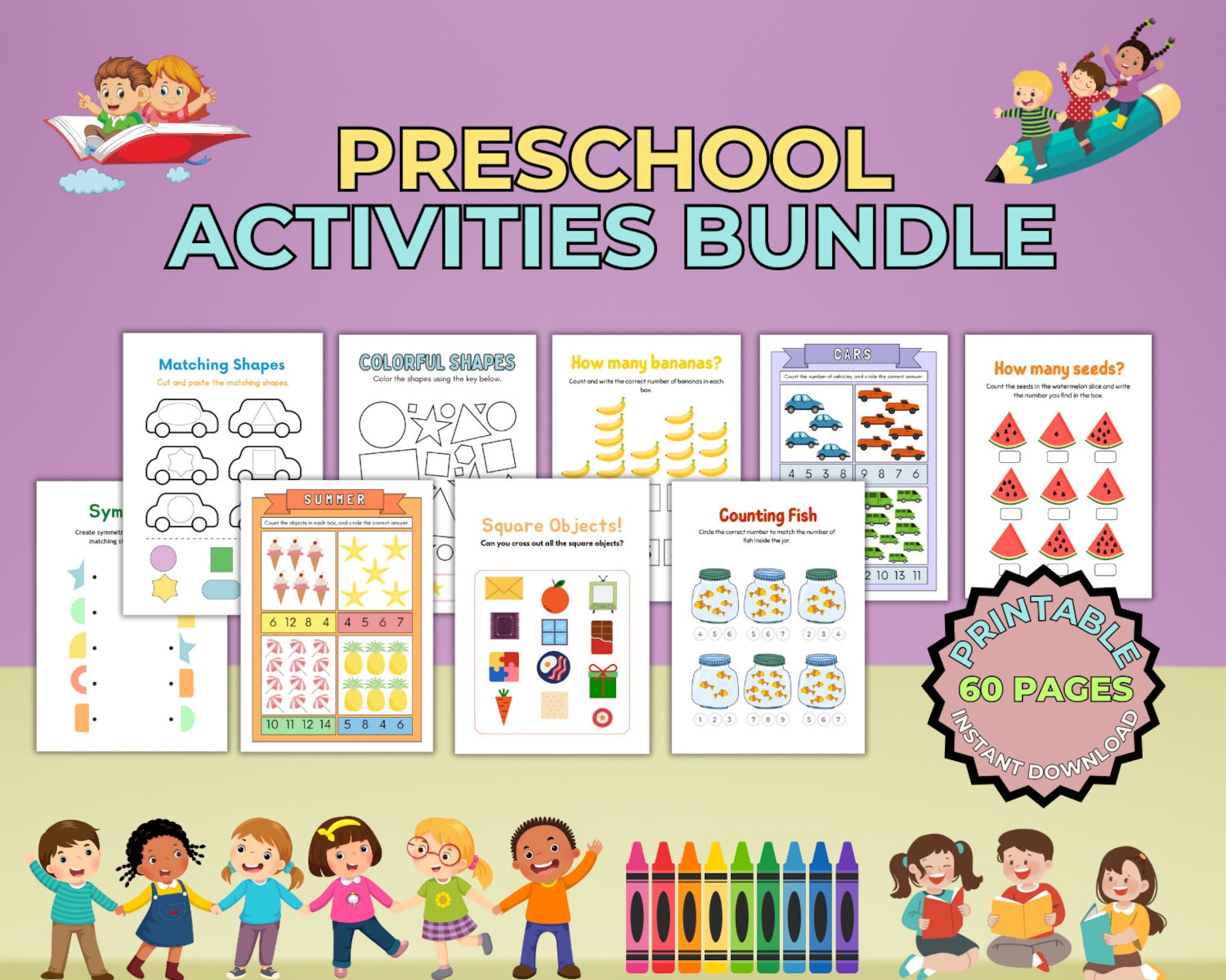
A preschool worksheets bundle provides a structured, multi-sensory foundation for early fine-motor development, letter formation, and pre-writing mechanics. According to the National Association for the Education of Young Children (NAEYC), intentional and developmentally appropriate early writing experiences support essential hand-eye coordination and spatial awareness necessary for academic readiness. Integrating comprehensive preschool worksheets into daily learning environments ensures young learners master fundamental strokes before transitioning to complex letter and word creation.
Handwriting Practice Snapshot:
- Core Focus: A curated bundle of foundational motor-skill and letter-formation exercises.
- Target Scope: Early childhood education classrooms, homeschool settings, and occupational therapy clinics.
- Key Recommendation: Pair structured stroke sheets with multi-sensory tracing tools to reinforce muscle memory.
Core Principles and Detailed Overview
Effective handwriting instruction relies on sequential stroke mastery, moving from gross motor arm movements down to precise finger and wrist articulation. Educators utilize a cohesive worksheets collection to transition children smoothly from vertical and horizontal line tracing into curved shapes, intersecting patterns, and standard character formation. Proper alignment guidelines, consistent baseline parameters, and appropriate scaling prevent the formation of bad habits such as improper pencil grasps or bottom-up letter drawing.
Key Specifications and Breakdown
| Skill Level / Grade | Target Stroke / Mechanical Focus | Pedagogical / Coaching Cue |
|---|---|---|
| Early Preschool (Ages 3-4) | Vertical, horizontal, and diagonal lines | “Start at the top sky line and pull straight down to the ground.” |
| Mid Preschool (Ages 4-5) | Circles, loops, and curved directional paths | “Trace around the curved track like a rolling ball.” |
| Late Preschool / Kindergarten | Uppercase and lowercase character proportions | “Keep the tall letters touching the top headline and baseline.” |
Developmental progression in early childhood requires sustained focus on postural stability, proximal shoulder strength, and distal finger control before demanding prolonged fine-motor tasks — American Occupational Therapy Association (AOTA)
Step-by-Step Practical Application and Guidelines
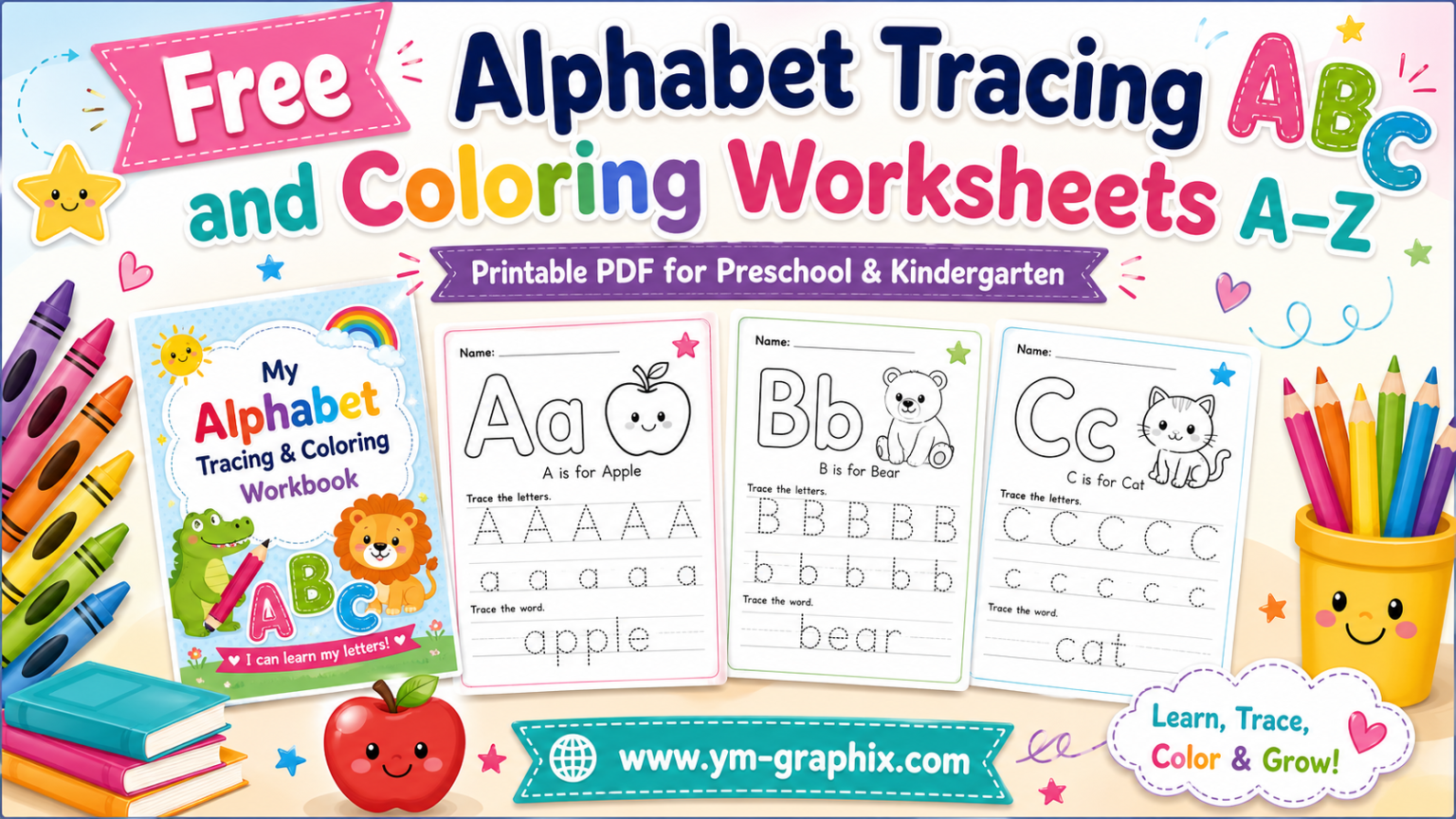
Implementing a structured curriculum requires establishing consistent daily routines, correct physical posture, and proper writing tool ergonomics. Instructors must verify that children sit with feet flat on the floor, hips and knees at ninety-degree angles, and paper tilted slightly to match the natural writing angle of the dominant hand. Educators should introduce tracing worksheets to build initial confidence before advancing to independent letter writing worksheets that demand independent recall and spatial planning.
Common Challenges and How to Avoid Them
Premature fatigue, incorrect pencil grips, and persistent bottom-up stroke formation represent the most frequent obstacles encountered during early writing instruction. Preventing these mechanical errors involves replacing dull, oversized writing utensils with short, triangular pencils that naturally encourage a functional tripod grasp. When children attempt to form characters from the bottom upward, instructors must gently guide the writing hand back to the correct top-down starting point to reinforce fluid muscle memory and legibility.
💬 Frequently Asked Questions
Explore More Free Handwriting and Character Worksheets
Accessing high-quality educational resources ensures that young learners receive the targeted repetition required for lifelong handwriting fluency. Educators and parents can explore supplementary spelling aids, specialized name practice worksheets, and creative coloring worksheets directly through the comprehensive library available at CharacterWritingWorksheets.com.
Worksheet Previews & Reference Materials