Introduction
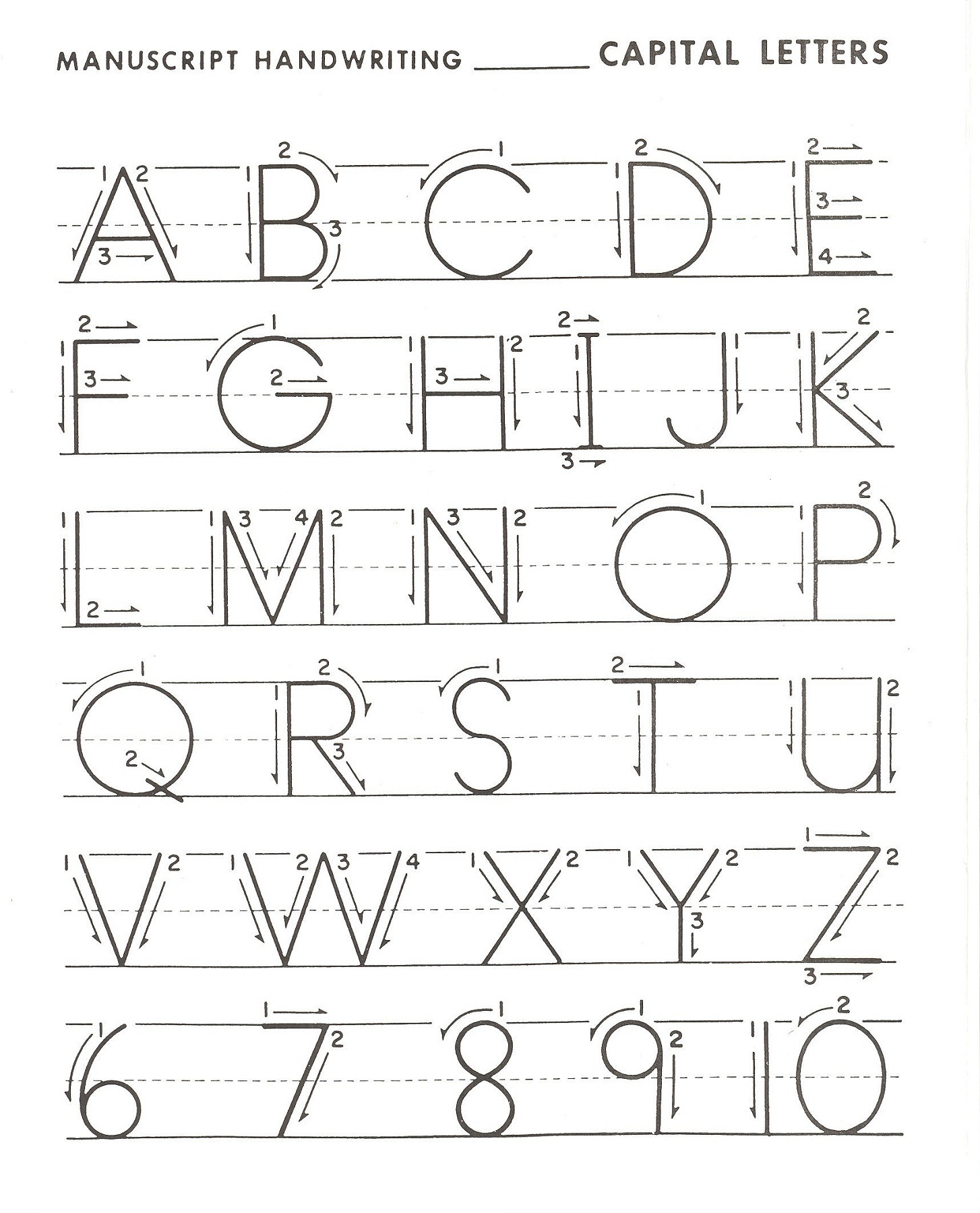
Block letter writing worksheets provide structured geometric frameworks that teach young learners proper uppercase letter formation through controlled strokes and vertical-horizontal alignment. According to the National Association for the Education of Young Children (NAEYC), foundational writing instruction must prioritize direct motor planning and multisensory letter exploration before expecting fluid cursive production. Educators and parents utilize these specialized print practice pages to build foundational fine-motor control, spatial orientation, and visual-motor integration during early childhood development. Early literacy programs often pair these geometric exercises with supplementary preschool worksheets to reinforce multi-sensory pre-writing capabilities.
Handwriting Practice Snapshot:
- Core Focus: Block letter writing worksheets establish uppercase stroke consistency and spatial awareness.
- Target Scope: Early elementary students and preschoolers refining pencil grip and fine-motor control.
- Key Recommendation: Enforce top-to-bottom and left-to-right stroke sequences on every practice sheet.
Core Principles and Detailed Overview
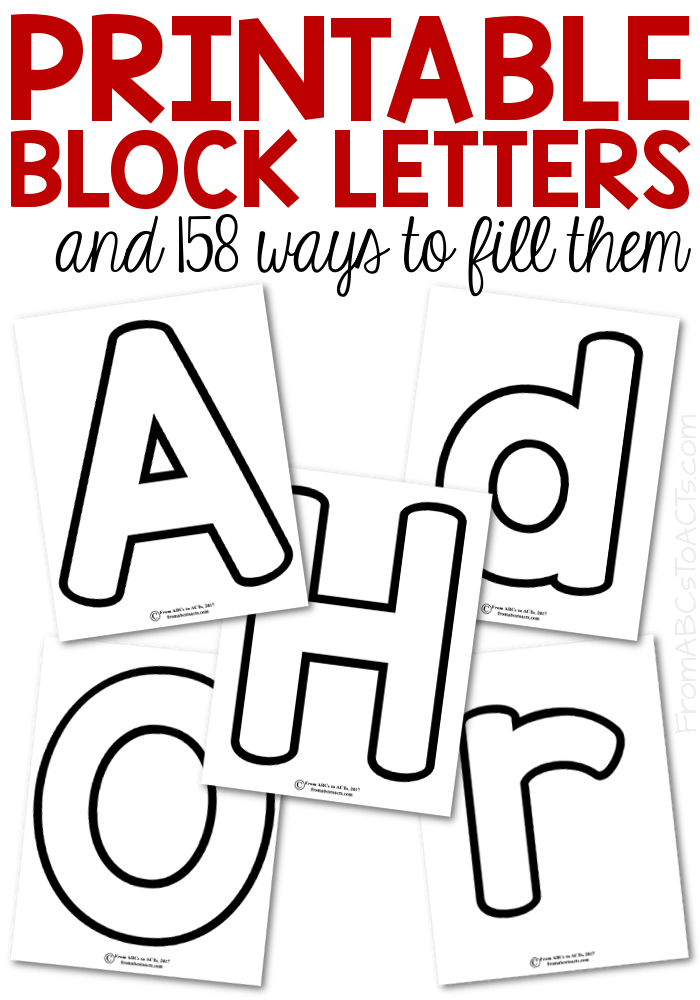
Block letter writing worksheets rely on straight lines and distinct intersections, making them the ideal starting point for children developing baseline hand strength and precise pencil control. Unlike rounded lowercase cursive, block letters reduce cognitive load by utilizing predictable vertical strokes, horizontal bars, and diagonal slants. Mastering these distinct geometric forms establishes the foundational muscle memory required for more advanced letter writing worksheets and daily literacy tasks. Instructors should emphasize consistent baseline placement, proportional height alignment, and appropriate pencil pressure to prevent early hand fatigue.
Key Specifications and Breakdown
| Skill Level / Grade | Target Stroke / Mechanical Focus | Pedagogical / Coaching Cue |
|---|---|---|
| Early Preschool (Ages 3-4) | Vertical and horizontal line control | “Start at the top ceiling and pull straight down to the floor.” |
| Late Preschool (Ages 4-5) | Diagonal slants and closed geometric loops | “Slide down the mountain, climb straight back up to the peak.” |
| Early Kindergarten (Ages 5-6) | Proportional spacing and baseline alignment | “Keep letters inside the box without touching the outer margins.” |
Foundational motor control and tactile feedback interventions are vital for successful early handwriting acquisition. — American Occupational Therapy Association (AOTA)
Step-by-Step Practical Application and Guidelines
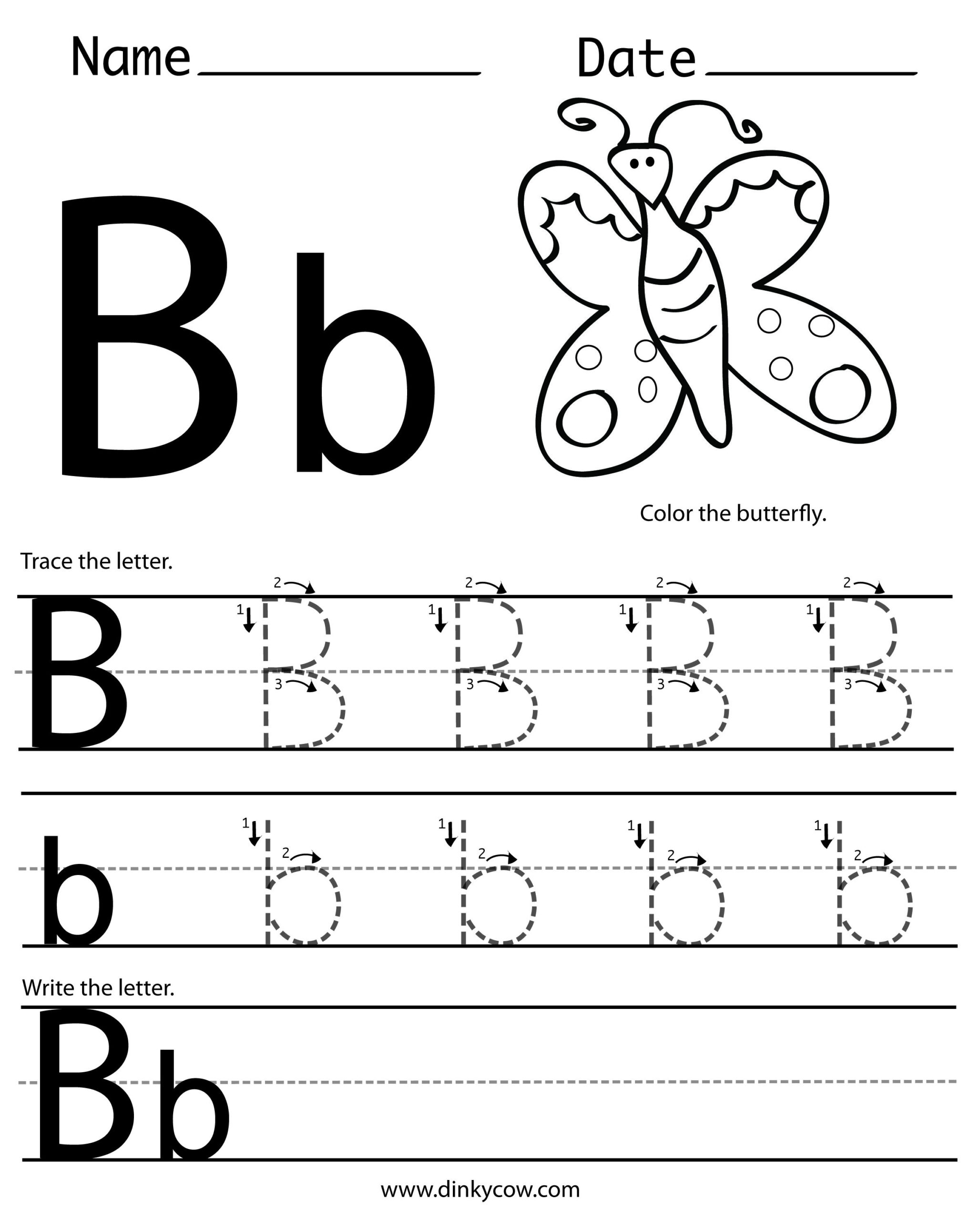
Executing block letter writing worksheets effectively requires a deliberate, sequential approach that begins with air-tracing and ends with independent paper execution. Educators must first model the exact directional arrows on a whiteboard before distributing printed materials. Learners should then trace faint dotted outlines using a thick, ergonomic writing tool to maximize tactile feedback. Once students demonstrate consistent stroke mastery on structured grids, transition them toward unassisted grid spaces found within targeted name practice worksheets to cement personalized letter recall.
Common Challenges and How to Avoid Them
Reversals of letters like ‘E’, ‘F’, and ‘J’ frequently occur when children rush through block letter writing worksheets without adequate visual anchors. Instructors must correct incorrect stroke sequences immediately, as ingrained motor habits are exceptionally difficult to unlearn later in primary education. Providing clear starting dots and directional arrows directly on the paper eliminates guesswork and prevents accidental bottom-up strokes. For children struggling with pencil pressure or grip fatigue, pair these geometric exercises with tactile tracing worksheets to build intrinsic hand strength.
💬 Frequently Asked Questions
Explore More Free Handwriting and Character Worksheets
Optimizing early childhood literacy requires a diverse library of scaffolded practice materials tailored to every developmental milestone. Explore the full collection of engaging resources, creative printables, and supplementary coloring worksheets available directly at CharacterWritingWorksheets.com to support comprehensive handwriting development.
Worksheet Previews & Reference Materials