Introduction
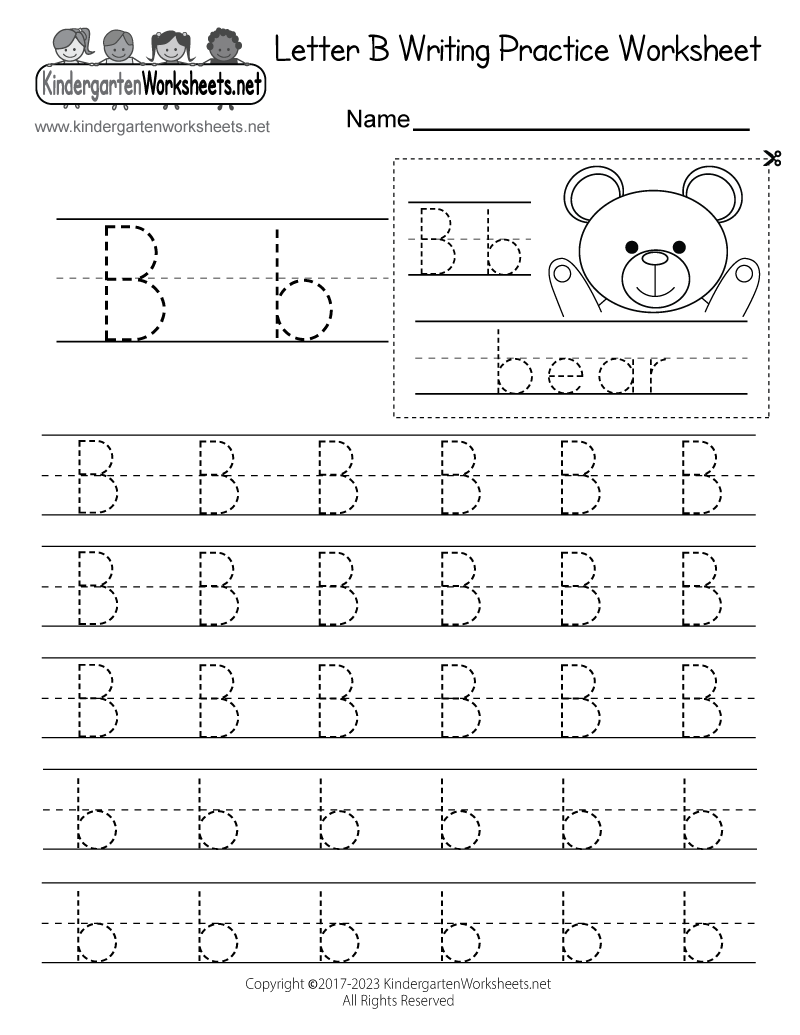
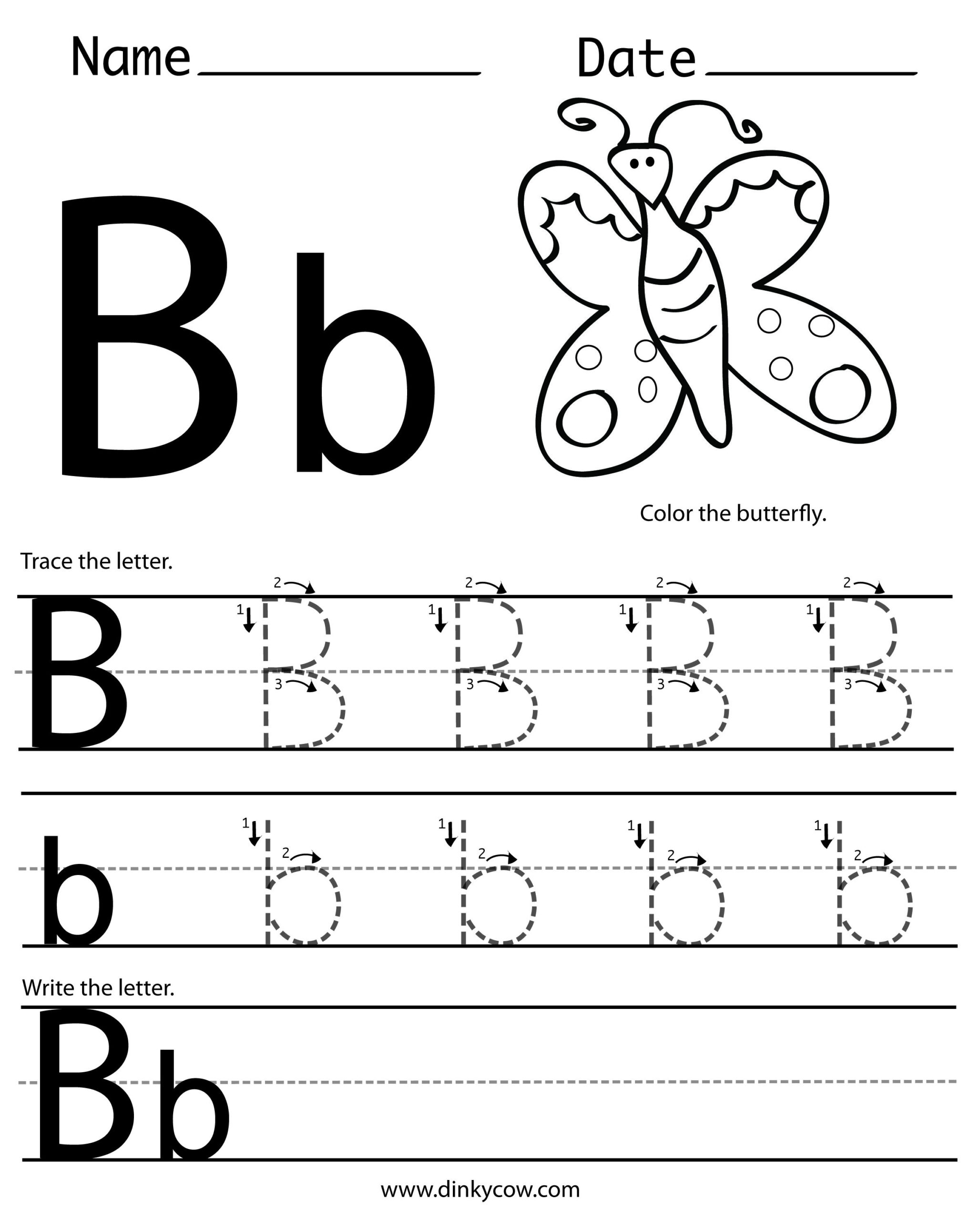
A handwriting letter b worksheet provides structured, targeted practice that guides young learners through the exact vertical and curved stroke sequences required for proper character mastery. According to the National Association for the Education of Young Children (NAEYC), systematic and developmentally appropriate handwriting instruction supports fine-motor control, letter recognition, and orthographic mapping in early childhood education. Educators and parents utilize specialized letter writing worksheets to prevent common reversal habits between lowercase ‘b’ and ‘d’ through directional cueing and multisensory tracing models. Establishing correct pencil grip and continuous motion during foundational preschool worksheets builds spatial awareness necessary for academic fluency.
Handwriting Practice Snapshot:
- Core Focus: Mastering the downward vertical stroke followed by the continuous right-facing loop of the letter b.
- Target Scope: Early childhood classrooms, special education interventions, and home-schooling environments.
- Key Recommendation: Enforce top-to-bottom vertical sequencing before introducing loop formation to eliminate letter reversals.
Core Principles and Detailed Overview
A well-designed handwriting letter b worksheet relies on continuous-stroke mechanics that begin at the top headline, pull straight down to the baseline, and trace back up to form a closed bowl without lifting the writing utensil. Motor memory solidifies when instructional pages integrate foundational tracing worksheets featuring directional arrows, start-dot cues, and primary writing guidelines. Practitioners must observe student posture, paper angle, and a tripod grasp to ensure mechanical efficiency. Integrating structured worksheets daily reinforces muscle memory, transforming effortful letter generation into an automatic, fluent orthographic process.
Key Specifications and Breakdown
| Skill Level / Grade | Target Stroke / Mechanical Focus | Pedagogical / Coaching Cue |
|---|---|---|
| Pre-K / Early Learners | Continuous vertical pull and closed-loop spatial boundaries | “Pull straight down from the sky line, bounce up, and close the bubble.” |
| Kindergarten | Proportion scaling between baseline, mid-line, and headline | “Start tall at the top, drop to the floor, and hug the middle.” |
| 1st Grade & Remediation | Eliminating b/d reversals through consistent starting points | “Make the bat stick first before drawing the ball.” |
Explicit instruction in stroke direction and continuous-line formation prevents cognitive overload and minimizes letter reversals during early literacy development. — American Occupational Therapy Association (AOTA)
Step-by-Step Practical Application and Guidelines
Implementing a handwriting letter b worksheet effectively requires explicit teacher modeling, verbal recitation of stroke steps, and progressive fading of visual prompts. Instructors should demonstrate the formation on a lined surface while verbalizing the sequence: start at the top, pull down to the bottom, push back up halfway, and curve right to close the circle. Learners then trace large-format models using tactile surfaces or dry-erase markers before transitioning to standard pencil-and-paper tasks. Regular assessment of pacing and pressure ensures children avoid hand fatigue while building sustainable, neat handwriting habits.
Common Challenges and How to Avoid Them
Frequent letter reversals between ‘b’ and ‘d’ occur when children lack a consistent spatial reference point or rely on visual memorization instead of kinetic memory. To counteract this challenge, educators should anchor the lowercase ‘b’ formation with verbal mnemonics that emphasize drawing the straight vertical stem (the bat) prior to the rounded bowl (the ball). Correcting improper pencil grips immediately prevents chronic hand strain and illegibility. Utilizing targeted name practice worksheets alongside letter drills further contextualizes proper alignment within a broader writing framework.
💬 Frequently Asked Questions
Explore More Free Handwriting and Character Worksheets
Access an extensive library of educational resources, alphabet printables, and skill-building exercises by visiting the main collection at CharacterWritingWorksheets.com. Educators, parents, and homeschool providers can discover hundreds of free printables tailored to every developmental milestone.
Worksheet Previews & Reference Materials